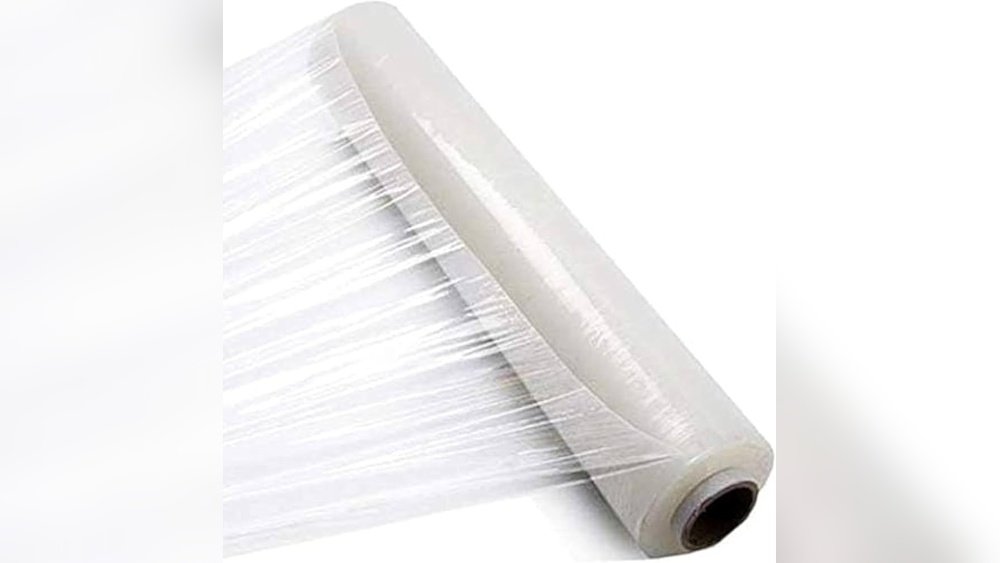
Are you looking for a simple way to keep your items safe, organized, and easy to handle? A wrapping roll might be exactly what you need.
Thank you for reading this post, don't forget to subscribe!Whether you’re packing, shipping, or storing, this handy tool can make a big difference. Imagine saving time, cutting costs, and protecting your belongings all at once. You’ll discover how the right wrapping roll can transform your routine and why it’s a must-have for your home or business.
Keep reading to find out which type suits you best and how to use it like a pro.

Credit: s4kexports.com
Types Of Wrapping Rolls
Wrapping rolls come in many types to suit different needs. They protect, preserve, and organize items. Choosing the right roll helps keep things fresh and safe. Each type has unique features and uses. Understanding these types makes picking easier.
Plastic Wrap Varieties
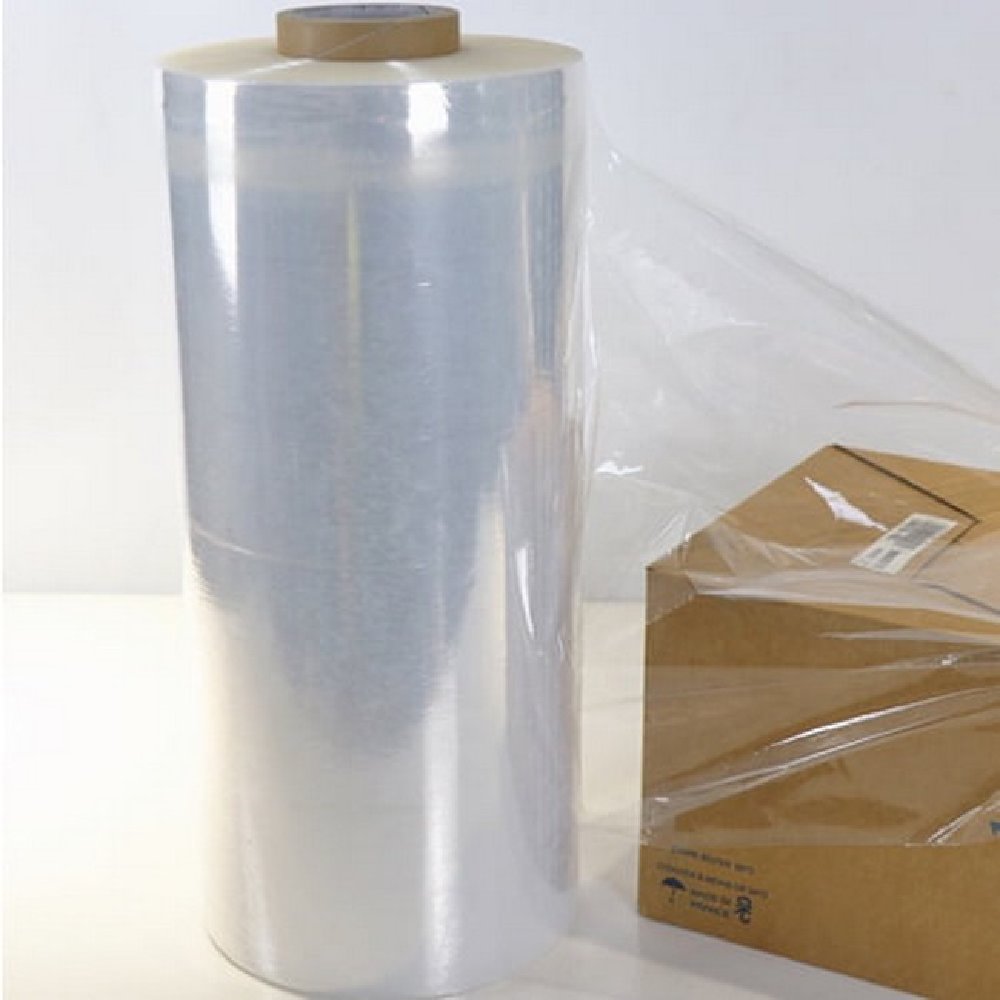
Plastic wraps are thin and flexible sheets. They cling tightly to surfaces for a secure seal. Common types include cling film and stretch wrap. Cling film is popular for food storage. Stretch wrap is ideal for bundling items together. Both protect against moisture and air. They work well in kitchens and warehouses.
Paper-based Rolls
Paper-based wraps offer an eco-friendly option. Kraft paper and butcher paper are common types. Kraft paper is strong and tear-resistant. Butcher paper is often used for meat and deli items. These wraps allow food to breathe while protecting it. Paper rolls are recyclable and compostable. They suit wrapping gifts, sandwiches, and more.
Foil And Specialty Wraps
Foil wraps are shiny sheets of aluminum. They block light, air, and moisture effectively. Foil is great for cooking and storing hot foods. Specialty wraps include wax paper and parchment paper. Wax paper resists moisture but not heat. Parchment paper can handle high temperatures in ovens. These wraps add versatility to kitchen tasks.
Key Features To Consider
Choosing the right wrapping roll can make a big difference in packing and storage tasks. It helps protect items and keeps them secure. Key features affect how well the wrap performs and how easy it is to use. Focus on durability, flexibility, and environmental impact to find the best option.
Durability And Strength
Durability is a must for wrapping rolls. Strong wraps resist tears and punctures. This keeps your items safe during transport or storage. Look for wraps that hold up under pressure and rough handling. Strength ensures the wrap stays intact and does not break easily.
Flexibility And Stretchability
Flexibility allows the wrap to fit around objects of different shapes. Stretchable wraps can cover large or irregular items tightly. This prevents movement inside boxes or pallets. A good stretch also saves material and reduces waste. Choose wraps that stretch well without losing strength.
Environmental Impact
Consider how the wrap affects the environment. Some wraps use less plastic or are biodegradable. Others can be recycled after use. Eco-friendly options reduce waste and pollution. Picking a sustainable wrap helps protect the planet while meeting your needs.
Applications In Different Industries
Wrapping rolls are used in many industries. They protect products and keep them clean. Different businesses use wrapping rolls to meet their needs. Each industry has unique ways to use these materials. The following sections explain common uses in food, industrial, and retail sectors.
Food Packaging
Wrapping rolls help keep food fresh and safe. They cover fruits, vegetables, and baked goods. The wrap stops air and moisture from spoiling food. Many food factories use wrapping rolls for packing. It also prevents contamination during transport and storage.
Industrial Use
Industries use wrapping rolls to protect equipment and parts. They cover machines to keep dust and dirt away. Wrapping rolls also secure items on pallets. This prevents damage during moving or storage. Factories rely on wraps to keep products intact and clean.
Retail And Shipping
Retail stores use wrapping rolls to package goods. They wrap items to improve presentation and safety. Shipping companies use wrapping rolls to hold packages together. The wrap stops products from shifting or breaking. It makes handling and delivery easier and safer.
Credit: www.fastdep.in
Cost Factors And Budgeting
Understanding the cost factors of wrapping rolls helps manage your budget well. Knowing what affects prices lets you plan purchases smartly. This saves money and avoids surprises later. Budgeting for wrapping rolls means knowing material choices, buying options, and long-term benefits.
Material Costs
The type of material affects the price of wrapping rolls. Plastic, paper, or foil have different costs. Thicker or stronger materials cost more. Cheaper materials may not last as long or protect well. Choose the right material to balance cost and quality.
Bulk Purchasing Benefits
Buying wrapping rolls in bulk often lowers the cost per roll. Suppliers give discounts for larger orders. Bulk buying reduces shipping fees too. This method suits businesses or people who use many rolls. It helps keep your budget steady over time.
Long-term Savings
Investing in good quality wrapping rolls saves money in the long run. Durable rolls reduce waste and replacement needs. Less damage to wrapped items means fewer losses. Choosing the right size and material avoids extra expenses. Smart purchases reduce overall costs over time.
Innovations In Wrapping Technology
Wrapping roll technology has evolved fast in recent years. New ideas help reduce waste and improve product safety. These advances support businesses and the environment. They also meet the needs of modern consumers who want smarter and greener packaging. Below are two key innovations changing the wrapping roll industry.
Biodegradable Options
Biodegradable wrapping rolls break down naturally. They reduce pollution and landfill waste. Made from plant-based materials, they decompose quickly. These options protect products without harming nature. Many companies now choose biodegradable wraps to meet eco-friendly goals. They offer strength and flexibility similar to plastic wraps.
Smart Packaging Solutions
Smart packaging includes features like QR codes and sensors. These wraps track freshness and temperature of items. They help avoid food waste and ensure safety. Some smart rolls change color to show spoilage. This technology adds value and trust for consumers. It makes packaging more interactive and useful.

Credit: www.amazon.com
Tips For Effective Wrapping
Wrapping rolls help keep items safe and neat. Using them right saves time and materials. Simple steps make wrapping easier and better.
Good wrapping protects your items and looks clean. It also reduces waste. Follow these tips for best results.
Proper Storage Techniques
Keep wrapping rolls in a dry, cool place. Avoid direct sunlight to prevent damage. Store rolls upright to keep their shape. Use containers to protect rolls from dust and dirt. Label rolls by size and type for quick access.
Maximizing Wrap Efficiency
Measure items before cutting wrap to avoid waste. Pull the wrap tight for a secure hold. Use scissors or cutters for clean edges. Overlap layers slightly to add strength. Keep rolls moving smoothly to prevent tears.
Choosing The Right Supplier
Choosing the right supplier for wrapping rolls is key to your business success. The right partner offers reliable products and smooth service. This choice impacts your costs, delivery times, and product quality. Careful selection avoids problems and keeps your work running well.
Quality Assurance
Quality assurance ensures wrapping rolls meet your needs. A good supplier tests their products often. This prevents defects and saves time. Check if they use strong materials and proper manufacturing methods. Reliable quality means better protection for your items.
Customer Support
Customer support helps solve problems fast. Choose suppliers who respond quickly to questions. Friendly and clear communication reduces confusion. Support includes advice on products and help with orders. Good service builds trust and long-term partnerships.
Delivery And Availability
Timely delivery keeps your business on schedule. The right supplier has enough stock ready to ship. Fast shipping options avoid delays. Check if they deliver to your location regularly. Consistent availability means you never run out of wrapping rolls.
Frequently Asked Questions
What Is A Wrapping Roll Used For?
A wrapping roll is used to cover and protect items during packing. It keeps products safe from dust, dirt, and damage. Commonly used in shipping and storage.
How Do I Choose The Right Wrapping Roll Size?
Choose a wrapping roll size based on the item’s dimensions. Measure the width and length needed to cover your product fully. Larger items need wider and longer rolls.
What Materials Are Wrapping Rolls Made From?
Wrapping rolls are often made from plastic, paper, or bubble wrap. Each material offers different protection levels and uses. Plastic wraps are common for moisture resistance.
Can Wrapping Rolls Be Reused Or Recycled?
Many wrapping rolls can be reused if kept clean and intact. Recycling depends on the material type and local rules. Plastic wraps often need special recycling processes.
How To Apply A Wrapping Roll Correctly?
Start by unrolling enough wrap to cover the item. Wrap tightly but avoid tearing the material. Secure the ends with tape or ties for safety.
Are Wrapping Rolls Safe For Food Packaging?
Food-grade wrapping rolls are safe and meet hygiene standards. They prevent contamination and keep food fresh longer. Always check for food-safe labels before use.
What Are The Benefits Of Using A Wrapping Roll?
Wrapping rolls protect items from damage and dirt during transport. They help keep products organized and easier to handle. Wrapping also improves shelf life for perishable goods.
Conclusion
Wrapping rolls offer great convenience for packing and storage needs. They save time and keep items secure. Choosing the right wrapping roll makes a big difference. It helps protect goods from dust and damage. Easy to use and cost-effective, they suit many tasks.
Whether for home or business, wrapping rolls work well. Small investment, big help. Keep your items safe and neat with wrapping rolls. Simple, practical, and effective. A useful tool everyone should consider.