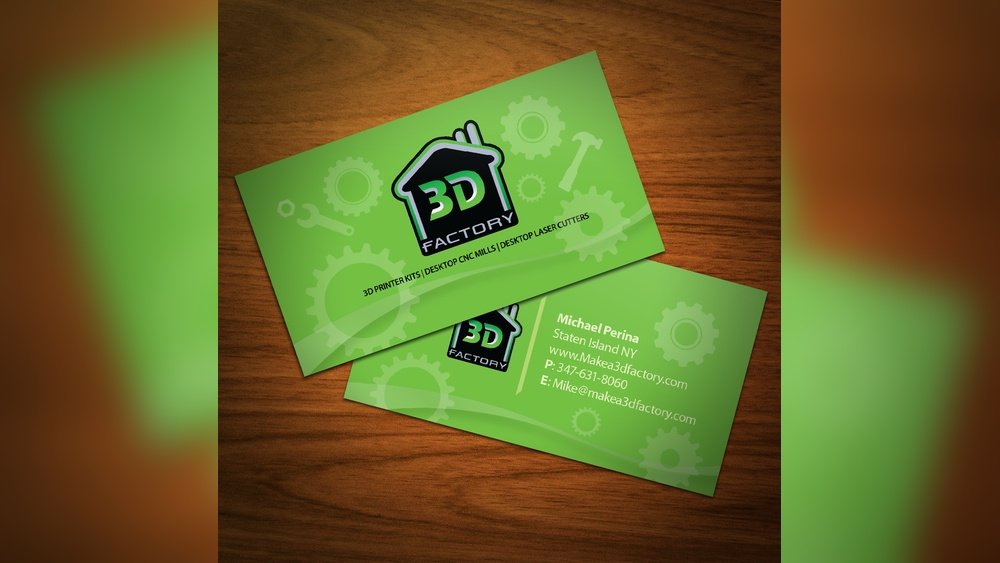
Your business card is more than just a piece of paper—it’s a chance to make a strong first impression. Imagine handing someone a card that stands out, feels unique, and sparks curiosity.
Thank you for reading this post, don't forget to subscribe!That’s exactly what 3D printing can do for your business cards. With 3D printing, you can create designs that grab attention and stick in people’s minds. If you want your card to be unforgettable and truly reflect your brand, keep reading.
These 3D printing business card ideas will inspire you to take your networking game to the next level.
Creative 3d Card Designs
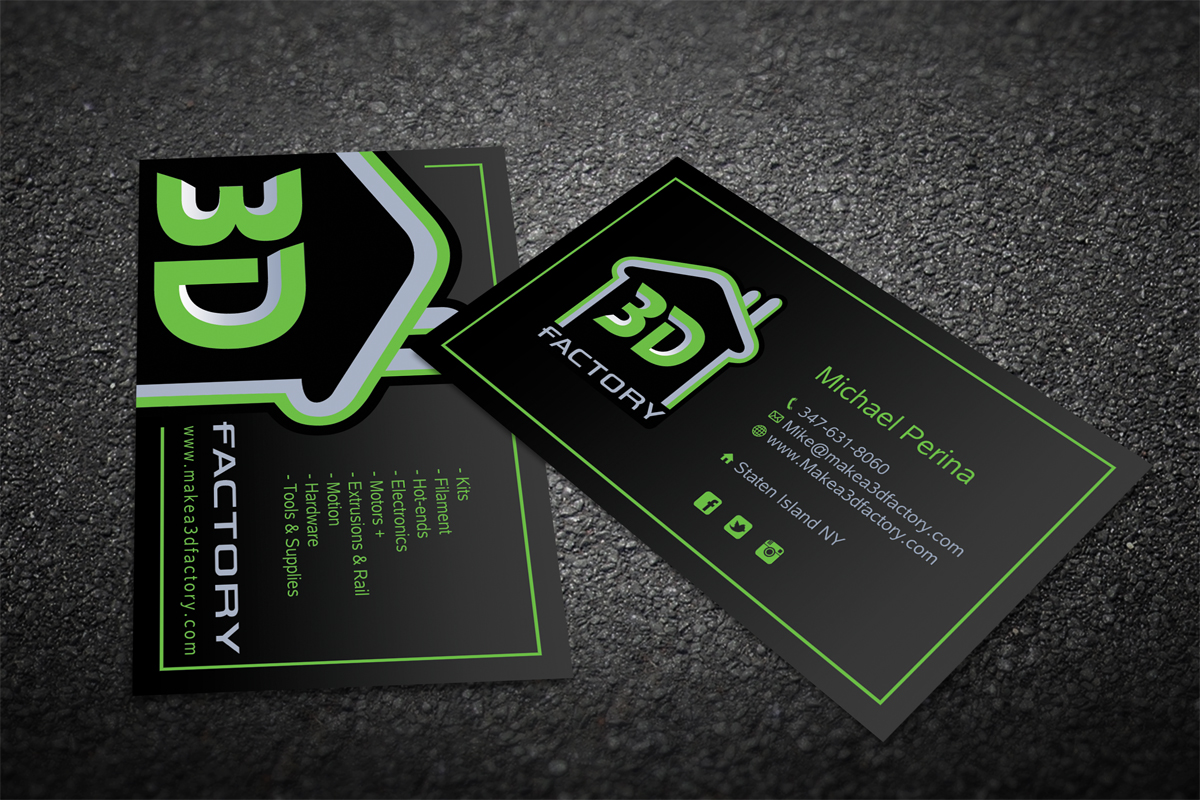
Creative 3D card designs make business cards stand out. They add depth and uniqueness to a simple piece of paper. These designs can catch attention and leave a strong impression. Using 3D printing, you can create cards that feel different and look interesting. Here are some ideas to inspire your next business card project.
Geometric Patterns
Geometric patterns bring structure and style to 3D cards. Shapes like triangles, hexagons, and cubes create eye-catching designs. Layers and angles add depth and shadows. These patterns make the card look modern and professional. They also help highlight your logo or name in a creative way.
Interactive Elements
Interactive elements make your card fun to touch and use. Moving parts, sliders, or pop-ups surprise the person holding it. These features invite people to explore the card. They make your contact details more memorable. Interactive cards show creativity and make you stand out from others.
Textured Surfaces
Textured surfaces add a tactile feeling to business cards. Raised patterns or grooves create contrast and interest. Different textures can match your brand style perfectly. Smooth, rough, or bumpy areas give a unique touch. Textured cards encourage people to hold and feel your card longer.
Credit: www.designcrowd.com
Materials For 3d Cards
Choosing the right material is key for 3D printed business cards. Materials affect the card’s look, feel, and durability. They also influence how easy the card is to carry and share. Different materials suit different styles and budgets. This section explores popular choices for 3D cards.
Plastic Variants
Plastic is a common choice for 3D business cards. It offers flexibility and comes in many colors. PLA and ABS are popular plastics used in 3D printing. They are lightweight and sturdy. Plastic cards can have smooth or textured finishes. They resist water and wear, making them practical.
Metallic Finishes
Metallic finishes add shine and a premium feel. Cards can be printed with metal-infused filaments or coated after printing. Common metals include bronze, copper, and stainless steel. These cards stand out and feel solid in hand. They suit luxury brands or formal events. Metallic cards last long and resist scratches.
Biodegradable Options
Biodegradable materials are eco-friendly choices. PLA is a biodegradable plastic made from plants. It breaks down faster than traditional plastics. These cards appeal to green-conscious users. They combine good looks with environmental care. Biodegradable cards send a positive message about your brand.
Customization Techniques
Customization techniques make 3D printed business cards stand out. They add unique touches that catch the eye. These methods allow you to express your style clearly. They also help your card feel more personal and memorable.
Each technique changes the card’s look and feel. Choosing the right one can show your brand’s personality. Here are some popular ways to customize your 3D printed business card.
Embossing And Engraving
Embossing raises parts of the card’s surface. It creates a 3D effect you can feel with your fingers. Engraving cuts into the card to make a design or text. Both techniques add depth and texture.
These methods give your card a professional and tactile quality. They work well for names, titles, or contact details. The raised or recessed design catches light and shadows. This makes your card more interesting to look at.
Color Integration
Color integration blends colors directly into the card. This can be done during printing or by adding colored layers. It creates vibrant and durable designs that do not fade easily.
You can match your brand colors exactly. It helps build brand recognition instantly. Using multiple colors makes the card lively and eye-catching. This technique also supports gradients and complex patterns.
Incorporating Logos
Logos are key for brand identity. 3D printing lets you add logos with great detail. You can raise, engrave, or color logos on the card.
Adding a logo helps people remember your business. It also builds trust and professionalism. The logo becomes a focal point that draws attention. This technique ensures your brand is clear and visible.
Functional 3d Cards
Functional 3D cards stand out by adding real use beyond just sharing contact details. These cards offer extra features that catch attention and help people remember you. They combine creativity and utility in one small, tangible item.
Using 3D printing, businesses create cards that do more than look good. They can store data, unfold into shapes, or interact with technology. Each design offers a unique way to connect and impress clients or partners.
Built-in Usb Drives
These 3D cards include small USB drives inside them. They store digital files like portfolios, presentations, or product catalogs. Users get quick access to your work without extra devices. The USB part fits seamlessly into the card’s design. It makes sharing digital content easy and professional.
Foldable And Pop-up Designs
Foldable 3D cards open into different shapes or messages. Pop-up elements surprise and engage the receiver. These designs add movement and depth to a flat card. They make your card fun to explore and hard to forget. Printing these cards requires precise 3D layering techniques.
Augmented Reality Features
Some 3D cards include AR markers or codes. Scanning these triggers digital content on phones or tablets. Users see animations, videos, or 3D models linked to your brand. AR adds an interactive layer to your card’s physical form. It creates a memorable and modern experience for contacts.
Cost And Production Tips
Creating 3D printed business cards can be exciting but managing cost and production is key. Efficient production helps save money and time. Understanding cost factors ensures your project stays within budget. Smart planning leads to better results and faster delivery.
Optimizing Print Time
Shorter print times lower overall production costs. Design cards with simple shapes to reduce printing hours. Avoid unnecessary details that take longer to print. Use hollow or thin structures to save material and time. Test print small samples to check speed before full runs.
Material Cost Management
Choose affordable materials that fit your design needs. PLA and ABS are common low-cost options. Use recycled or bulk materials to cut expenses further. Monitor material waste and recycle leftover filament. Balance quality with cost to keep cards professional and affordable.
Batch Production Strategies
Print cards in batches to lower setup costs. Group similar designs to reduce machine adjustments. Larger batches improve machine use and reduce waste. Schedule prints during low-demand hours to save energy costs. Store finished cards properly to avoid damage and extra costs.

Credit: www.instructables.com
Marketing With 3d Cards
Marketing with 3D cards offers a fresh way to connect with clients. These cards stand out from regular paper cards. They create a memorable experience for anyone who receives them.
With 3D printing, businesses can design cards that reflect their brand’s personality. The unique shapes and textures grab attention quickly. This makes it easier to start conversations and build relationships.
Making Lasting Impressions
3D cards leave a strong first impression. Their unusual design feels special and different. People remember these cards longer than flat, paper ones. A creative shape or raised logo helps your card stick in minds. This leads to more calls and meetings.
Targeting Niche Audiences
3D printing lets you tailor cards for specific groups. You can craft cards that match industry themes or hobbies. For example, a tech company might use circuit-like designs. This shows you understand your audience well. It makes your marketing more personal and effective.
Showcasing Innovation
Using 3D cards shows your business is modern and forward-thinking. It sends a message that you use new technology. This attracts clients who value creativity and progress. A 3D card can act as a mini portfolio of your skills and style.

Credit: www.youtube.com
Frequently Asked Questions
What Materials Are Best For 3d Printing Business Cards?
Popular materials include PLA, ABS, and resin. PLA is eco-friendly and easy to print. ABS offers durability, while resin creates detailed, smooth finishes. Choose materials based on your desired look and card functionality.
How Can 3d Printing Enhance Business Card Design?
3D printing adds texture, depth, and unique shapes to cards. It allows customization beyond flat surfaces, making cards memorable. This technology helps brands stand out with innovative, tactile designs.
Are 3d Printed Business Cards Cost-effective?
Costs vary by design complexity and material. Simple cards are affordable, but intricate ones can be pricier. Overall, 3D printing offers good value for unique, eye-catching business cards.
How Long Does It Take To 3d Print A Business Card?
Printing time depends on card size and detail level. Simple designs take 20-40 minutes, while complex ones may need several hours. Faster printers reduce wait time but may affect quality.
Conclusion
3D printing opens fresh ways to design business cards. You can create unique shapes and textures easily. These cards leave a strong, lasting impression on clients. Simple ideas can make your card stand out. Using 3D printing saves time and adds creativity.
Try different materials to match your style. Your business card becomes more than just contact info. It shows your personality and professionalism clearly. Start exploring 3D printing for cards today. Small changes can bring big results.