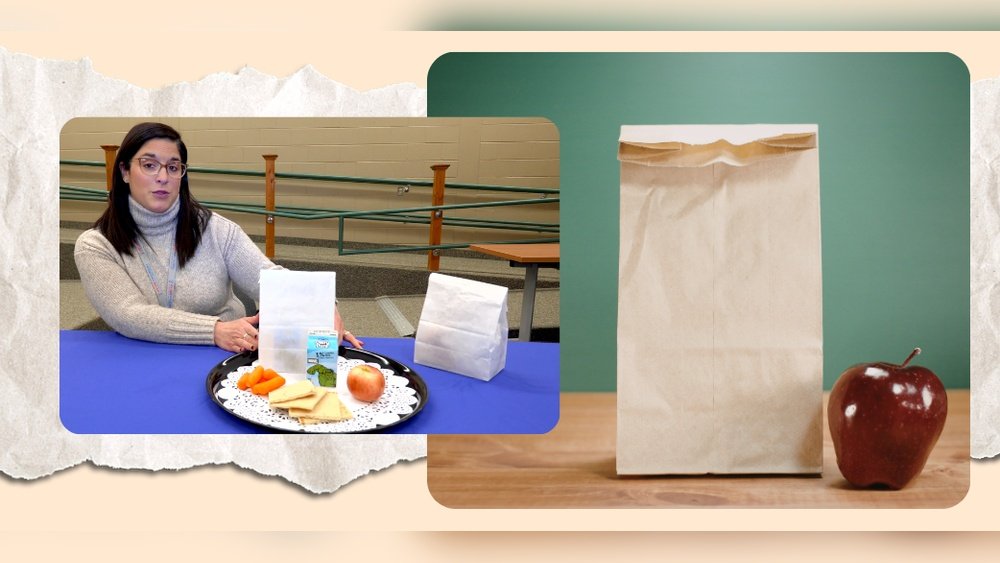
Looking for a simple way to make your business stand out and show you care about the environment? Paper Bags Hb could be exactly what you need.
Thank you for reading this post, don't forget to subscribe!These bags aren’t just ordinary carriers—they tell your customers you value quality and sustainability. If you want to boost your brand’s image while keeping things practical and eco-friendly, keep reading. You’ll discover how Paper Bags Hb can transform your packaging and leave a lasting impression on everyone who sees them.
Benefits Of Paper Bags
Paper bags offer many advantages for daily use and business needs. They are simple, practical, and help protect the environment. Choosing paper bags supports a cleaner planet and reduces plastic waste.
People enjoy paper bags because they feel natural and safe. Paper bags are easy to carry and store. They also bring a classic look to shops and gifts.
Environmental Friendliness
Paper bags break down quickly in nature. They cause less harm to animals and plants. Using paper helps cut down plastic pollution. It lowers the risk of landfill overflow.
Reusability And Strength
Paper bags can be used many times. They hold weight well without tearing easily. This makes them perfect for groceries and gifts. Strong handles improve comfort when carrying items.
Customization And Branding
Paper bags show logos and designs clearly. Businesses can print colorful images on them. This helps attract customers and build brand trust. Custom bags look neat and professional.
Cost-effectiveness
Paper bags cost less over time. They are affordable to produce in large amounts. Using them can save money for shops. Their durability reduces the need for replacements.
Biodegradability And Compostability
Paper bags decay naturally without leaving waste. They enrich soil when composted properly. This supports healthy plant growth. They do not release harmful chemicals.
Materials Used In Paper Bags
Paper bags are popular for shopping and packaging. Their strength and eco-friendliness depend on the materials used. Different types of paper and additives affect the bag’s look and durability. Understanding these materials helps choose the right bag for each need.
Types Of Paper Used
Kraft paper is the most common material for paper bags. It is strong and tear-resistant. This paper is made from wood pulp without many chemicals. It has a natural brown color but can also be bleached white. Kraft paper holds weight well and resists moisture better than other papers.
Recycled Paper
Many paper bags use recycled paper. This material comes from old paper products, reducing waste. Recycled paper is eco-friendly and saves trees. It is often mixed with fresh pulp to keep strength. Using recycled paper lowers the environmental impact of bags.
Coatings And Additives
Some paper bags have coatings to improve water resistance. These coatings can be wax or biodegradable plastic. Additives help bags last longer and protect their contents. Coatings also make bags smoother and easier to print on.
Handles And Reinforcements
Handles are often made from twisted paper or cotton. Twisted paper handles are sturdy and blend with the bag’s look. Cotton handles provide extra comfort for carrying heavy items. Reinforced bottoms or sides use extra paper layers. This reinforcement adds strength and prevents tears.
Manufacturing Process
The manufacturing process of Paper Bags Hb involves clear, simple steps. Each step shapes the bag’s strength and appearance. The process starts with raw materials and ends with a finished bag ready for use.
Every stage focuses on quality and eco-friendliness. The goal is to produce sturdy, reusable paper bags. These bags help reduce plastic waste and support sustainability.
Raw Material Selection
The first step uses high-quality paper pulp. This pulp comes from trees or recycled paper. Choosing strong pulp ensures durable paper bags. Sometimes, additives improve paper flexibility and strength.
Pulp Processing And Sheet Formation
The pulp mixes with water to form a slurry. This slurry spreads evenly on a moving screen. Water drains out, leaving a thin wet paper layer. The layer passes through rollers to remove extra water.
Drying And Rolling
The wet paper moves to drying machines. Heat removes all moisture from the paper. After drying, the paper rolls into large sheets. These sheets are smooth and ready for bag making.
Cutting And Folding
The paper sheets cut into bag-sized pieces. Machines fold these pieces into bag shapes. Edges are glued or stitched for strength. Handles may be added at this stage.
Printing And Finishing
Printing adds logos or designs to the bags. Eco-friendly inks keep the bags safe and green. Finally, bags go through quality checks. Good bags pack, stack, and ship to stores.

Credit: www.nashvillewraps.com
Environmental Impact Compared To Plastic
Paper bags have become a popular choice for shopping and packaging. Many people choose them because they seem better for the environment than plastic bags. Understanding the environmental impact of paper bags compared to plastic helps us make smarter decisions. This section breaks down the key differences in their effects on nature and waste.
Biodegradability And Decomposition
Paper bags break down faster than plastic bags. They decompose in a few months under natural conditions. Plastic bags can take hundreds of years to degrade. This means paper bags cause less long-term pollution. They do not leave harmful microplastics behind in soil or water.
Energy And Resource Use
Making paper bags uses more energy and water than making plastic bags. Trees are cut down for paper production. Plastic bags come from oil, a non-renewable resource. Despite higher production costs, paper bags are renewable and recyclable. Plastic bags depend on fossil fuels and produce more greenhouse gases.
Waste And Recycling
Paper bags are easier to recycle than plastic bags. Many recycling centers accept paper bags without issues. Plastic bags often clog recycling machines and are less accepted. Paper bags can also be composted, turning into useful soil. Plastic bags usually end up in landfills or oceans, harming wildlife.
Recycling And Reusability
Paper bags are a smart choice for the environment. They break down easily after use. Recycling paper bags helps reduce waste in landfills. Reusing them lowers the need for new bags. Both recycling and reusability save resources and energy.
Paper Bags Hb offers bags designed to be recycled and reused. They support a cleaner planet and less pollution.
Recycling Process Of Paper Bags Hb
Paper bags from Hb are made with recyclable materials. After use, they can go to paper recycling plants. There, machines break them down into new paper fibers. This process uses less water and energy than making new bags.
Recycling these bags helps reduce tree cutting. It also cuts greenhouse gas emissions from waste.
Ways To Reuse Paper Bags Hb
Paper Bags Hb are strong and durable. People reuse them for shopping several times. They also work as storage bags or gift wraps. Creative reuse helps extend the bag’s life.
Reusing cuts down the demand for fresh bags. It saves money and reduces waste. Small acts like this help protect the environment daily.
Applications In Daily Life
Paper bags have become a common part of daily life. They offer a simple, eco-friendly alternative to plastic bags. People use paper bags in many ways every day. Their versatility and ease of use make them popular worldwide.
Paper bags come in different sizes and shapes. They work well for carrying items, storing goods, and even for crafts. This section explores how paper bags fit into everyday activities.
Shopping And Grocery Bags
Paper bags are common in shops and grocery stores. They hold fruits, vegetables, and other products. These bags are strong enough for heavy items. Many stores use paper bags to reduce plastic waste.
Food Packaging And Takeaway
Restaurants use paper bags for takeaway orders. These bags keep food fresh and easy to carry. They are safe for hot and cold items. Paper bags also help reduce single-use plastic containers.
Gift Wrapping And Party Favors
Paper bags serve as neat gift wrappers. They add a simple, natural touch to presents. People decorate these bags with ribbons or stickers. They are great for parties and small celebrations.
Storage And Organization
Paper bags help organize items at home or work. They store papers, crafts, and small tools. Labeling bags makes finding things easier. This method is budget-friendly and eco-conscious.
Arts And Crafts
Paper bags inspire creative projects for kids and adults. They can become puppets, masks, or decorations. Using paper bags for crafts promotes recycling and creativity. This activity is fun and educational.
Future Trends In Eco-friendly Packaging
Eco-friendly packaging is growing fast. Businesses and consumers want less waste and cleaner choices. Paper bags Hb leads in this green shift. New ideas keep shaping the future of packaging.
Innovation focuses on better materials, smart designs, and easy recycling. These trends help protect the planet while meeting customer needs.
Material Innovation For Stronger Paper Bags
Paper bag makers use new fibers and blends. These materials make bags stronger and water-resistant. They reduce the need for plastic coatings. This change improves recycling and lowers pollution.
Smart Packaging With Technology
Technology adds new features to paper bags. QR codes and sensors provide product info and freshness alerts. This helps shoppers make better choices. It also supports brand trust and transparency.
Designs That Improve Reuse And Recycling
Simple, clever designs extend bag life. Foldable and sturdy bags encourage reuse. Easy-to-separate parts help recycling centers process materials faster. These design changes cut waste significantly.
Use Of Plant-based Inks And Dyes
Plant-based inks replace chemical ones. They are safe for the environment and people. These inks break down quickly and do not pollute soil or water. They keep paper bags fully eco-friendly.
Growth Of Local And Small-scale Production
Local production reduces shipping emissions. Small factories offer custom, low-waste runs. This trend supports local economies and cuts carbon footprints. Consumers receive fresher, greener packaging options.

Credit: www.ebay.com

Credit: beannbeancoffee.com
Frequently Asked Questions
What Are Paper Bags Hb Used For?
Paper bags HB are mainly used for carrying groceries and small items. They are strong and eco-friendly. Many shops prefer them over plastic bags.
How Durable Are Paper Bags Hb?
Paper bags HB are quite durable due to their thick paper material. They can hold heavy items without tearing easily. Perfect for daily shopping needs.
Are Paper Bags Hb Environmentally Friendly?
Yes, paper bags HB are biodegradable and recyclable. They break down faster than plastic bags. This makes them a better choice for the planet.
Can Paper Bags Hb Be Reused?
Paper bags HB can be reused several times if kept dry. They work well for storing light items or packing. Reusing helps reduce waste.
What Sizes Do Paper Bags Hb Come In?
Paper bags HB come in various sizes from small to large. This makes them suitable for different uses. You can find options for food or retail.
How Are Paper Bags Hb Made?
Paper bags HB are made from kraft paper using machines. The process includes cutting, folding, and gluing. This gives them strength and a neat finish.
Are Paper Bags Hb Cost-effective For Businesses?
Paper bags HB are affordable and save money in the long run. They reduce plastic bag costs and improve brand image. Many businesses find them a smart choice.
Conclusion
Paper bags Hb offer a simple and eco-friendly choice for daily use. They help reduce plastic waste and protect the environment. These bags are strong, reusable, and easy to carry. Businesses and individuals can both benefit from using them. Choosing paper bags supports a cleaner, greener future.
Small changes make a big difference. Try using paper bags Hb and see the positive impact yourself.