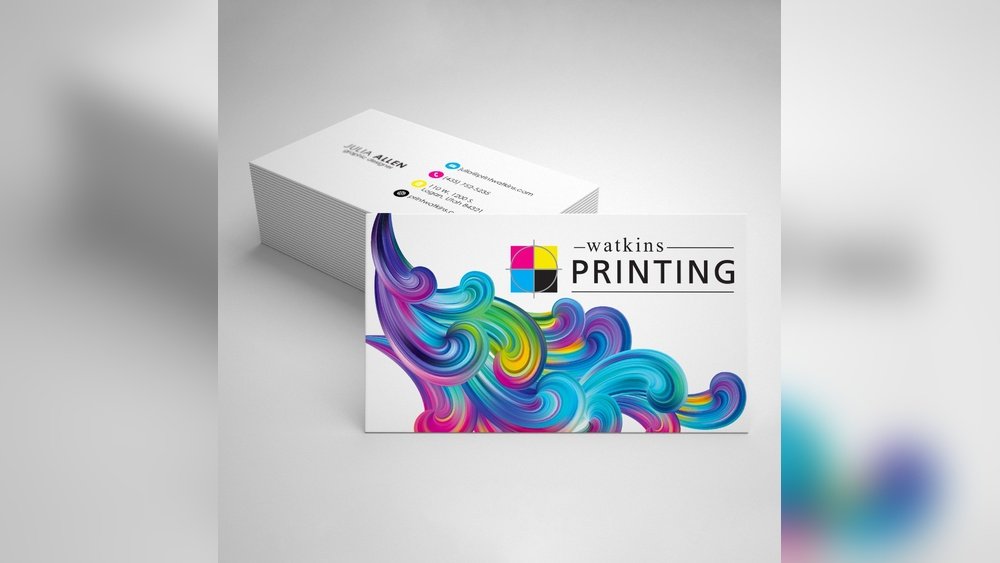
Your name card is more than just a piece of paper—it’s your first impression, your silent ambassador, and a powerful tool to grow your network. When you get the printing and design just right, your card can grab attention, spark conversations, and make you unforgettable.
Thank you for reading this post, don't forget to subscribe!But how do you create a name card that truly stands out and reflects your style and professionalism? This article will guide you through the key steps and insider tips to help you design and print name cards that leave a lasting impact.
Keep reading to discover how to turn your name card into your most effective marketing asset.
Credit: brandpacks.com
Purpose Of Name Cards
Name cards play a key role in business and personal branding. They offer a simple way to share your identity and contact details. A well-designed name card leaves a strong impression. It shows professionalism and helps people remember you. Name cards serve several important purposes. They go beyond just sharing information. They help build trust and open doors to new connections.
Building Professional Identity
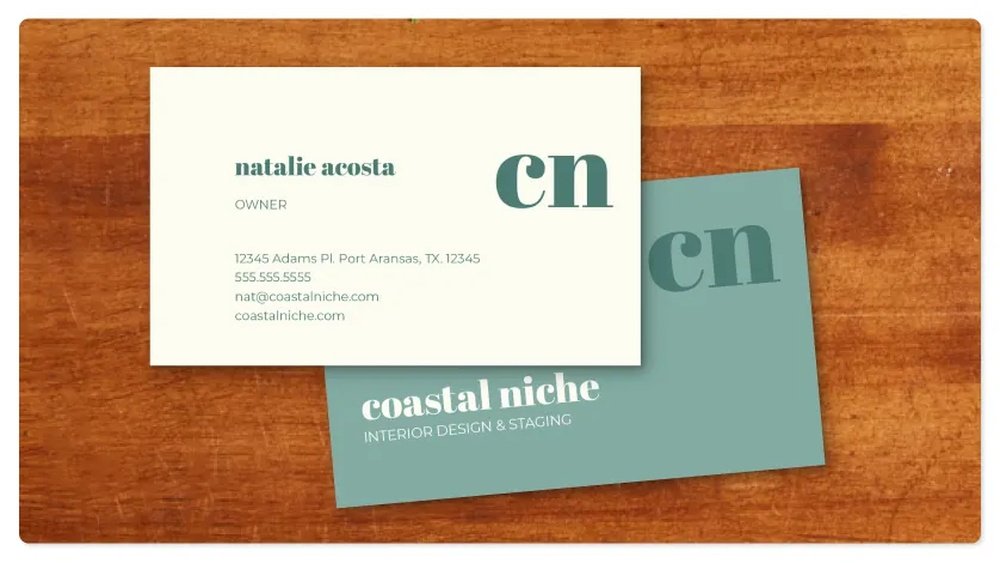
Name cards show who you are in a clear, visual way. They include your name, job title, and company. This information builds your professional image. A neat design reflects your style and values. People see your card and get a sense of your work. It makes you stand out in meetings and events. A good name card signals that you take your work seriously.
Networking And Contact Sharing
Name cards make sharing contact details easy and quick. You can give your card to new contacts instantly. It avoids mistakes that happen when sharing numbers by phone. People keep your card to remember you later. It helps start conversations and build new relationships. Name cards are a handy tool for growing your network. They keep your information ready whenever you meet someone new.
Key Design Elements
Key design elements shape the look and feel of a name card. They help make a strong first impression. Clear and smart design shows professionalism and care. Each element works together to create a balanced and easy-to-read card.
Choosing The Right Layout
The layout controls where each piece of information goes. Keep the design simple and organized. Use space wisely to avoid clutter. Important details like your name and contact must stand out. Align text and logos neatly. A clean layout helps readers find info fast.
Typography Tips
Select fonts that are easy to read. Avoid too many font styles on one card. Use one or two fonts max. Choose sizes that highlight key details like your name. Keep text color clear against the background. Proper spacing between letters and lines improves clarity.
Color Schemes And Branding
Colors show your brand’s personality and mood. Pick colors that match your logo and brand style. Use contrasting colors for text and background. This makes the card readable. Limit the number of colors to keep the look neat. Consistent colors build trust and recognition.
Material Options
Choosing the right material for name card printing and design shapes the first impression. The feel, look, and durability matter a lot. Different materials suit different styles and needs. Understanding your options helps you pick the best fit.
Paper Types And Finishes
Paper is the most common choice for name cards. It comes in many types. Matte paper gives a smooth, non-shiny look. It feels soft and looks clean. Glossy paper shines and catches the eye. It makes colors pop but can reflect light.
Textured paper adds a unique touch. Linen and cotton papers have fine patterns. They feel rich and premium. Thick paper feels sturdy and strong. Thin paper is lighter but less durable.
Finishes protect the paper and improve style. UV coating makes cards shiny and tough. Soft-touch finish feels velvety and elegant. Spot UV highlights specific areas with gloss. These finishes make the card stand out.
Alternative Materials
Beyond paper, many materials offer uniqueness. Plastic cards are waterproof and long-lasting. They look modern and smooth. Clear plastic adds a cool, see-through effect. Metal cards feel solid and luxurious. They last long and impress with weight.
Wooden cards bring a natural, earthy vibe. They are eco-friendly and distinctive. Kraft cards use recycled materials and have a rough texture. They appeal to green businesses.
Fabric cards are soft and different. They can include woven or printed designs. These materials make your name card memorable and special.
Printing Techniques
Printing techniques shape the look and feel of name cards. Choosing the right method affects quality and cost. It also impacts how your card stands out. Understanding different printing options helps you pick the best fit for your needs.
Digital Vs. Offset Printing
Digital printing uses modern printers to print directly from a digital file. It is fast and ideal for small batches. Colors appear bright, and changes can be made easily. This method is cost-effective for short runs.
Offset printing uses plates to transfer ink onto paper. It suits large orders and produces sharp images. The setup takes longer but lowers the cost per card on big runs. Offset printing offers high detail and color accuracy.
Special Effects And Embellishments
Special effects add style and texture to name cards. Foil stamping creates shiny metallic areas that catch the eye. Embossing raises parts of the card for a 3D effect. Spot UV coating highlights sections with a glossy finish. These techniques make cards memorable and unique.
Customization Ideas
Customization makes your name card stand out. It shows your style and professionalism. A well-designed card leaves a strong impression. Simple ideas can create unique and memorable cards. Below are some easy ways to customize your name card.
Incorporating Logos And Icons
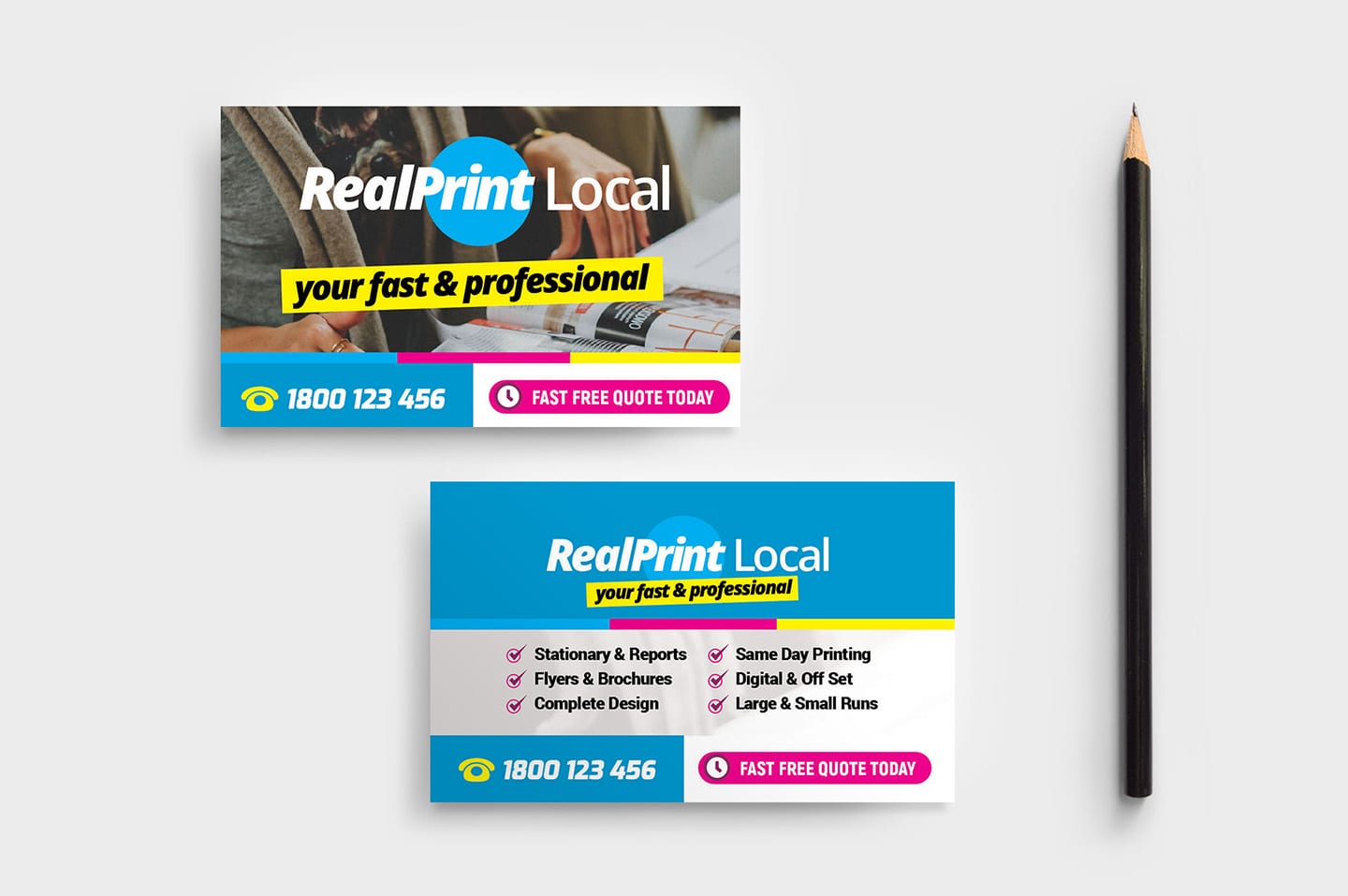
Adding a logo helps people recognize your brand quickly. Choose a clear and simple logo for the card. Icons can replace words and save space. Use icons related to your work or industry. Keep them small but visible for a clean look. This helps your card look modern and professional.
Unique Shapes And Sizes
Standard cards are often boring and easy to forget. Try different shapes like circles, squares, or rounded edges. Unusual sizes catch attention and fit better in wallets. Make sure the shape fits your brand style. Unique cards stand out on desks and in cardholders. They invite people to take a closer look.

Credit: www.freepik.com
Common Mistakes To Avoid
Designing and printing name cards seems simple but many make big mistakes. These errors hurt the card’s look and purpose. Avoiding common pitfalls helps create a clear, strong impression. Focus on key details that matter the most.
Overcrowding Information
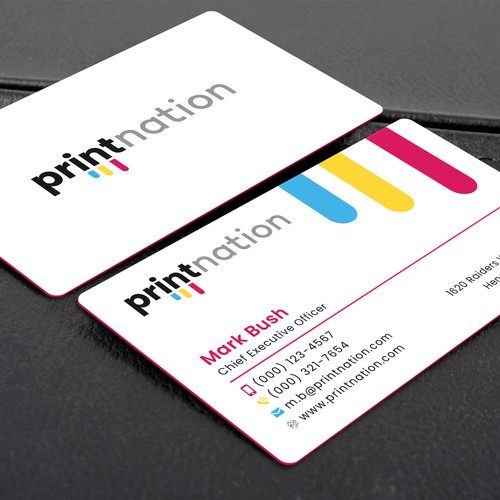
Too much text clutters the card. People can’t find what they need fast. Include only essential details like name, job title, phone, and email. Leave enough blank space to keep the design clean. Crowded cards look messy and confuse readers.
Ignoring Readability
Small fonts and fancy styles reduce readability. Choose simple fonts that are easy to read. Use font sizes that stand out without overwhelming the space. Make sure colors contrast well between text and background. Clear text keeps the message strong and easy to understand.
Trends In Name Card Design
Name cards remain essential in business and networking. Their design evolves with trends that focus on style and function. New trends highlight simplicity and care for the environment. These trends help cards stand out and leave a strong impression.
Minimalist Styles
Minimalist name cards use clean lines and simple fonts. They avoid clutter and keep only key information. White space is important to create a neat look. This style feels modern and professional. It helps the reader focus on the name and contact details easily.
Eco-friendly Materials
Eco-friendly materials are popular in name card printing. Recycled paper and biodegradable options reduce environmental impact. Some cards use plant-based inks and natural fibers. This choice shows care for the planet and attracts eco-conscious clients. It also adds a unique texture and feel to the card.
Tips For Effective Distribution
Distributing name cards effectively boosts your chances to connect and grow your network. Good timing and place matter a lot. Also, keeping your cards in great shape shows professionalism. Follow these tips to share your cards smartly and leave a strong impression.
When And Where To Share Cards
Choose moments when people are open to talk. Business meetings, conferences, and workshops are perfect. Social events and casual meetups also work well. Hand your card after a good conversation. Avoid giving cards too early or too late. Look for chances where exchange feels natural.
Maintaining Card Quality
Keep your cards clean and neat. Store them in a solid cardholder. Bent or dirty cards can hurt your image. Check your supply regularly to replace worn-out cards. Use sturdy paper and clear printing for durability. A fresh, sharp card shows you care.
Credit: 99designs.com
Frequently Asked Questions
What Is The Best Size For Name Card Printing?
The standard name card size is 3. 5 x 2 inches. This size fits easily in wallets and cardholders. It offers enough space for essential contact details and branding. Choosing this size ensures your card looks professional and is widely accepted.
Which Materials Are Ideal For Name Card Design?
Common materials include matte, glossy, and textured paper. Premium options are plastic, metal, or recycled paper. Material choice affects durability and impression. Select based on your brand style and budget for optimal results.
How To Choose The Right Font For Name Cards?
Choose clear, legible fonts like Helvetica or Arial. Avoid overly decorative fonts that reduce readability. Font size should be between 8-12 points. Proper font choice enhances professionalism and improves information clarity.
What Information Should Be Included On A Name Card?
Include your name, job title, company name, phone number, email, and website. Adding social media handles is optional but beneficial. Ensure the layout is clean and uncluttered to maintain readability.
Conclusion
Name card printing and design shape first impressions. A clear, simple design helps others remember you. Quality paper and colors show professionalism. Personal details must be easy to read and correct. Your card speaks for your business silently. Choose styles that fit your brand well.
Small details make a big difference. Keep designs neat and avoid clutter. A good name card opens doors and starts talks. Invest time to create cards that truly represent you.