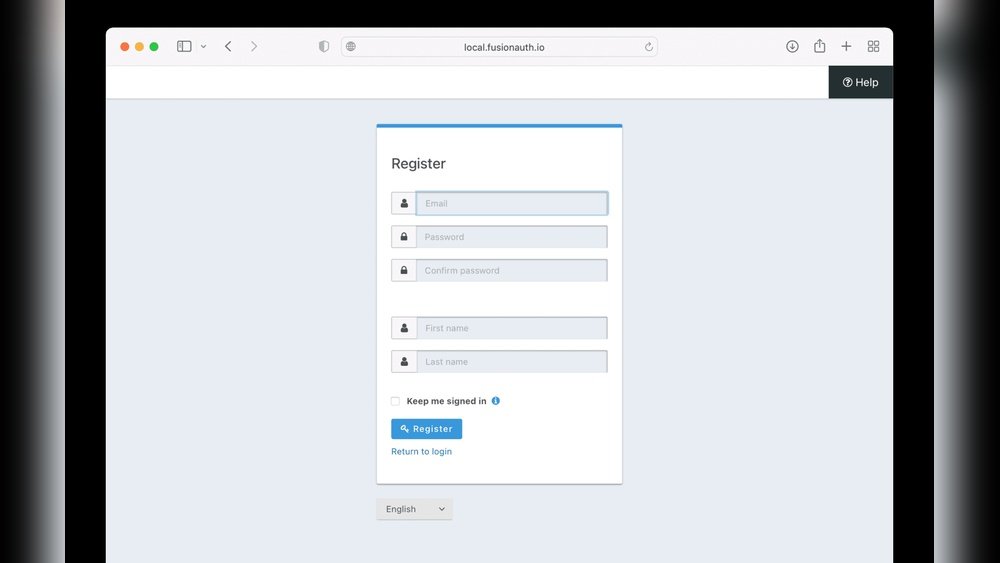
Are you looking to create a smooth and secure way for people to join your website or app? User registration is the key.
Thank you for reading this post, don't forget to subscribe!It’s more than just a form—it’s the first step your visitors take to become loyal users. When done right, it makes your audience feel welcomed and confident to share their information. But if it’s confusing or slow, you risk losing them before they even start.
You’ll discover simple strategies to make your user registration process easy, fast, and trustworthy. Keep reading to learn how to turn visitors into happy members with just a few smart tweaks.
Benefits Of Streamlined Registration
Streamlined user registration makes signing up fast and simple. It cuts down the time users spend filling forms. This ease encourages more people to join your site or app.
Less hassle means fewer users drop off during signup. A smooth process builds trust and improves user experience. It also helps collect accurate data without confusion.
Improved User Experience
Simple registration forms keep users happy. They avoid frustration from too many questions. Quick signup invites users to explore your services faster.
Higher Conversion Rates
Easy registration increases the number of completed signups. Users prefer forms that ask only for key information. This reduces abandonment and grows your user base.
Better Data Quality
Clear and concise forms reduce errors in user input. Users understand what details to provide. This leads to cleaner, more reliable data for your system.
Reduced Support Requests
Straightforward registration lowers confusion and mistakes. Fewer errors mean fewer calls or emails for help. Your support team can focus on more complex issues.
Enhanced Mobile Accessibility
Short forms work well on small screens. Users can sign up easily from phones or tablets. This accessibility widens your reach to mobile users.

Credit: wedevs.com
Simplifying The Sign-up Process
Simplifying the sign-up process helps users join your site quickly. A smooth registration keeps visitors interested. It reduces the chance they leave before finishing. Easy sign-up forms build trust and improve user experience. Small changes can make a big difference in user satisfaction.
Reducing Form Fields
Only ask for essential information during sign-up. Long forms can feel overwhelming and slow. Short forms save time and reduce errors. Users prefer quick steps with fewer questions. Ask for extra details later, after sign-up.
Using Social Media Logins
Allow users to sign up with social media accounts. This method speeds up registration. Users avoid creating new passwords. It also lowers the chance of forgotten login details. Social logins make sign-up simple and familiar.
Design Tips For Registration Pages
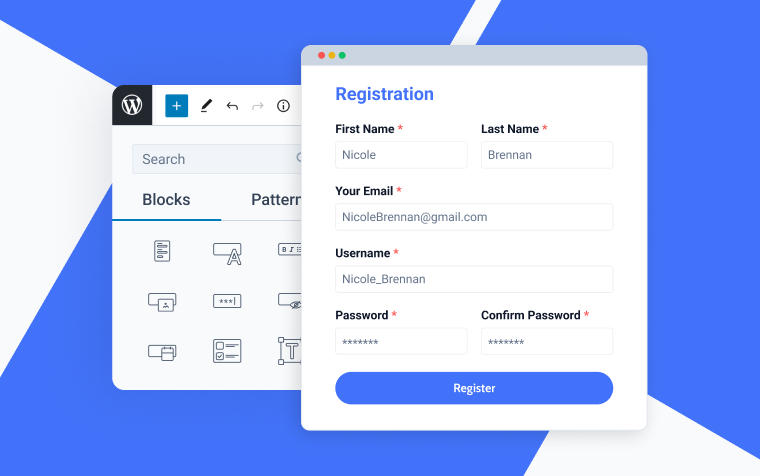
Designing registration pages needs care and focus. A well-designed page helps users sign up quickly. It reduces confusion and stops users from leaving.
Simple design improves the user experience. It makes the process smooth and fast. Clear buttons and mobile-friendly layouts are key parts.
Clear Call-to-action Buttons
Call-to-action buttons guide users to complete registration. They must stand out on the page. Use bright colors that contrast with the background.
Text on buttons should be short and clear. Words like “Sign Up” or “Join Now” work best. Place buttons where users expect them, usually at the bottom.
Mobile-friendly Layouts
Many users register from phones or tablets. Pages must look good and work well on small screens. Use large fonts and buttons for easy tapping.
Keep forms simple and avoid clutter. Test the page on different devices. Fast loading times improve user satisfaction.
Credit: jetformbuilder.com
Incentives That Encourage Sign-ups
Incentives play a big role in getting users to sign up. They give people a reason to join and stay connected. Good incentives make the sign-up process feel rewarding right away. This helps build trust and interest in your site or app.
Offering clear benefits encourages more users to register. The key is to provide something valuable and easy to understand. Users want to feel that signing up will help them save money, try new things, or get special treatment.
Exclusive Offers
Exclusive offers give users special deals not available to others. These could be discounts, early access, or members-only sales. People like feeling part of a select group. This feeling pushes many to create an account.
Exclusive offers also make users check back more often. They want to see new deals and offers just for them. This keeps users active and engaged on your platform.
Free Trials And Samples
Free trials let users try your product without paying first. This lowers the risk and builds confidence in your brand. People can see the value before committing to a purchase.
Samples work well too. They give a taste of what you offer. Small, free items encourage users to sign up and explore more. Both free trials and samples create trust and interest quickly.
Enhancing Security And Privacy
Enhancing security and privacy in user registration is crucial for any website. It protects users’ personal data and builds a safe online environment. Strong security measures reduce risks of data theft and fraud. Privacy ensures users feel confident sharing their information. Both are key to a trusted user experience.
Data Protection Best Practices
Use strong encryption to protect user data. Store passwords with hashing and salting methods. Limit access to sensitive information only to authorized staff. Regularly update software to fix security flaws. Implement two-factor authentication for extra login security. Monitor and log access to detect unusual activity fast. Back up data securely to prevent loss from attacks.
Building User Trust
Clearly explain how you collect and use data. Show privacy policies in simple and clear language. Allow users to control their information and preferences. Respond quickly to security concerns and questions. Show that your site uses secure connections with HTTPS. Being transparent helps users feel safe and valued.
Using Analytics To Improve Sign-ups
Using analytics to improve sign-ups helps you understand user actions clearly. It shows which parts of your registration process work well and which do not. Data guides smart changes, making sign-ups easier and faster for users.
Tracking User Behavior
Tracking user behavior reveals how visitors interact with your sign-up forms. You can see where users stop or leave the page. This data points out problems like confusing fields or slow loading times. Knowing this helps you fix issues and reduce drop-offs.
A/b Testing Registration Elements
A/B testing compares two versions of your sign-up form to find the better one. Test different button texts, colors, or field layouts. This method shows which version users prefer and complete more often. Small changes can lead to more successful registrations.
Common Pitfalls To Avoid
User registration is a key step for many websites. It helps build user profiles and keeps users engaged. Yet, many sites make mistakes that hurt the user experience. Avoiding common pitfalls can improve registration success.
Focus on simplicity and listen to your users. Small changes can make a big difference. Here are two common mistakes to watch out for.
Overcomplicating Forms
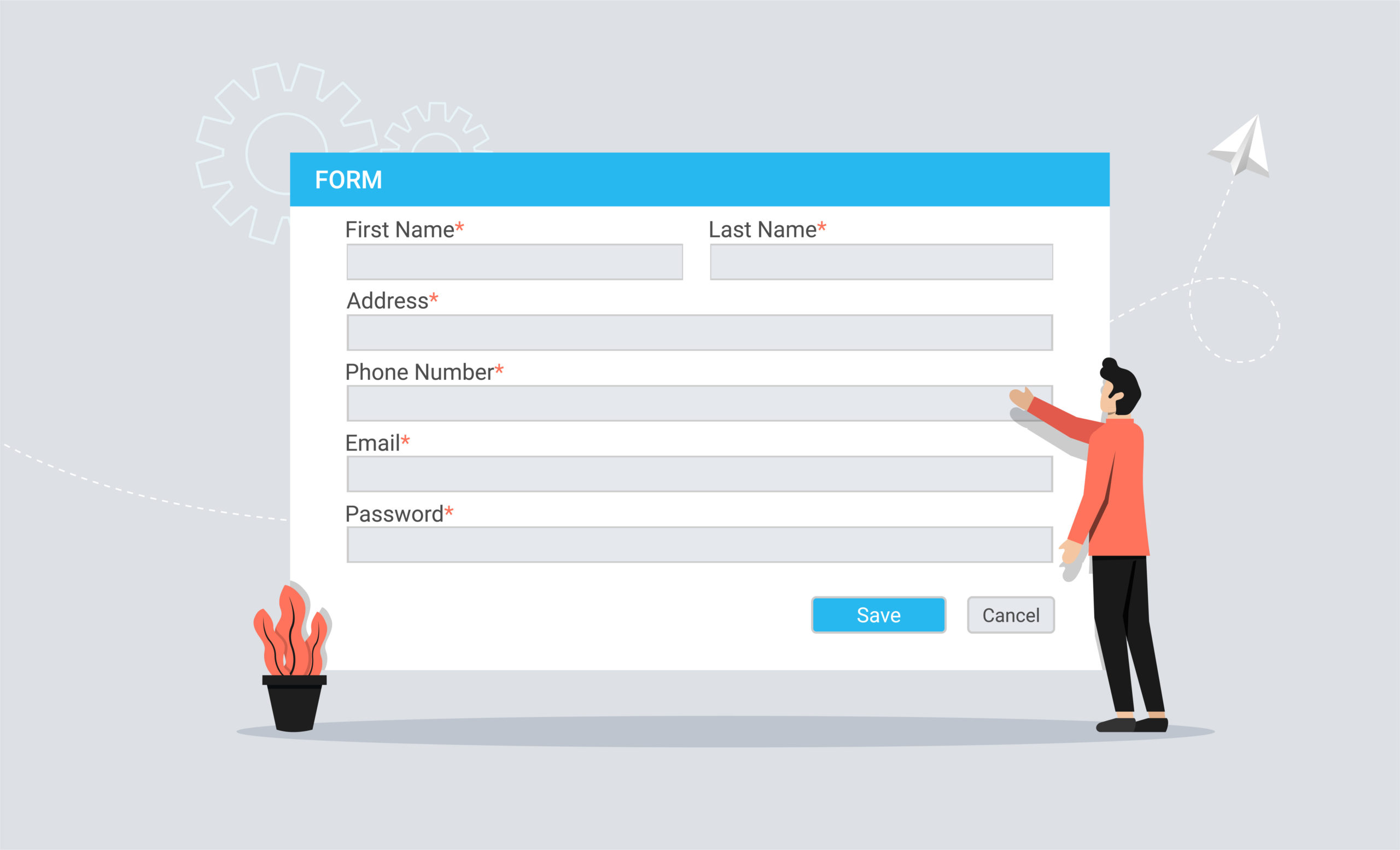
Long, complex registration forms discourage users. Asking for too much information upfront feels overwhelming. Users want to register quickly and easily.
Keep forms short and only ask for essential details. Use clear labels and simple input fields. Break long forms into smaller steps if needed. Avoid confusing terms or extra questions that are not necessary.
Ignoring User Feedback
User feedback reveals real problems in the registration process. Ignoring it means missing opportunities to improve. Users may face errors, unclear instructions, or slow loading times.
Collect feedback through surveys or support channels. Act on common complaints and suggestions. Testing your form with real users helps find issues early. A smooth registration creates a better first impression.
Credit: kaliforms.com
Frequently Asked Questions
What Is User Registration In Websites?
User registration is the process where users create accounts on a website. It helps websites identify and manage users.
Why Is User Registration Important For Websites?
User registration lets websites offer personalized experiences and secure access. It also helps track user activity.
How Do Users Create An Account During Registration?
Users enter details like name, email, and password on a form. Then, they submit it to register.
What Information Is Usually Required For User Registration?
Common info includes name, email, password, and sometimes phone number. This helps verify and contact users.
How Can Websites Ensure Secure User Registration?
Websites use encryption and password rules to protect data. They may also add email or phone verification.
Can Users Register Using Social Media Accounts?
Yes, many sites offer social login options like Facebook or Google. This makes registration faster and easier.
What Should Users Do If They Forget Their Password?
Users can click “Forgot Password” to reset it. A link or code is sent to their email or phone.
Conclusion
User registration helps websites connect with their visitors easily. It makes the process simple and quick. Users can save their information for future visits. Sites can offer better services by knowing their users. Security remains important to protect user data.
Clear forms and easy steps improve user experience. Keep registration simple to avoid losing visitors. Good user registration supports growth and trust. It benefits both users and website owners. A smooth registration process encourages people to join.