Have you ever wondered about the perfect size for your visiting card? Knowing the exact visiting card size in mm can make a huge difference in how professional and memorable your card looks.
Thank you for reading this post, don't forget to subscribe!Your visiting card is more than just contact information—it’s a powerful tool to leave a lasting impression. You’ll discover the ideal dimensions that fit both style and practicality. Keep reading to find out how the right size can boost your personal or business image instantly.
Standard Visiting Card Sizes
Visiting cards serve as a quick way to share your contact information. Their size matters for easy storage and neat presentation. Standard sizes help keep your card professional and convenient to carry.
Common Dimensions In Millimeters
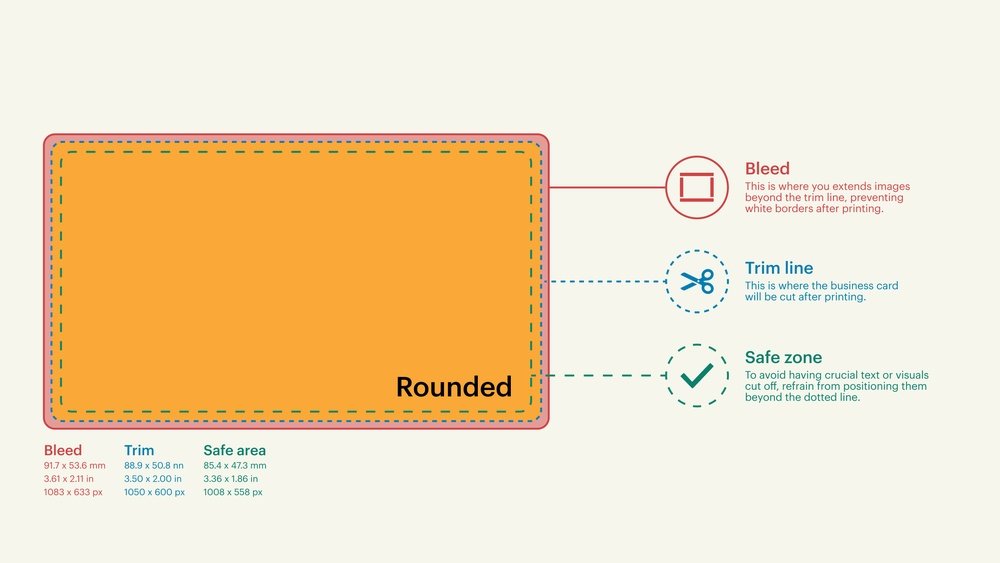
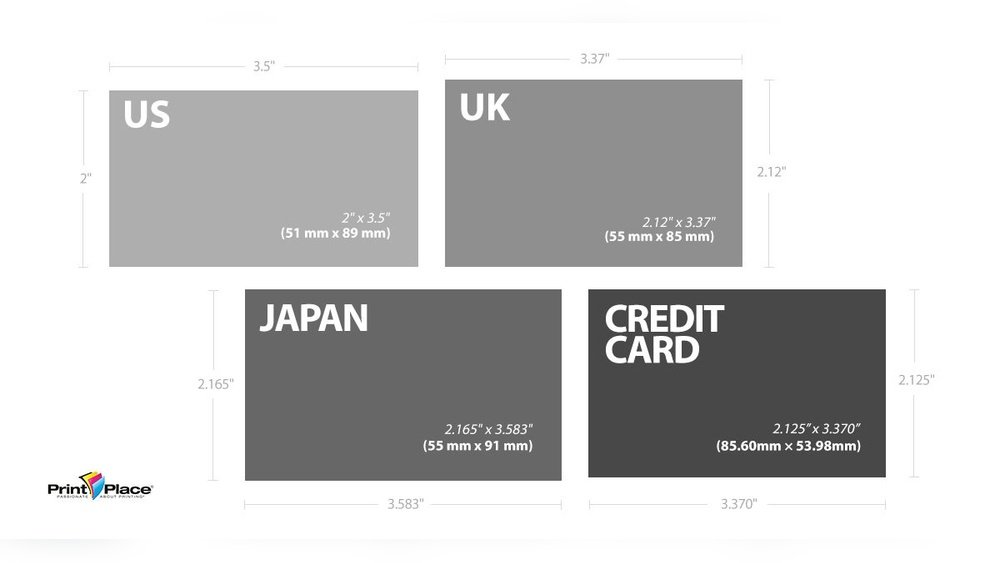
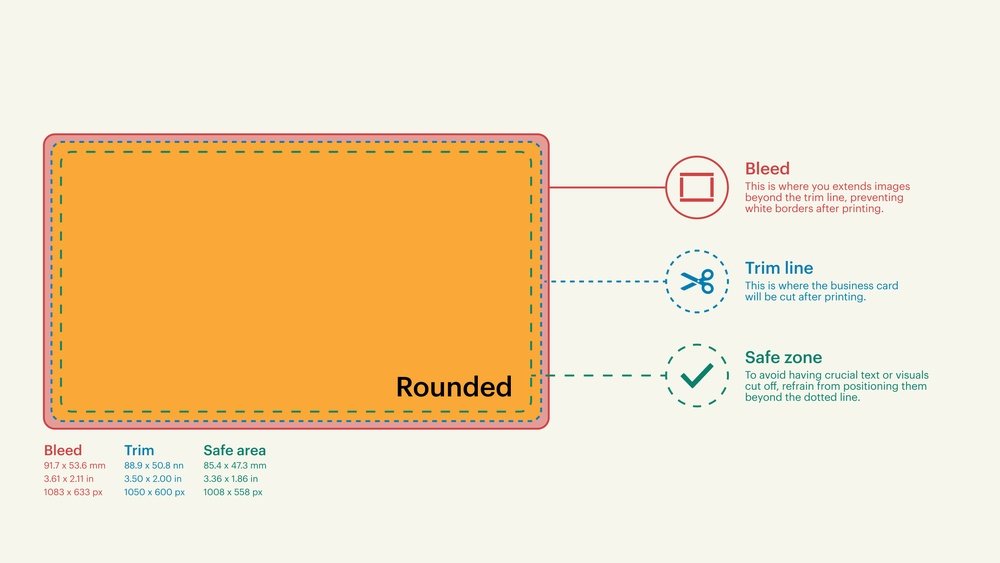
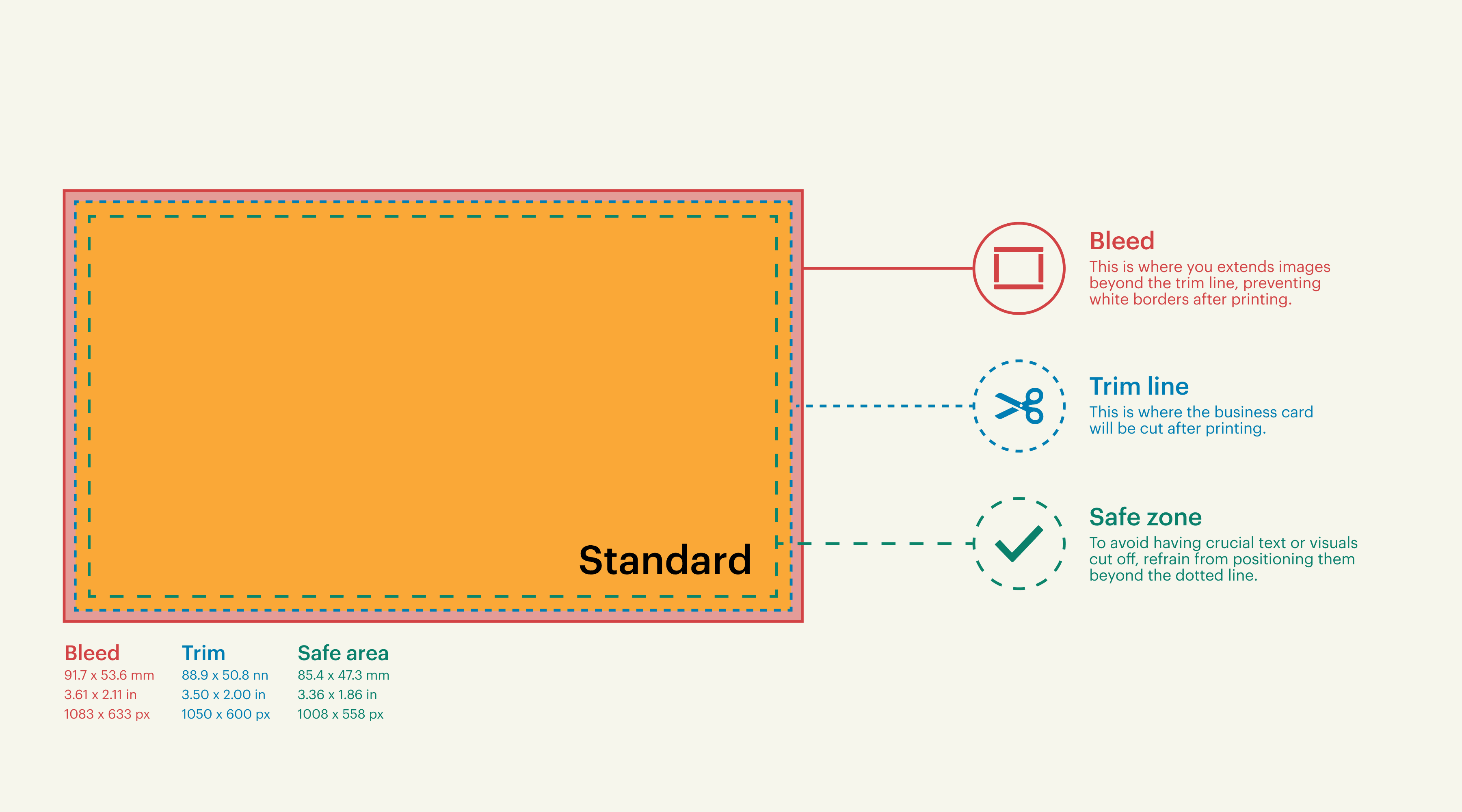
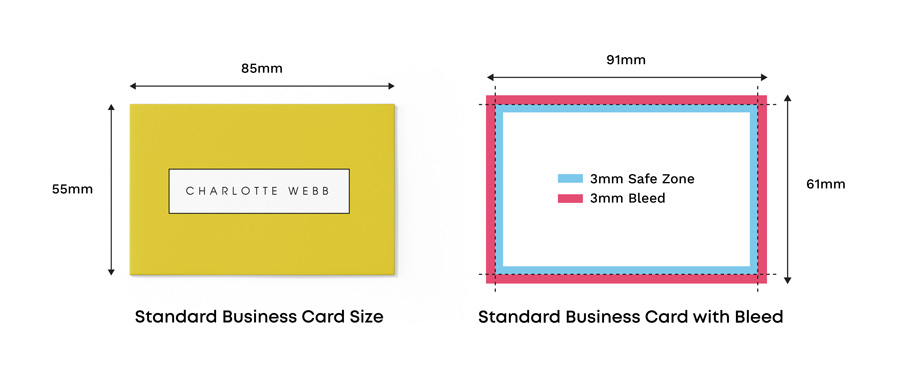
The most common visiting card size is 90 mm by 50 mm. This size fits well in wallets and cardholders. Another popular size is 85 mm by 55 mm. It is slightly wider and offers more space for design. Both sizes suit most printers and design templates.
Variations By Region
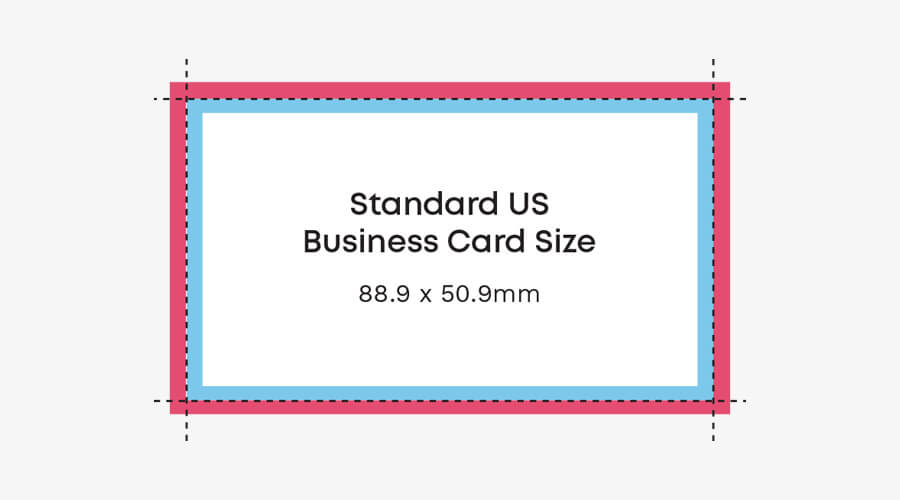
Visiting card sizes vary depending on the region. In North America, 89 mm by 51 mm is typical. European cards often measure 85 mm by 55 mm. Asian countries like Japan prefer smaller cards, around 91 mm by 55 mm. Knowing these differences helps when designing cards for international use.
Choosing The Right Size
Choosing the right visiting card size is important. The size affects how people see your card and remember you. It also changes how much information you can add. The size must fit your style and the message you want to share.
Standard sizes vary by region, but knowing the size in millimeters helps you plan better. The right size makes your card easy to carry and look at. It also makes your design clear and neat.
Considerations For Design And Content
Design and content depend on card size. Small cards need less information. Use simple text and clear fonts. Big cards allow more details and images. Keep important info easy to find and read.
Think about your brand colors and logo size. Make sure they fit well on the card. Avoid clutter by leaving enough space around text and images. A clean design looks professional and invites interest.
Balancing Portability And Impact
Portability means the card fits in wallets or pockets easily. A very large card may not fit well. A small card might be easy to lose or forget. Choose a size that people can carry comfortably.
Impact means the card stands out. A unique size or shape can catch attention. But it should still feel familiar and professional. Balance size with look to make a good impression.
Custom Dimensions And Trends
Custom dimensions for visiting cards allow unique personal and business expression. They break the usual size limits, offering a fresh way to stand out. Choosing custom sizes can reflect your brand’s personality and grab attention quickly.
Different shapes and sizes can make your card memorable. It also shows creativity and thoughtfulness in design. This section explores popular trends and creative ideas in visiting card dimensions.
Creative Shapes And Sizes
Traditional cards are usually rectangular, but creativity has no bounds. Square cards, circular ones, or even die-cut shapes are gaining popularity. Some use rounded corners or foldable designs to add interest.
Small cards, like 50 mm by 90 mm, fit easily in wallets. Larger cards, such as 90 mm by 60 mm, offer more space for information. Unusual shapes can represent your business style or industry perfectly.
Current Industry Trends
Minimalism is a key trend in visiting card design. Clean layouts with essential information stand out more. Matte finishes and soft-touch materials add a premium feel without extra size.
Eco-friendly cards made from recycled paper are in demand. Transparent or metallic cards catch the eye and feel modern. Bold typography and color contrasts help cards remain visible and easy to read.
Credit: www.vistaprint.com
Printing And Material Effects
Printing and material choices greatly affect how a visiting card looks and feels. Small changes in size can change the print quality. The material can also change the card’s texture and durability. Understanding these effects helps create a better card.
How Size Influences Print Quality
The size of a visiting card in mm affects print sharpness. Smaller cards may cause details to blur. Text can become hard to read if too small. Larger cards give more space for clear printing. Printers work best with standard sizes for sharp results. Choosing the right size helps keep the design clean and readable.
Material Choices And Their Impact
Materials change the card’s look and feel. Thick paper feels sturdy and lasts longer. Thin paper is cheaper but can tear easily. Matte finish reduces glare and looks smooth. Glossy finish makes colors bright and shiny. Textured paper adds a unique touch but may affect print clarity. Picking the right material helps match the card’s purpose and style.
Practical Tips For Designers
Designing a visiting card requires careful thought about size and layout. Small cards must still deliver important information clearly. Practical tips help designers create cards that look good and work well.
Focus on clear text and smart use of space. These tips improve both style and function.
Ensuring Readability
Choose simple fonts that are easy to read. Avoid using fonts smaller than 7 points. Leave enough space between lines and letters. Contrast between text and background is important. Dark text on a light background works best. Avoid too many colors that distract the eye. Keep information short and to the point. Clear readability makes a card more effective.
Optimizing Space And Layout
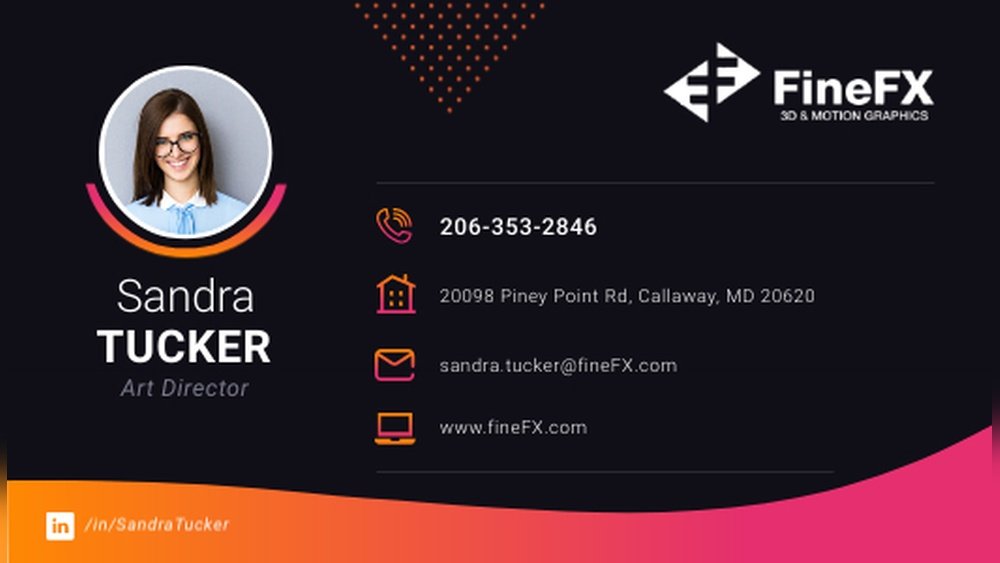
Use the card’s size wisely. Arrange important details like name and contact first. Group related information together. Leave some empty space to avoid clutter. Align text neatly for a clean look. Use icons to save space and guide the eye. Test your layout by printing a sample. Proper space use helps the card feel balanced and professional.
Credit: www.instantprint.co.uk
Credit: www.instantprint.co.uk
How IOKPRINT Can Help You with Visiting Card Size in Mm
Practical Learning Through Visiting Card Sizes in mm
Understanding the standard visiting card size in millimeters is more than just a technical detail—it offers a valuable learning opportunity for designers and professionals alike. When choosing the right size, considering dimensions such as 90 x 54 mm (a common standard) helps maintain consistency and ensures compatibility with wallets and cardholders.
Exploring custom dimensions and trends also broadens creative thinking, allowing one to experiment with unique formats while balancing usability. This practical approach ties closely with selecting appropriate printing materials and finishes, as these factors influence both aesthetics and durability.
- Measure and compare standard sizes to appreciate subtle differences.
- Test how material choices affect the card’s feel and presentation.
- Consider real-world application by reviewing bulk printing options and delivery timelines.
For further insights or to review physical samples, websites like www.iokprint.in provide detailed information on business card options, including quantities and material specifications. Reaching out to their support can also help clarify how size choices impact printing outcomes.
Frequently Asked Questions
What Is The Standard Visiting Card Size In Mm?
The standard visiting card size is usually 85 mm by 55 mm. This size fits most card holders and wallets easily. It is widely used worldwide for business cards.
Why Is Visiting Card Size Important In Mm?
Visiting card size affects how your card fits in holders and wallets. A standard size ensures it looks professional and is easy to carry. It also helps in printing and design consistency.
Can Visiting Card Sizes Vary By Country In Mm?
Yes, visiting card sizes can vary by country. For example, Japan uses smaller cards around 91 mm by 55 mm. It is good to know local sizes when designing cards.
How To Choose The Right Visiting Card Size In Mm?
Choose a size that fits standard card holders, usually 85 mm by 55 mm. Think about your design and how much information you want to show. The right size keeps your card neat and easy to read.
Are Custom Visiting Card Sizes In Mm A Good Idea?
Custom sizes can make your card stand out but may not fit all holders. They might cost more to print and store. Stick to standard sizes for easy use and lower cost.
Conclusion
Visiting card size in mm matters for a clear, professional look. Standard sizes help your card fit wallets and holders easily. Small changes in size can affect how people see your brand. Choose a size that suits your style and needs.
Remember, simple and neat cards leave a strong impression. Keep your design clean and your message clear. A well-sized card helps you connect with others better.