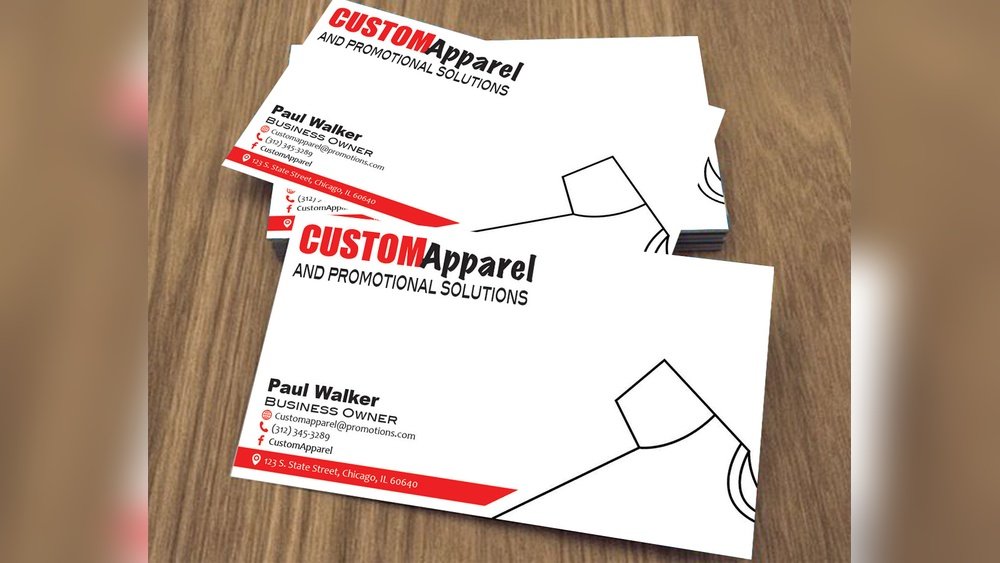
Your business card is more than just a piece of paper—it’s your first chance to make a lasting impression. If you want your card to stand out and truly represent your brand, screen printing can take it to the next level.
Thank you for reading this post, don't forget to subscribe!Imagine vibrant colors, unique textures, and eye-catching designs that grab attention the moment someone sees your card. In this post, you’ll discover creative screen printing business card ideas that help you leave a memorable mark. Ready to make your cards impossible to ignore?
Keep reading to find the inspiration you need.
Credit: www.alamy.com
Unique Design Concepts
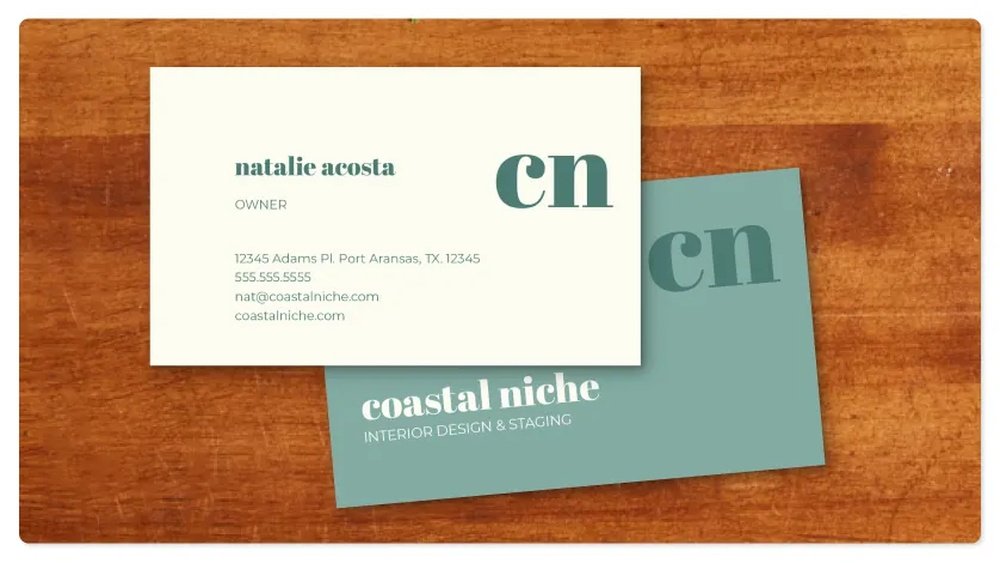
Unique design concepts make screen printed business cards stand out. They create a strong first impression. These designs reflect your brand personality clearly. Choosing the right style helps your card be memorable. Here are some creative ideas to consider.
Minimalist Styles
Minimalist designs use simple shapes and limited colors. This style keeps the card clean and easy to read. White space is important to avoid clutter. Fewer details let key information shine. Minimalism shows professionalism and modern taste.
Bold Typography
Bold typography grabs attention quickly. Large, thick fonts make names or titles pop. Contrast between text and background boosts readability. Use unique fonts to express your brand’s voice. Bold text adds energy and confidence to your card.
Illustrative Elements
Illustrations add personality and charm to cards. Hand-drawn or digital art can show creativity. Small icons or custom drawings connect with your business theme. These visuals make your card fun and unique. Illustrations help tell your brand’s story visually.
Credit: www.alamy.com
Material Choices
Choosing the right material for screen printing business cards affects the final look and feel. The material sets the tone for your brand. It can make your card stand out or blend in. Picking good material helps show quality and care in your work.
Recycled Paper Options
Recycled paper is eco-friendly and popular. It often has a natural, rough texture. This gives cards a unique, earthy look. Using recycled paper shows care for the environment. It appeals to customers who value green products. These papers can handle screen printing well. Colors appear soft but clear on recycled stock.
Textured Stocks
Textured stocks add depth to your cards. They can have patterns like linen, felt, or canvas. These textures create a tactile experience. It makes your card more memorable to touch. Textured cards work well with bold ink colors. They show detail and quality in printing. These stocks suit creative or luxury brands.
Specialty Materials
Specialty materials include plastic, metal, and wood. Plastic cards are durable and water-resistant. Metal cards give a sleek, modern look. Wood cards offer a rustic, natural feel. Each material changes how ink appears. Screen printing adapts well to these surfaces. Specialty materials make your card hard to forget.
Color Techniques
Color plays a big role in screen printing business cards. It grabs attention and shows your style. Using the right color technique can make your card stand out. It can also show the quality of your brand.
Different color methods offer unique looks and effects. Some colors shine bright, some look rich and deep. Choosing the right color style depends on your message and design.
Spot Colors
Spot colors use one solid color at a time. They give bold and clear results. This method helps keep colors bright and sharp. Spot colors are easy to match with your brand’s palette.
This technique works well for simple and clean designs. It also saves money because it uses fewer colors. Spot colors make your business card easy to read and professional.
Metallic Inks
Metallic inks add a shiny, metal-like finish. They look like gold, silver, or bronze on paper. This technique makes cards feel rich and special. It attracts attention and looks high quality.
Metallic inks work best for logos or small details. They give a unique touch without using many colors. These inks reflect light, making your card catch the eye.
Fluorescent Hues
Fluorescent hues are bright and glow under light. They make your card pop with vivid color. This choice is bold and perfect for creative brands. Fluorescent colors often stand out in crowded spaces.
This technique is great for modern and fun designs. It shows energy and excitement. Use fluorescent hues to make sure your card is noticed fast.
Printing Methods
Printing methods play a big role in the look and feel of screen printed business cards. Choosing the right method can make your card stand out. Each technique offers a unique texture, color, and style. Understanding these methods helps create cards that leave a strong impression.
Single Vs. Multi-color Prints
Single-color prints use only one ink color. This keeps the design simple and bold. It is cost-effective and quick to produce. Multi-color prints use two or more colors. This adds depth and detail to the design. It allows for creative and vibrant cards. Keep in mind, more colors may raise the cost.
Layering And Overprinting
Layering adds texture by printing one color over another. It creates a rich, complex look. Overprinting mixes colors directly on the card. This technique produces new shades and effects. Both methods make your card unique and eye-catching. They add a sense of style and professionalism.
Embossing And Debossing
Embossing raises parts of the card surface. It creates a 3D effect that feels nice to touch. Debossing presses the design into the card. This gives a sleek, sunken look. Both methods add texture without using ink. They make your business card stand out by touch and sight.
Creative Finishes
Creative finishes make screen printed business cards stand out. They add texture, shine, and a unique touch. These finishes create a lasting impression. They help your card feel special and different.
Matte And Glossy Coatings
Matte coatings give a smooth, non-shiny look. They reduce glare and make cards easy to read. Glossy coatings add shine and make colors pop. Both finishes protect the card and add style. Choose matte for a soft, elegant feel. Pick glossy for a bright, eye-catching look.
Foil Stamping
Foil stamping uses thin metal sheets to add shine. It creates gold, silver, or colored highlights. This finish adds luxury and richness to cards. It works well for logos, names, or borders. Foil stamping catches light and attention. It gives cards a classy, professional look.
Textured Surfaces
Textured surfaces add a tactile element to cards. They can feel rough, smooth, or patterned. This finish creates a unique sensory experience. Raised textures make important parts stand out. Textures can match your brand style. They make cards memorable and fun to touch.

Credit: www.designcrowd.com
Practical Tips
Creating screen printed business cards requires careful planning and smart choices. Practical tips help avoid common mistakes and save time. This section covers key points for better results and smooth production.
Choosing The Right Printer
Select a printer that handles screen printing well. Look for models with good ink control and sharp detail. Check if the printer supports various card thicknesses. A reliable printer ensures crisp colors and clear text. Test samples before making a final decision.
Cost Management
Screen printing costs depend on ink, paper, and labor. Buy materials in bulk to lower prices. Plan designs to use fewer ink colors. Avoid overly complex patterns that increase printing time. Track all expenses to keep the budget on track.
Environmental Considerations
Choose eco-friendly inks and recycled paper. These options reduce waste and pollution. Properly dispose of leftover ink and cleaning solvents. Save energy by running machines efficiently. Small changes help protect the environment and appeal to green-minded clients.
Frequently Asked Questions
What Makes Screen Printing Ideal For Business Cards?
Screen printing offers vibrant colors and thick ink layers that stand out. It creates a tactile, high-quality feel that enhances brand impression. This method is durable, making cards long-lasting and visually appealing, perfect for making a memorable first impression.
How Can I Customize Screen Printed Business Cards?
You can customize colors, textures, and ink thickness in screen printing. It allows for unique designs, including metallic or fluorescent inks. This flexibility helps your cards reflect your brand personality and attract attention effectively.
Are Screen Printed Business Cards Cost-effective?
Screen printing can be cost-effective for medium to large print runs. It reduces waste and offers high-quality results at lower costs per card. For small batches, initial setup costs may be higher, but quality and durability justify the investment.
What Paper Types Work Best For Screen Printing Cards?
Thicker, textured papers like cotton or recycled stock work best. These absorb ink well, enhancing color vibrancy and texture. Avoid thin or glossy papers as they may cause ink smudging or poor adhesion.
Conclusion
Screen printing business cards add a unique touch to your brand. They stand out and feel special in hand. Use bold colors and simple designs for best results. Textures and layers create a memorable look. Choose quality materials to show professionalism.
Try different shapes to catch attention. Keep your message clear and easy to read. These ideas help your cards leave a strong impression. Make your business card more than just contact info. It becomes a small piece of your brand story.