
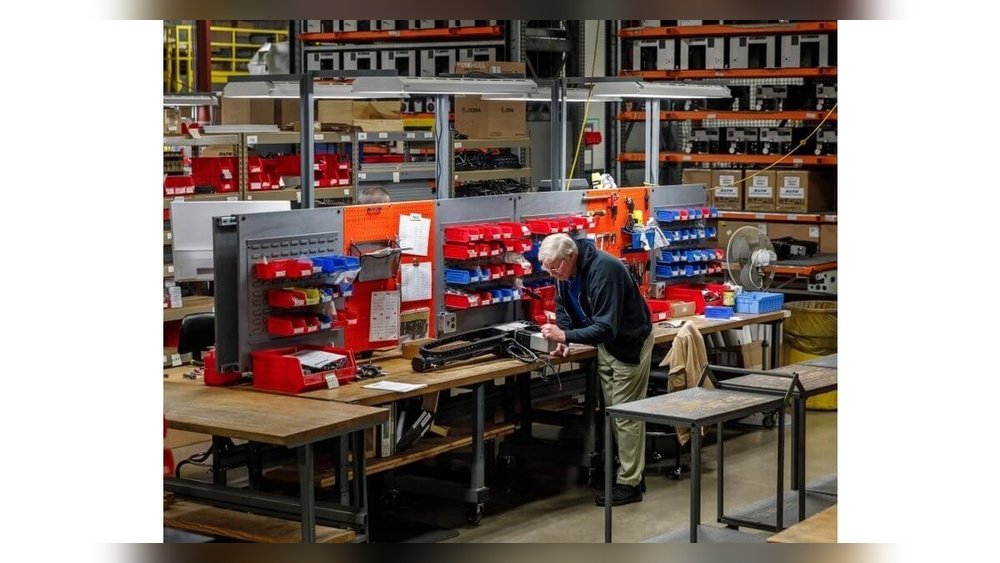
Are you struggling to keep your products organized and easily identifiable in your industrial workspace? Industrial labels might be the simple solution you need.
Thank you for reading this post, don't forget to subscribe!These tough, reliable labels can withstand harsh environments, helping you track equipment, manage inventory, and meet safety standards effortlessly. You’ll discover how choosing the right industrial labels can save you time, reduce errors, and boost your overall efficiency. Keep reading to find out what makes industrial labels essential for your business and how to pick the best ones for your needs.
Credit: x.com
Importance Of Industrial Labels
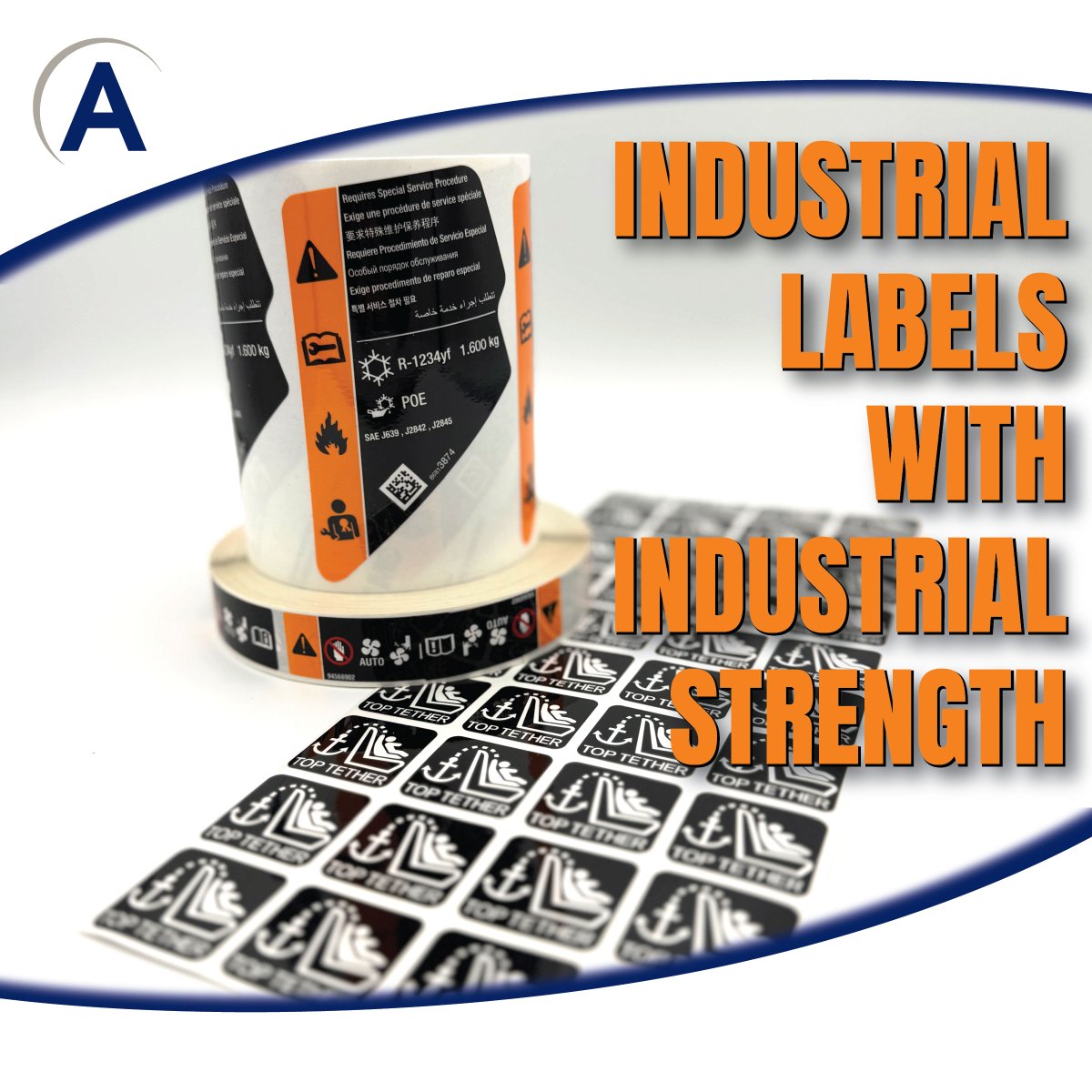
Industrial labels play a crucial role in many workplaces. They provide important information about products, machinery, and safety. Clear labels help workers understand risks and handle materials correctly. This reduces accidents and errors.
Labels also improve organization. They make it easy to find tools or parts quickly. This saves time and keeps production smooth. Without labels, confusion and delays can happen often.
Enhancing Safety In Workplaces
Industrial labels warn workers about hazards. They show which areas are dangerous. Labels on machines explain how to use them safely. This prevents injuries and keeps everyone safe.
Improving Inventory Management
Labels help track products and materials. They make it easier to count stock. Workers can see what needs restocking fast. This avoids running out of supplies.
Supporting Compliance With Regulations
Many industries have strict rules about labeling. Proper labels ensure companies follow laws. This avoids fines and legal problems. Labels show that safety and quality matter.
Boosting Efficiency And Productivity
Clear labels reduce mistakes in production. Workers spend less time searching for items. This speeds up work and lowers costs. Organized spaces help teams work better.
Materials For Harsh Conditions
Industrial labels must last in tough environments. The materials used play a big role in their strength and durability. These labels face water, heat, chemicals, and rough handling daily. Choosing the right material keeps labels clear and readable for a long time.
Each material has special traits. Some resist chemicals well, while others handle extreme heat. Understanding these helps pick the best label for harsh conditions. This protects products and equipment by keeping important information visible.
Polyester Labels
Polyester is strong and resists heat and chemicals. It works well in factories and outdoor settings. These labels don’t tear easily and stay clear over time. They stick firmly on metal, plastic, and other surfaces.
Vinyl Labels
Vinyl is flexible and water-resistant. It handles moisture and cold temperatures well. These labels suit outdoor use and wet environments. Vinyl also resists dirt and fading from sunlight.
Polypropylene Labels
Polypropylene offers good chemical and abrasion resistance. It works well for products exposed to oils and solvents. These labels hold up in rough handling and stay stuck strong. They are lighter than polyester but still durable.
Thermal Transfer Labels
Thermal transfer labels use special ribbons to print. This method creates sharp, long-lasting images. They resist smudging from water and chemicals. Thermal transfer works well for barcodes and serial numbers.
Types Of Industrial Labels
Industrial labels serve many purposes in factories and warehouses. They help identify products, provide safety information, and track inventory. Different tasks require different types of labels. Choosing the right label ensures it lasts and stays readable.
Labels vary by material, durability, and adhesive strength. Some resist heat, chemicals, or water. Others stick firmly on rough or oily surfaces. Understanding these types helps pick the best label for any industrial need.
Durable Polyester Labels
Polyester labels resist heat, chemicals, and abrasion. They work well in harsh environments. These labels stay clear and readable for a long time. Common for asset tracking and safety warnings.
Vinyl Labels
Vinyl labels offer flexibility and strong adhesion. They resist water and UV light. Ideal for outdoor use or curved surfaces. Often used on equipment and tools.
Paper Labels
Paper labels are cost-effective and easy to print. Best for short-term use or indoor settings. Not suitable for moisture or rough conditions. Used for shipping and packaging.
Thermal Transfer Labels
Thermal transfer labels print with a ribbon for sharp images. They last longer than direct thermal labels. Good for barcodes and serial numbers. Common in inventory and logistics.
Direct Thermal Labels
Direct thermal labels print without ribbons. They fade faster in heat or light. Suitable for short-term labels like shipping tags. Easy to use and cost-efficient.
Printing Techniques For Durability
Industrial labels need to stay clear and strong under tough conditions. Printing techniques play a big role in making labels last long. The right method protects labels from water, heat, and chemicals. This keeps the information readable and the label intact.
Different printing methods offer unique benefits for durability. Choosing the right technique depends on the label’s use and environment. Understanding these techniques helps in selecting the best option for lasting industrial labels.
Thermal Transfer Printing
Thermal transfer printing uses heat to move ink from a ribbon to the label. It creates sharp and long-lasting images. This method resists smudging, water, and chemicals well. It works best on synthetic materials like polyester and vinyl.
Direct Thermal Printing
Direct thermal printing uses heat-sensitive paper that darkens when heated. It does not need ink or ribbons. This method is simple and cost-effective. It works well for short-term labels but fades under heat and light.
Screen Printing
Screen printing pushes ink through a mesh screen onto the label. It produces thick and strong prints. This technique resists wear, chemicals, and UV light. It suits large runs of labels with simple designs.
Inkjet Printing
Inkjet printing sprays tiny ink droplets onto the label surface. It offers high resolution and color variety. Using special inks improves resistance to water and fading. This method fits small batches and detailed images.
Flexographic Printing
Flexographic printing uses flexible plates to transfer ink to labels. It works fast and handles many materials. It creates durable prints that resist scratching and moisture. This method is popular for large industrial label orders.
Resistance To Chemicals And Weather
Industrial labels must stand tough against harsh chemicals and weather conditions. Their strength ensures clear information stays visible and readable. These labels face oils, acids, water, heat, and sunlight. Without resistance, labels peel, fade, or blur quickly. Durable labels save time and money by reducing replacements and errors.
Resistance To Chemicals
Chemical resistance keeps labels intact on machines and containers. Labels meet exposure to oils, solvents, and acids. Special inks and materials stop smudging and fading. This prevents loss of important data, such as safety warnings and instructions. Chemical-resistant labels protect products and workers.
Resistance To Weather
Weather resistance means labels survive rain, sun, and cold. UV-proof inks prevent colors from fading under sunlight. Waterproof materials stop labels from peeling in wet conditions. Strong adhesives hold labels on rough or textured surfaces. Weather-resistant labels ensure long-lasting identification outdoors.

Credit: roemerind.com
Applications Across Industries
Industrial labels play a key role in many fields. They help keep products safe, organized, and easy to identify. These labels are made to last in tough conditions. They resist heat, chemicals, moisture, and abrasion.
Each industry uses industrial labels for different needs. These labels support safety rules and improve work efficiency. They help track items, show warnings, and provide important information.
Manufacturing
Labels in manufacturing mark parts and products. They show serial numbers, batch codes, and dates. This helps track items through the production process. Labels also warn about hazards. They keep workers safe and avoid mistakes.
Healthcare
Healthcare uses labels to identify medicines and equipment. They provide instructions and expiration dates. Labels must be easy to read and clean. This prevents errors and protects patients. Durable labels stand up to cleaning and chemicals.
Logistics And Shipping
Labels guide packages through shipping and delivery. They show addresses, barcodes, and handling instructions. Strong labels resist tears and weather. This reduces lost or damaged shipments. Clear labels speed up sorting and delivery.
Food And Beverage
Food labels show ingredients, nutrition, and expiry. They must meet safety standards. Labels resist moisture, oils, and cold. This keeps information clear and readable. Proper labeling builds consumer trust and safety.
Chemical Industry
Chemical labels warn about dangers and contents. They help workers handle materials safely. Labels resist chemicals and heat damage. Clear warnings prevent accidents and spills. Labels also track storage and usage.
Choosing The Right Label Solution
Choosing the right label solution is important for any industrial business. Labels must last long and stay clear. They help track products and ensure safety.
Picking the best label depends on many things. Think about the environment where the label will be used. Consider the surface it will stick to. Also, the type of information the label must show matters.
Material And Durability
Labels come in many materials like paper, polyester, and vinyl. Each material has different strength and water resistance. Choose a material that suits your environment. Harsh weather or chemicals need tough labels. Durable labels save money by lasting longer.
Adhesive Type
Adhesives keep labels in place. Permanent adhesives stick strongly and do not remove easily. Removable adhesives allow easy label removal. Some adhesives work better on rough or oily surfaces. Match the adhesive to your surface for best results.
Printing Method
Printing affects how clear and lasting your label looks. Thermal transfer printing is common for sharp and durable prints. Direct thermal printing is simple but less durable. Inkjet and laser printing work for short-term use. Pick a printing method based on label life and cost.
Size And Shape
Labels must fit the product or package. Size and shape impact readability and placement. Small labels work for tiny parts. Large labels hold more information. Custom shapes can improve label visibility and appeal.
Compliance And Information
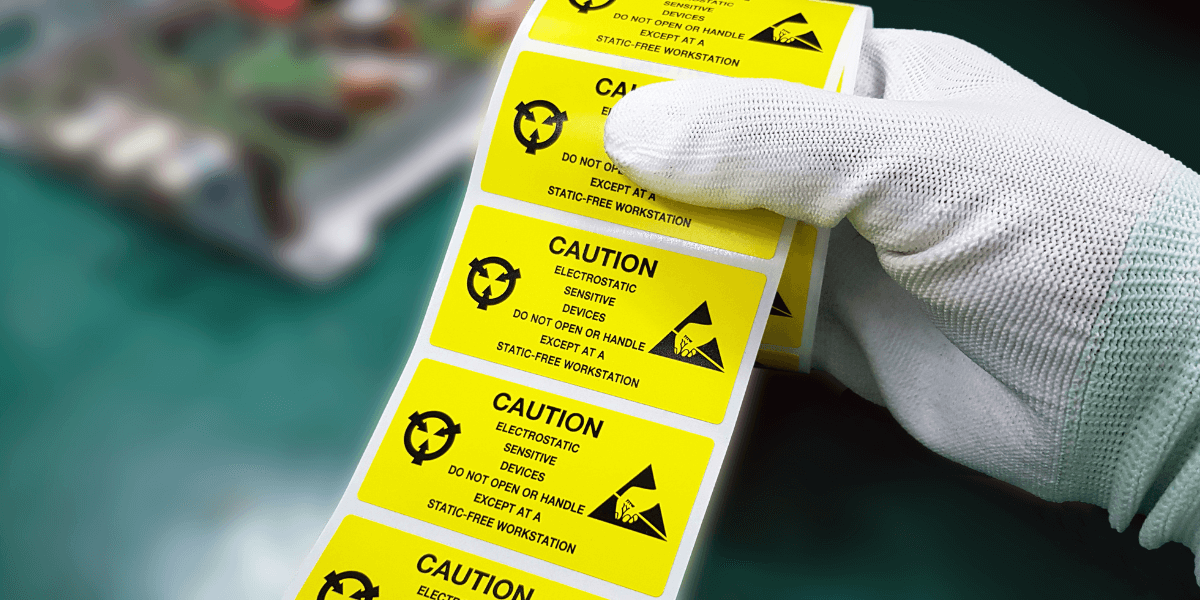
Some industries require specific label information. Safety warnings, barcodes, and serial numbers must be clear. Make sure labels meet industry standards. Accurate labels help avoid fines and ensure safety.
Credit: inovarpackaging.com
Frequently Asked Questions
What Are Industrial Labels Used For?
Industrial labels identify products, parts, or equipment in factories. They help track inventory and ensure safety. These labels withstand tough environments.
Which Materials Are Best For Industrial Labels?
Durable materials like polyester, vinyl, and polypropylene work well. They resist water, chemicals, and heat. This keeps labels clear and readable.
How Do Industrial Labels Resist Harsh Conditions?
They use strong adhesives and tough materials. Special coatings protect against scratches and fading. This makes them last longer outdoors or in factories.
Can Industrial Labels Be Customized For Different Industries?
Yes, labels can include logos, barcodes, or instructions. Sizes and shapes vary to fit specific needs. Customization improves identification and organization.
What Printing Methods Are Common For Industrial Labels?
Thermal transfer and laser printing are popular. These methods produce sharp, durable images. They work well on various label materials.
How Do Industrial Labels Improve Workplace Safety?
Labels show warnings and handling instructions clearly. They reduce accidents by informing workers about hazards. Clear labels promote a safer work environment.
Where Can I Order Quality Industrial Labels?
Many suppliers offer online ordering with design tools. Look for companies with fast delivery and good reviews. Choose ones specializing in industrial label needs.
Conclusion
Industrial labels help keep products safe and easy to identify. They work well in tough places like factories and warehouses. Choosing the right label saves time and avoids mistakes. Strong and clear labels improve work and product quality. Use labels that fit your needs and last long.
Good labels make your business run smoother and safer. Industrial labels are a smart choice for many industries. Simple, strong, and reliable—just what you need.
