Have you ever wondered what the perfect size for your business card should be? The size you choose can make a big difference in how memorable and professional your card looks.
Thank you for reading this post, don't forget to subscribe!Knowing the exact business card size in inches helps you create a design that fits wallets, stands out in stacks, and leaves a lasting impression. Keep reading to discover the ideal measurements and tips to make your business card work for you every time.
Standard Business Card Dimensions
Business cards remain a key tool for sharing contact details. Their size affects how they fit in wallets and cardholders. Standard dimensions help keep designs consistent and practical. Knowing the usual sizes aids in choosing or creating your card.
Common Sizes In Inches
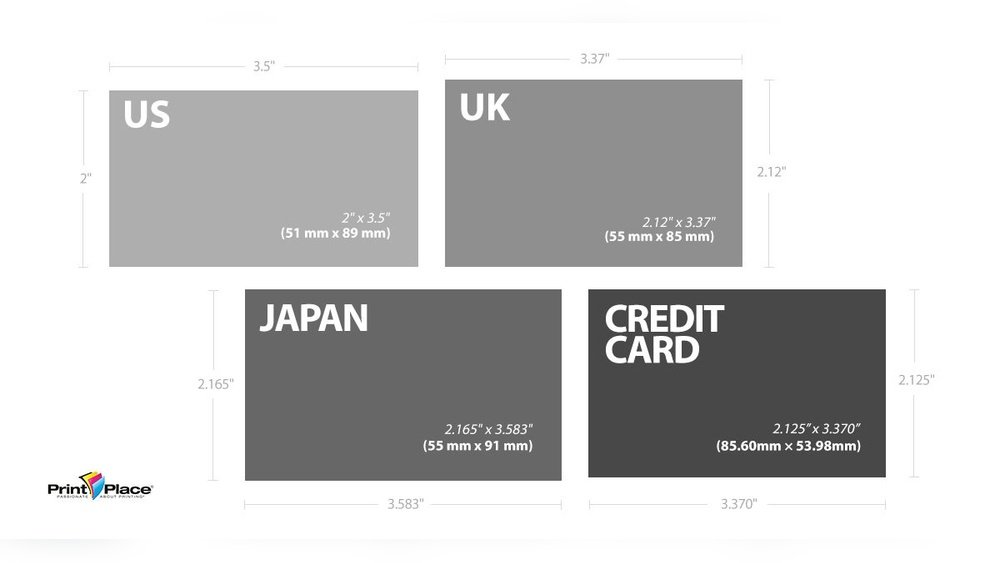
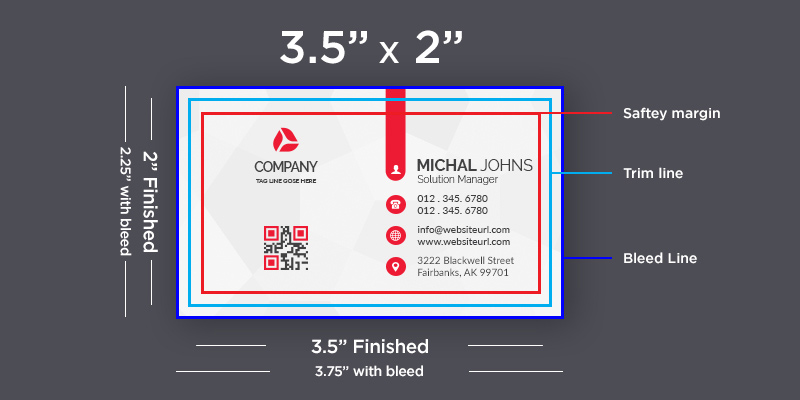
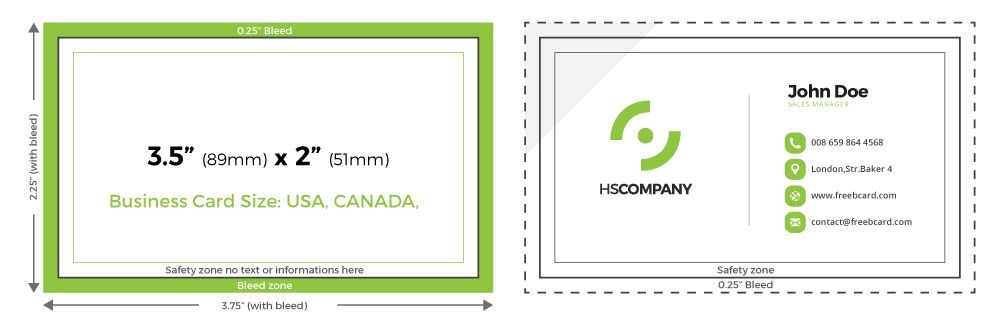
The most common business card size in the US is 3.5 by 2 inches. This size fits well in most wallets and cardholders. It offers enough space for essential information without being bulky. Some designs use slightly different sizes like 3.5 by 1.75 inches. These are less common but still accepted.
International Size Variations
Business card sizes differ around the world. In Europe, the standard size is often 3.35 by 2.17 inches. Japan prefers smaller cards, usually 3.58 by 2.17 inches. These variations reflect local preferences and wallet sizes. Knowing these helps when making cards for global use.
Credit: www.proglobalbusinesssolutions.com
Choosing The Right Size For Your Brand
Choosing the right business card size is key to representing your brand well. The size affects how people see your card and remember your company. A good size fits your style and message perfectly. It also makes your card easy to carry and keep.
Impact Of Size On Design
Size changes how much space you have for your logo and text. A smaller card means less room for details. A bigger card lets you add more information or images. The size also affects the card’s look. Large cards stand out but can feel bulky. Small cards look neat but might miss some details. Choose a size that fits your design and keeps it clear.
Considerations For Different Industries
Different industries need different card sizes. Creative fields like design or fashion may use unusual sizes to show creativity. Traditional fields like law or finance often use standard sizes for a professional look. Think about what your industry expects. Match your card size to your business style. This helps build trust and shows you understand your market.
Printing Tips For Perfect Business Cards
Printing business cards requires attention to detail. Small mistakes can ruin the final look. Follow simple tips to get clear and sharp results. Focus on size, colors, and layout. These factors make cards stand out and look professional. Use correct print settings to avoid errors and wasted materials. Here are key tips for printing perfect business cards.
Bleed And Margin Guidelines
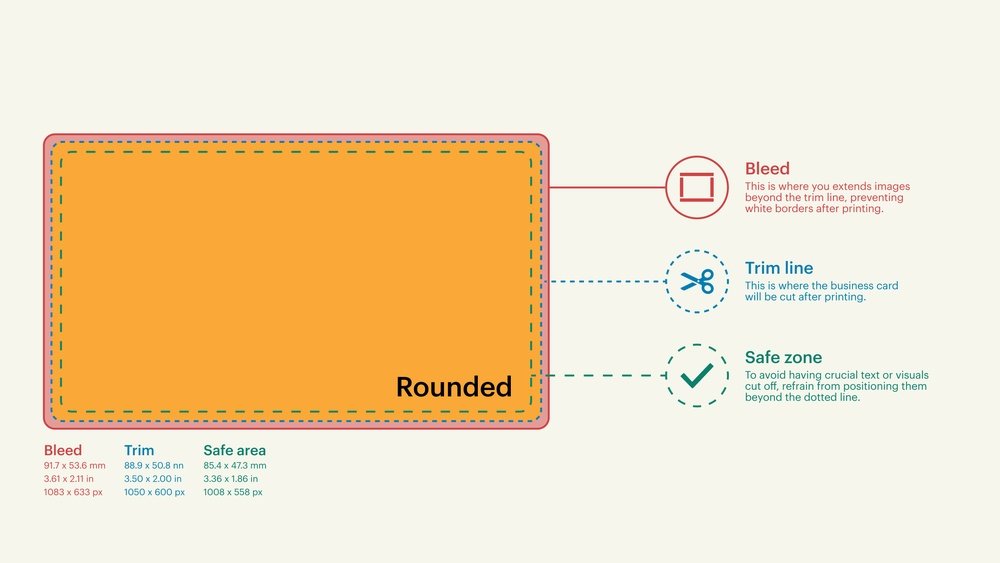
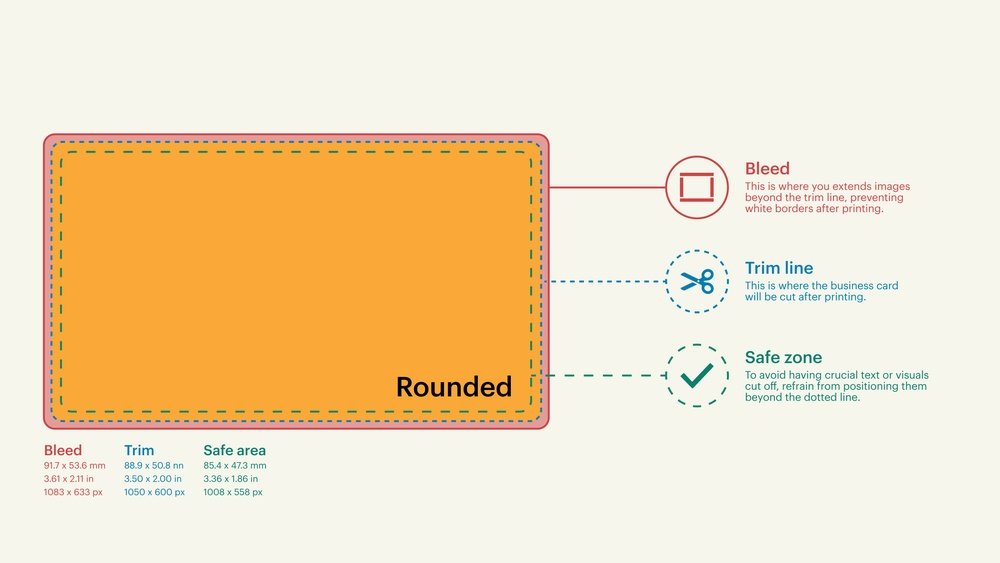
Include a bleed area of 0.125 inches around the card. This space prevents white edges after cutting. Keep important text inside a 0.25-inch margin. Avoid placing logos or names too close to edges. This ensures no part gets cut off. Use safe zones for critical information. Check bleed and margin settings in your design software. These simple steps protect your design during trimming.
Paper Types And Finishes
Choose paper weight between 14 and 16 points for durability. Thicker paper feels more professional and lasts longer. Matte finish gives a smooth, non-shiny look. Glossy finish creates bright colors and a shiny surface. Textured papers add a unique touch and feel. Satin finish balances shine and smoothness. Pick a finish that matches your brand style. Test samples before printing large batches.
Creative Size Alternatives
Business cards usually have a standard size. Yet, creative size alternatives catch attention and stand out. These options can make your card memorable. They fit different styles and purposes. Choosing a unique size can show your creativity and brand personality.
Mini And Square Cards
Mini business cards are smaller than standard cards. They usually measure about 2 x 2 inches or less. Their compact size fits easily in wallets and small spaces. Mini cards feel personal and unique.
Square cards measure roughly 2.5 x 2.5 inches. Their equal sides give a modern, clean look. Square cards differ from usual rectangles and feel fresh. They offer a bold style without being too large.
Unique Shapes And Custom Cuts
Unique shapes break the usual rectangular mold. Cards with rounded corners, die-cut edges, or custom shapes create a strong impression. They grab attention and invite curiosity.
Custom cuts let you match your card to your brand style. For example, a camera shape suits a photographer. A leaf shape fits a gardener or eco-friendly business. These shapes make your card more than just contact info.
Cost Factors Related To Business Card Size
Choosing the right business card size affects more than just appearance. It also impacts the cost of printing and materials. Knowing these costs helps plan your budget well. Small changes in size can change the price significantly. Understanding cost factors linked to business card size saves money and avoids surprises.
Printing Costs By Size
Printing costs vary with the size of the business card. Standard sizes like 3.5 x 2 inches usually cost less. Larger cards need more paper and ink, raising prices. Unusual sizes may require special printing setups. These setups add to the overall cost. Bulk orders often reduce the price per card. Still, larger or custom sizes tend to cost more per unit.
Balancing Quality And Budget
Quality and budget must work together. Choosing a smaller size can lower paper and printing expenses. But small cards may limit design space and impact readability. Bigger cards offer more room for design but increase costs. Select materials wisely to keep costs down. Matte or glossy finishes add extra expense. Decide what matters more: cost savings or card impact. This balance ensures good quality without overspending.

Credit: www.shutterstock.com
Credit: glorify.com
How IOKPRINT Can Help You with Business Card Size in Inches
Practical Insights on Business Card Size in Inches
Understanding the precise business card size in inches is more than just knowing measurements; it’s about aligning those dimensions with your brand’s identity and usability. When selecting the right size, consider how it fits into wallets or cardholders, as well as the impact on design elements and readability. For instance, sticking to standard business card dimensions often ensures compatibility and a professional appearance, but exploring creative size alternatives can make your card stand out while still maintaining practicality.
Additionally, printing tips related to size are crucial—choosing the right paper weight and ensuring accurate bleed areas can prevent common pitfalls. Resources like IOKPRINT offer guidance on these details, especially when ordering large quantities, helping balance cost factors with quality. If you want to dive deeper or clarify specifics, their customer support is a useful resource to discuss options that suit your brand’s needs.
Frequently Asked Questions
What Is The Standard Business Card Size In Inches?
The standard business card size is 3. 5 inches by 2 inches. This size fits most cardholders and wallets easily.
Why Are Business Card Dimensions Important?
Correct dimensions ensure your card fits in holders and looks professional. It also helps in printing without cutting errors.
Can Business Cards Be Larger Than Standard Size?
Yes, cards can be larger but may not fit standard holders. Larger cards stand out but can be less convenient to carry.
How Does Card Size Affect Design And Readability?
Smaller cards limit space for information and design. Larger cards offer more space but can be bulky to carry.
Are Business Card Sizes Different Worldwide?
Most countries use a size close to 3. 5 x 2 inches. Some places may have slight variations to match local standards.
Conclusion
Knowing the standard business card size in inches helps you create the right design. It ensures your card fits wallets and cardholders easily. A well-sized card looks neat and professional. Small changes in size can affect how others see your brand.
Stick to common sizes for best results. Keep your design simple and clear. This way, people will remember your card and contact you. Understanding size rules makes your cards stand out. Use this knowledge to make better business cards today.