
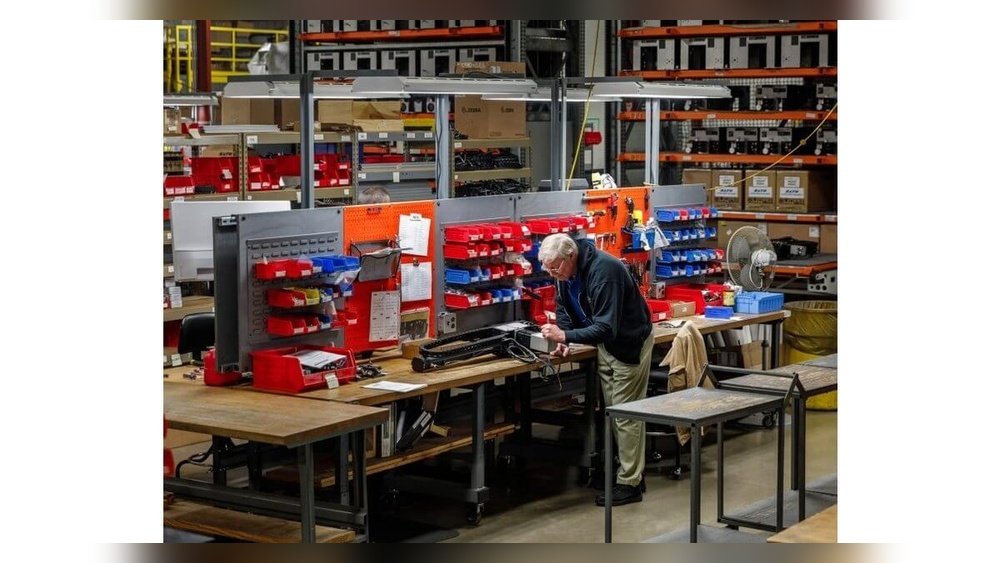
Are you struggling to keep your products organized, safe, and easy to identify? Industrial labels could be the simple solution you need.
Thank you for reading this post, don't forget to subscribe!These labels are designed to withstand tough environments and help you track, manage, and protect your inventory with ease. Whether you work in manufacturing, warehousing, or any heavy-duty industry, the right industrial labels can save you time, reduce errors, and boost your efficiency.
Keep reading to discover how choosing the right labels can make a big difference in your daily operations.
Types Of Industrial Labels
Industrial labels serve many purposes across various sectors. They help identify products, provide safety warnings, and track inventory. Choosing the right type of industrial label is important. The right label lasts long and works well in tough conditions. Different types of industrial labels vary by material, shape, and size.
Material Options
Industrial labels come in many materials. Paper labels suit simple indoor uses. Vinyl labels resist water and chemicals better. Polyester labels withstand heat and abrasion. Polypropylene offers good flexibility and strength. Some labels have special coatings for extra protection. The material choice depends on the environment and use.
Label Shapes And Sizes
Labels come in many shapes and sizes. Rectangular labels are the most common and easy to print. Circular labels catch attention in small spaces. Square and oval shapes fit unique design needs. Sizes range from tiny tags to large panels. The shape and size depend on the product and label purpose.

Credit: roemerind.com
Durability Factors
Durability is key for industrial labels. These labels must last in tough settings without fading or peeling. Many factors affect their strength and lifespan. Understanding these helps choose the right label for the job.
Resistance To Chemicals
Industrial labels often face harsh chemicals like oils and solvents. Labels made with strong materials resist these substances. This keeps the text clear and the label intact. Chemical resistance prevents damage and loss of information.
Temperature Tolerance
Labels must handle extreme heat and cold. Some materials shrink or crack in high heat. Others become brittle in freezing conditions. Durable labels maintain their shape and stickiness in all temperatures. This ensures they stay readable and attached.
Printing Technologies
Industrial labels require strong and clear printing methods. These labels must resist heat, chemicals, and wear. Choosing the right printing technology improves label durability and readability. Different methods suit different needs and materials.
Thermal Transfer Printing
Thermal transfer printing uses heat to move ink from a ribbon to the label. This method creates sharp and long-lasting images. It works well on plastic, paper, and polyester labels. The printed text resists smudging and fading. This printing is common in barcodes and product identification. It offers good quality at a reasonable cost.
Laser Marking
Laser marking uses focused light to etch the label surface. This method creates permanent marks without ink. It works best on metals and some plastics. The marks resist scratches, chemicals, and heat. Laser marking is fast and precise. It suits high-volume industrial labeling needs with tough conditions.
Credit: columbialabel.com
Adhesive Choices
Choosing the right adhesive is key for industrial labels. The adhesive affects how well a label sticks and lasts. Different jobs need different adhesives. Some labels must stay in place forever. Others need to be removed without damage. Understanding adhesive types helps pick the best label for your needs.
Permanent Vs Removable
Permanent adhesives bond tightly to surfaces. They resist water, heat, and chemicals well. Labels with permanent glue stay put for a long time. Ideal for product IDs and safety labels.
Removable adhesives allow labels to peel off easily. They do not leave sticky residue behind. Perfect for temporary tags or price labels. Removable labels offer clean removal without damage.
Specialty Adhesives
Some labels need special adhesives for tough conditions. High-temperature adhesives work in extreme heat. Cold-temperature adhesives stick well in freezing weather.
Other specialty adhesives resist oil, grease, or moisture. These keep labels readable in harsh environments. Specialty adhesives make sure labels perform in any setting.
Applications In Industries
Industrial labels serve many purposes in different industries. They help track products, provide safety information, and improve efficiency. These labels must be strong and clear to work well in tough settings.
Each industry uses industrial labels in unique ways. The right label can make a big difference in daily operations and safety.
Manufacturing
Manufacturing plants use industrial labels to mark parts and products. These labels show part numbers, batch codes, and production dates. They help workers identify items quickly and avoid mistakes.
Labels in manufacturing must resist heat, chemicals, and abrasion. This ensures they stay readable through all production stages. Clear labels also improve quality control and reduce errors.
Logistics And Warehousing
Logistics and warehouses rely on industrial labels for tracking inventory and shipments. Barcodes and QR codes on labels speed up scanning and data entry. This helps manage stock and locate items faster.
Strong labels withstand rough handling and changing weather. They keep information visible on boxes and pallets. This reduces lost goods and improves delivery accuracy.
Compliance And Standards
Industrial labels must meet strict compliance and standards. These rules ensure labels perform well and keep workers safe. Labels on machines, pipes, and products must follow specific guidelines. This helps avoid accidents and legal problems.
Industry Regulations
Many industries have clear rules for labels. These rules cover label size, color, and content. Labels must be easy to read and last long. Regulations vary by industry, such as manufacturing or chemicals. Following these rules avoids fines and shutdowns.
Safety Requirements
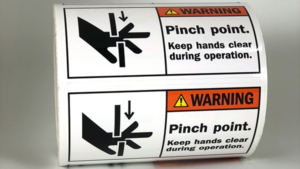
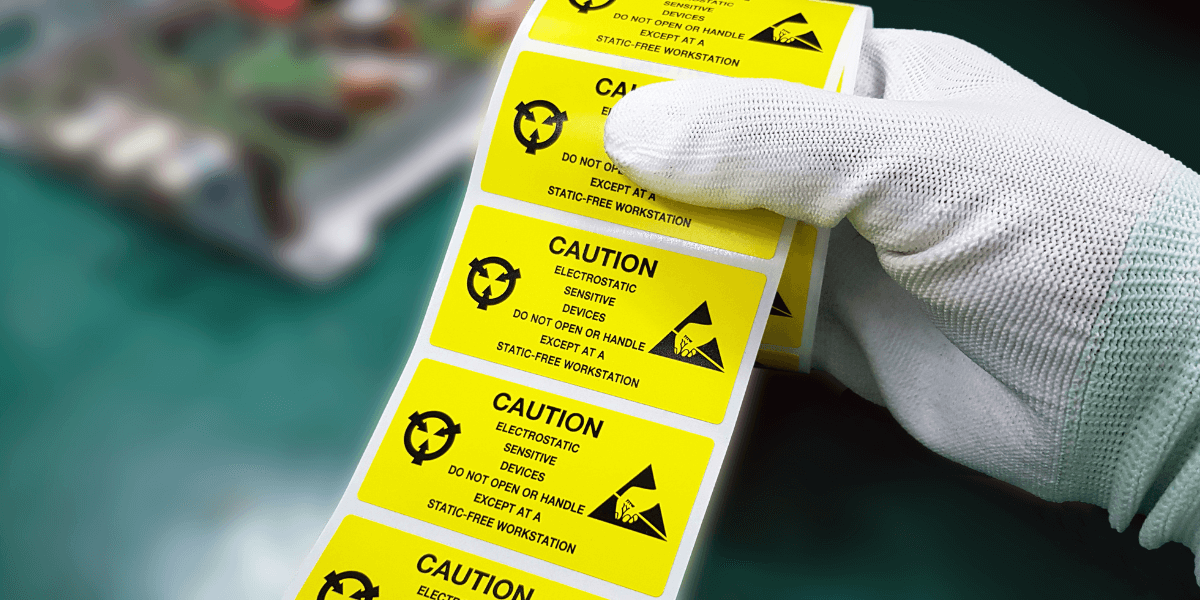
Safety is a top priority for industrial labels. Labels warn about hazards like heat, electricity, or chemicals. They use strong materials to resist heat, water, and chemicals. Clear warnings reduce accidents and injuries. Proper safety labels protect workers every day.
Maintenance And Replacement Tips
Industrial labels face tough conditions daily. Dirt, heat, and chemicals can wear them out. Regular care keeps these labels clear and useful. Proper maintenance stops mistakes and safety issues. Here are easy tips to maintain and replace your labels.
Label Inspection
Check labels often for damage or fading. Look for peeling edges, cracks, or blurred print. Clean labels gently with a soft cloth. Avoid harsh chemicals that can harm the label. Early inspection catches problems before they grow. Keep a routine schedule for label checks.
When To Replace
Replace labels that are hard to read or damaged. If important information is missing, swap the label quickly. Labels exposed to extreme heat or chemicals may need more frequent changes. Do not wait for labels to fall off. Clear and visible labels ensure safety and compliance.
Credit: inovarpackaging.com
Frequently Asked Questions
What Are Industrial Labels Used For?
Industrial labels identify products, parts, and equipment in factories. They help track items and ensure safety.
How Durable Are Industrial Labels?
Industrial labels are made to resist heat, chemicals, and moisture. They last long even in tough environments.
Which Materials Are Common For Industrial Labels?
Materials like polyester, vinyl, and polypropylene are common. They hold up well under harsh conditions.
Can Industrial Labels Be Customized?
Yes, industrial labels can be custom printed with logos, text, or barcodes. Customization improves product tracking.
How Do Industrial Labels Improve Safety?
Labels provide warnings and instructions to prevent accidents. They guide workers to handle materials safely.
What Printing Methods Are Used For Industrial Labels?
Common printing methods include thermal transfer and laser printing. These methods produce clear, durable labels.
Where Can I Buy Quality Industrial Labels?
Many suppliers offer industrial labels online and in stores. Choose based on your specific industry needs.
Conclusion
Industrial labels help keep products safe and easy to identify. They work well in tough places like factories and warehouses. Choosing the right label saves time and reduces mistakes. Strong labels stay clear even in heat, cold, or water. This makes sure important information is always visible.
Good labels support smooth work and better organization. Use them to keep your business running without trouble. Simple, reliable labels make a big difference every day.
