
Looking for the perfect way to organize your tools, gadgets, or personal items? A handle box might be just what you need.
Thank you for reading this post, don't forget to subscribe!It’s more than just a container—it’s a smart solution that makes carrying and storing your stuff easier and more efficient. Whether you want to keep your workspace tidy or need something portable for your daily tasks, understanding how a handle box works can save you time and frustration.
Keep reading to discover how this simple yet powerful tool can improve your daily routine and make your life a little bit easier.
Choosing The Right Handle Box
Choosing the right handle box can make a big difference in packaging. It helps protect items and makes carrying easier. The right box fits the product size and weight well. It also looks good and attracts customers.
Consider many factors before selecting a handle box. This guide will explain key points to help you choose wisely.
Material Type
Handle boxes come in different materials. Cardboard is common and eco-friendly. Plastic offers durability but is less green. Paperboard is light and good for small items. Choose material based on product weight and use.
Size And Shape
Pick a box size that fits the product snugly. Too big can cause damage inside. Too small may not close properly. Shapes vary from square to rectangular. Match the shape to the product for best fit.
Handle Design
Handles differ in style and strength. Cut-out handles are simple and cheap. Rope handles add a premium feel. Plastic handles offer strong support. Select a handle that holds the weight comfortably.
Printing And Branding
Handle boxes can display logos and designs. Clear printing improves brand visibility. Use colors that match your brand identity. Simple designs often look more elegant and clean.
Cost And Budget
Handle boxes come in various price ranges. Balance quality with cost to fit your budget. Cheaper boxes may save money but lack durability. Invest in a box that protects and represents your product well.
Materials And Durability
Handle boxes need strong materials to last long. The material affects how much weight they hold and how well they protect the contents. Choosing the right material makes a big difference in durability and use.
Common Materials Used in Handle BoxesCardboard is the most common material. It is light and easy to recycle. Thick cardboard adds strength for heavier items. Plastic handle boxes offer water resistance. They last longer and are harder to tear. Metal handles add extra support and comfort. Each material suits different needs and uses.
Durability Factors of Handle BoxesDurability depends on material thickness and quality. Stronger materials resist breaking and bending. The handle design also affects durability. Handles fixed with metal or reinforced plastic last longer. Proper glue and stitching improve strength. Boxes made with high-quality materials protect items better.
Choosing the Right Material for Your NeedsThink about what you will carry. Heavy items need thick cardboard or plastic. Light goods work well with simple cardboard boxes. Outdoor use requires water-resistant materials. Handles must be easy to grip and strong. Picking the right box saves money and effort.
Security Features To Consider
Security is key when choosing a handle box. It protects your items from theft and damage.
Several features can improve the safety of your handle box. These features help keep your belongings safe.
Robust Locking Mechanism
A strong lock prevents unauthorized access. Look for boxes with metal or combination locks. Simple locks can be easily broken.
Durable Material
Metal boxes offer better protection than plastic ones. Steel or aluminum materials resist cutting and breaking. This adds extra security to your box.
Water Resistance
Waterproof boxes protect contents from rain and spills. This keeps important items safe from water damage. Sealed edges help prevent water entry.
Tamper-evident Features
Some boxes show signs if someone tries to open them. This alerts you to possible theft. Tamper seals or stickers are useful tools.
Mounting Options
Secure mounting reduces theft risk. Handle boxes with holes or brackets allow fixing to walls or vehicles. This keeps the box stable and safe.
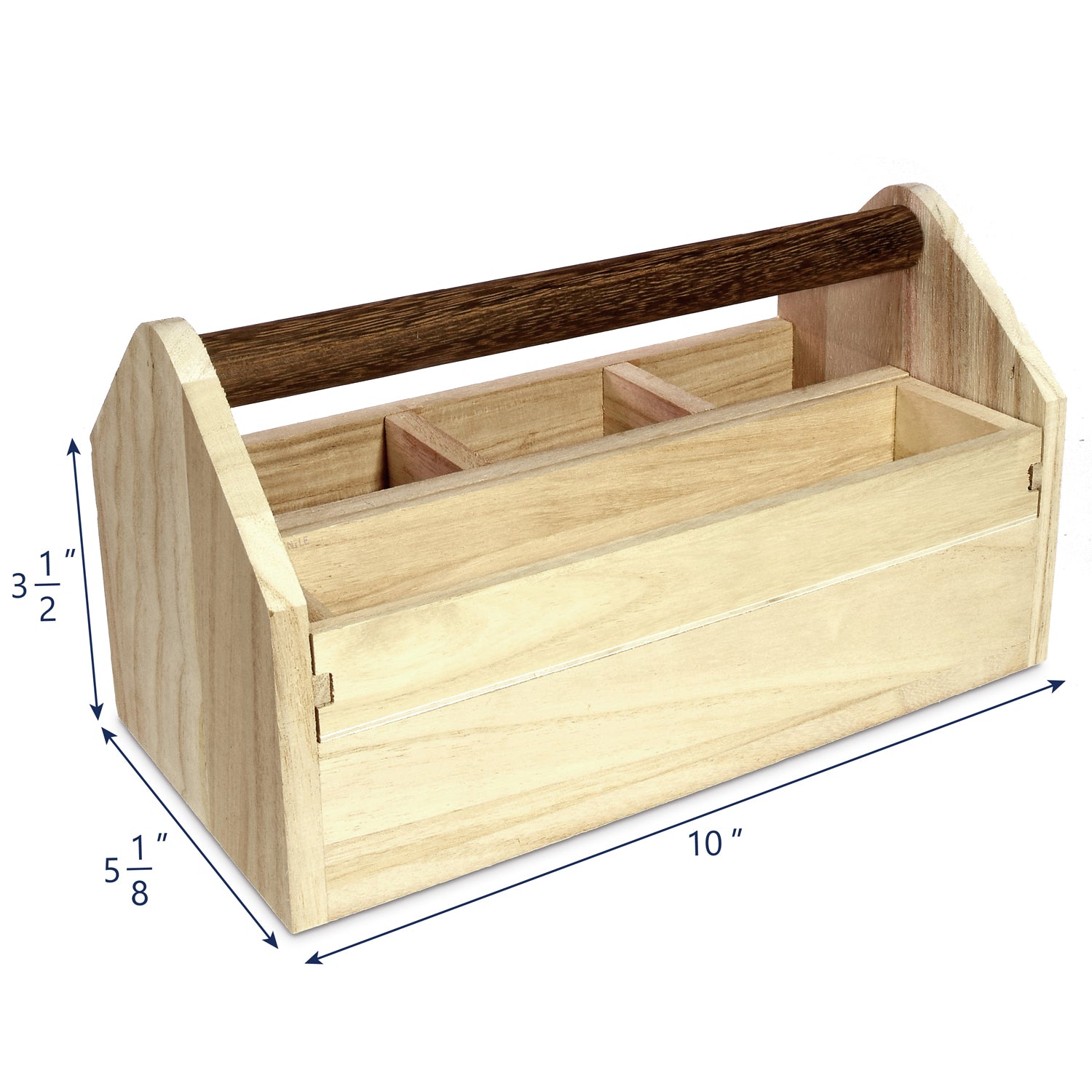
Credit: www.organizingidea.com
Design Styles And Aesthetics
Handle boxes come in many design styles and aesthetics. These styles affect the look and feel of any space. Choosing the right handle box can change the entire room’s vibe.
Design styles vary from modern to classic. Each style fits different tastes and needs. The right design adds charm and function to furniture and storage.
Modern Minimalist Design
Modern minimalist handle boxes use clean lines and simple shapes. They focus on function with little decoration. This style suits sleek, uncluttered spaces. Colors are often neutral, like black, white, or gray.
Rustic And Vintage Styles
Rustic handle boxes have a natural, worn look. They often use wood or metal with a rough finish. Vintage styles feature classic shapes and ornate details. These designs bring warmth and character to rooms.
Industrial Aesthetic
Industrial handle boxes combine metal and wood elements. They have a raw, tough appearance. This style fits lofts and urban homes well. Exposed screws and rivets add to the look.
Elegant And Classic Designs
Elegant handle boxes show smooth curves and fine details. They use polished metals or glossy finishes. This style works well in traditional or formal rooms. It adds a touch of luxury and grace.
Color And Material Choices
Color and material greatly affect the handle box’s style. Wood gives warmth, metal adds strength. Matte finishes create subtle looks. Bright colors make a bold statement. Choose based on the room’s theme.
Sizing And Capacity Options
Handle boxes come in many sizes and capacities. This variety helps meet different needs for storage and transport. Choosing the right size ensures your items fit well and stay safe.
Some handle boxes are small, perfect for light items. Others are large, suitable for heavy or bulky goods. The right capacity protects your products during handling and shipping.
Sizing Options
Handle boxes are available in small, medium, and large sizes. Small boxes fit items like tools or small parts. Medium boxes hold more, such as books or kitchen items. Large boxes carry bulky or heavy goods easily.
Capacity Options
Capacity depends on box size and material strength. Light capacity boxes handle items up to 10 pounds. Medium capacity boxes hold between 10 and 30 pounds. Heavy capacity boxes support over 30 pounds safely.
Choosing The Right Size And Capacity
Pick a box that fits your items snugly. Avoid boxes that are too large or too small. Consider the weight and fragility of what you pack. Proper fit reduces damage and saves space.
Installation Tips And Tricks
Installing a handle box correctly makes a big difference. It ensures the box works well and lasts longer. Simple steps help avoid mistakes and save time. Follow these tips for smooth installation and great results.
Choosing The Right Location
Pick a spot that fits your needs and space. Make sure the location is easy to reach. Avoid places with too much moisture or dirt. Check the wall or surface is strong enough to hold the box.
Gathering Necessary Tools
Have all tools ready before starting. Common tools include a drill, screws, screwdriver, and level. Using the right tools makes installation faster and safer. Keep a tape measure handy to check sizes accurately.
Preparing The Surface
Clean the area where you will install the box. Remove dust, grease, or paint flakes. A smooth surface helps the box stick well. Fix any cracks or holes before mounting the box.
Mounting The Handle Box
Mark the drill points carefully on the surface. Drill holes with the correct size for screws. Attach the box firmly but do not overtighten screws. Use a level to keep the box straight and aligned.
Testing And Adjustments
Check the handle box for stability after installation. Open and close to ensure smooth movement. Tighten or loosen screws as needed. Make small adjustments to improve fit and function.
Maintenance And Care
Proper maintenance and care extend the life of a handle box. They keep it working smoothly and looking good. Simple steps can prevent damage and avoid costly repairs.
Regular cleaning removes dirt and dust that can cause wear. Checking parts often helps spot problems early. Small fixes save time and money later.
Cleaning The Handle Box
Use a soft cloth to wipe the handle box. Avoid harsh chemicals that can damage the surface. Mild soap and water work best for cleaning. Dry the box completely to stop rust or corrosion.
Lubricating Moving Parts
Apply lubricant to hinges and joints to keep them smooth. Choose a light oil made for metal parts. Too much oil can attract dirt. Wipe off excess after applying.
Inspecting For Wear And Damage
Look for cracks, rust, or loose screws regularly. Tighten screws to keep the box secure. Replace parts that show signs of damage. Early repairs keep the handle box safe to use.
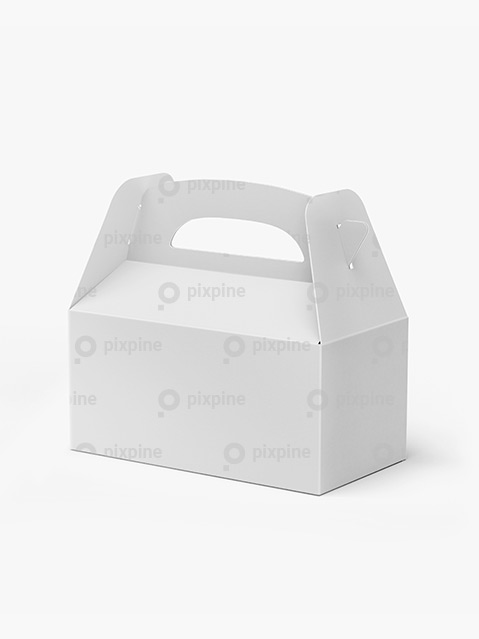
Credit: pixpine.com
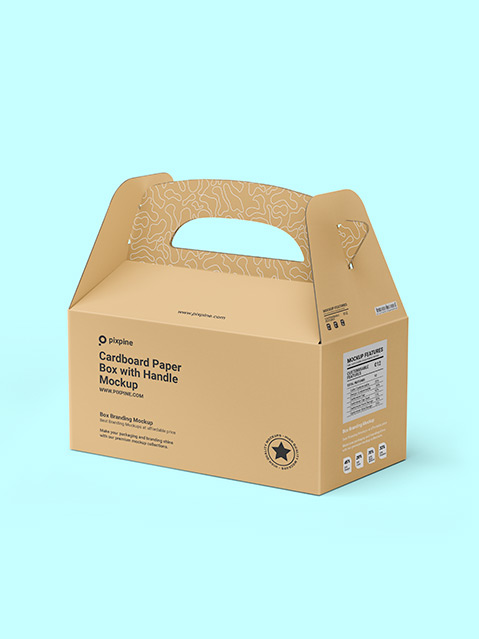
Credit: pixpine.com
Frequently Asked Questions
What Is A Handle Box Used For?
A handle box is a container with a built-in handle for easy carrying. It helps transport items safely and comfortably.
How Do Handle Boxes Improve Packaging?
Handle boxes make carrying products simple and convenient. They also protect the contents inside during transport.
What Materials Are Handle Boxes Made From?
Handle boxes are usually made from cardboard, plastic, or wood. These materials are strong yet lightweight.
Can Handle Boxes Be Customized For Brands?
Yes, handle boxes can be printed with logos and designs. This helps brands stand out and attract customers.
Are Handle Boxes Eco-friendly Packaging Options?
Many handle boxes use recyclable or biodegradable materials. This reduces waste and helps protect the environment.
What Products Commonly Use Handle Boxes?
Food, gifts, electronics, and small tools often come in handle boxes. They make carrying these items easier.
How To Choose The Right Handle Box Size?
Pick a handle box slightly larger than your product. It should fit snugly without being too tight or loose.
Conclusion
A handle box adds comfort and ease to carrying tasks. It keeps items secure and helps you move them faster. Small or large, handle boxes fit many needs. They make packing and organizing simpler every day. Choosing the right handle box can save time and effort.
Think about your needs and pick one that works best. A simple tool, but it makes a big difference. Handle boxes bring convenience to homes and workplaces alike.
