
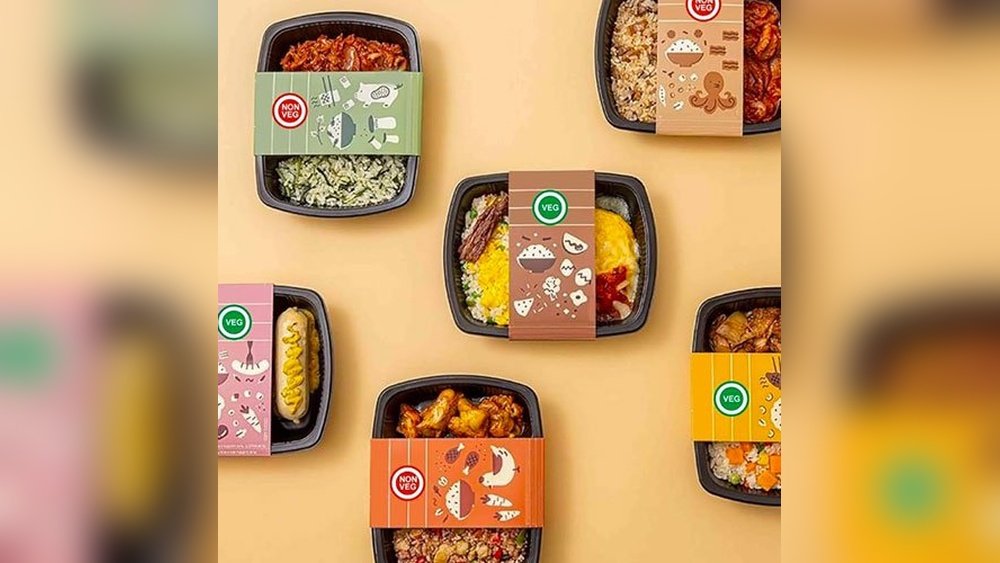
Are you tired of digging through messy shelves, searching for the right food items? Food box labels can change the way you organize your kitchen and pantry.
Thank you for reading this post, don't forget to subscribe!With clear, simple labels, you’ll save time, reduce waste, and keep your food fresh longer. Imagine opening a box and instantly knowing what’s inside without guessing or opening every package. You’ll discover easy tips to create effective food box labels that make your life easier and your kitchen smarter.
Keep reading to find out how a small change can bring big results to your daily routine.
Importance Of Food Box Labels
Food box labels play a key role in the food industry. They provide important details about the product. These details help buyers make safe and informed choices. Clear labels build trust between sellers and customers.
Labels also help meet legal rules. They reduce confusion and mistakes in food handling. Proper labels guide storage and use, keeping food fresh and safe to eat.
Providing Essential Product InformationFood box labels list ingredients and nutrition facts. They tell about allergens that may cause harm. Labels show the product’s weight and origin. This info helps buyers understand what they get.
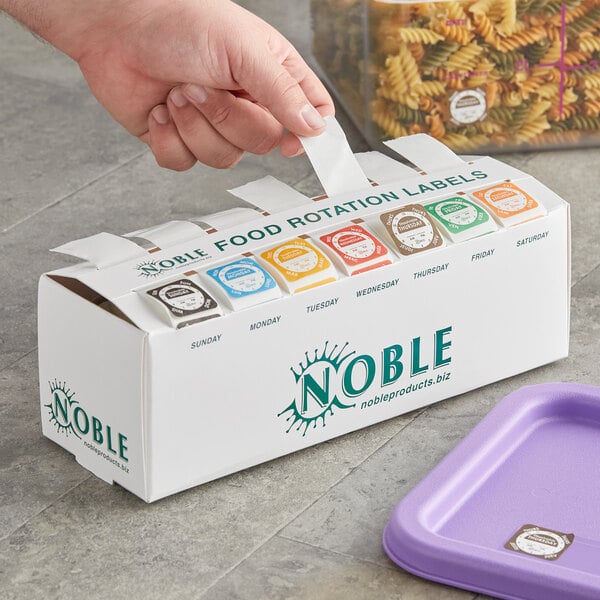
Ensuring Food SafetyLabels include expiration or best-before dates. These dates warn when food may spoil. Labels also guide safe storage conditions. This prevents foodborne illnesses and waste.
Supporting Brand RecognitionFood box labels display brand names and logos. This helps customers remember and trust brands. Clear labels can attract new buyers. They make products stand out on shelves.
Meeting Legal and Regulatory RequirementsFood labels must follow government rules. Proper labeling avoids fines and penalties. It ensures products are safe and honest. Compliance builds credibility for food businesses.

Credit: hotcards.com
Key Elements Of Effective Labels
Effective food box labels help customers understand the product quickly. Clear labels make shopping easier and build trust. They also keep products safe and compliant with rules.
Good labels include certain key elements. These elements provide important information and improve the product’s appeal. Let’s explore the main parts of effective food box labels.
Product Name And Description
The product name must be clear and easy to read. It tells the customer what the item is at a glance. A short description can add helpful details about the product.
Ingredients List
List all ingredients in simple terms. This helps customers avoid allergens and unwanted items. The order should show the amount of each ingredient from most to least.
Nutritional Information
Show key nutrition facts like calories, fat, and sugar. Clear numbers help customers make healthy choices. Use a simple format with labels that everyone understands.
Expiration Date And Storage Instructions
Include the expiration or best-before date to ensure freshness. Storage instructions keep the product safe and tasty. This information reduces waste and protects health.
Brand Logo And Contact Information
The brand logo builds recognition and trust. Contact details let customers ask questions or give feedback. This adds a personal touch and improves service.
Design Tips For Eye-catching Labels
Designing food box labels requires creativity and clarity. The goal is to catch the eye and share key information fast. A good label stands out on shelves and makes people want to try the product.
Simple, clean designs work best. Too much detail can confuse or overwhelm the buyer. Balance colors, fonts, and images carefully. Every element should serve a purpose.
Choose Bold Colors That Match Your Brand
Colors attract attention immediately. Pick bold colors that fit your brand identity. Use contrasting colors for text and background. This makes reading easier and faster. Avoid using too many colors. Stick to two or three main shades.
Use Clear And Readable Fonts
Fonts must be easy to read at a glance. Select simple, clean fonts. Avoid fancy or decorative styles that slow reading. Make the product name the largest text. Use smaller font sizes for details like ingredients or weight.
Include High-quality Images Or Icons
Images add visual interest and explain the product quickly. Use clear photos or simple icons that relate to the food. Avoid blurry or pixelated images. Icons can highlight special features, like organic or gluten-free.
Keep The Layout Clean And Organized
A tidy layout guides the eyes naturally. Use spacing to separate different information. Group related details together. Avoid clutter by limiting the number of design elements. White space helps the label breathe and feel less crowded.
Highlight Key Information Clearly
Important details like flavor, size, or health claims must stand out. Use bold text or borders to emphasize these points. Place them near the top or center of the label. This helps customers find what they need quickly.

Credit: www.uprinting.com
Choosing Materials For Durability
Choosing the right materials for food box labels is key to lasting quality. Labels must stay clear and strong during storage and transport. They face moisture, cold, and rough handling. Durable materials keep labels readable and neat. This helps customers trust the product and brand.
Water-Resistant MaterialsLabels often meet moisture from spills or condensation. Water-resistant materials stop ink from running or fading. Vinyl and polyester are common water-resistant choices. They keep labels intact on cold or damp packages. This prevents smudging and peeling.
Tear-Proof OptionsRough handling can rip paper labels easily. Tear-proof materials protect the label’s look and information. Synthetic papers and laminated films resist tears and scratches. This keeps packaging neat and professional. It also avoids lost information.
Heat and Cold ResistanceFood boxes face different temperatures in storage or shipping. Labels must not warp or fade in heat or cold. Materials like BOPP and thermal films perform well in these conditions. They hold up in fridges and warm warehouses. This keeps labels clear and readable.
Adhesive StrengthStrong adhesive helps labels stick to many surfaces. It prevents peeling during handling or temperature changes. Permanent adhesives work well on plastic, cardboard, and glass. This ensures labels stay put until removed on purpose.
Incorporating Branding Into Labels
Incorporating branding into food box labels helps create a strong identity. It makes your product stand out on shelves. Clear branding builds trust and attracts customers. Labels are the first thing people see. They must reflect your brand’s style and message.
Good branding on labels tells a story. It shows what your food is about. Colors, fonts, and images all play a role. Consistent branding makes your product easy to recognize. This leads to better sales and customer loyalty.
Using Colors That Reflect Your Brand
Choose colors that match your brand’s personality. Bright colors attract attention quickly. Soft colors suggest natural or organic products. Use the same color palette on all labels. This creates a uniform look across your products.
Adding Your Logo Clearly
Your logo should be easy to see on the label. Place it where it can’t be missed. A clear logo helps customers remember your brand. Avoid making it too small or blurry. The logo links the product to your business instantly.
Choosing Fonts That Match Your Style
Select fonts that fit your brand’s tone. Bold fonts show strength and confidence. Script fonts feel elegant and personal. Use readable fonts for product names and details. Consistency in fonts supports brand recognition.
Including Brand Messages Or Taglines
Add short messages that explain your brand values. Taglines can highlight quality or freshness. Keep messages simple and easy to read. They create an emotional connection with buyers. Brand messages build trust and loyalty over time.
Regulations And Compliance
Food box labels must follow strict rules to keep consumers safe. These rules help customers know what is inside the box. They also prevent false claims about food products. Businesses must understand these laws to avoid fines and legal trouble.
Labels should be clear and easy to read. They must include important details like ingredients, allergens, and expiration dates. The rules vary by country but share common goals: safety and honesty.
Fda Labeling Requirements
The FDA sets standards for most food labels in the United States. Labels must list all ingredients and nutrition facts. Allergens like nuts or dairy must be clearly stated. The label must also show the product’s net weight.
Font size and placement rules exist to make labels readable. Misleading terms or images are not allowed. The FDA regularly checks food labels for compliance.
European Union Food Label Laws
EU laws require food labels to provide detailed information. This includes ingredient lists, allergens, and nutritional data. Labels must be in the local language of the country where sold.
Special rules apply to organic products and health claims. The EU uses a standardized format for easier understanding. Labels must also show the country of origin for some foods.
Common Compliance Challenges
Many businesses struggle with updating labels regularly. Ingredient changes require label revisions. Keeping up with local laws in different markets is tough.
Small font or unclear information can cause compliance issues. Some labels miss allergen warnings, risking consumer health. Regular audits and staff training help avoid these problems.
Strategies To Boost Visibility Quickly
Food box labels play a key role in catching customers’ eyes. Quick visibility can boost sales and build trust. Simple strategies help your labels stand out fast. Focus on clear design and smart placement. Keep labels easy to read and attractive. Small changes create big results.
Use Bold Colors And Clear Fonts
Bright colors grab attention quickly. Choose colors that match your brand and food type. Use simple fonts that are easy to read. Avoid fancy styles that confuse customers. Bold text helps key information pop out fast.
Highlight Important Information
Show product name and key benefits clearly. Include expiry date and ingredients in easy spots. Use icons to explain features quickly. Important details must be visible at a glance. This builds trust and reduces customer doubts.
Place Labels In Eye-level Spots
Put food boxes where customers easily see them. Shelf edges and checkout counters work well. Avoid hiding labels behind other products. Proper placement increases the chance of quick notice. Customers pick items they see first.
Use Simple, Direct Language
Keep label text short and clear. Use words customers understand easily. Avoid long descriptions or technical terms. Clear language helps customers decide faster. Simplicity makes your labels more inviting.
Credit: www.webstaurantstore.com
Frequently Asked Questions
What Information Should Food Box Labels Always Include?
Food box labels must show the product name, ingredients, and expiration date. This helps buyers know what they are getting. Clear labels also improve safety and trust.
How Do Food Box Labels Help With Food Safety?
Labels provide important details like storage instructions and allergen warnings. These details reduce the risk of foodborne illness. Proper labeling keeps consumers informed and safe.
Can Food Box Labels Improve Product Shelf Life?
Yes, labels guide how to store food properly. Following label instructions can keep food fresh longer. This reduces waste and saves money.
Are There Legal Rules For Food Box Labels?
Most countries require labels to meet specific rules. These include listing allergens and nutrition facts. Compliance helps avoid fines and keeps products on shelves.
How To Design Eye-catching Food Box Labels?
Use clear fonts, simple colors, and relevant images. Make key information easy to find. Good design attracts buyers and boosts sales.
What Role Do Food Box Labels Play In Marketing?
Labels tell the brand story and product benefits. They influence buying decisions and create brand loyalty. A well-made label stands out on store shelves.
How Can Food Box Labels Reduce Food Waste?
Labels with clear dates and instructions help consumers use food on time. They prevent throwing away edible products. Smart labeling supports sustainable habits.
Conclusion
Food box labels help keep your food fresh and safe. They make it easy to see what is inside. Clear labels save time and reduce waste. Good labeling also helps with organizing your kitchen. Choose labels that are easy to read and stick well.
Use them to track expiration dates and ingredients. Simple labels improve your food storage habits. Start using food box labels today for better food management. It is a small step that brings big benefits.
