
Have you ever noticed how a simple badge can grab your attention instantly? Whether it’s on a jacket, a backpack, or even a website, badges carry meaning and power.
Thank you for reading this post, don't forget to subscribe!They can show your achievements, represent your identity, or make you stand out in a crowd. You’ll discover why badges matter more than you might think and how they can make a difference in your daily life. Keep reading to find out how something so small can have such a big impact on you and those around you.
Importance Of Badge Designs
Badge designs play a key role in many fields. They show identity and build trust. A good design helps people recognize a group or brand quickly.
Simple and clear badges make a strong impact. They catch the eye and leave a lasting impression. Designs that stand out help communicate important messages fast.
Enhancing Brand Recognition
Badges act as a symbol for brands. A unique design makes the brand easy to spot. People remember simple shapes and colors better. This leads to stronger brand awareness.
Building Trust And Credibility
Badges show authority and professionalism. A well-designed badge can make users feel safe. It adds a sense of reliability and honesty. Trust grows with clear and neat badge designs.
Improving Communication
Badges quickly share information without words. They show roles, achievements, or membership. Good designs use icons and colors to explain clearly. This saves time and avoids confusion.
Encouraging Engagement
Attractive badge designs invite people to join or participate. They create a sense of pride and belonging. People like to display badges they find appealing. This boosts community and loyalty.
Key Elements Of Effective Badges
Badges play a crucial role in many systems. They offer recognition and motivate users. Understanding what makes a badge effective helps create better designs. Effective badges are clear, meaningful, and easy to recognize.
These badges should connect to user goals. They must feel valuable and fair. The design should also attract attention without causing confusion. Let’s explore the key elements that make badges work well.
Clear Purpose And Meaning
Every badge needs a clear purpose. Users should know why they earned it. The badge’s meaning must relate to an achievement or skill. This helps users feel proud and motivated. Avoid vague or confusing badges that lack clear goals.
Simple And Recognizable Design
Badges must be easy to see and understand. Simple shapes and icons work best. Use colors that stand out but do not clash. Avoid too many details that make the badge hard to read. A clear design helps users quickly identify the badge.
Progression And Levels
Effective badges often show progress or levels. Users like to see growth and challenges. Levels encourage users to keep improving. Use different badge designs to show each level. This keeps users engaged and striving for more.
Fair And Achievable Criteria
Badges should be fair and reachable for users. Set clear rules for earning each badge. The criteria must match user effort and skill. Avoid badges that are too easy or impossible to get. Fair badges build trust and encourage participation.
Consistency Across The System
Keep badge style consistent throughout the platform. Use similar colors, shapes, and sizes. Consistency makes the system look professional and organized. It also helps users understand the badge hierarchy easily.
Color Choices That Enhance Recognition
Colors play a big role in how people see and remember badges. The right colors make badges easy to notice and understand. They help the badge stand out and send a clear message fast.
Choosing colors that match the badge’s purpose can improve how people recognize it. Bright and clear colors catch the eye. Soft colors can show calm or trust. The choice depends on the badge’s goal and audience.
Using High Contrast Colors
High contrast colors make badges pop out. For example, black text on a yellow background is easy to read. Contrast helps people see the badge from far away or in poor light. It also helps people with vision problems.
Choosing Colors That Match Brand Identity
Colors tied to a brand help build trust. They make badges feel familiar. Using brand colors keeps badges consistent with other materials. This consistency helps people remember the badge better.
Colors That Signal Meaning
Colors often carry common meanings. Red can show urgency or importance. Green can mean safety or approval. Blue often feels calm and trustworthy. Using these colors helps people understand the badge message quickly.
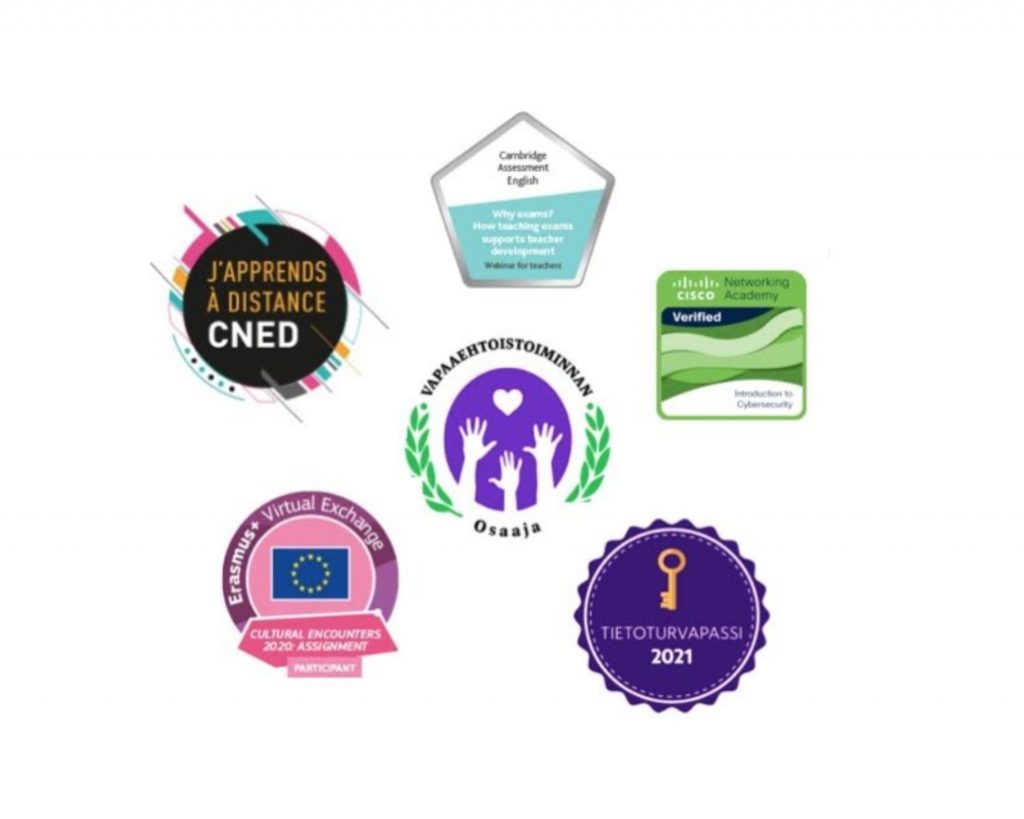
Keeping Color Palettes Simple
Simple color schemes make badges clearer. Too many colors can confuse viewers. Two or three colors usually work best. Simple palettes keep the focus on the badge content.
Credit: openbadgefactory.com
Typography Tips For Badge Clarity
Typography plays a big role in badge design. Clear text helps people read badges fast. It makes badges look neat and professional. Good typography improves badge clarity and impact. Follow these simple tips for better badge text.
Choose Simple Fonts
Pick fonts that are easy to read. Avoid fancy or script fonts. Use clean, bold fonts for better visibility. Simple fonts make text stand out on small badges.
Use Proper Font Size
Make sure the font size is big enough. Small text can be hard to read on badges. Keep font size consistent across the badge for balance.
Limit Text Length
Keep text short and clear. Too many words make badges crowded. Use only key information or titles.
Maintain Good Contrast
Choose colors that contrast well with the background. Dark text on a light background works best. Contrast helps the text pop and stay readable.
Space Letters And Lines Well
Use enough space between letters and lines. Tight spacing can blur letters together. Proper spacing keeps the text clean and easy to read.
Incorporating Logos And Icons
Badges often include logos and icons to show identity and meaning quickly.
These small visuals help people recognize brands or achievements fast.
Choosing the right logo or icon makes badges stand out and look professional.
Choosing The Right Logo
Pick logos that are simple and clear at small sizes.
Too much detail can make the logo hard to see on a badge.
Use logos that match the badge’s purpose and style.
Using Icons For Clarity
Icons help explain the badge’s message without many words.
Use common symbols that people understand easily.
Keep icon designs simple and balanced with the badge text.
Maintaining Visual Balance
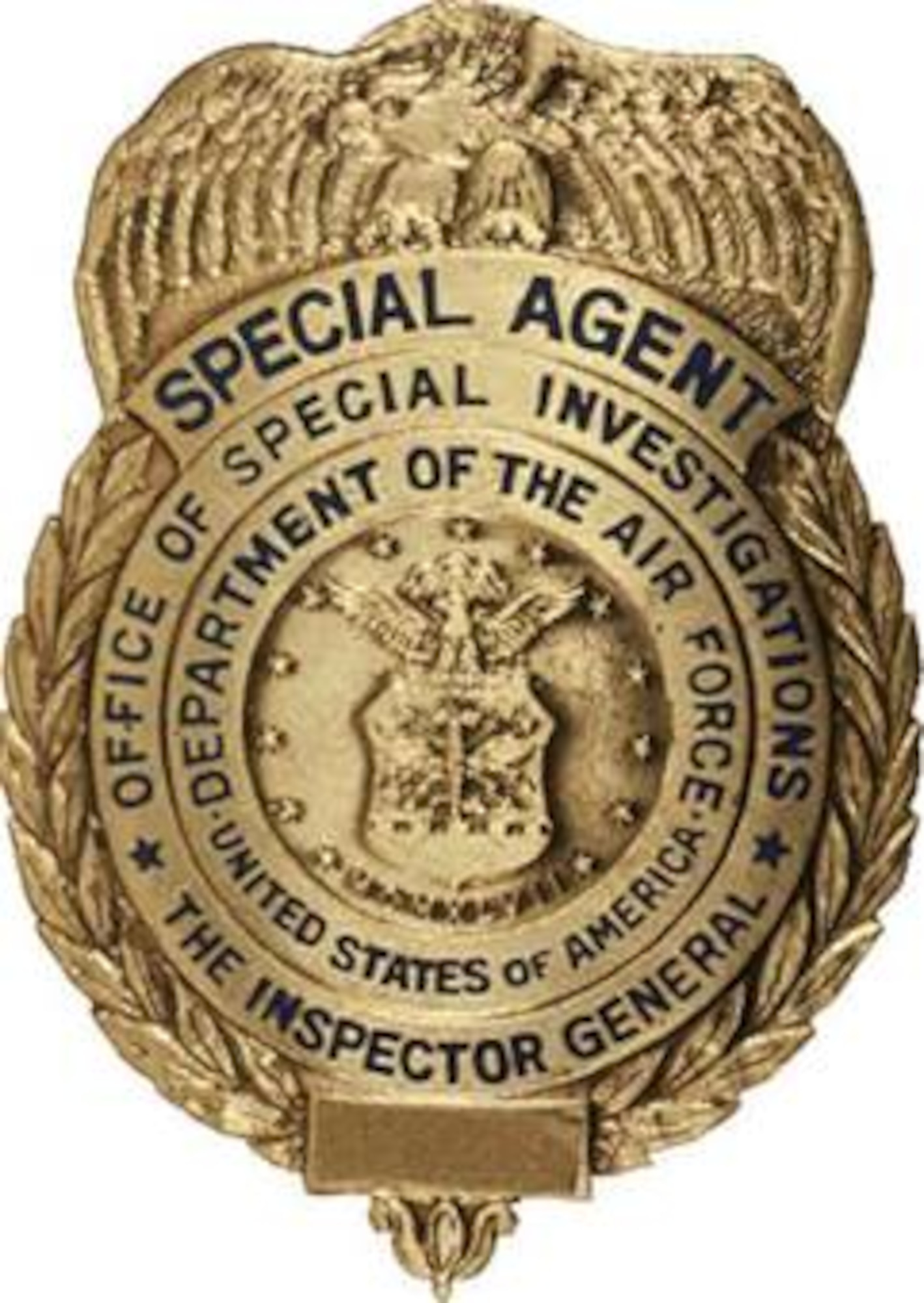
Place logos and icons so the badge looks neat and balanced.
Avoid crowding the badge with too many elements.
Make sure the logo or icon size fits well with other parts.
Credit: www.osi.af.mil
Material And Shape Options
Badges come in many materials and shapes. These choices affect the badge’s look and feel. Picking the right options can make badges more useful and attractive.
The material can change the badge’s weight and durability. Shape options help badges stand out or fit a theme. Both factors matter for events, work, or fun.
Metal Badges
Metal badges feel strong and last long. They often have a shiny or matte finish. These badges suit formal events or uniforms. Metal can be engraved or printed with details.
Plastic Badges
Plastic badges are light and affordable. They come in many colors and styles. Plastic suits casual use and short-term events. These badges often have smooth or textured surfaces.
Fabric Badges
Fabric badges are soft and flexible. They attach easily to clothing with sewing or velcro. These badges work well for clubs or teams. Fabric lets you use embroidery for designs.
Round Badges
Round badges have a classic look. They fit logos or simple text well. Circles are easy to carry and wear. Round shapes work for many occasions.
Square And Rectangle Badges
Square or rectangle badges offer more space. They hold longer names or detailed info. These shapes look modern and clean. Good for name tags or ID badges.
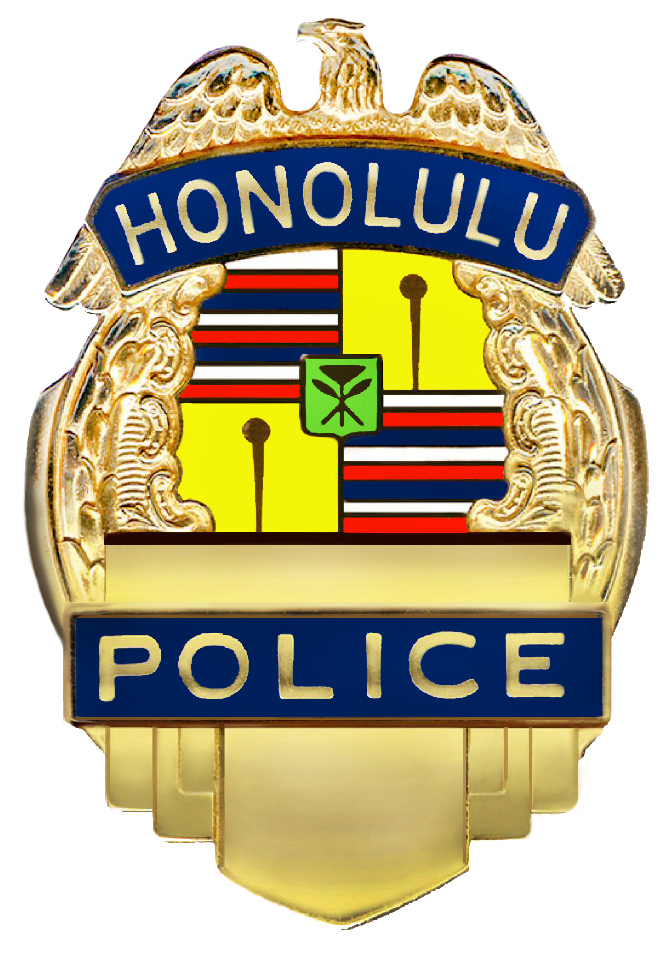
Custom Shapes
Custom shapes make badges unique and memorable. They can match logos or themes exactly. These badges attract attention easily. Ideal for branding or special events.
Using Badges Across Marketing Channels
Badges are small but powerful tools in marketing. They catch attention quickly and build trust fast. Using badges across different marketing channels helps keep your brand consistent. It also shows your audience what makes you special. Let’s explore how badges work well in various places.
Using Badges On Websites
Badges on websites boost user confidence. Place them near call-to-action buttons or product images. They highlight awards, security seals, or special offers. Visitors see these badges and trust your site more. This can increase sales and sign-ups.
Using Badges In Email Campaigns
Emails with badges stand out in crowded inboxes. Add badges to subject lines or inside the message. They show discounts, certifications, or limited-time deals. Badges make emails clearer and more attractive. This can improve open rates and clicks.
Using Badges On Social Media
Social media badges build social proof fast. Use badges in posts, ads, or profile pictures. They show achievements, customer ratings, or partnerships. Badges help followers trust your brand more. This can increase likes, shares, and followers.
Using Badges In Print Marketing
Print materials like flyers, brochures, or business cards benefit from badges. They highlight key points like awards or guarantees. Badges draw the reader’s eye to important details. This helps leave a strong impression offline.
Credit: www.honolulupd.org
Frequently Asked Questions
What Is A Badge And Why Is It Important?
A badge is a symbol or icon that shows achievement or membership. It helps people recognize skills or status quickly.
How Are Badges Used In Schools And Learning?
Badges in schools show students’ progress or skills earned. They motivate students to learn and achieve goals.
Can Badges Improve Employee Motivation At Work?
Badges reward employees for good work or skills. They make workers feel valued and encourage better performance.
What Types Of Badges Exist In Digital Platforms?
Digital badges include achievement, participation, and skill badges. They help users display their abilities online easily.
How Do Badges Help Build Community Or Groups?
Badges show membership or roles in a group. They create a sense of belonging and trust among members.
Are Badges Effective For Online Courses And Training?
Badges prove completion or mastery of course topics. They add value and encourage learners to finish programs.
How Can Businesses Design Badges That Attract Customers?
Businesses use clear, simple, and attractive badge designs. Good badges build brand trust and encourage customer loyalty.
Conclusion
Badges help show your skills and achievements clearly. They make your profile or work stand out. People see badges and trust your experience more. Earning badges can also motivate you to learn new things. Use badges wisely to highlight what matters most.
They are simple but powerful tools for growth. Keep collecting and sharing badges to build your reputation. Small steps with badges lead to big results over time.
