
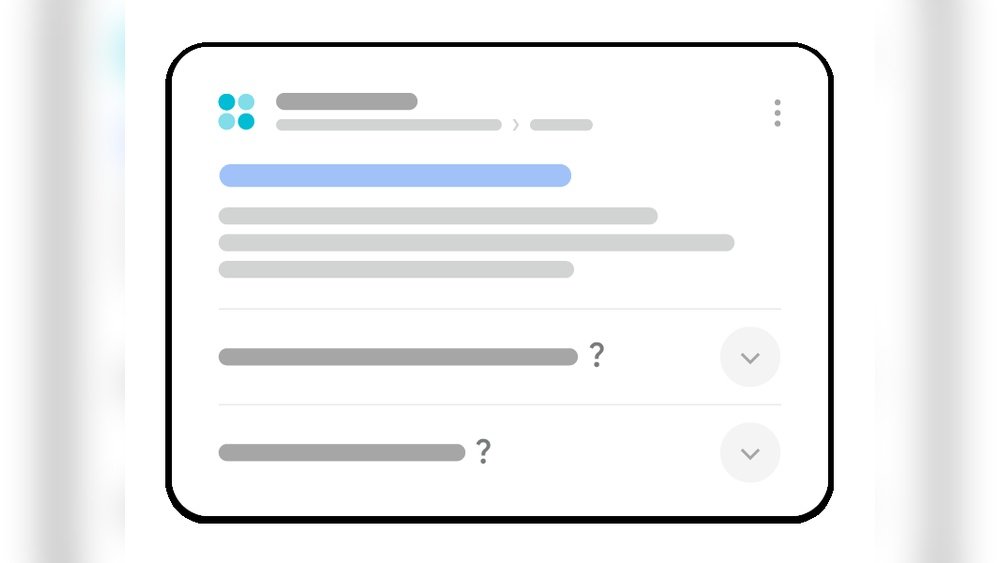
Have questions? You’re not alone.
Thank you for reading this post, don't forget to subscribe!When you’re trying to learn something new or solve a problem, clear answers can save you time and frustration. That’s exactly why FAQs exist—to give you quick, straightforward solutions without digging through endless information. You’ll find the most important and helpful answers to your common questions.
Keep reading, and you’ll get the clarity you need to move forward with confidence.
Common Questions About Basics
Many people have basic questions about the topic. These questions help clear up confusion. They also give a better start for beginners. Below are some common questions and clear answers.
What Are The Basics?
The basics are the simple, important parts. They help you understand the whole topic. Learning the basics first makes everything easier.
Why Should I Learn The Basics First?
Basics build a strong foundation. Without them, it is hard to understand more. They save time and reduce mistakes later.
How Long Does It Take To Learn The Basics?
Time varies for each person. Some learn in a few days. Others may take a few weeks. Practice helps speed up learning.
Can I Skip The Basics?
Skipping basics causes problems later. You may miss important details. It is best to start with the basics.
Where Can I Find Good Basic Lessons?
Look for simple guides and videos. Books and websites for beginners work well. Choose sources that explain clearly and slowly.
Troubleshooting Frequent Issues
Troubleshooting frequent issues helps solve common problems quickly. This section guides you through simple fixes. You will learn easy steps to handle usual errors. Follow these tips to save time and avoid frustration.
How To Fix Connection Problems
Start by checking your internet or device connection. Restart your modem or router. Make sure cables are plugged in properly. Clear your browser cache and cookies. Try a different browser or device. Update your software to the latest version. These steps often solve connection problems fast.
Resolving Login Issues
Confirm your username and password are correct. Reset your password if you forget it. Check if your account is locked or disabled. Clear your browser cache to remove old data. Disable browser extensions that might block login. Try logging in from a different device. These actions help regain account access.
Dealing With Slow Performance
Close apps or tabs you do not use. Clear cache and cookies to free up space. Restart your device to refresh memory. Check for software updates and install them. Scan for viruses or malware regularly. Use a wired connection instead of Wi-Fi if possible. These tips improve speed and performance.
Solving Payment Errors
Verify your payment details are accurate. Ensure your card has enough funds. Contact your bank if payments get declined. Clear your browser cache before trying again. Try a different payment method if available. Check for site maintenance that might delay payments. Follow these steps to fix payment issues.
Tips For Getting Started
Starting something new can feel hard. Simple steps help you begin with confidence. These tips make your start smooth and clear. Follow easy advice to avoid common mistakes.
Small actions build strong habits. Keep your goals clear and stay patient. Success grows from steady effort over time.
Set Clear Goals
Know what you want to achieve. Write down your goals. Clear goals guide your actions every day. They help you stay focused and motivated.
Create A Simple Plan
Break your goal into small steps. Plan what to do each day or week. A simple plan stops confusion and keeps progress steady.
Start With Easy Tasks
Begin with tasks you find simple. This builds your confidence fast. Easy wins push you forward to harder challenges.
Use Available Resources
Look for tools and help around you. Books, videos, or friends can support you. Use what is easy to access and understand.
Stay Consistent
Work a little every day. Consistency beats short bursts of effort. Small daily actions lead to big results.
Payment And Billing Queries
Payment and billing queries are common for many users. Understanding these topics helps avoid confusion and delays. Clear answers make managing payments easier. This section covers key questions about payments and billing.
How Can I Update My Payment Information?
To update payment details, log into your account. Go to the billing or payment settings. Enter your new card or bank information. Save changes before exiting. This keeps your payments smooth and on time.
What Payment Methods Are Accepted?
Most systems accept major credit and debit cards. Some accept PayPal or bank transfers. Check your billing page for exact options. Using accepted methods avoids payment failures.
When Will I Be Charged?
Charges usually happen on the billing date. This date depends on your subscription or purchase. You get a reminder before payment. This helps you prepare and avoid missed payments.
Can I Get A Refund?
Refund policies vary by service. Some offer full refunds within a time frame. Others have partial refunds or no refunds. Check the refund policy before buying. Contact support to request a refund.
How Do I View My Billing History?
Billing history shows past payments and invoices. Access it through your account settings. Download or print invoices if needed. This helps track spending and resolve disputes.
Account Management Tips
Managing your account well keeps your data safe and your experience smooth. Good habits help avoid mistakes and save time. Simple steps make a big difference in handling your account.
Follow clear tips to keep control and stay organized. These ideas work for many types of accounts, from email to shopping sites. Use these tips to protect your personal info and keep things running well.
Keep Your Passwords Strong And Unique
Create passwords with letters, numbers, and symbols. Avoid using the same password on different sites. Change passwords regularly to reduce risk. Use a password manager to store them safely.
Update Your Contact Information
Check your email and phone number often. Update them if they change. This helps with account recovery and important alerts. Make sure notifications reach you without delay.
Review Account Activity Regularly
Look at your login history and actions. Spot any strange activity fast. Report problems to support right away. This keeps your account secure and under your control.
Set Up Two-factor Authentication
Add an extra step to log in. Use your phone or email for a code. This makes it harder for others to access your account. Turn it on for extra protection.
Organize Your Account Settings
Check privacy and security options. Turn off what you don’t need. Keep your profile information up to date. This helps control who sees your data.
Credit: developers.google.com
Privacy And Security Concerns
Privacy and security concerns affect many users today. People worry about how their data is collected and used. Protecting personal information is important for trust and safety.
Many ask how companies keep data safe. Others want to know what risks exist online. Understanding these issues helps users make better choices.
What Types Of Data Are Collected?
Companies often collect names, emails, and locations. Sometimes, browsing habits and device details are tracked. This data helps improve services but may raise privacy issues.
How Is My Data Protected?
Strong encryption keeps data safe during transfer. Secure servers store information with limited access. Regular security checks help prevent breaches and leaks.
Can My Data Be Shared?
Data sharing depends on company policies and laws. Some companies share data with partners for ads or research. Users should read privacy policies to understand sharing rules.
What Should I Do To Stay Safe?
Use strong, unique passwords for each account. Enable two-factor authentication for extra security. Avoid sharing sensitive info on public Wi-Fi or unknown sites.
Contact And Support Options
Contact and support options help users get quick answers and solutions. Knowing where to find help saves time and reduces stress. Different methods suit different needs and preferences. Support teams aim to assist clearly and fast.
Phone Support
Phone support offers direct contact with a real person. It works well for urgent or complex issues. Call centers usually operate during set hours. Prepare your questions before calling to save time.
Email Support
Email support provides a written record of your query. It suits non-urgent questions and detailed explanations. Replies may take a few hours to a day. Use clear and simple language in your message.
Live Chat
Live chat allows instant messaging with support agents. It is fast and convenient for quick questions. Chat windows often appear on the website. Keep your information ready for smooth communication.
Help Center Or Faq Pages
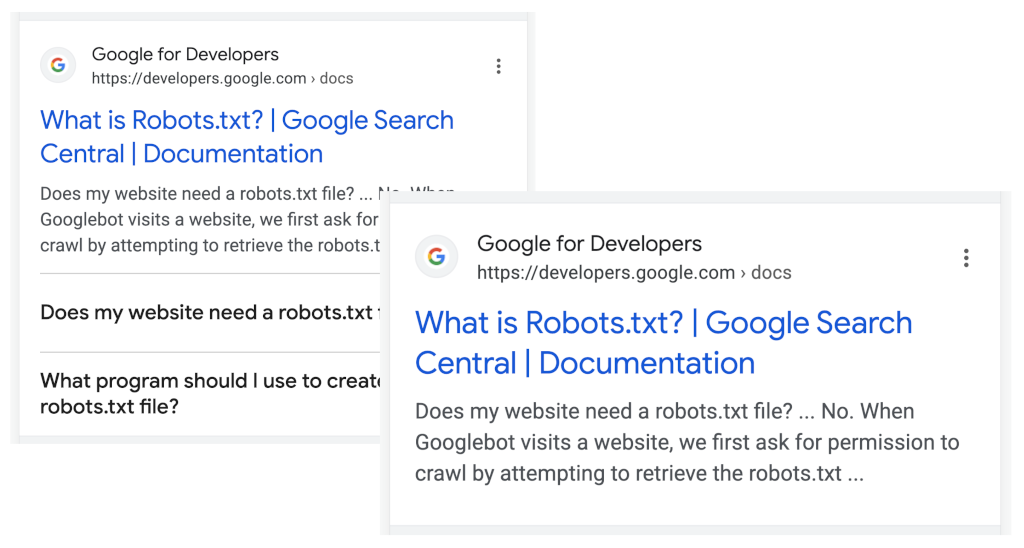
Help centers offer articles and guides for common issues. FAQs provide quick answers to typical questions. They are available 24/7 and easy to access. Great for self-service and learning at your own pace.
Credit: apps.shopify.com
Credit: www.superoffice.com
Frequently Asked Questions
What Does Faq Mean In A Blog Post?
FAQ stands for Frequently Asked Questions. It helps readers find quick answers to common questions. This section saves time and clears doubts.
Why Include An Faq Section On My Website?
An FAQ section improves user experience by providing instant answers. It reduces support requests and boosts site engagement. Visitors feel more confident.
How Do Faqs Improve Seo Rankings?
FAQs add relevant keywords naturally to your content. They increase page relevance and help search engines understand your topic. This can boost your ranking.
What Questions Should I Add To My Faq?
Add questions that your audience often asks. Focus on simple, clear, and common concerns related to your topic. Keep questions short and specific.
How Often Should I Update My Faq Content?
Update FAQs regularly to keep information accurate and relevant. Review them at least every 3-6 months. This ensures fresh content for readers and search engines.
Can Faq Answers Be Short And Still Helpful?
Yes, short answers work well if they are clear and direct. Use simple words and avoid extra details. This helps readers find quick solutions.
Should I Use Keywords In My Faq Answers?
Including keywords naturally helps SEO without sounding forced. Use related terms readers search for. It improves visibility and matches user intent.
Conclusion
This FAQ guide answers common questions clearly and simply. It helps you find quick solutions without confusion. Use it anytime you need fast, easy answers. Keep this resource handy for future reference. Clear information saves time and reduces stress. Stay informed and confident with these helpful tips.
Your questions deserve simple, direct answers. Keep exploring to learn even more.
