

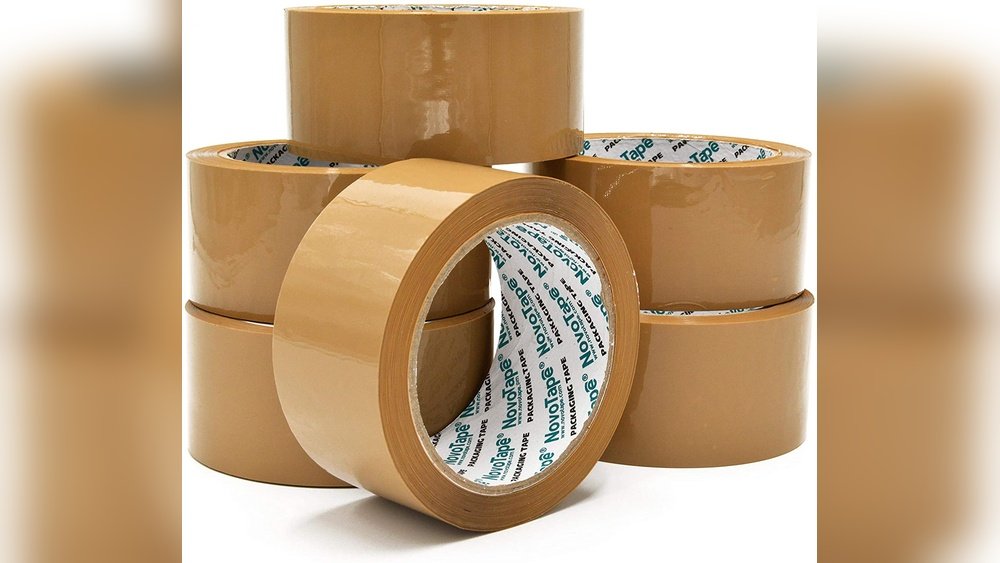
When it comes to packing, one small item can make a huge difference: pack tape. You might think any tape will do, but the right pack tape can keep your boxes sealed tight, protect your belongings, and save you from messy spills or damage.
Thank you for reading this post, don't forget to subscribe!Whether you’re moving, shipping, or just organizing, choosing the best pack tape is key to making your task easier and stress-free. Keep reading to discover how to pick the perfect pack tape for your needs and avoid common packing mistakes that many overlook.
Your next move will thank you!

Credit: www.amazon.com
Types Of Pack Tape
Pack tape comes in various types, each designed for specific uses. Choosing the right tape ensures packages stay secure during transit. Understanding the common types helps pick the best tape for your needs.
Different materials and strengths suit different packing tasks. Some tapes stick well to cardboard, while others add extra strength or tear easily for quick removal.
Plastic Tapes
Plastic tapes are the most common type of pack tape. They usually come in clear or brown colors. These tapes are strong and resist moisture well. They stick firmly to boxes and keep them sealed tightly. Plastic tapes work best for everyday packing needs.
Paper Tapes
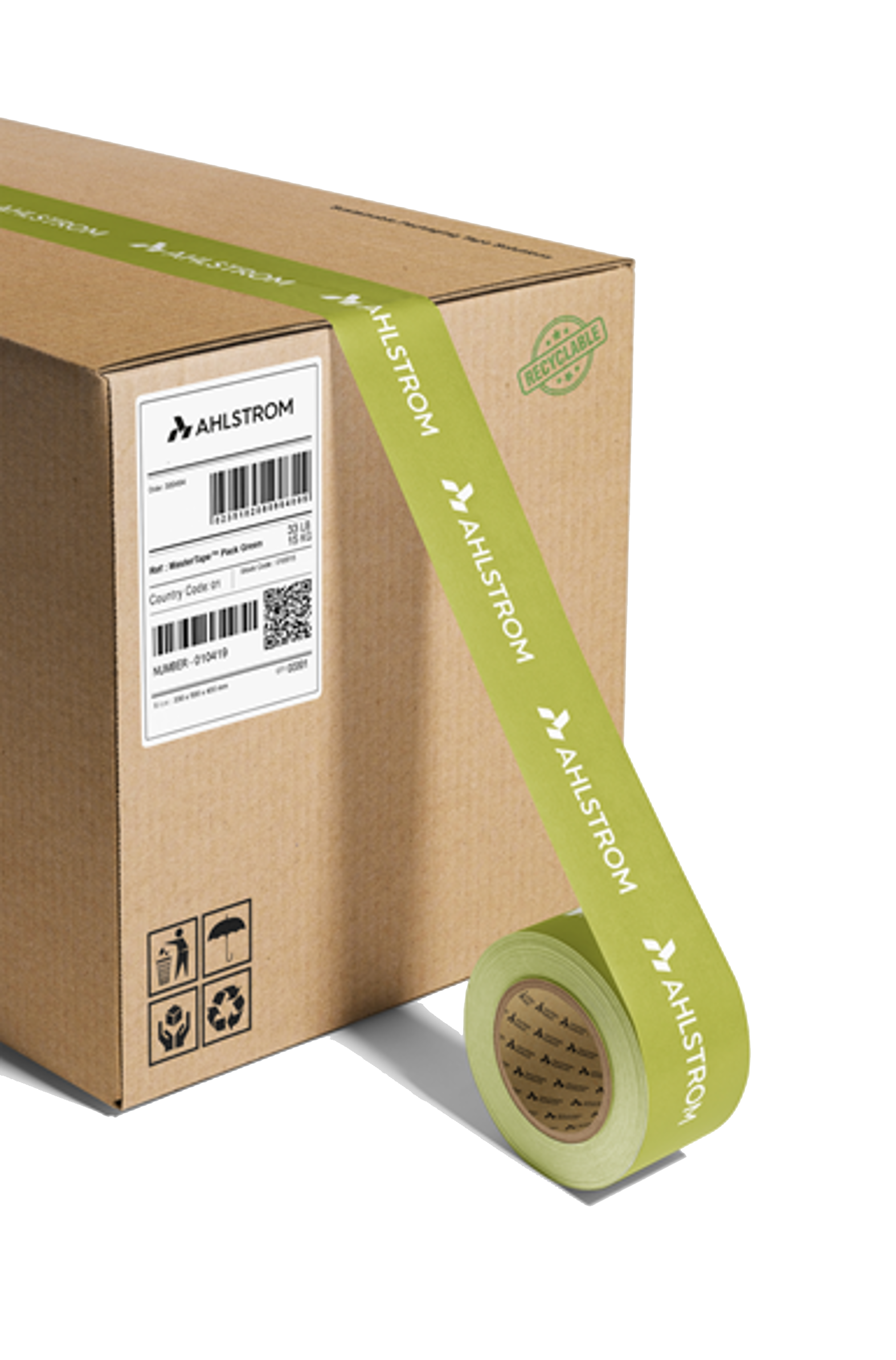
Paper tapes are eco-friendly and easy to tear by hand. They stick well to paper and cardboard surfaces. These tapes often use water-activated glue for a strong bond. Paper tapes are great for recycling and safe shipping options. They break down faster than plastic tapes in the environment.
Filament Tapes
Filament tapes contain fiberglass filaments inside for extra strength. They are very strong and resist tearing. These tapes hold heavy packages and bundles securely. Filament tapes are ideal for industrial packing or heavy-duty use. Their high tensile strength makes them reliable for tough jobs.
Key Features To Consider
Choosing the right pack tape is important for secure packaging. Not all tapes work the same. Some hold better, last longer, or fit certain boxes better.
Understanding key features helps pick the best tape for your needs. These features affect how well the tape performs.
Adhesion Strength
Adhesion strength shows how well the tape sticks to surfaces. Strong adhesion keeps packages sealed during shipping. Weak tape can peel off and cause damage. Consider the surface type and weight of the box. Some tapes work better on cardboard, plastic, or metal.
Durability
Durability means how long the tape lasts without breaking or losing stickiness. Durable tape resists tearing and stays stuck in different conditions. It should handle moisture, heat, and cold. Durable tape protects packages through rough handling and long trips.
Thickness
Thickness affects tape strength and flexibility. Thicker tape is stronger but less flexible. Thin tape bends easily but may tear faster. Choose thickness based on package size and weight. Heavy boxes need thick tape for extra support. Small packages may only need thin tape.
Choosing Tape For Different Surfaces
Choosing the right tape for different surfaces is key to secure packaging. Each surface type needs a specific tape for the best hold. Using the wrong tape can cause packages to open or get damaged. Below are tips for selecting tape for common surfaces.
Cardboard Boxes
Cardboard is rough and porous. Use acrylic or hot melt tape for strong adhesion. These tapes stick well and resist moisture. Paper tape with water-activated glue also works well. Avoid tapes with weak glue on cardboard.
Plastic Containers
Plastic surfaces are smooth and less porous. Use tapes with rubber-based adhesives for a better grip. Clear packing tape or vinyl tape sticks well on plastics. Avoid paper tapes as they peel off easily.
Metal Packages
Metal is smooth and cold. Use strong tapes like aluminum foil tape or duct tape. These tapes handle cold and stick tightly to metal. Avoid tapes that dry out or lose stickiness on metal.
Weather Resistance And Environmental Factors
Pack tape often faces tough weather and environmental conditions. Its ability to resist these factors matters a lot. Weather resistance ensures the tape stays strong and keeps packages safe. This section explains how pack tape handles temperature, moisture, and sunlight.
Temperature Tolerance
Pack tape must handle both cold and hot temperatures. Some tapes stay sticky even in freezing weather. Others do well in heat without melting or losing grip. Good temperature tolerance means the tape works well outside and inside.
Moisture Resistance
Moisture can weaken many adhesives. Pack tape with moisture resistance keeps holding tight despite rain or humidity. It stops water from soaking through and ruining the seal. This feature helps protect packages during shipping or storage.
Uv Protection
Sunlight can break down tape over time. UV protection helps pack tape last longer under the sun. It prevents fading, cracking, and loss of stickiness. UV-resistant tape is best for outdoor use or long journeys.
Application Techniques For Strong Seals
Strong seals with pack tape keep packages safe during shipping and storage. Proper techniques help the tape stick well and last longer. Small steps make a big difference in sealing boxes securely.
Focus on clean surfaces, correct taping styles, and using helpful tools. These tips improve tape strength and prevent boxes from opening unexpectedly.
Surface Preparation
Clean the box surface before applying tape. Dust, dirt, or moisture reduce tape stickiness. Use a dry cloth to wipe surfaces. Make sure the area is dry and smooth. Avoid taping on rough or oily spots.
Proper Taping Methods
Start taping from the center of the box. Press tape firmly along edges and corners. Use at least two layers for extra strength. Overlap tape strips slightly to avoid gaps. Keep tape tight without stretching it too much.
Tools To Use
Use a tape dispenser for fast, clean cuts. It helps apply tape evenly and saves time. Scissors or utility knives work but can be less precise. Choose high-quality tape for better adhesion. Tools make sealing easier and more effective.
Credit: www.ahlstrom.com
Eco-friendly Tape Options
Eco-friendly tape options help reduce waste and protect nature. Choosing the right tape supports a cleaner environment. These tapes break down faster or use less harmful materials. They work well for packing and sealing while being better for the planet.
Biodegradable Tapes
Biodegradable tapes break down naturally in soil or water. They use natural adhesives and materials like paper or plant fibers. These tapes do not leave plastic waste behind. Ideal for short-term use and compostable packaging. They keep packages secure and reduce pollution.
Recycled Material Tapes
Recycled material tapes use plastics or papers from old products. This process saves resources and lowers landfill waste. They look and feel like regular packing tape. Strong enough for shipping and storage. Choosing recycled tapes supports recycling industries and cuts down raw material use.
Common Mistakes To Avoid
Using pack tape might seem easy. Yet, many make simple errors that cause problems. Avoiding these mistakes helps your packages stay safe and secure. Learn the common pitfalls to keep your packing smooth.
Incorrect Tape Selection
Choosing the wrong tape can ruin your package. Not all tapes suit every box or weight. Thin tape breaks easily on heavy boxes. Thick tape may not stick well on some surfaces. Always pick tape made for your box type and weight. This saves time and prevents damage.
Poor Application
Applying tape carelessly weakens the seal. Wrinkled or loose tape peels off quickly. Stretch the tape evenly and press it down firmly. Cover all edges and seams fully. Use enough tape to hold the box tight. A neat application keeps your package safe during shipping.
Ignoring Tape Storage
Store tape in a cool, dry place. Heat and moisture make tape sticky or brittle. Old tape loses its grip and breaks easily. Keep tape rolls sealed when not in use. Proper storage extends tape life and ensures strong sealing every time.
Credit: www.homedepot.com
Frequently Asked Questions
What Is Pack Tape Used For In Packaging?
Pack tape seals boxes securely for shipping and storage. It keeps items safe during transport and handling.
How Strong Is Pack Tape Compared To Regular Tape?
Pack tape is much stronger than regular tape. It resists tearing and holds heavy packages firmly.
Can Pack Tape Be Used On All Box Types?
Pack tape works well on cardboard, plastic, and paper boxes. It sticks best to dry and clean surfaces.
How Do I Choose The Right Pack Tape Thickness?
Choose thicker tape for heavy or large packages. Thin tape suits light or small boxes for sealing.
Is Pack Tape Waterproof Or Water-resistant?
Most pack tapes are water-resistant, protecting against moisture. True waterproof tapes are available for wet conditions.
Can Pack Tape Be Removed Without Damaging Boxes?
Pack tape can be removed carefully to avoid damage. Slow peeling helps keep boxes intact for reuse.
What Are The Common Pack Tape Widths Available?
Standard widths include 2 inches and 3 inches. Choose width based on box size and sealing needs.
Conclusion
Pack tape holds your items tight and secure. It helps prevent damage during moving or storage. Choose the right tape for strong, lasting hold. Clear or brown tapes suit different packing needs. Easy to use and affordable, pack tape saves time.
Keep it handy for any packing or shipping task. Small but important for every home or office move. Trust pack tape to keep boxes sealed and safe. Simple, effective, and reliable—an essential packing tool.
