

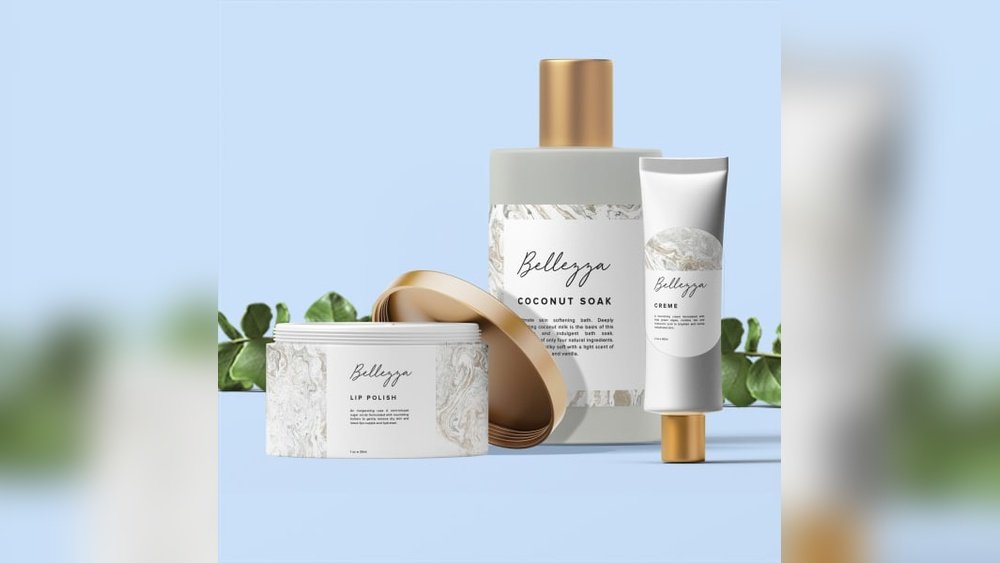
When you pick up a health or beauty product, have you ever stopped to check the label? Those little details on the bottle or box hold the key to what you’re really putting on your skin or into your body.
Thank you for reading this post, don't forget to subscribe!Understanding health beauty labels can help you make smarter choices that protect your well-being and boost your confidence. If you want to feel good about what you use every day, knowing what those labels mean is a game-changer. Keep reading, and you’ll discover simple tips to decode labels like a pro—so you get exactly what your body deserves.
Health Beauty Labels Decoded
Health beauty labels can be confusing. They use many words and symbols. These labels tell you what is inside the product. They also show how safe and natural the product is.
Understanding these labels helps you choose better products. It saves time and money. It also protects your skin and health.
What Does “Organic” Mean?Organic means the product has natural ingredients. These ingredients are grown without chemicals or pesticides. Organic products are safer for sensitive skin. They avoid harmful substances that can cause allergies.
Understanding “Cruelty-Free” LabelsCruelty-free means no animal testing was done. Brands with this label do not harm animals. This label shows a product is kind and ethical. It helps buyers support humane practices.
Decoding “Non-Comedogenic”Non-comedogenic means the product does not block pores. It lowers the chance of acne or breakouts. This label is good for oily and acne-prone skin. It helps keep skin clean and clear.
What Is “Hypoallergenic”?Hypoallergenic products are less likely to cause allergies. They contain fewer irritants and harsh chemicals. People with sensitive skin benefit from these products. It means the product is gentle on skin.
Meaning of “Paraben-Free”Paraben-free means no parabens in the product. Parabens are preservatives that may cause skin issues. Many people avoid parabens for safer skincare. This label shows a cleaner and safer formula.

Credit: ehg.net
Key Ingredients To Look For
Health beauty labels show what ingredients are inside a product. These ingredients affect your skin and overall health. Knowing the key ingredients helps you pick safe and effective products. Some ingredients nourish, protect, and heal your skin. Others may cause harm or irritation. Focus on simple, natural, and proven ingredients for the best results.
Hydrating Ingredients
Hydrating ingredients keep your skin soft and smooth. Look for hyaluronic acid, glycerin, and aloe vera. These ingredients draw moisture into the skin. They prevent dryness and flaking. Hydration helps skin stay healthy and glowing.
Antioxidants
Antioxidants protect skin from damage by free radicals. Vitamin C, vitamin E, and green tea extract are common antioxidants. They reduce signs of aging and brighten skin. Antioxidants support skin repair and health.
Soothing Agents
Soothing agents calm irritated or sensitive skin. Ingredients like chamomile, calendula, and oat extract reduce redness. They help skin feel comfortable and less inflamed. Good for all skin types, especially sensitive skin.
Natural Oils
Natural oils nourish and strengthen the skin barrier. Jojoba oil, argan oil, and coconut oil are popular choices. These oils add moisture without clogging pores. They also provide vitamins and antioxidants.
Spf Ingredients
SPF ingredients protect skin from harmful UV rays. Zinc oxide and titanium dioxide are physical blockers. These help prevent sunburn and skin damage. Daily sun protection keeps skin youthful and healthy.
Common Harmful Chemicals To Avoid
Many health and beauty products contain chemicals that harm your skin and body. These harmful ingredients can cause allergies, irritation, or worse health problems. Knowing which chemicals to avoid helps you choose safer products.
Read labels carefully. Avoid products that list these common harmful chemicals.
Parabens
Parabens are preservatives in many cosmetics. They stop bacteria growth but may disrupt hormones. This can lead to skin problems and other health risks.
Sulfates
Sulfates clean and create foam in shampoos and soaps. They can strip natural oils from your skin and hair. This causes dryness and irritation.
Phthalates
Phthalates make fragrances last longer in beauty products. They may affect the hormone system and cause birth defects. Avoid products with “fragrance” if you want to skip phthalates.
Formaldehyde
Formaldehyde is a preservative and disinfectant. It can cause allergic reactions and skin irritation. Long exposure may increase cancer risk.
Triclosan
Triclosan fights bacteria in soaps and toothpaste. It may harm your hormone balance and cause resistant bacteria. Safer options exist without triclosan.
Certifications That Ensure Safety
Health beauty labels show that products meet safety and quality rules. These labels help buyers trust what they use on their skin or hair. Certifications prove that products are tested and safe for use.
They also show the product does not harm health or the environment. Knowing these certifications helps you choose safe and reliable beauty items.
Iso Certification
ISO certification shows the product meets international safety standards. It means the company follows strict rules for quality and safety. Products with ISO labels go through many tests to ensure safety.
Fda Approval
FDA approval means the product is safe for consumers in the USA. The FDA checks ingredients and production processes. This approval helps avoid harmful chemicals and unsafe products.
Ecocert Certification
EcoCert certifies products made from natural and organic ingredients. It ensures no harmful chemicals or synthetic substances are used. This certification supports safer and eco-friendly beauty products.
Leaping Bunny Logo
The Leaping Bunny logo means no animal testing was done. It shows the product is cruelty-free and safe. Many buyers trust this label for ethical and safe beauty products.
Reading Labels For Skin Type
Reading labels on health and beauty products helps you choose the right items for your skin. Each skin type needs specific care. Labels guide you to avoid ingredients that might harm your skin. They also show what benefits a product offers. Understanding these details saves time and money.
Skin types differ. Some are dry, oily, sensitive, or combination. Labels help spot products made for each type. Knowing your skin type is the first step. Then, you can read labels to find the best match.
Identifying Your Skin Type On Labels
Look for words like “for dry skin” or “for oily skin.” These indicate the product suits that skin type. Products for dry skin often say “hydrating” or “moisturizing.” Those for oily skin might say “oil-free” or “matte finish.”
Ingredients To Watch For Dry Skin
Labels with “glycerin,” “hyaluronic acid,” or “shea butter” help dry skin. These ingredients add moisture and prevent flaking. Avoid harsh alcohols that dry out the skin more.
Ingredients Best For Oily Skin
Look for “salicylic acid,” “clay,” or “charcoal” on the label. These help control oil and reduce shine. Products labeled “non-comedogenic” prevent clogged pores.
Choosing Products For Sensitive Skin
Find labels saying “fragrance-free” or “hypoallergenic.” These products reduce irritation and redness. Avoid strong chemicals and dyes listed in the ingredients.
What To Find For Combination Skin
Combination skin needs balance. Labels with “lightweight” or “balancing” formulas work well. Ingredients like “niacinamide” help control oil and hydrate dry areas.
Credit: www.avery.com
Impact Of Labels On Skin Health
Health beauty labels provide important information about skincare products. They help people choose items that suit their skin type and needs. Reading labels can prevent skin problems caused by harmful ingredients. Clear labels guide users to safe and effective products.
Labels also explain product benefits, like hydration or sun protection. They list ingredients, which is crucial for sensitive skin. Knowing what is inside a product helps avoid allergies and irritation. Labels often show if a product is tested for safety and quality.
Understanding Ingredient Lists
Ingredients are the building blocks of skincare products. Labels list these ingredients from highest to lowest amount. Simple terms help buyers identify natural or synthetic components. Avoiding harsh chemicals reduces skin irritation and dryness. Look for familiar ingredients that improve skin health.
Allergy Warnings And Sensitivity Notices
Labels often include warnings about allergens. These warnings protect sensitive skin from reactions. Common allergens like nuts or fragrances appear on labels. Sensitivity notices tell if a product is tested for mildness. Such details help prevent redness, itching, or breakouts.
Expiration Dates And Product Safety
Expiration dates on labels ensure product safety. Using expired products can harm skin and cause infections. Labels show the shelf life and storage advice. Proper storage maintains product effectiveness and hygiene. Checking dates helps keep skin care safe and fresh.
Tips For Choosing Radiant Skin Products
Choosing the right skin products can make a big difference in your skin’s glow. Not all products suit every skin type. Picking the best product means understanding your skin and what it needs.
Here are easy tips to help you select products that bring out radiant, healthy skin. Simple steps lead to better skin care results.
Identify Your Skin Type
Know if your skin is dry, oily, or combination. This helps you avoid products that cause irritation. Choose products made for your skin type to get the best results.
Check Ingredients Carefully
Look for natural and gentle ingredients. Avoid harsh chemicals like parabens and sulfates. Ingredients like vitamin C and hyaluronic acid help brighten and hydrate skin.
Test For Allergies
Do a small patch test before using new products. This prevents rashes and redness. Wait 24 hours to see if your skin reacts.
Consider Your Skin Concerns
Choose products that target your issues. For example, pick brightening products for dull skin. Use soothing products for sensitive skin.
Read Product Reviews
See what others say about the product. Honest reviews help find effective items. Look for reviews from people with skin like yours.
Credit: columbialabel.com
Frequently Asked Questions
What Do Health Beauty Labels On Products Mean?
Health beauty labels show if a product is safe and good for your skin. They help you choose items without harmful chemicals. These labels guide buyers towards healthier beauty options.
How Can I Identify Natural Ingredients On Beauty Labels?
Look for words like “organic,” “natural,” or plant names on labels. These often mean fewer synthetic chemicals. Reading labels carefully helps find gentle and pure products.
Why Are Cruelty-free Labels Important In Beauty Products?
Cruelty-free means no animal testing was done. This supports kinder treatment of animals. Many people prefer these products for ethical reasons.
What Does “hypoallergenic” Mean On Beauty Product Labels?
Hypoallergenic products are less likely to cause skin allergies. They are made with gentle ingredients. Ideal for sensitive skin types needing extra care.
Are Paraben-free Labels Better For Health?
Paraben-free means the product does not contain preservatives called parabens. Some studies link parabens to health risks. Choosing paraben-free products can reduce chemical exposure.
How Reliable Are Organic Beauty Labels?
Organic labels mean ingredients come from natural farming without chemicals. Certification ensures strict standards are met. This gives more trust in product purity.
Can Beauty Labels Guarantee Product Safety?
Labels provide useful information but don’t guarantee safety for everyone. Skin types and allergies vary. Testing a small patch of skin is always smart.
Conclusion
Health beauty labels help you choose safe and natural products. They show important information about ingredients and benefits. Reading labels can protect your skin and health. Trustworthy labels make shopping easier and smarter. Always check labels before buying beauty items.
Your health deserves clear and honest information. Stay informed and make good choices every day.
