

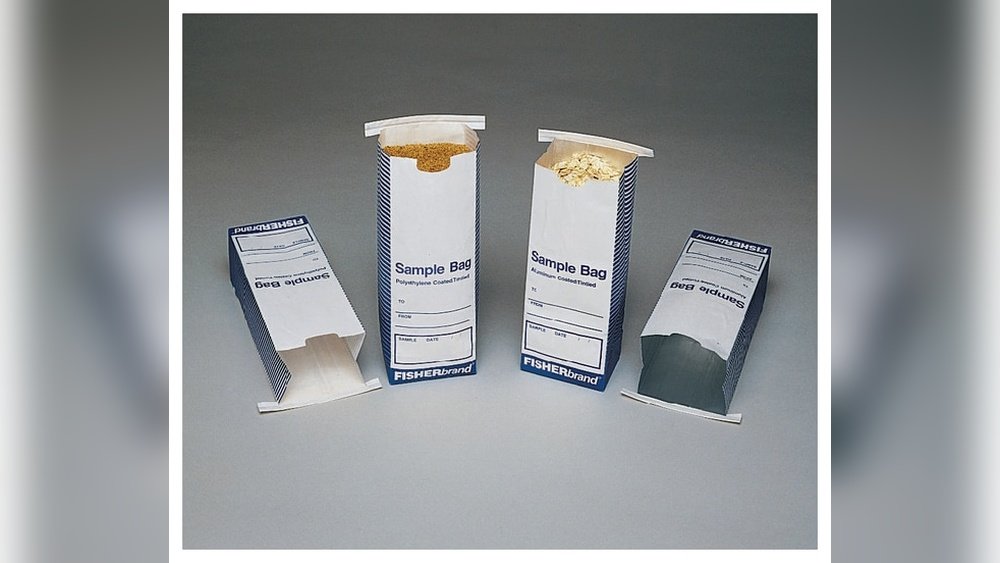
Are you looking for the perfect way to test out paper bags before making a big purchase? Getting paper bags samples can save you time, money, and hassle.
Thank you for reading this post, don't forget to subscribe!Imagine holding your product in a bag that feels just right—sturdy, eco-friendly, and stylish. That’s exactly what a good sample helps you discover. You’ll learn why requesting paper bags samples is a smart move, how to choose the best ones for your needs, and what to look for to make sure your brand stands out.
Keep reading to find out how you can make your packaging work harder for you.
Credit: www.axialsupplies.com
Benefits Of Paper Bags For Branding
Paper bags offer many benefits for branding. They help businesses stand out in a simple way. Using paper bags as a marketing tool is smart. They create a lasting impression on customers. Paper bags also show that a brand cares about the environment. This builds trust and loyalty with buyers.
Custom Designs Attract More Attention
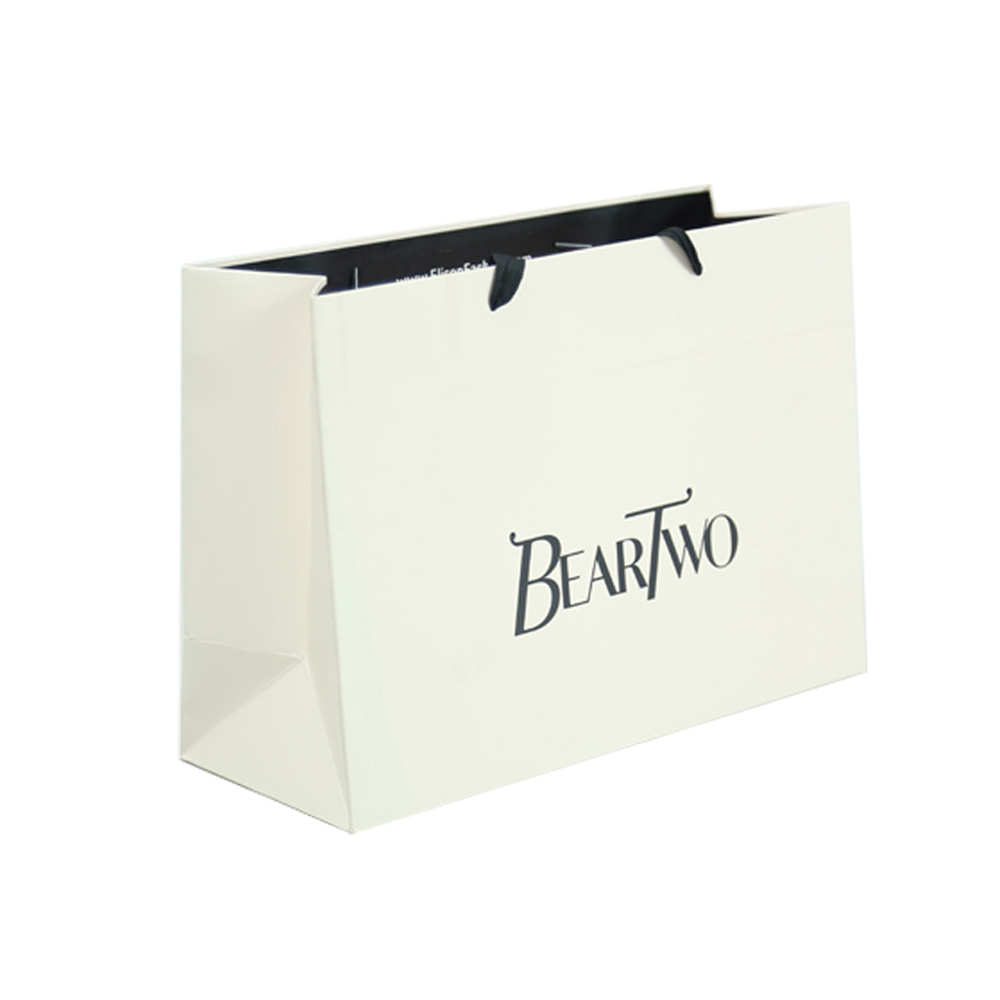
Paper bags can have custom logos and colors. This makes the brand easy to see and remember. A unique design catches the eye of shoppers. It turns ordinary bags into moving advertisements. Every bag carries the brand message to new places.
Eco-friendly Image Boosts Brand Reputation
Many customers prefer brands that protect nature. Paper bags show a business cares about the planet. Using them helps create a green and clean image. It makes customers feel good about their choices. This positive feeling links directly to the brand.
Cost-effective Marketing Solution
Paper bags cost less than many other advertising methods. Printing on bags is affordable and reaches many people. Businesses get value for their marketing budget. Bags last longer and continue to promote the brand. It’s a simple way to spread brand awareness.
Enhances Customer Experience
Paper bags add value to the shopping experience. They feel sturdy and look nice. Customers enjoy receiving well-made bags. This small touch makes shopping more pleasant. Happy customers talk about the brand with others.
Types Of Paper Bag Designs
Paper bags come in many designs. Each design suits different needs and styles.
Choosing the right paper bag design helps show your brand clearly. It also makes carrying items easier and safer.
Flat Paper Bags
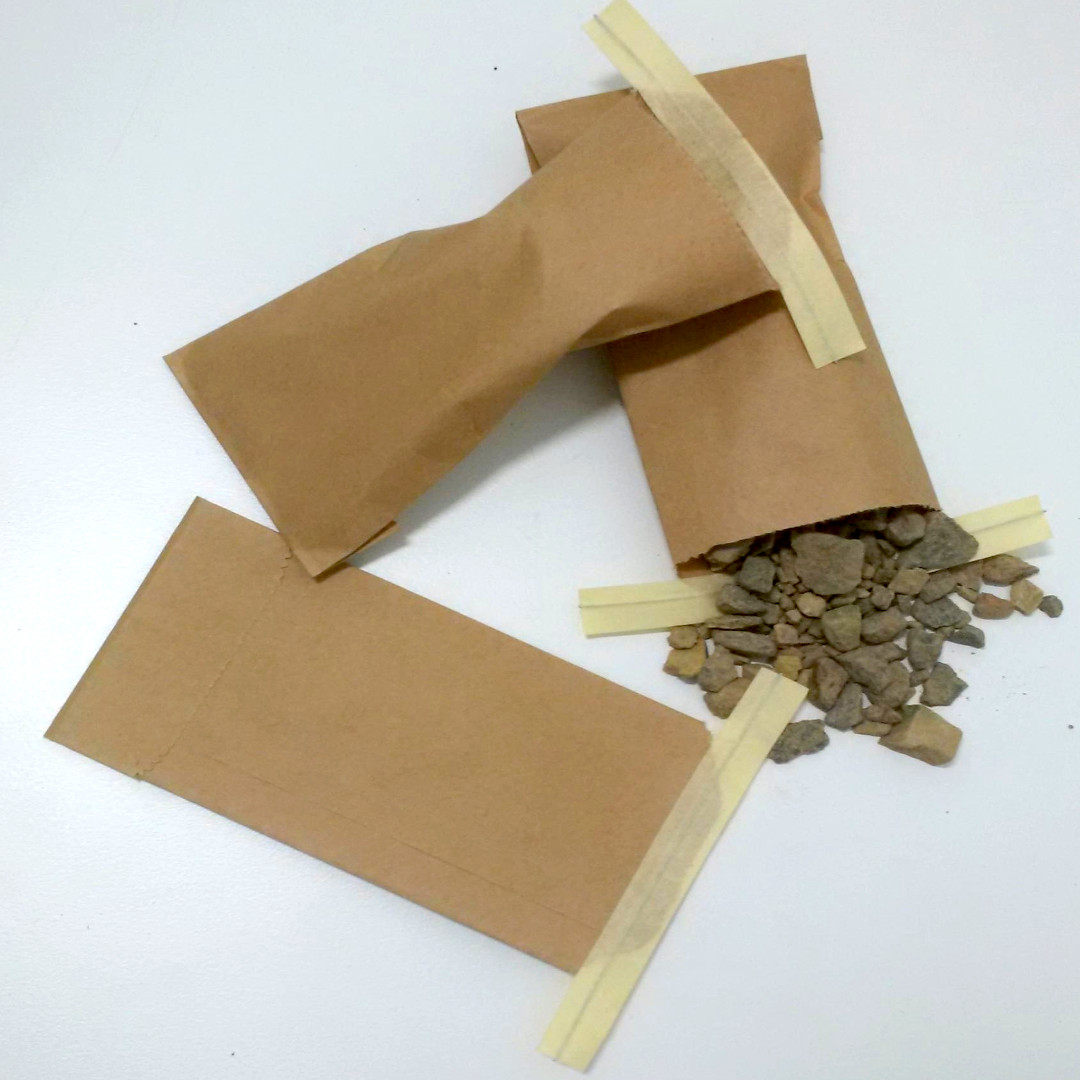
Flat paper bags are simple and easy to fold. They usually have no handles. These bags work well for light items or gifts. They save space and are cost-effective.
Gusseted Paper Bags
Gusseted bags have extra space at the sides or bottom. This makes them wider and stronger. They hold bulkier or heavier items well. Perfect for groceries or clothes.
Twisted Handle Paper Bags
These bags have strong, twisted paper handles. The handles offer a good grip. They look neat and carry weight well. Ideal for takeout food or retail shopping.
Flat Handle Paper Bags
Flat handle bags have flat, wide handles. They are comfortable to hold. Often used in stores for clothes or gifts. They give a clean, stylish look.
Die-cut Handle Paper Bags
Die-cut bags have handles cut directly into the paper. They offer a modern, sleek style. Usually used for light items. Easy to carry and store.
Material Choices And Their Impact
Choosing the right material for paper bags affects their strength and look. The material also impacts the bag’s environmental effect. Different materials suit different uses and budgets.
Understanding these choices helps you pick the best paper bag. This section explains common materials and their key traits.
Types Of Paper Used For Bags
Kraft paper is popular for its strength and durability. It resists tears and holds heavy items well. White paper looks clean and bright but is less strong. Recycled paper uses less energy and helps reduce waste. Each paper type changes how the bag feels and holds up.
Coatings And Finishes
Coatings protect paper bags from moisture and dirt. Matte finishes give a soft, natural look. Glossy finishes make colors pop and feel smooth. Some coatings may affect how easy it is to recycle the bag. Choose coatings based on the bag’s use and style.
Environmental Impact Of Materials
Natural fibers break down faster in nature. Recycled papers save trees and cut pollution. Some materials need more water or energy to produce. The best choice lowers waste and pollution. Eco-friendly bags help protect the planet for the future.

Credit: weiyipackaging.en.made-in-china.com
Creative Design Elements
Creative design elements make paper bags stand out. They help brands show personality and style. These elements turn simple bags into unique marketing tools. Well-designed bags catch attention and leave a lasting impression.
Design choices affect how people see a brand. They also influence customer feelings and buying decisions. Using the right colors, shapes, and textures can make bags more appealing. Creative designs invite customers to interact with the product.
Color Palettes
Colors set the mood and tone of a paper bag. Bright colors create energy and excitement. Soft colors bring calm and elegance. Combining colors carefully can highlight a brand’s identity. Color choices should match the brand’s message and target audience.
Typography Styles
Typography shapes how text looks on paper bags. Bold fonts grab attention quickly. Script fonts add a personal and artistic touch. Simple fonts make the message easy to read. Using the right typography supports brand recognition and clarity.
Illustrations And Patterns
Illustrations add visual interest to paper bags. They can tell a story or show product use. Patterns create texture and rhythm in the design. Both make bags more eye-catching and fun. Custom illustrations help brands appear creative and original.
Material Textures
Textures add a tactile experience to paper bags. Rough or smooth surfaces give different feelings. Textured bags can look natural or luxurious. Choosing the right texture enhances the overall design. It also improves customer connection with the bag.
Customization Techniques
Customization techniques enhance the look and feel of paper bags samples. They help brands show their style and catch customer attention. Simple changes can make a big difference in how the bag looks and feels. These techniques also improve the bag’s function and value.
Customizing paper bags lets businesses create unique packaging. It reflects the brand’s message clearly. Different methods suit different needs and budgets. Choosing the right technique makes the bag stand out on shelves.
Screen Printing
Screen printing adds vibrant colors and sharp designs to paper bags. It works well for logos and text. This method uses a mesh screen to push ink onto the bag. It is cost-effective for large orders. The print lasts long and looks professional.
Foil Stamping
Foil stamping uses heat to add shiny metal foil to paper bags. Gold, silver, or bronze foils create a luxury feel. This technique highlights logos or special details. It is perfect for high-end brands. Foil stamping adds a sleek and elegant look.
Embossing And Debossing
Embossing raises designs above the paper surface. Debossing presses them into the paper. Both create a tactile effect that customers can feel. These methods add depth and texture to the bag. They give a simple bag a classy touch.
Custom Handles
Handles can be customized in shape, size, and material. Twisted paper, rope, or ribbon handles offer different looks. Custom handles improve comfort and style. They also strengthen the bag. Unique handles make the bag easier to carry and more attractive.
Eco-friendly Inks And Materials
Using eco-friendly inks and materials appeals to green-conscious buyers. These inks are water-based and safe for the environment. Paper bags made from recycled or sustainable paper add value. Eco-friendly customization shows care for the planet. It helps build a positive brand image.
Eco-friendly Design Trends
Eco-friendly design trends in paper bags focus on reducing waste and using natural materials. These trends help protect the environment and lower pollution. Many brands choose paper bags that are reusable and biodegradable. This choice supports a cleaner planet and meets customer demand for green products.
Designers now create bags with less ink and simpler patterns. This reduces harmful chemicals and saves resources. Using recycled paper also grows popular. It gives old materials a new life and cuts down on deforestation.
Use Of Recycled Materials
Recycled paper is a top choice for eco-friendly bags. It lowers the need for fresh raw materials. This process saves trees and energy. Bags made from recycled paper break down faster in nature. Customers feel good using products that help reduce waste.
Minimalist Prints And Natural Dyes
Simple designs use fewer inks and colors. Natural dyes replace synthetic ones, which can pollute water. These dyes come from plants and minerals. They keep bags safe and non-toxic. Minimalist prints also make bags look modern and clean.
Biodegradable And Compostable Options
Bags that break down quickly in soil reduce landfill waste. Compostable bags turn into natural fertilizer. This supports healthy soil and plants. Choosing these bags helps close the recycling loop. It benefits farms and gardens after use.
Reusable And Durable Designs
Strong paper bags last through many uses. Reusable bags reduce the need for plastic alternatives. Durable designs save money and resources. They encourage customers to carry and reuse bags. This habit lowers single-use waste overall.
Case Studies Of Successful Brands
Case studies of successful brands show how paper bags can improve business. These examples highlight smart choices that helped brands grow. They used paper bags to boost their image and meet customer needs.
Each brand found unique benefits with paper bags. Their stories provide lessons for others wanting to switch to eco-friendly packaging.
Brand A: Eco-friendly Packaging Boosts Sales
Brand A switched from plastic to paper bags. Customers liked the change. Sales increased by 15% in six months. The brand shared its green story on social media. This created trust and loyalty among buyers.
Brand B: Custom Paper Bags Improve Brand Recognition
Brand B designed paper bags with their logo. The bags stood out in stores. People remembered the brand more easily. This helped increase repeat customers. The simple design also cut costs.
Brand C: Durable Paper Bags Reduce Waste
Brand C focused on bag strength. Their paper bags lasted longer than plastic ones. Customers reused them many times. This reduced waste and saved money. The brand earned praise for caring about the environment.
Credit: www.forestpacking-sh.com
Frequently Asked Questions
What Are Paper Bags Sample Used For?
Paper bags samples help buyers check quality before bulk buying. They show size, strength, and design clearly.
How Can I Request A Paper Bags Sample?
Most suppliers offer samples on request via email or website. Some may charge a small fee for shipping.
Why Choose Paper Bags Over Plastic Bags?
Paper bags are eco-friendly and biodegradable. They break down faster and reduce pollution compared to plastic.
What Materials Are Paper Bags Samples Made From?
Samples usually use kraft paper or recycled paper. These materials are strong and good for carrying items.
Can I Customize My Paper Bags Sample?
Yes, many suppliers allow custom prints, logos, and sizes on samples. This helps test your brand look.
How Long Does Delivery Take For Paper Bags Samples?
Delivery time depends on location and supplier. Usually, samples arrive within 5 to 10 business days.
Are Paper Bags Samples Reusable Or Single-use?
Paper bags can be reused if kept dry and clean. They are sturdy but less durable than plastic.
Conclusion
Paper bags samples help you choose the best option for your needs. They show size, strength, and design clearly. Testing samples saves money and avoids mistakes. Eco-friendly and reusable, paper bags support a cleaner planet. Try different types to find what fits your brand.
Simple, useful, and green. A smart choice for any business or event.
