

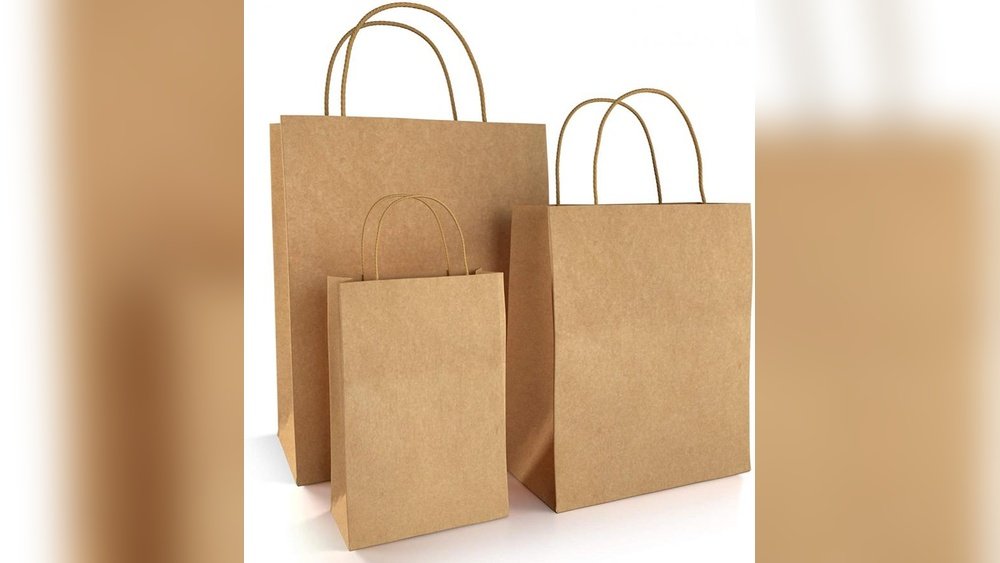
Looking for a simple, eco-friendly way to carry your items? Paper bags PFD might be exactly what you need.
Thank you for reading this post, don't forget to subscribe!These bags offer a strong, reliable option that’s gentle on the environment and perfect for your everyday use. If you want a practical choice that fits your lifestyle and values, keep reading. You’ll discover how paper bags PFD can make a real difference for you and the planet.
Benefits Of Paper Bags
Paper bags offer many benefits that help both people and the planet. They are easy to use and better for the environment than plastic bags. Using paper bags reduces waste and pollution. These bags break down quickly and do not harm animals or water.
Choosing paper bags supports cleaner air and less litter. They come from natural materials that can be recycled or composted. Paper bags also look neat and can carry many items. Their simple design makes them useful in homes and stores.
Environmental Benefits
Paper bags decompose faster than plastic bags. They do not stay in landfills for hundreds of years. Paper bags come from trees, a renewable resource. Many paper bags use recycled materials. This reduces the need to cut down new trees.
Safety For Wildlife
Animals often mistake plastic bags for food. This causes injury and death in many cases. Paper bags break down safely and do not harm animals. They reduce risks to fish, birds, and land animals. This helps keep nature safe and healthy.
Recyclability And Composting
Paper bags can be recycled easily at many centers. They turn into new paper products after recycling. Paper bags also work well in compost piles. They break down and enrich the soil. This helps gardens grow and reduces landfill waste.
Strength And Practical Use
Paper bags can hold heavy and bulky items. Their design often includes reinforced handles. Many stores use paper bags for groceries and gifts. Paper bags are easy to fold and store. They offer a simple and clean way to carry goods.
Materials Used In Paper Bags
Paper bags are popular because they are eco-friendly and easy to recycle. The materials used in paper bags affect their strength, look, and how good they are for the environment. Different types of paper and additives give paper bags their unique qualities.
Understanding the materials helps you choose the right paper bag for your needs. Some materials make bags strong and durable. Others focus on being light and easy to carry. Below are the main materials used in paper bags.
Wood Pulp
Wood pulp is the main material in most paper bags. It comes from trees and is processed into fibers. These fibers are pressed and dried to make paper. Wood pulp paper is strong and biodegradable. It breaks down naturally in the environment.
Kraft Paper
Kraft paper is a type of wood pulp paper. It is tough and durable. Kraft paper is often brown but can be bleached to white. It resists tearing and can hold heavy items. Many grocery and shopping bags use kraft paper.
Recycled Paper
Recycled paper uses fibers from old paper products. This reduces waste and saves trees. Recycled paper bags help cut down pollution. They may be slightly weaker than new paper but still work well for many uses.
Coatings And Additives
Some paper bags have coatings to improve water resistance. These coatings can be made from natural or synthetic materials. Additives can make the bag stronger or easier to print on. Coated bags last longer but may be harder to recycle.
Manufacturing Process
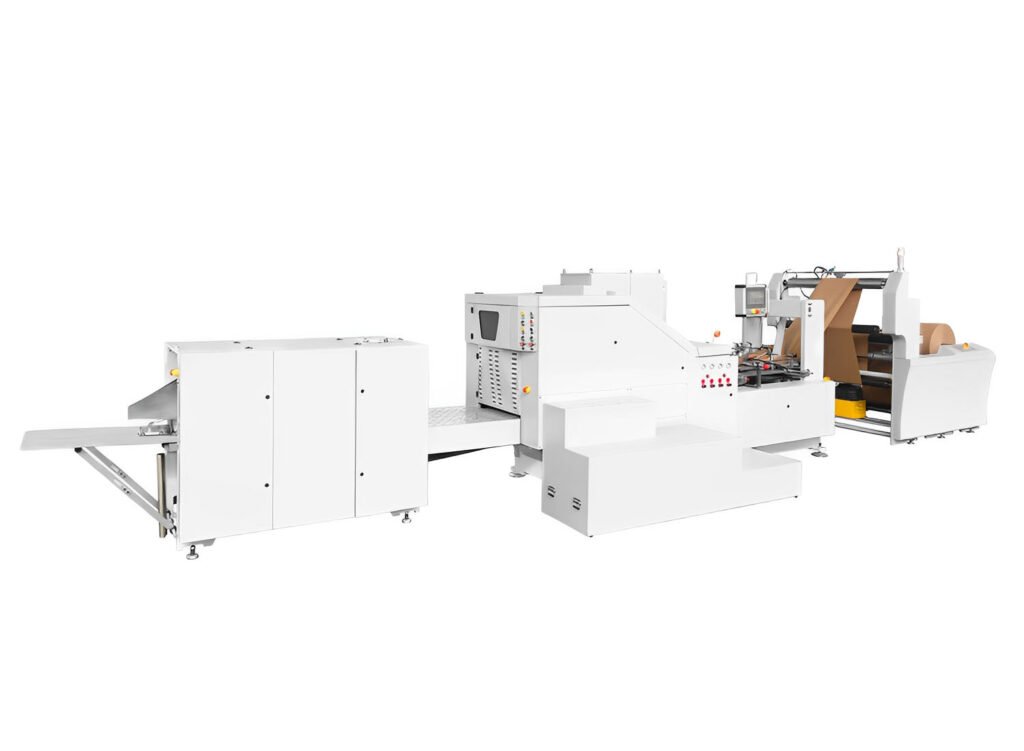
The manufacturing process of paper bags PFD involves several careful steps. These steps ensure the bags are strong, eco-friendly, and ready for daily use. Each stage is important to create a high-quality product.
The process starts with choosing the right raw materials. Paper made from recycled fibers or fresh pulp forms the base. This paper must be sturdy to hold weight and resist tearing.
Preparing The Paper
The paper is first prepared by cutting it into large sheets. These sheets are treated to improve strength and water resistance. The treatment makes the paper durable and suitable for carrying items.
Printing And Designing
Next, the paper sheets go through printing machines. Designs, logos, or text are printed clearly on the paper. This step allows customization for brands or special events.
Cutting And Folding
After printing, machines cut the paper into bag shapes. Folding follows, creating the base and sides of the bag. Precise folding ensures the bag holds its shape well.
Gluing And Assembly
Glue is applied to join the folded edges. This step secures the bag parts together. The glue used is safe and dries quickly to speed up production.
Adding Handles
Handles are attached last. They can be paper, rope, or twisted paper cords. Strong handles make the bags easy and safe to carry.
Quality Check
Each bag goes through a quality check before packing. Inspectors look for tears, weak glue, or printing errors. Only perfect bags proceed to packaging and shipping.
Credit: www.etsy.com
Comparing Paper Bags And Plastic Bags
Choosing between paper bags and plastic bags affects the environment and daily use. Both types have pros and cons. Understanding these helps make better choices for shopping and storage.
Environmental Impact
Paper bags come from trees and can break down quickly. They decompose faster than plastic bags. Plastic bags take hundreds of years to disappear. They can harm animals and pollute oceans.
Durability And Strength
Plastic bags are strong and stretchable. They hold heavy items without tearing easily. Paper bags tear when wet and are less flexible. They work well for light or dry goods.
Cost And Availability
Plastic bags cost less to produce and buy. They are widely available in stores. Paper bags cost more and are less common. Many shops offer paper bags as a greener option.
Reusability And Recycling
Paper bags can be reused a few times if kept dry. They are easier to recycle in most places. Plastic bags can be reused many times but are harder to recycle. Special programs exist for plastic bag recycling.
Innovations In Paper Bag Design
Paper bags have changed a lot in recent years. New designs make them stronger, easier to use, and better for the Earth. These improvements help shops and customers use paper bags more often. The latest ideas focus on making bags smarter and more useful.
Durable Materials For Longer Use
New paper bags use thicker and stronger paper. This helps bags hold heavy items without breaking. Some bags have layers to keep water out. These changes let people reuse bags more times.
Creative Shapes And Sizes
Bags now come in many shapes and sizes. Some fold flat to save space. Others have wide bottoms for bulky items. Different designs fit different needs, like food or clothes.
Handles Made For Comfort
Handle designs have improved a lot. Soft and wide handles make carrying easier. Some bags have twisted paper handles that do not hurt hands. This helps people carry bags longer without pain.
Eco-friendly Printing And Decoration
New printing uses safe, water-based ink. These inks do not harm nature. Designs on bags look nice without chemicals. Some bags use simple logos to save ink and cost.
Reusable And Foldable Designs
Some paper bags fold small for easy storage. These bags can be reused many times. They replace plastic bags in many shops now. Foldable bags help customers carry them everywhere.
Challenges In Paper Bag Adoption
Paper bags offer a cleaner option than plastic bags. Still, many face challenges using them fully. Understanding these challenges helps businesses and customers make better choices.
Paper bags can be less durable than plastic. They may tear easily when carrying heavy items. This causes inconvenience and extra costs for replacements.
The production of paper bags uses water and energy. This can sometimes cause more pollution than plastic bags. Not all paper bags are made in eco-friendly ways.
Cost is another issue. Paper bags often cost more to produce and buy. This can stop shops from switching from cheaper plastic bags.
Paper bags can also be bulky. They take up more space during storage and transport. This can increase transportation costs and carbon footprints.
Durability And Strength Issues
Paper bags tear faster with wet or heavy items. This limits their use for many shopping needs. Customers often choose plastic for strength and reliability.
Environmental Impact Of Production
Making paper bags uses lots of water and energy. Some factories create pollution during production. This lessens the environmental benefit of paper bags.
Higher Costs For Businesses
Paper bags cost more than plastic ones. Stores face higher expenses switching to paper bags. This affects pricing and profit margins.
Storage And Transportation Challenges
Paper bags take more space than plastic bags. Bulkier storage increases transport costs. This can reduce the appeal for large retailers.
Future Trends In Sustainable Packaging
Sustainable packaging is changing fast. Paper bags play a big role in this change. People want packaging that is good for the Earth. New ideas and tech are shaping the future of packaging. These trends help reduce waste and save resources.
Paper bags are becoming smarter and more eco-friendly. Companies try to use less plastic and more natural materials. This helps protect the planet and meet customer needs.
Innovations In Paper Bag Materials
New materials make paper bags stronger and lighter. Some bags use recycled paper that breaks down easily. Others add natural fibers to improve durability. These changes make bags last longer and cause less harm.
Biodegradable And Compostable Options
More paper bags now break down quickly in nature. Compostable bags turn into soil without leaving trash. Biodegradable bags dissolve faster than regular ones. These options help reduce landfill waste and pollution.
Smart Packaging Features
Technology adds new uses to paper bags. Some bags come with QR codes for product info. Others have sensors that track freshness or temperature. These features improve the shopping experience and cut food waste.
Customization And Branding Trends
Brands use paper bags to tell their story. Custom prints and designs make bags unique and eye-catching. Eco-friendly messages attract customers who care about the planet. Personalization helps brands stand out in stores.
Credit: poseipack.com

Credit: joyin.com
Frequently Asked Questions
What Are Paper Bags Pfd Made Of?
Paper bags PFD are made from strong, durable paper material. They often use recycled paper for eco-friendliness. These bags are designed to carry heavy items.
How Durable Are Paper Bags Pfd?
Paper bags PFD can hold weights up to 10-15 kilograms. Their thickness makes them less likely to tear. Good for groceries, retail, and takeout use.
Are Paper Bags Pfd Eco-friendly?
Yes, paper bags PFD are biodegradable and recyclable. They reduce plastic waste and harm to the environment. Many brands prefer them for green packaging.
Can Paper Bags Pfd Be Reused?
Paper bags PFD can be reused several times if kept dry. They are sturdy enough for multiple shopping trips. Reusing helps reduce waste even more.
What Sizes Do Paper Bags Pfd Come In?
Paper bags PFD come in small, medium, and large sizes. Sizes fit different needs like food, clothes, or gifts. Custom sizes are also available from many suppliers.
How Do Paper Bags Pfd Help Businesses?
Paper bags PFD improve brand image with eco-friendly packaging. They attract customers who prefer sustainable products. Also, they meet many local environmental rules.
Are Paper Bags Pfd Safe For Food Use?
Paper bags PFD are food safe when made with approved materials. They do not contain harmful chemicals or plastics. Many restaurants use them for takeout orders.
Conclusion
Paper bags PFD offer a practical and eco-friendly option. They reduce plastic waste and help protect nature. Businesses and people can use them easily. These bags are strong and can carry many items. Choosing paper bags supports a cleaner environment.
Small changes like this make a big difference. Start using paper bags PFD today. Help create a healthier planet for tomorrow. Simple steps lead to better habits. Together, we can protect our world.
