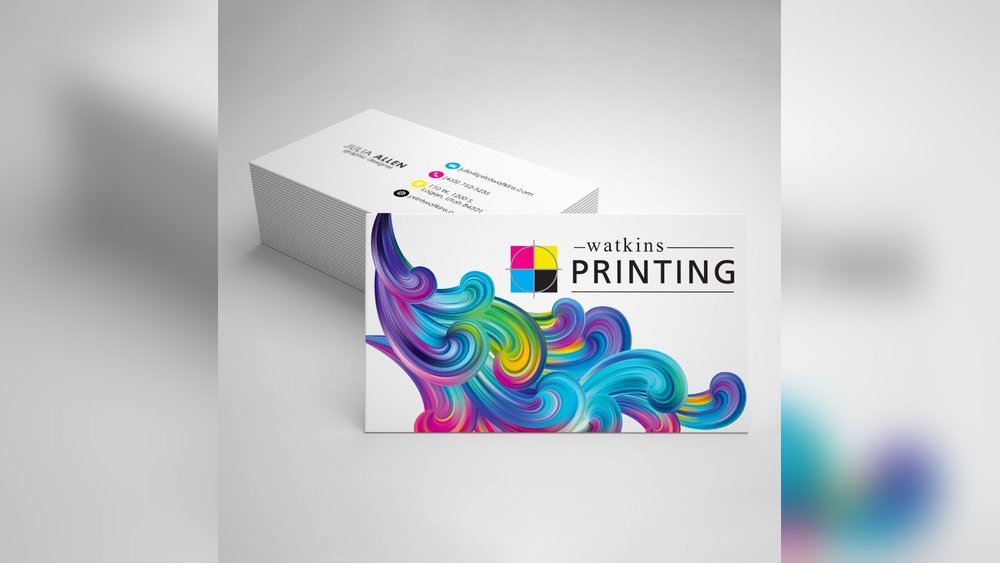
Have you ever wondered how a small piece of paper can leave a big impression? That’s the power of business card printing.
Thank you for reading this post, don't forget to subscribe!Your business card is often the first thing people see when they meet you or your brand. It speaks volumes about who you are and what you offer—without saying a word. Understanding what business card printing really means can help you create a card that grabs attention, builds trust, and opens doors.
Keep reading to discover how the right business card can make your connections stronger and your opportunities bigger.
Business Card Printing Basics
Business card printing is a simple way to create small cards with your contact information. These cards help people remember you and your business. Understanding the basics of business card printing makes it easier to create cards that look good and work well.
Printing business cards involves choosing the right design, paper, and printing method. Each choice affects how the card feels and looks. Knowing these basics helps you make smart decisions for your cards.
Purpose Of Business Cards
Business cards share your name, job, and contact details quickly. They help you connect with new people in meetings or events. Cards make your business look professional and trustworthy. People keep cards to contact you later. A good card leaves a strong first impression.
Common Printing Methods
Digital printing is fast and cost-effective for small orders. It uses digital files to print directly on paper. Offset printing suits large orders and offers high quality. It uses plates to transfer ink to paper. Letterpress printing presses inked plates into thick paper. It creates a textured, classic look. Each method fits different needs and budgets.
Materials And Finishes
Choosing the right materials and finishes affects the look and feel of business cards. These choices make your card stand out and leave a strong impression. The texture, weight, and shine all play a role in how people see your brand.
Business cards come in many paper types and finishes. Each option changes the card’s style and quality. Knowing these options helps you pick the best fit for your needs.
Paper Types
Paper type is the base of your business card. Common options include matte, glossy, and textured papers. Matte paper has no shine and feels smooth. It gives a clean and modern look.
Glossy paper reflects light and looks bright. It works well for colorful designs. Textured papers have a unique feel, like linen or cotton. These add a touch of elegance and class.
Paper weight matters too. Heavier paper feels more solid and lasts longer. Standard weights range from 250 to 400 grams per square meter (gsm). Thick cards show professionalism and care.
Special Coatings And Textures
Coatings change the surface of the card. They protect it and create effects. Popular coatings include UV, soft-touch, and spot gloss.
UV coating adds a shiny layer that resists scratches. Soft-touch coating feels like velvet and looks luxurious. Spot gloss highlights parts of the design by adding shine only on certain areas.
Embossing and debossing create raised or sunken textures. These add depth and interest. Foil stamping adds metallic shine in gold, silver, or other colors. It makes the card look premium.
Choosing the right finish boosts your card’s appeal. It also helps your card last longer and feel special.
Design Elements
Design elements shape the look and feel of a business card. They help make the card clear, attractive, and memorable. Good design draws attention and shares key information quickly. Every detail counts, from the size to colors and images. These elements work together to create a strong first impression.
Layout And Size
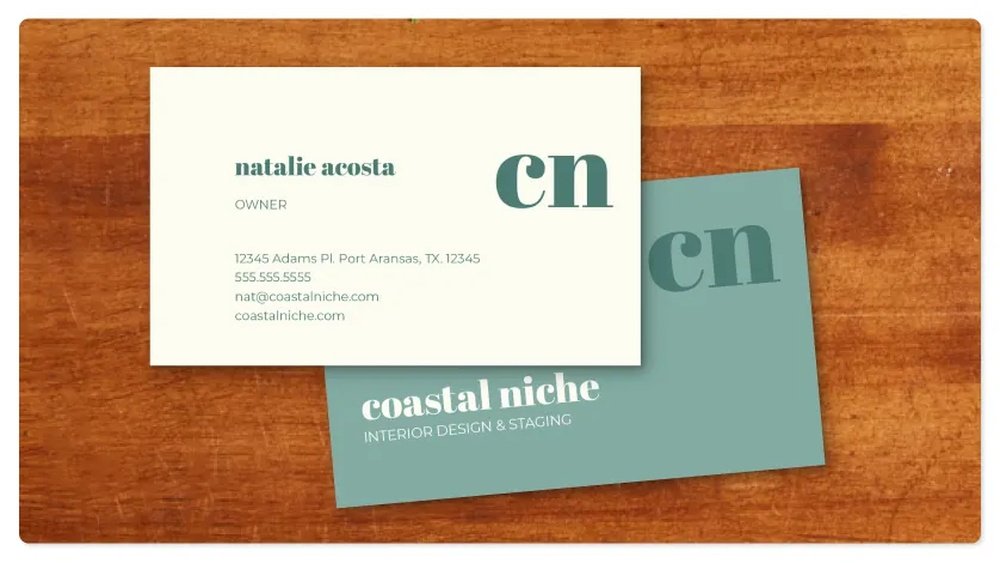
The layout arranges all the card’s information. It guides the reader’s eyes in a natural flow. Common layouts place the name and title at the top. Contact details usually appear at the bottom or side. The size of the card affects how much space is available. Standard sizes work well for wallets and holders. Unique sizes can stand out but may not fit easily.
Typography And Colors
Typography means the style of the text. Choose fonts that are easy to read and match your brand. Use one or two fonts to keep the card neat. Colors add mood and personality to the card. Pick colors that contrast well for readability. Use brand colors to build recognition and trust. Avoid too many colors to prevent confusion.
Incorporating Logos And Images
Logos represent your business visually. Place logos where they are clear but not overpowering. Images can add interest but must be relevant. Use high-quality images to avoid blurriness. Balance images with text to maintain clarity. A well-placed logo or image strengthens your brand identity.

Credit: www.hallprintmail.com
Printing Technologies
Business card printing uses different technologies to create sharp, clear designs. Each method offers unique benefits for color, texture, and cost. Choosing the right printing technology helps make your card stand out.
Digital Printing
Digital printing is fast and affordable for small orders. It prints images directly from a digital file. Colors come out bright and clear. This method suits simple designs and quick turnaround times. No setup costs make it budget-friendly.
Offset Printing
Offset printing uses plates to transfer ink onto paper. It produces high-quality images with smooth color blends. Best for large batches, it lowers the cost per card. Offset printing works well for detailed designs and rich colors.
Letterpress And Embossing
Letterpress presses the design into thick paper, creating a deep impression. Embossing raises parts of the card for a textured feel. Both add a classy, tactile effect. These techniques give cards a unique, elegant look.
Choosing A Printing Service
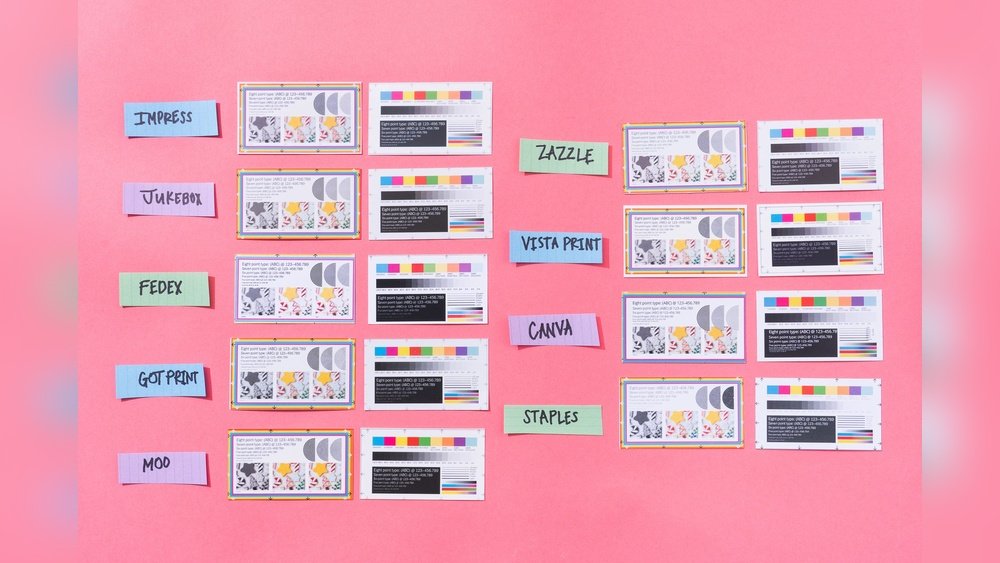
Choosing the right printing service is key to getting great business cards. The service you pick affects the card’s look, cost, and delivery time. Understanding your options helps you make a smart choice. Below are important points to think about before you decide.
Online Vs Local Printers
Online printers offer many design tools and easy ordering. They often have lower prices because they print in large batches. Delivery takes a few days, so plan ahead. Local printers let you see samples in person. They can give advice and make quick changes. Picking local supports nearby businesses and may save shipping fees.
Cost Considerations
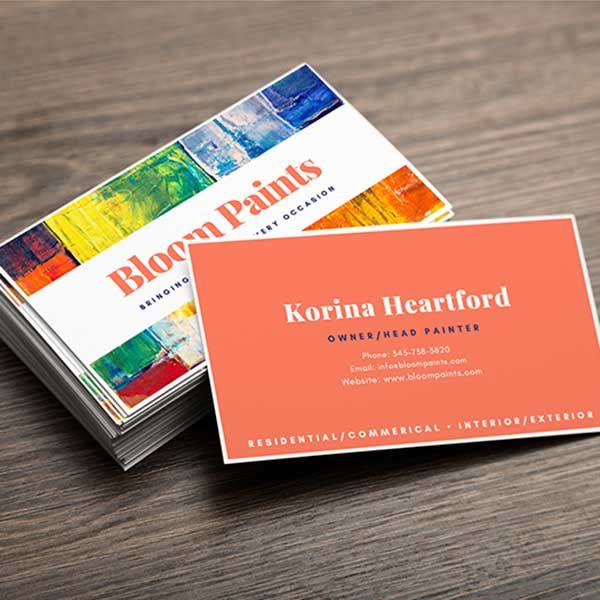
Prices vary depending on paper quality, card size, and finish. Simple cards cost less than thick or textured ones. Bulk orders usually lower the price per card. Compare prices from several printers before you buy. Don’t forget to check for hidden fees like shipping or setup charges.
Turnaround Time
Some printers deliver cards in one or two days. Others may take a week or more. Fast service can cost extra. If you need cards soon, ask about rush options. Plan your order to avoid delays during busy seasons.
Credit: www.office.fedex.com
Tips For Effective Business Cards
Effective business cards create a strong first impression. They share important information quickly and clearly. Good design helps people remember you and your brand. Follow these tips for making business cards that work well.
Keeping It Simple
Use only the most important details. Name, job title, phone number, and email are enough. Avoid clutter and too many words. A clean layout makes the card easy to read. Simple cards look more professional and neat.
Ensuring Readability
Choose clear fonts that are easy to read. Avoid fancy or small text that can be hard to see. Use colors that contrast well with the background. Make sure the font size is not too small. This helps others read your card quickly and easily.
Adding Unique Features
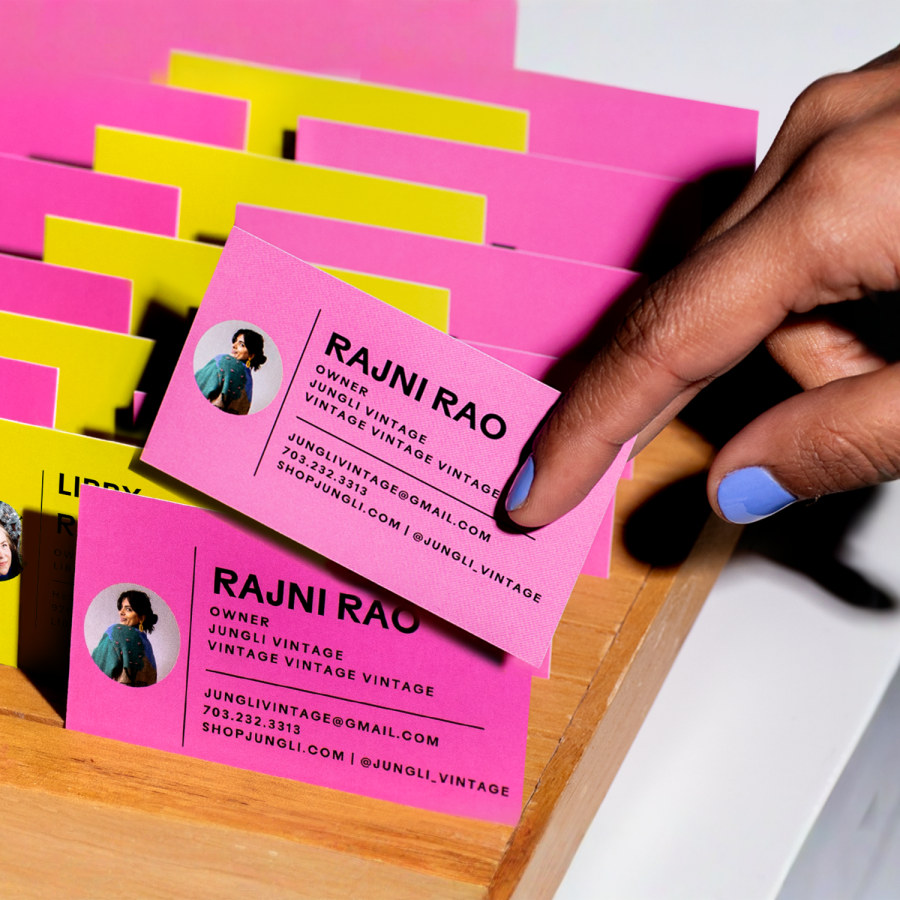
Include something that makes your card stand out. Use a logo, special texture, or a unique shape. A splash of color or a subtle design can catch attention. These small details help people remember your card better. Unique cards show your creativity and care.
Credit: www.vistaprint.com
Frequently Asked Questions
What Is Business Card Printing?
Business card printing is the process of producing customized cards with contact details. It helps individuals and businesses share information professionally and leave a lasting impression.
Why Is Business Card Printing Important?
Business card printing creates a tangible connection. It promotes brand identity, facilitates networking, and boosts credibility in professional settings.
What Materials Are Used In Business Card Printing?
Common materials include cardstock, recycled paper, plastic, and textured finishes. Each offers durability and distinct visual appeal suited to different branding needs.
How Do I Choose The Right Design For Printing?
Select designs that reflect your brand’s identity. Use clear fonts, relevant colors, and balanced layouts for maximum impact and readability.
Conclusion
Business card printing helps share your contact in a clear way. It shows your name, job, and company quickly. A good card makes a strong first impression. Choosing the right design and material matters a lot. Cards are small but hold big value for business.
They make networking easier and more personal. Print cards that match your style and brand. Keep them simple, neat, and easy to read. A well-made business card can open new doors. It’s a small tool with a big impact.