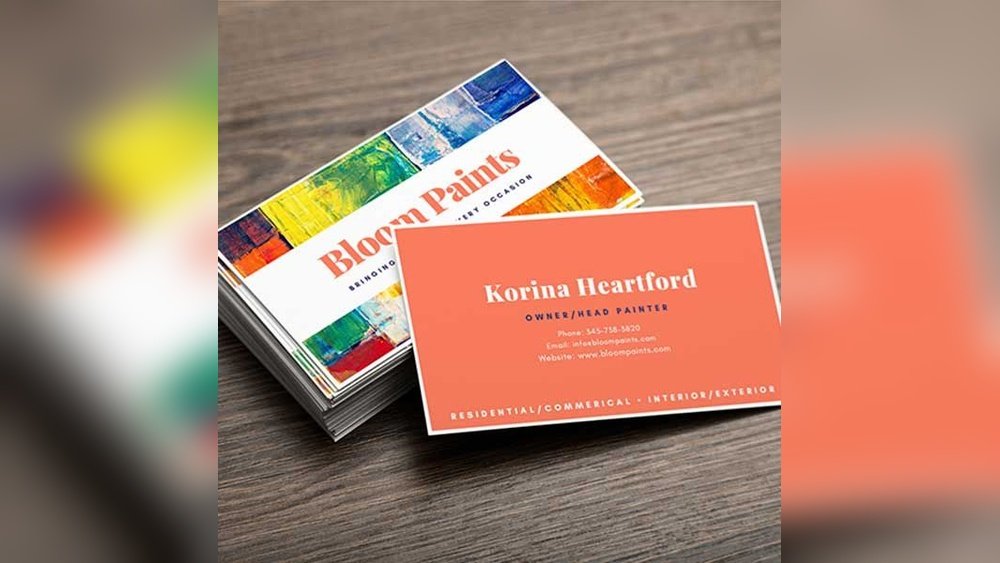
Are you wondering how much business card printing really costs? Whether you’re starting a new venture or refreshing your brand, knowing the right price can save you money and help you make smarter choices.
Thank you for reading this post, don't forget to subscribe!You’ll discover the factors that affect printing costs and how to get the best value for your budget. Keep reading to unlock simple tips that make your business cards stand out without breaking the bank.

Credit: www.hallprintmail.com
Factors Influencing Cost
Many things affect the price of business card printing. Knowing these helps you control costs and get good value. Each factor changes the final price in its own way. Understanding them makes choosing easier.
Paper Quality
Thicker and smoother paper costs more. Basic cardstock is cheap but feels simple. Premium paper looks professional and lasts longer. Matte, glossy, or textured finishes also change the price.
Print Type
Digital printing is fast and affordable for small runs. Offset printing suits large orders but costs more upfront. Specialty prints like foil or embossing add extra charges. Each print type affects price and look.
Design Complexity
Simple designs with few colors cost less. Detailed artwork or many colors raise the price. Custom logos and photos need careful printing. Complex designs may require more time and skill.
Quantity Ordered
Ordering many cards usually lowers the price per card. Small batches cost more per unit. Bulk orders save money but need bigger budgets. Choose quantity based on your needs and budget.
Additional Features
Extras like rounded corners or UV coating increase costs. Special effects make cards stand out but add price. Double-sided printing also costs more than one side. Extras create a unique look but affect price.
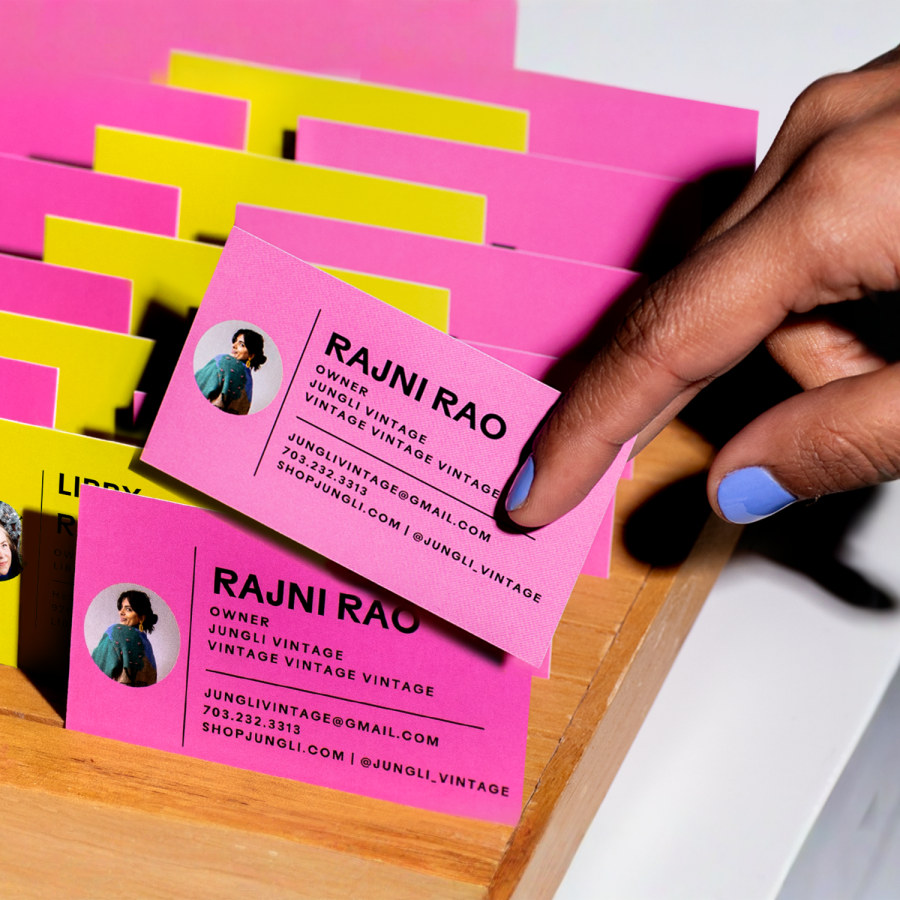
Credit: www.vistaprint.com
Common Printing Options
Choosing the right printing option affects how your business card looks and feels. Different finishes and styles can make your card stand out or keep it simple. Understanding common printing options helps you pick one that fits your budget and style.
Standard Matte And Glossy
Matte cards have a smooth, non-shiny surface. They offer a soft, elegant look. Glossy cards shine and reflect light. They make colors look bright and bold. Both options are affordable and popular for basic business cards.
Premium Textured Cards
These cards have a raised or rough surface. They feel different from regular cards. Textured cards add a touch of class and uniqueness. They cost a bit more but leave a strong impression. Perfect for brands that want to feel special.
Spot Uv And Foil Stamping
Spot UV adds shine to specific parts of the card. It highlights logos or text. Foil stamping uses thin metal sheets for shiny details. Gold, silver, and other colors add luxury. Both options increase cost but improve card appeal.
Die-cut Shapes
Die-cut cards are cut into unique shapes. Not just rectangles anymore. Custom shapes make your card memorable. They cost more because of special cutting. Great for creative businesses or bold statements.
Price Ranges By Quantity
Understanding the price ranges for business card printing helps plan your budget well. Prices vary mainly by the number of cards you order. Smaller orders cost more per card. Larger orders bring the price down per unit. This section breaks down the costs based on quantity.
Small Batch Printing
Small batch printing usually means ordering 50 to 250 cards. The price per card is higher here. Printing fewer cards costs more because machines run less efficiently. Small batches suit those needing few cards or testing designs. Expect to pay around $20 to $50 for 100 cards. This option offers fast delivery and flexibility.
Bulk Orders
Bulk orders start at 500 cards and go up to thousands. The price per card drops significantly for large quantities. You might pay as low as $0.05 per card with big orders. Bulk printing is ideal for businesses needing many cards. It also lowers overall costs. Keep in mind, larger orders take longer to print and ship.
Discounts And Deals
Many printers offer discounts for first-time customers or repeat orders. Seasonal sales can reduce prices further. Look for package deals including design and printing. Some companies give free shipping on large orders. These offers help save money on business cards. Always check terms to ensure the best deal.
Online Vs Local Printing Costs
Business card printing costs vary depending on the choice between online and local services. Both options have clear differences in price and value. Understanding these differences helps you decide which option fits your needs and budget.
Convenience And Speed
Online printing offers the ease of ordering from home or office. You can upload your design and place orders anytime. Delivery usually takes a few days. Local printing allows faster turnaround if you visit the shop. You might get same-day service in some stores. Convenience depends on how quickly you need the cards.
Customization Options
Local printers often provide hands-on help with design and paper choices. You can see and feel samples before printing. Online printers have many templates and design tools. Some offer specialty finishes and custom sizes. Local options may offer more personal service. Online services excel in variety and ease of design.
Shipping And Handling
Online printing includes shipping fees, which add to the cost. Shipping time varies by location and service. Local printing usually lets you pick up cards yourself. This saves money on delivery costs. Handling fees may be lower or none at local shops. Shipping is a key factor in the total price.
Tips To Save On Printing
Saving money on business card printing is easy with smart choices. Small changes can lower costs without losing quality. Focus on size, design, and quantity to save more.
Choosing Standard Sizes
Standard business card sizes cost less to print. Printers use set templates for these sizes. Custom sizes need more work and cost extra. Stick to common sizes like 3.5 x 2 inches. This helps printers use their machines efficiently. You get good quality and save money.
Simplifying Design
Complex designs raise printing costs. Use fewer colors and simple fonts. Avoid heavy backgrounds or special effects. Plain designs print faster and use less ink. Keep text clear and easy to read. Minimalist cards look clean and save money.
Ordering In Bulk
Printing more cards lowers the price per piece. Printers offer discounts for large orders. Buy enough cards to meet your needs for months. Store extras for later use. Bulk orders reduce setup fees and shipping costs. This is one of the best ways to save.

Credit: www.printwatkins.com
Frequently Asked Questions
How Much Does Business Card Printing Usually Cost?
Business card printing costs range from $10 to $100 per 100 cards. Price depends on paper quality, design complexity, and printing method. Standard cards are cheaper, while premium finishes and custom shapes increase costs.
What Factors Affect The Price Of Business Card Printing?
Paper type, card thickness, finish (matte or glossy), and design complexity impact pricing. Additional features like embossing or foil stamping also raise costs. Quantity ordered can reduce the price per card.
Is Printing Business Cards In Bulk More Cost-effective?
Yes, bulk printing significantly lowers the cost per card. Larger orders often qualify for discounts. However, ensure your design is final before ordering in bulk to avoid extra reprint charges.
Can I Print Business Cards Cheaply Online?
Online printers offer affordable business card options starting around $10 per 100 cards. They provide various templates and customization features. Watch for shipping fees and delivery times when comparing prices.
Conclusion
Business card printing costs depend on many factors like quantity and design. Simple cards cost less, while custom styles add to the price. Choosing the right paper and finish affects the total cost too. Always compare prices from different printers to get a good deal.
Remember, quality matters for making a strong impression. Plan your budget before ordering to avoid surprises. A clear idea helps you pick the best option for your needs. Business cards remain a useful tool for networking and sharing contacts.