

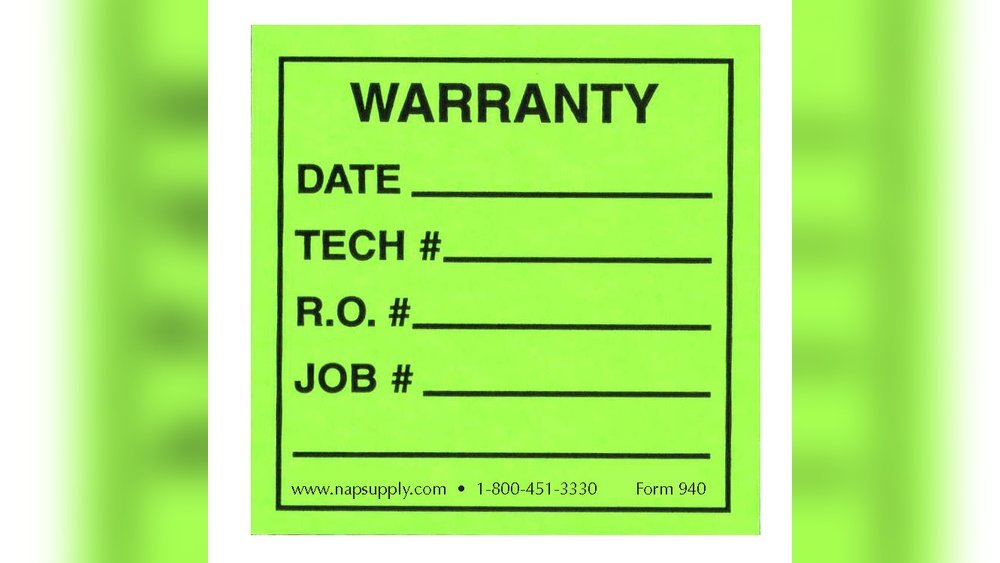
Have you ever wondered how companies protect their products and ensure you get the best service? Warranty labels play a big role in that.
Thank you for reading this post, don't forget to subscribe!These small stickers might seem simple, but they carry important information that affects your rights and your peace of mind. Understanding warranty labels can help you avoid surprises and make smarter choices when buying or repairing items. Keep reading to discover why these labels matter to you and how they work behind the scenes to keep your purchases safe.

Credit: www.intertronix.com
Purpose Of Warranty Labels
Warranty labels play an important role in product safety and customer service. They tell buyers about the product’s guarantee and conditions. These labels help both sellers and buyers understand the terms of the warranty clearly.
Warranty labels also protect manufacturers from fraud. They make sure that only genuine products get warranty service. This reduces fake claims and supports honest business practices.
Identification Of Warranty Coverage
Warranty labels show what parts or issues the warranty covers. They explain how long the warranty lasts. This helps customers know if their product can be repaired or replaced.
Proof Of Purchase And Authenticity
These labels act as proof that the product is real and bought legally. They often include serial numbers or barcodes. This helps companies track the product’s origin and verify its warranty.
Instructions For Warranty Use
Warranty labels give clear steps on how to claim the warranty. They may list contact details or service centers. This makes it easy for buyers to get help if needed.
Encouraging Proper Use And Care
Some warranty labels include care tips to keep the product safe. Following these tips helps avoid damage that could void the warranty. This protects both the customer and manufacturer.
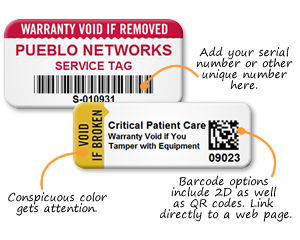
Credit: www.myassettag.com
Types Of Warranty Labels
Warranty labels play a key role in product protection. They show whether a product is covered under warranty. Different types of warranty labels serve distinct purposes. Understanding these types helps buyers and sellers.
Each type of label offers unique features. Some prevent tampering. Others provide proof of purchase or warranty period. Below are common types of warranty labels used in many industries.
Security Warranty Labels
Security warranty labels stop product tampering. They break or show damage if removed. This alerts users that the product may be altered. These labels protect both buyers and manufacturers.
Void Warranty Labels
Void warranty labels leave a message when peeled off. The word “VOID” appears on the product or label. This shows the warranty is no longer valid. It prevents unauthorized repairs or returns.
Holographic Warranty Labels
Holographic warranty labels have shiny, multi-color designs. They are hard to copy or fake. These labels offer strong protection against counterfeit products. They also add a professional look to the product.
Barcode Warranty Labels
Barcode warranty labels include a unique code. This code links to product information and warranty details. It helps track warranty status easily. Barcodes improve record-keeping and customer service.
Tamper-evident Warranty Labels
Tamper-evident labels show clear signs of interference. They change appearance if touched or moved. These labels warn users about possible damage or misuse. They secure the warranty against fraud.
Materials Used In Warranty Labels
Warranty labels protect products and show proof of guarantee. The materials used in these labels must be strong and reliable. They should resist damage, water, and heat. Labels also need to stick well on different surfaces. Choosing the right material helps keep the warranty valid and clear.
Vinyl
Vinyl is a popular choice for warranty labels. It is tough and water-resistant. Vinyl labels can handle rough use without tearing. They stick firmly on plastic, metal, and glass. This material holds up well in hot and cold conditions.
Polyester
Polyester labels are known for durability. They resist chemicals, water, and sunlight. This makes them ideal for long-lasting warranty labels. Polyester stays clear and readable over time. It works well on many product surfaces.
Paper
Paper labels are common and cost-effective. They are easy to print on and customize. However, paper labels are less durable. They can tear or fade quickly. Paper is best for short-term warranties or indoor use.
Polypropylene
Polypropylene offers a balance between vinyl and paper. It is water and tear-resistant. Polypropylene labels stick well and last longer than paper. They work well for most warranty needs. This material is lightweight and affordable.
Security Features To Prevent Tampering
Warranty labels protect products and brands from tampering and fraud. They include special security features that make it hard to remove or copy the label without damage. These features help manufacturers and customers trust the product’s authenticity. Labels with strong security reduce the risk of counterfeit goods.
Security features also alert users if someone tries to tamper with the product. They act as a clear sign that the product may have been opened or altered. These features keep products safe and maintain warranty validity.
Void Patterns
Void patterns appear when someone removes the label. The label leaves a clear “VOID” or similar message on the product. This visible mark shows that the label was tampered with. It stops people from peeling off the label and placing it on another item.
Holographic Elements
Holograms add a shiny, multi-color image to the label. These images change when viewed from different angles. Holograms are hard to copy or fake. They provide a quick way to check if the label is real.
Tamper-evident Materials
These materials break apart or change when the label is removed. The label cannot be reused or reapplied. This feature makes it clear if the product has been opened. It protects both buyers and sellers from fraud.
Serial Numbers And Barcodes
Unique serial numbers or barcodes track each product. They help verify the product’s authenticity. Scanning the barcode can confirm if the warranty is valid. This feature adds an extra layer of security.
Special Adhesives
Strong adhesives keep the label firmly attached. They make it difficult to peel off the label cleanly. Some adhesives leave stains or residue if removed. These adhesives prevent label theft and tampering.
Impact On Customer Confidence
Warranty labels play a big role in how customers feel about a product. They act as proof that a company stands behind its items. This proof builds trust. Trust makes buyers feel safe and sure. They know the product has support if something goes wrong.
Clear warranty labels show honesty. They make the buying process easier and less risky. Customers feel more confident choosing products with visible warranty details. This confidence can lead to more sales and repeat customers.
Building Trust Through Transparency
Warranty labels share important information openly. They tell buyers what is covered and for how long. This transparency removes doubts. Customers appreciate knowing exactly what to expect. It reduces fear of hidden problems or costs.
Reducing Purchase Anxiety
Buying new products can feel risky. Warranty labels ease this worry. They act as a promise that help is available if needed. This promise lowers stress and makes customers feel safer. It encourages them to complete the purchase.
Encouraging Brand Loyalty
Good warranty labels show care for the customer. This care builds a strong bond. Customers are more likely to return for future buys. They also recommend the brand to friends and family. A simple label can create lasting loyalty.
Best Practices For Designing Warranty Labels
Designing warranty labels requires clear and simple planning. These labels protect both the seller and buyer by showing warranty terms and conditions. Good design makes these labels easy to read and understand. It also helps avoid confusion or disputes later.
Clear warranty labels build trust with customers. They help customers find important information fast. Following best practices in label design improves communication and user experience.
Use Simple And Clear Language
Write warranty terms in short, simple sentences. Avoid hard words or legal jargon. Use everyday words that most people know. Clear language helps customers understand their rights easily.
Include Essential Information Only
Focus on the key warranty details. Include warranty length, coverage, and any exceptions. Leave out extra or confusing information. Keep the label focused and easy to scan.
Choose Readable Fonts And Sizes
Select fonts that are easy to read at small sizes. Avoid fancy or cursive fonts. Use bold or larger text for important parts. Good font choices help customers read the label quickly.
Use High-contrast Colors
Pick colors that stand out from each other. Dark text on a light background works best. Avoid colors that blend or cause eye strain. High contrast improves label visibility in different lights.
Place Labels In Visible Locations
Put warranty labels where customers can easily find them. Common spots include product packaging or user manuals. Avoid hidden or hard-to-see places. Easy access to the label supports customer satisfaction.
Integrating Warranty Labels With Customer Service
Integrating warranty labels with customer service improves support quality and efficiency. Warranty labels hold important product information that helps service teams assist customers faster. They reduce confusion and speed up the repair or replacement process.
Clear warranty labels allow customers to find their coverage details quickly. This reduces calls and emails to customer service. It also helps service agents verify warranty status without delays. A smooth process keeps customers happy and loyal.
Enhancing Communication With Warranty Information
Warranty labels provide clear details about product coverage. Customers see what is covered and for how long. Service agents use this data to explain options clearly. This lowers misunderstandings and complaints.
Speeding Up Claims And Repairs
Warranty labels contain unique codes or serial numbers. These help customer service find purchase and warranty records fast. Faster access means quicker claim approval and repair scheduling. Customers get help without long waits.
Reducing Errors In Service Requests
Accurate warranty labels prevent mistakes during customer support. Agents check labels to confirm product details. This avoids wrong repairs or denied claims. Clear labels improve trust between customers and service teams.
Improving Customer Satisfaction And Loyalty
Easy access to warranty info builds confidence in the brand. Customers feel valued when service is smooth. Quick, error-free support encourages repeat purchases. Warranty labels play a key role in good customer experience.
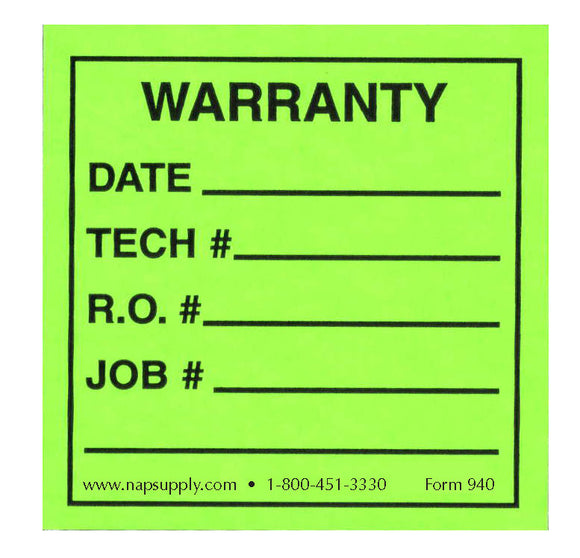
Credit: napsupply.com
Frequently Asked Questions
What Are Warranty Labels Used For?
Warranty labels show if a product is still under warranty. They help protect against damage or tampering. These labels make it easy to check product status.
How Do Warranty Labels Protect Products?
Warranty labels prevent unauthorized repairs or opening. They break or show damage if tampered with. This stops fake warranty claims and fraud.
Can Warranty Labels Be Customized?
Yes, warranty labels can be customized with logos or serial numbers. Customization helps track products and prevent counterfeiting. It also improves brand security.
What Materials Are Warranty Labels Made From?
Warranty labels use materials like tamper-evident foil or polyester. These materials break or change if removed. This ensures the label cannot be reused.
How Do Warranty Labels Help Customers?
Warranty labels give customers proof of product warranty. They provide clear info about warranty terms. This helps customers claim repairs or replacements easily.
Are Warranty Labels Legal Proof For Claims?
Warranty labels act as evidence of warranty status. Courts and companies often accept them in disputes. They support claims by showing product condition.
Where Should Warranty Labels Be Placed?
Warranty labels are placed on product parts or packaging. They go where tampering is easy to spot. Proper placement ensures effective warranty protection.
Conclusion
Warranty labels protect products and build customer trust. They show if a product is genuine or damaged. Businesses use them to avoid fraud and improve service. Clear warranty labels help customers understand terms easily. Choosing the right label keeps warranties valid and safe.
Always check warranty labels before buying or selling items. They add value and security to any product. Simple but strong, warranty labels matter a lot. Keep them visible and easy to read. They help everyone stay confident about their purchase.
