
Are you looking to boost your marketing results with a simple but powerful approach? Marketing Landing Style One might be exactly what you need.
Thank you for reading this post, don't forget to subscribe!This style focuses on capturing your audience’s attention quickly and guiding them toward taking action. Imagine turning visitors into loyal customers just by using the right layout and message. Keep reading to discover how you can apply this style to your campaigns and see real improvements in engagement and conversions.
Your next marketing win starts here.
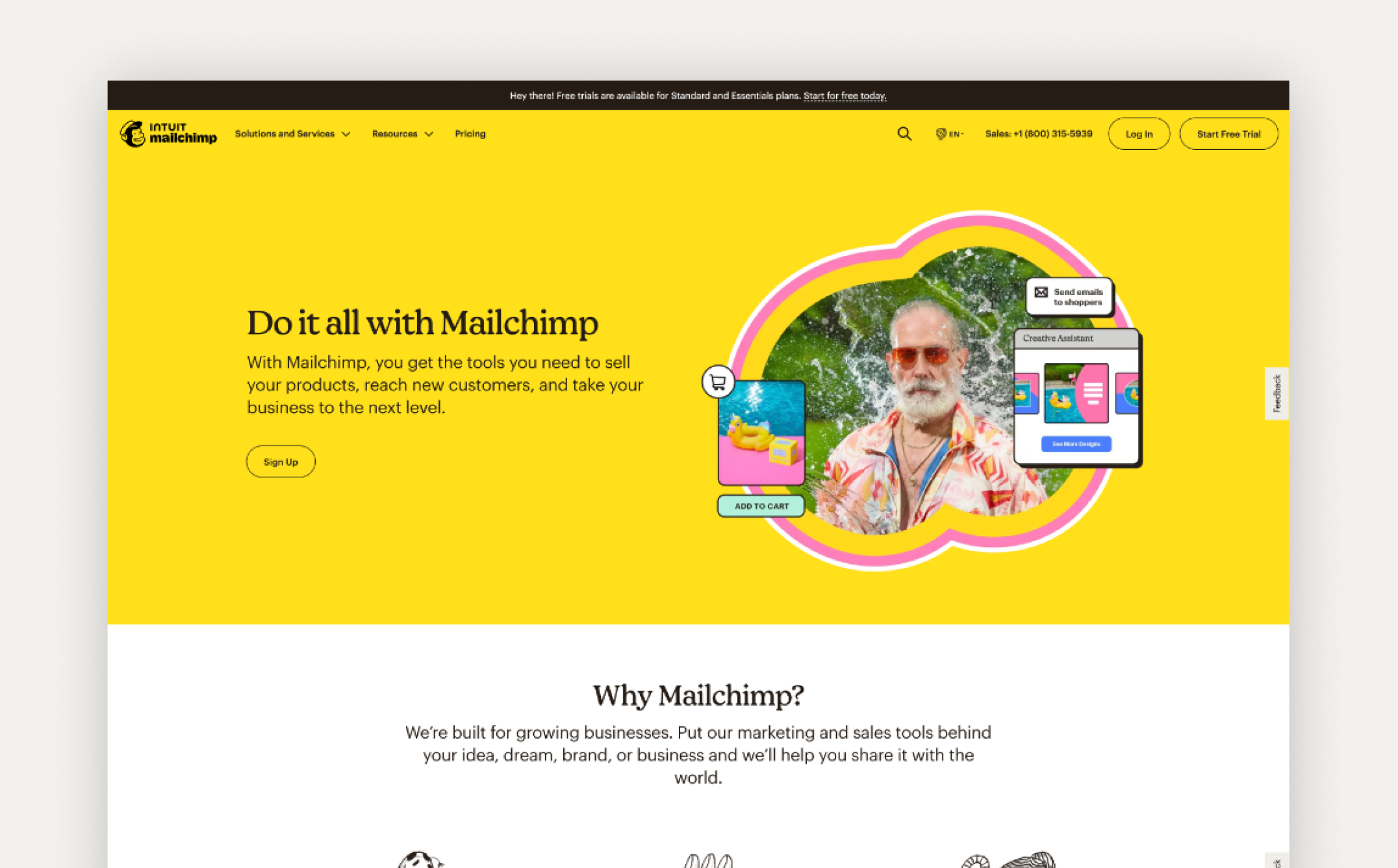
Credit: unbounce.com
Key Elements Of Landing Style One
Landing Style One uses simple but strong design to catch visitor attention. It focuses on clear messages and easy actions. This style helps visitors quickly understand the offer. It guides them to take the next step without confusion.
Each part of Landing Style One works together. They build trust and invite clicks. The goal is to turn visitors into customers or leads.
Headline And Subheadline
The headline grabs attention with a clear message. It tells visitors what the offer is about. The subheadline supports the headline. It gives a little more detail to keep visitors interested.
Call To Action (cta)
The CTA is the button or link that asks visitors to act. It uses simple words like “Buy Now” or “Get Started.” The CTA stands out by color and size. It is easy to find and click.
Visual Elements
Images or videos show the product or service. They help visitors see what they get. Visuals must be clear and relevant. They make the page more inviting and real.
Trust Signals
Trust signals include customer reviews, logos, or security badges. They show that others like the product or service. These elements reduce visitors’ doubts and build confidence.
Simple Layout
The layout is clean and easy to follow. It uses space well to avoid clutter. Visitors find information fast. The simple design helps focus on the main message.

Credit: www.dreamstime.com
Crafting Compelling Headlines
Headlines are the first thing visitors see on a landing page. They grab attention and make people want to read more. A strong headline can increase clicks and boost conversions. Crafting headlines that speak clearly and quickly is key. Keep them simple and direct. Use words that connect with your audience’s needs and feelings.
Use Clear And Direct Language
Write headlines that are easy to understand. Avoid complex words or long sentences. Say exactly what your product or service offers. Clear language helps readers grasp your message fast. This keeps them interested and encourages action.
Focus On Benefits, Not Features
Highlight what the visitor will gain. Show how your offer solves a problem or improves life. Benefits create emotional appeal. They make people care about what you offer. This approach drives more clicks and engagement.
Include Numbers And Facts
Numbers catch the eye and add trust. Use statistics, percentages, or time frames. For example, “Save 30% Today” or “Get Results in 7 Days.” Facts make headlines believable and motivate readers to act.
Ask Questions To Spark Curiosity
Questions invite visitors to think about their needs. They create a personal connection. A question headline can make readers pause and wonder. This increases the chance they will stay and explore your page.
Optimizing Call-to-action Buttons
Call-to-action (CTA) buttons guide visitors to take steps on your landing page. Optimizing these buttons boosts clicks and conversions. Small changes can make a big difference in user response.
Clear and easy-to-find CTAs help visitors know what to do next. The design and text of the button should invite action. The goal is to make clicking simple and appealing.
Choosing The Right Color For Your Cta Button
Colors catch attention and create feelings. Use a color that stands out from the rest of the page. Contrast helps visitors spot the button quickly. Bright colors like red, green, or orange often work well. Test different colors to see what gets more clicks.
Writing Simple And Direct Button Text
Button text should be short and clear. Use action words like “Buy,” “Get,” “Try,” or “Join.” Tell visitors exactly what will happen after clicking. Avoid long phrases or confusing language. Keep it easy to read and understand.
Placing Your Cta Button Strategically
Position your CTA where visitors can see it right away. Above the fold is a good spot—no scrolling needed. Repeat the button at the bottom for longer pages. Surround it with enough space so it doesn’t look crowded. The goal is to make it easy to find and click.
Making Cta Buttons Mobile-friendly
Many visitors use phones or tablets. Buttons should be big enough to tap easily. Avoid placing them too close to other links. Make sure the button loads fast on all devices. A smooth mobile experience increases the chance of clicks.
Design Techniques That Drive Engagement
Design plays a big role in how users interact with a landing page. Good design grabs attention quickly. It guides visitors through the content smoothly. This helps increase clicks and conversions.
Simple, clear design choices make a page easy to use. Visitors stay longer and engage more. These design techniques focus on clarity, speed, and visual appeal.
Clear Visual Hierarchy
Organize content so important parts stand out. Use bigger fonts for headlines. Contrast colors highlight calls to action. This helps visitors see what matters fast.
A well-structured layout moves the eye naturally. It stops users from feeling lost or confused. Clear hierarchy makes the page simple to scan.
Minimalist Layout
Keep the design clean and free of clutter. Too many elements distract users. White space creates breathing room around text and buttons. This makes the page feel calm and focused.
Minimalism speeds up loading times. Faster pages keep visitors from leaving. Simple designs also work well on mobile devices.
Strong Call-to-action Buttons
Use bold, colorful buttons that stand out from the background. Button text should be short and clear. Phrases like “Get Started” or “Learn More” work well.
Place buttons where users expect them. Above the fold and at the page end. This encourages more clicks and leads.
High-quality Images
Use sharp, relevant images that support your message. Avoid generic stock photos. Real photos build trust and connection.
Images should load fast and not slow the page. They break up text and make content more interesting.
Leveraging Social Proof And Testimonials
Social proof and testimonials build trust with visitors on your landing page. They show real experiences from real people. This helps new visitors feel more confident about your product or service.
Good social proof can boost your conversion rates. It makes your offer feel safer and more reliable. Testimonials add a personal touch that facts alone cannot provide.
What Is Social Proof?
Social proof is evidence that others approve your product. It can be reviews, ratings, or user numbers. People trust the opinions of others more than just your words.
Showing social proof makes your marketing landing page stronger. Visitors see that many people have already chosen your product.
Using Testimonials Effectively
Choose testimonials that are clear and honest. Short stories about how your product helped someone work best. Use real names and photos for more trust.
Place testimonials where visitors can easily see them. Near calls to action or product descriptions work well. This keeps your message powerful and convincing.
Types Of Social Proof To Include
Customer reviews and star ratings are common and effective. Expert endorsements add authority. User counts or social media shares also show popularity.
Mix different types to cover all doubts visitors might have. This builds stronger trust and increases chances of action.
A/b Testing Strategies For Better Results
A/B testing helps improve marketing landing pages by comparing two versions. It shows which design or message works best for visitors. This method reduces guesswork and boosts conversion rates. Testing small changes can lead to big improvements.
Good A/B testing needs a clear plan. Choose one element to test at a time. This keeps results simple and reliable. Test headlines, images, buttons, or colors to see what attracts more clicks.
Setting Clear Goals For A/b Tests
Define what success looks like before testing. Goals could be more sign-ups, clicks, or sales. Clear goals help measure results accurately. Focus on one main goal per test.
Choosing The Right Elements To Test
Pick elements that impact user actions. Headlines grab attention first. Button text influences clicks. Images create emotional response. Test changes step by step to find what works best.
Running Tests With Enough Traffic
Tests need enough visitors to get valid results. Low traffic can give false outcomes. Run tests longer if traffic is low. Aim for at least a few hundred visitors per variation.
Analyzing Results And Making Changes
Look at data carefully after testing. Focus on metrics tied to your goal. Use clear winners to update your landing page. Keep testing regularly to improve continuously.
Common Mistakes To Avoid
Marketing Landing Style One is a popular choice for many businesses. It helps capture visitor attention quickly. But mistakes can reduce its power. Avoiding common errors can improve results and save time.
Small errors can cause big drops in visitor engagement. These mistakes often appear in design, content, or call to action. Spotting and fixing them early boosts success.
Unclear Call To Action
A call to action (CTA) must be clear and direct. Avoid vague phrases like “Click here” without explaining benefits. Visitors should know exactly what to do next. Use simple words to guide visitors.
Too Much Text
Long paragraphs scare visitors away. Keep text short and to the point. Use bullet points to break information. Readers scan pages quickly and prefer easy reading.
Poor Mobile Optimization
Many users visit on phones or tablets. If the landing page is hard to use on mobile, visitors leave fast. Ensure buttons are easy to tap. Text and images must fit small screens well.
Slow Page Load Time
Pages that load slowly lose visitors quickly. Compress images and remove unnecessary scripts. Faster pages keep users engaged and reduce bounce rates.
Lack Of Trust Elements
Visitors want to feel safe before taking action. Add reviews, testimonials, or security badges. These build confidence and encourage sign-ups or purchases.

Credit: online.csp.edu
Frequently Asked Questions
What Is Marketing Landing Style One?
Marketing Landing Style One is a simple, clean page design for marketing. It focuses on clear messages and a strong call to action. This style helps visitors understand offers quickly.
How Does Marketing Landing Style One Improve Conversions?
This style uses clear headlines and easy navigation to guide visitors. It reduces distractions and focuses on one goal. This approach often increases visitor actions like sign-ups or purchases.
What Elements Are Key In Marketing Landing Style One?
Key elements include a bold headline, a clear call to action, and limited text. Images or videos support the main message. The layout stays simple and focused.
Why Choose Marketing Landing Style One For My Campaign?
It helps visitors focus on your main message without confusion. The clean look works well on all devices, especially mobiles. It also loads fast, improving user experience.
Can Marketing Landing Style One Work For Small Businesses?
Yes, it suits small businesses by keeping messages clear and direct. It costs less to create and maintain. Small teams can manage and update it easily.
How To Measure Success With Marketing Landing Style One?
Track visitor actions like clicks, sign-ups, or sales on the page. Use tools like Google Analytics to see visitor behavior. Adjust the page based on data to improve results.
What Mistakes To Avoid With Marketing Landing Style One?
Avoid cluttering the page with too much text or images. Don’t confuse visitors with multiple goals or offers. Keep the call to action clear and easy to find.
Conclusion
Marketing Landing Style One helps grab visitor attention fast. Clear headlines and simple design guide users well. It focuses on key benefits without extra clutter. This style makes it easy for visitors to act. Test different versions to see what works best.
Keep the layout clean and the message strong. Use this style to improve your marketing results. Small changes can lead to better visitor engagement. Try it out and watch your conversions grow. Simple, direct, and user-friendly—that’s the goal here.
