
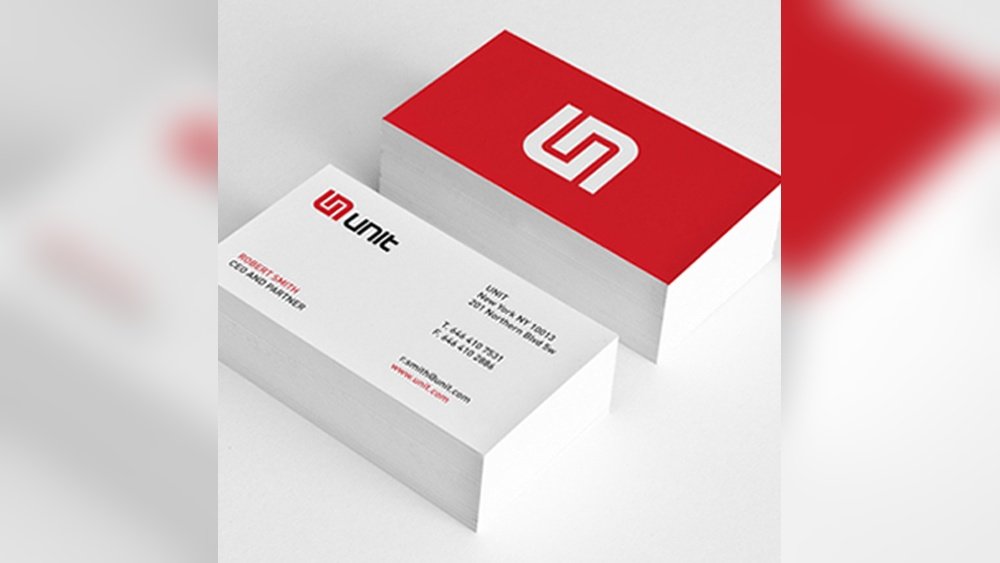
Your business card is more than just a piece of paper—it’s your first chance to make a lasting impression. Standard business cards offer a simple, effective way to share your contact information while showcasing your professionalism.
Thank you for reading this post, don't forget to subscribe!But with so many options out there, how do you choose the right design that truly reflects your brand? You’ll discover why standard business cards remain a powerful tool for networking, how to create one that stands out, and tips to ensure your card leaves a memorable impact every time.
Keep reading to unlock the secrets behind a business card that works for you.
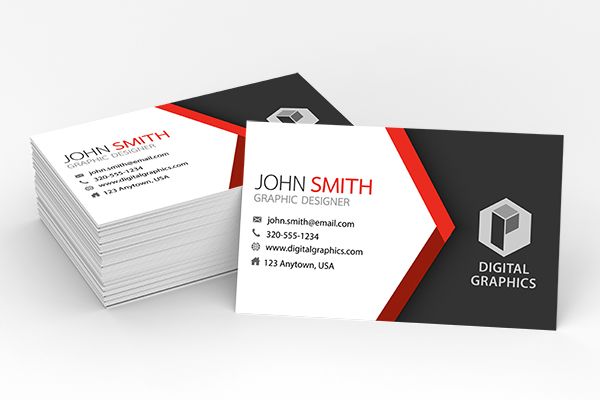
Credit: www.digital-print-solutions.com
Choosing The Right Card Stock
Choosing the right card stock is key for standard business cards. It affects how your card feels and looks. The right choice helps your card stand out and feel professional.
Card stock comes in many types and thicknesses. Each type changes the card’s weight and texture. Pick a card stock that matches your brand and message.
Understanding Card Stock Weight
Card stock weight is measured in pounds or grams per square meter. Higher weight means thicker, stronger cards. Most business cards use 14pt to 16pt weight for a solid feel.
Matte Vs. Glossy Finishes
Matte finish offers a smooth, non-shiny surface. It is easy to write on and looks modern. Glossy finish shines and makes colors pop. It feels slick but can show fingerprints.
Choosing Texture And Feel
Textures like linen or felt add a unique touch. They make your card feel special and memorable. Smooth cards feel clean and simple, best for minimal designs.
Considering Durability
Durable card stock resists bending and tearing. Thicker cards last longer and show quality. If you hand out many cards, durability matters a lot.
Eco-friendly Card Stock Options
Recycled card stock helps the environment. It shows your brand cares about nature. Some eco-friendly stocks still look and feel high quality.
Selecting Effective Fonts
Selecting the right font is key for standard business cards. Fonts show your style and make your card easy to read. The right font helps people remember your name and business.
Choose fonts that match your brand’s personality. Clean and simple fonts work best for most business cards. They keep your information clear and professional.
Select Fonts That Are Easy To Read
Fonts should be simple and clear. Avoid fancy or overly decorative fonts. Thin or script fonts can be hard to read on small cards. Bold fonts help important details stand out.
Limit The Number Of Fonts
Use one or two fonts at most. Too many fonts make your card look messy. Pair a bold font for your name with a simple font for contact details. This keeps the design balanced.
Choose The Right Font Size
Font size matters for readability. Your name should be larger than other details. Contact info should be smaller but still easy to read. Avoid fonts smaller than 8 points.
Match Fonts To Your Industry
Different industries suit different font styles. Tech companies often use modern, clean fonts. Creative businesses can choose more playful fonts. Keep fonts professional for finance or law sectors.
Incorporating Your Brand Colors
Incorporating your brand colors into standard business cards helps create a strong identity. Colors catch attention and make your card memorable. They show your personality and style without words. A well-chosen color scheme speaks about your business instantly.
Using brand colors consistently builds trust. People recognize your cards easily among many. It also shows professionalism and care for details. Colors can evoke feelings and ideas related to your business.
Choosing The Right Shades
Select shades that match your logo and style. Avoid colors that clash or look dull. Bright colors work well for creative fields. Soft tones suit more formal or calm brands. Test colors on paper before printing.
Balancing Colors For Readability
Keep text easy to read by using contrast. Light text on dark backgrounds or vice versa works best. Avoid too many colors on one card. A simple color palette helps the message stand out.
Using Colors To Highlight Key Information
Use your brand colors to highlight names and titles. Important details like phone numbers can be in a bold color. This guides the reader’s eyes naturally. It helps key info not get lost on the card.
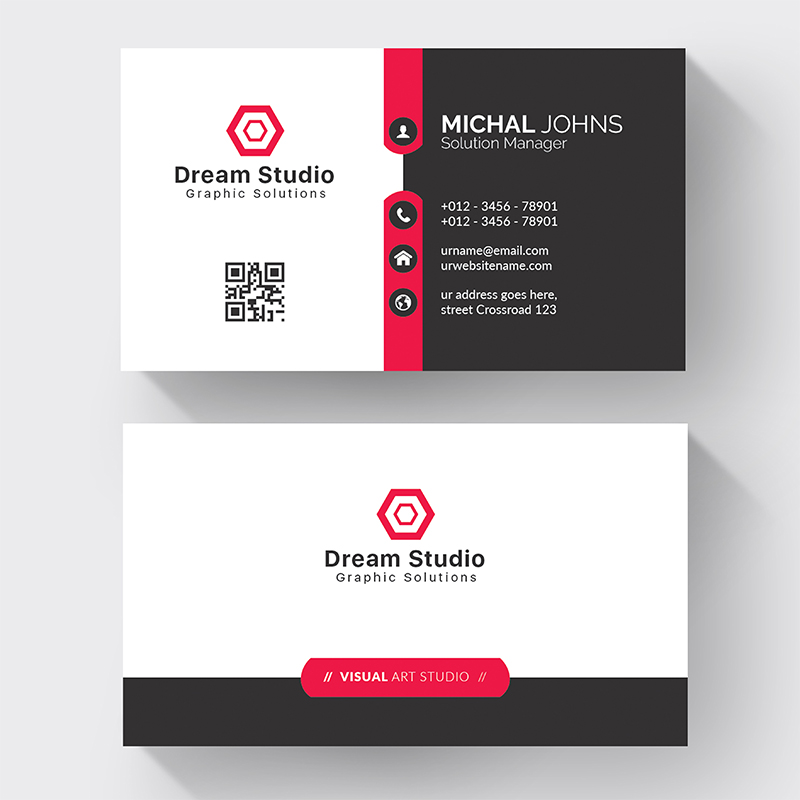
Credit: hikeprint.com
Designing A Clear Layout
Designing a clear layout is key for any standard business card. It helps people read and remember your information quickly. A clean design makes your card look professional and trustworthy.
Focus on simplicity. Avoid clutter. Use space smartly to separate different details. This makes your card easy on the eyes and effective in sharing your message.
Keep Important Information Visible
Place your name and job title where they stand out. Use a larger font size for these. Contact details like phone and email should be easy to find. Avoid squeezing too much text in small areas.
Use Readable Fonts
Choose simple fonts that are easy to read. Avoid fancy or complicated styles. Stick to one or two font types to keep the look consistent. Make sure the font size is not too small.
Balance Text And White Space
White space helps separate sections and avoids clutter. Do not fill every inch with text. Let the card breathe by leaving some empty areas. This guides the reader’s eyes naturally across the card.
Align Elements Consistently
Keep text and logos aligned neatly. Use left, center, or right alignment but stay consistent. Proper alignment creates a tidy and organized appearance. It helps viewers scan information faster.
Including Key Contact Details
Including key contact details on standard business cards is essential. It helps people reach you quickly and easily. The right details make your card useful and professional. Clear information builds trust and shows you are ready to connect.
Choosing what to include matters. Too much can confuse. Too little can leave people guessing. The goal is simple: give the most important contact points.
Phone Number
Your phone number is often the first way people will contact you. Use a number you check often. Avoid using old or rarely used lines. Include country code for clarity, especially if you work internationally.
Email Address
Email is a must-have. It allows detailed conversations and sending documents. Use a professional email, not a casual or personal one. Keep the address short and easy to read.
Company Website
A website shows more about your business. It offers details beyond the card. Write the full web address clearly. Avoid long or complex URLs that confuse readers.
Physical Address
Add your office or store address if customers visit. Make it easy to find your location. Use a simple format with street, city, and zip code. Skip this if you work remotely or online only.
Social Media Handles
Social media can connect you to a wider audience. Choose one or two platforms where you are active. Write handles exactly as they appear online. Avoid cluttering the card with many social links.
Adding Unique Finishing Touches
Standard business cards are a great way to share your contact details. Adding unique finishing touches makes them stand out. These small details show care and help others remember you. They add personality and style without extra cost. Simple changes can make a big difference.
Using Spot Uv Coating For Shine
Spot UV coating adds a glossy shine to parts of your card. It highlights logos, names, or images. This finish catches light and draws attention. The contrast between matte and shiny areas looks professional. It feels smooth and adds a luxury touch.
Choosing Rounded Corners
Rounded corners soften the look of your card. They make it easier to carry and less likely to bend. This subtle change gives a modern and friendly feel. Rounded edges help your card stand out in a stack.
Adding Foil Stamping
Foil stamping uses metallic foil to add shine. Gold, silver, or colored foil looks elegant and eye-catching. It works well on logos or important text. Foil stamping adds a tactile and visual appeal. It makes your card feel special and valuable.
Selecting Textured Paper
Textured paper adds a unique feel to your business card. It can be rough, linen, or embossed. This touch creates interest and makes your card memorable. People notice the texture and remember the card longer. It adds depth without extra colors.
Tips For Printing And Distribution
Printing and distributing standard business cards needs care. A good print job makes your card look sharp and clear. Proper distribution helps your card reach the right people. These tips guide you through printing and sharing your cards well.
Choose The Right Paper And Finish
Pick a paper that feels good to touch. Thick paper shows quality and lasts longer. Matte finish avoids glare and looks modern. Glossy finish makes colors bright and sharp. Match the finish with your business style.
Check Your Design Before Printing
Double-check all text for spelling and contact details. Keep fonts easy to read and not too small. Use high-resolution images to avoid blurry prints. Leave some space at edges to prevent cutting errors. Simple designs stand out more than crowded ones.
Print In Small Batches First
Start with a small number of cards. This helps find any mistakes early. Make changes if needed before printing more. Saves money and avoids waste. Small batches let you test different styles or messages.
Distribute Cards At Key Places
Give cards to people who might need your service. Hand them out at events and meetings. Leave some cards at local shops or cafes. Always carry cards with you for unexpected chances. Friendly and confident sharing helps get noticed.
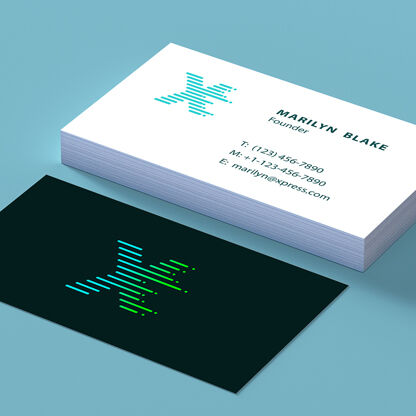
Credit: www.nextdayflyers.com
Frequently Asked Questions
What Size Is Standard For Business Cards?
Standard business cards usually measure 3. 5 x 2 inches. This size fits well in wallets and cardholders. It is widely accepted worldwide.
What Information Should A Standard Business Card Include?
Include your name, job title, company, phone number, and email. Adding a website or social media is helpful too. Keep it simple and clear.
What Paper Type Is Best For Standard Business Cards?
Thick cardstock is best for durability and a professional feel. Matte or glossy finishes are popular choices. Choose one that fits your brand style.
How Many Colors Should A Standard Business Card Have?
Using two to three colors keeps the card clean and readable. Too many colors can make it look busy. Stick to your brand’s colors.
Can I Design My Own Standard Business Card?
Yes, many tools online let you design your own card. Keep the layout simple and text easy to read. Save your design in high quality for printing.
How Many Business Cards Should I Order At Once?
Ordering 250 to 500 cards is common for most businesses. It ensures you have enough cards for meetings and events. Bulk orders often reduce the cost per card.
How Should I Store Standard Business Cards To Keep Them Safe?
Keep cards in a cardholder or a small box. Avoid folding or bending to maintain a neat look. Store them in a dry place to prevent damage.
Conclusion
Standard business cards remain a key tool for sharing contact details. They help create a strong first impression. A simple design often works best. Clear fonts and quality paper make cards easy to read. Keep your information up-to-date and neat.
Handing out cards builds trust and connection. Everyone should have a few cards ready to give. Small but powerful. A good business card opens doors to new opportunities.
