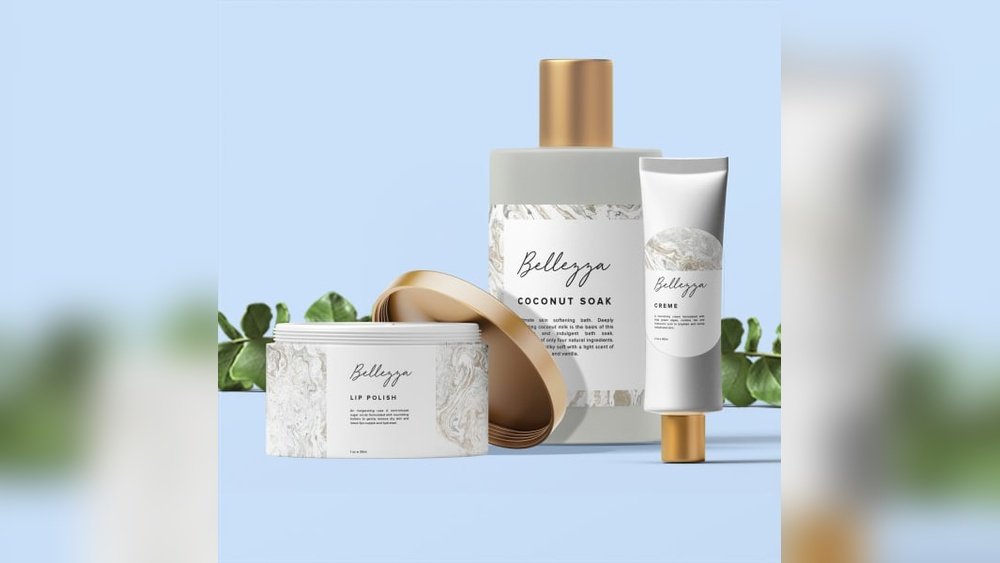
Are you curious about what those health beauty labels on your favorite products really mean? Understanding these labels can help you make smarter choices for your skin and overall wellness.
Thank you for reading this post, don't forget to subscribe!Imagine picking a cream or supplement that truly benefits your body without hidden chemicals or misleading claims. This article will guide you through the most important health beauty labels, showing you how to spot the ones that matter and avoid the ones that don’t.
By the end, you’ll feel confident and in control of what you bring into your daily routine. Keep reading to discover the secrets behind those labels and transform your beauty habits for good.
Common Health Beauty Labels
Health beauty labels guide consumers to make safe and smart choices. They tell if products are natural, safe, or tested for quality. Knowing these labels helps pick the right items for skin and body care.
Organic
Organic labels mean products contain natural ingredients. These ingredients are grown without synthetic chemicals or pesticides. Organic items are gentle on skin and better for the environment.
Cruelty-free
Cruelty-free means no animal testing was done. Brands with this label care about animal welfare. It shows respect for animals and ethical product development.
Hypoallergenic
Hypoallergenic products reduce the risk of allergies. They contain fewer irritants and harsh chemicals. Ideal for sensitive skin or people prone to reactions.
Non-comedogenic
Non-comedogenic means the product won’t clog pores. It helps prevent acne and breakouts. Perfect for oily or acne-prone skin types.
Vegan
Vegan labels show products have no animal ingredients. Suitable for those avoiding animal products. Supports cruelty-free and plant-based beauty choices.
Dermatologist-tested
Dermatologist-tested means skin doctors have checked the product. It indicates safety and skin compatibility. Gives extra confidence in product use.
Ingredients That Matter
Ingredients in health beauty products shape their quality and safety. They decide how well a product works on your skin or hair. Knowing which ingredients matter helps you pick better items.
Many labels list complex names. Some ingredients nourish and protect. Others can cause harm or irritation. Choosing products with the right ingredients supports your health and beauty goals.
Hydrating Ingredients
Hydration keeps skin soft and smooth. Ingredients like glycerin and hyaluronic acid draw moisture to the skin. They help prevent dryness and flaking. These ingredients improve skin’s texture and glow.
Natural Extracts
Plant extracts offer vitamins and antioxidants. Green tea, aloe vera, and chamomile calm and protect skin. They reduce redness and fight free radicals. Natural extracts support healthier and brighter skin.
Gentle Cleansers
Mild cleansers clean without stripping oils. Look for ingredients such as cocamidopropyl betaine or decyl glucoside. These keep skin balanced and fresh. Harsh detergents can cause dryness and irritation.
Vitamins And Antioxidants
Vitamins C and E protect skin from damage. They help repair and brighten skin tone. Antioxidants fight aging signs and inflammation. These ingredients maintain youthful and healthy skin.
Non-comedogenic Oils
Oils like jojoba and squalane moisturize without clogging pores. They suit sensitive and acne-prone skin. These oils balance oil production and reduce breakouts. Heavy oils can worsen skin problems.
Certifications To Trust
Certifications on health beauty labels help you find safe and honest products. They show that a product meets certain rules or standards. These labels make it easier to trust what you buy.
Many certifications focus on natural ingredients, safety, and ethical practices. Knowing these marks helps you choose products that suit your needs. It also supports brands that care about health and the environment.
USDA OrganicThe USDA Organic label means the product uses mostly natural ingredients. It avoids synthetic pesticides and fertilizers. This certification guarantees that the product meets strict organic farming rules. It is good for your skin and the planet.
Leaping BunnyThe Leaping Bunny logo tells you no animals were harmed. It confirms that the product is cruelty-free. Companies with this mark do not test on animals. It shows respect for animal rights and kindness.
Fair Trade CertifiedFair Trade Certified means workers get fair wages and safe conditions. It supports communities involved in making the product. This label promotes ethical business and social responsibility. Buying these products helps improve lives worldwide.
ECOCERTECOCERT certifies natural and organic cosmetics. It checks ingredient quality and environmental impact. ECOCERT ensures products contain a minimum of natural components. It also bans harmful chemicals and promotes sustainability.
Non-GMO Project VerifiedThis label means the product does not contain genetically modified organisms. It guarantees natural ingredients without genetic changes. It helps people avoid GMOs for health or personal reasons. The label shows transparency and safety.
Decoding Label Claims
Health beauty labels often use terms that can confuse shoppers. Decoding these label claims helps you make smart choices. Understanding what each claim means leads to better decisions for your skin and health.
Labels can include words like “natural,” “organic,” or “hypoallergenic.” These words are not always clear or regulated strictly. Learning their true meaning is important before buying any product.
What Does “natural” Really Mean?
“Natural” suggests the product comes from plants or minerals. Yet, there is no strict rule for this word. Some products with chemicals still use “natural” on the label. Look for more details about ingredients to be sure.
The Truth About “organic” Labels
“Organic” means the ingredients are grown without pesticides or chemicals. This term is more controlled by law. Check for certification marks to confirm a product is truly organic. Not all “organic” claims are reliable without proof.
Understanding “hypoallergenic” Claims
“Hypoallergenic” means the product is less likely to cause allergies. It does not guarantee zero reactions. People with sensitive skin should test products before full use. Look for products made for your skin type.
Meaning Of “dermatologist Tested”
This claim shows the product was tested by skin doctors. It does not mean the product is safe or effective for all. Testing may be limited or done on few people. Use this label as a small sign, not a full promise.
How To Spot “cruelty-free” Labels
“Cruelty-Free” means the product was not tested on animals. Look for recognized symbols from trusted groups. Some brands may misuse this term. Confirm the label with official cruelty-free certifications.
Avoiding Harmful Additives
Avoiding harmful additives is key to choosing safe health and beauty products. Many labels hide chemicals that can irritate skin or cause allergies. Understanding what to avoid helps protect your body and health.
Harmful additives often appear in products without clear warnings. Reading labels carefully can prevent exposure to these substances. Cleaner ingredients mean healthier skin and fewer risks.
Understanding Common Harmful Additives
Some additives cause skin redness, dryness, or rashes. Parabens, sulfates, and phthalates are examples to watch out for. These can disrupt hormones or damage skin over time.
How To Spot Harmful Ingredients On Labels
Look for long, complex words. Chemical names often indicate synthetic additives. Natural products usually list simple, familiar ingredients like oils or plant extracts.
Choosing Products With Safe Ingredients
Opt for products labeled “paraben-free” or “sulfate-free.” Organic and natural labels often mean fewer harmful chemicals. Trust products with transparent ingredient lists.
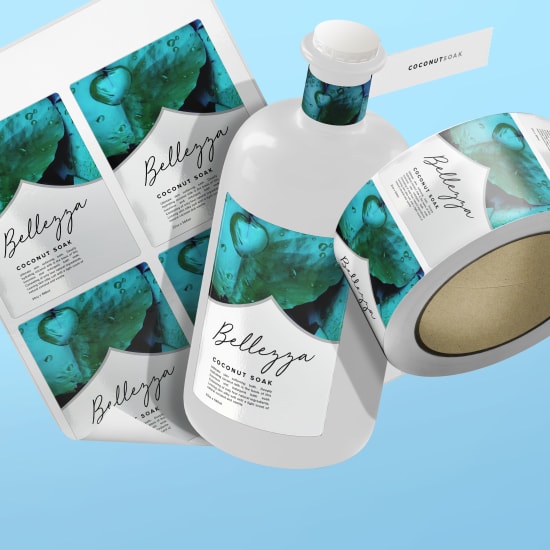
Credit: www.avery.com
Tips For Reading Labels Quickly
Reading health beauty labels quickly helps you choose better products fast. Labels contain useful facts about ingredients, benefits, and safety. Knowing how to scan these labels saves time and avoids confusion. Simple tricks make label reading easier and clearer.
Scan For Key Ingredients First
Focus on the main ingredients. These often appear at the top of the list. Ingredients affect how the product works on your skin or hair. Spot harmful or unwanted substances early. This step helps you decide if the product suits your needs.
Look For Certifications And Claims
Check for labels like “organic,” “cruelty-free,” or “dermatologist tested.” These certifications show product quality or safety. Claims such as “moisturizing” or “non-comedogenic” indicate benefits. These quick signs guide you to suitable products.
Check Expiry Dates And Usage Instructions
Expiry dates ensure product freshness and safety. Using expired items can cause skin issues. Briefly scan usage tips to avoid mistakes. Proper use improves results and prevents side effects.
Choosing Products For Your Skin Type
Choosing the right products for your skin type is key to healthy, glowing skin. Using products made for your skin helps avoid irritation and breakouts. Each skin type has unique needs. Knowing these needs guides your choices.
Labels on health and beauty products offer clues about their use. Reading these labels carefully helps pick the best fit for your skin. This section shows how to match products with your skin type.
Understanding Your Skin Type
Skin types include oily, dry, normal, combination, and sensitive. Oily skin feels greasy and looks shiny. Dry skin feels rough and may flake. Normal skin feels balanced and smooth. Combination skin has both oily and dry areas. Sensitive skin reacts easily to products and weather.
Choosing Products For Oily Skin
Pick products labeled “oil-free” or “non-comedogenic.” These do not block pores. Use gentle cleansers and lightweight moisturizers. Avoid heavy creams and oily ingredients. Look for ingredients like salicylic acid to control oil.
Choosing Products For Dry Skin
Use rich, hydrating creams and oils. Look for “moisturizing” or “hydrating” on labels. Ingredients like hyaluronic acid and glycerin help keep skin soft. Avoid alcohol and strong fragrances that dry skin more.
Choosing Products For Sensitive Skin
Choose products labeled “hypoallergenic” or “for sensitive skin.” These reduce the chance of irritation. Avoid products with strong perfumes or dyes. Look for soothing ingredients like aloe vera and chamomile.
Reading Labels For Key Ingredients
Labels list ingredients in order of amount. The first ingredients are the most important. Look for natural, gentle ingredients. Avoid harsh chemicals like parabens and sulfates. This helps keep your skin safe and healthy.
Credit: www.passionlabels.com
Credit: columbialabel.com
Frequently Asked Questions
What Are Health Beauty Labels On Skincare Products?
Health beauty labels show important product details like ingredients and safety. They help buyers choose safe and healthy skincare items.
Why Should I Trust Health Beauty Labels?
Health beauty labels follow strict rules to ensure honesty. They give clear info about what is inside the product.
How Do Health Beauty Labels Impact Product Safety?
Labels reveal allergens and harmful chemicals. This helps you avoid products that may cause irritation or harm.
What Common Terms Appear On Health Beauty Labels?
Look for words like “organic,” “natural,” “hypoallergenic,” and “dermatologist tested. ” These terms guide safer beauty choices.
Can Health Beauty Labels Indicate Product Effectiveness?
Labels list active ingredients that target skin issues. This helps users find products that work for their needs.
How Do I Read Ingredient Lists On Beauty Labels?
Ingredients are listed from most to least used. Focus on the first few ingredients to understand product strength.
Are Health Beauty Labels Regulated By Law?
Yes, many countries require accurate labels on beauty products. This protects consumers from false claims and unsafe items.
Conclusion
Health beauty labels help you choose safe and natural products. They show important information about ingredients and benefits. Reading these labels can protect your skin and health. Trustworthy labels make shopping easier and more confident. Always check labels before buying any health or beauty item.
This small step keeps your routine healthy and effective. Understanding labels supports better choices every day. Stay informed and enjoy the benefits of clear health beauty labels.