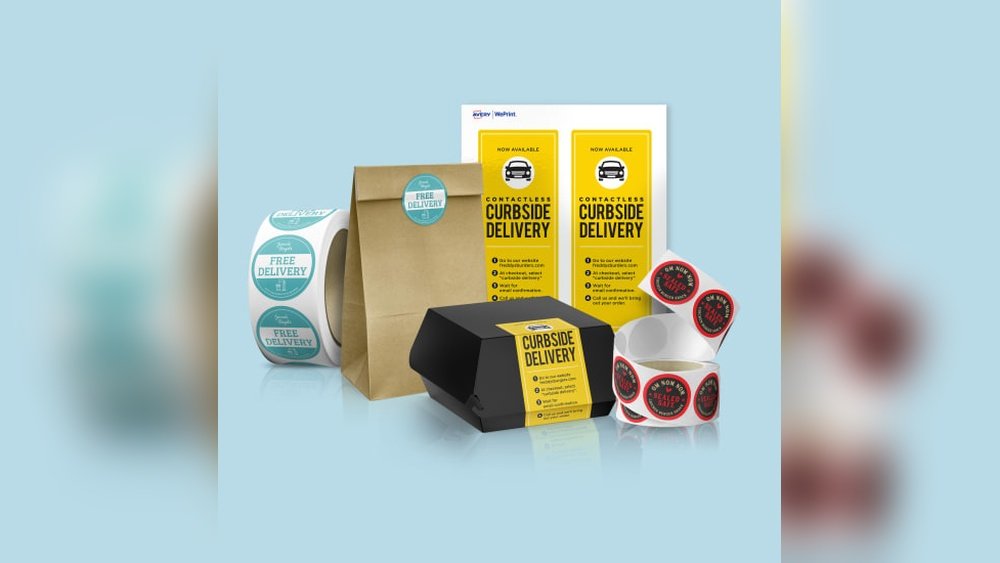
If you run a restaurant, café, or any food business, you know how important clear and accurate labels are. Foodservicelabels do more than just identify ingredients—they protect your customers and keep your kitchen organized.
Thank you for reading this post, don't forget to subscribe!Imagine avoiding costly mistakes, ensuring food safety, and making your operations smoother—all with the right labels. You’ll discover how foodservicelabels can transform your business, keep your customers safe, and save you time and money. Keep reading to learn the secrets behind effective labeling and how you can start using them today.
Benefits Of Smart Labels
Smart labels bring many benefits to the foodservice industry. They help track food items easily and improve safety. These labels show real-time data about freshness and temperature. This helps reduce waste and protect customers.
Food businesses save money by using smart labels. They also build trust with customers through better transparency. Smart labels make managing food stock faster and simpler.
Enhanced Food Safety
Smart labels monitor temperature during storage and transport. This helps prevent spoiled or unsafe food from reaching customers. Staff can quickly spot problems and take action. This lowers the risk of foodborne illness.
Reduced Food Waste
Smart labels track expiration dates accurately. They alert staff before food goes bad. This allows better planning to use food in time. Less food thrown away means lower costs and less environmental impact.
Improved Inventory Management
Smart labels provide real-time updates on stock levels. This helps avoid over-ordering or running out of supplies. Staff spend less time checking stock manually. This increases efficiency in daily operations.
Better Customer Confidence
Smart labels provide clear product information to customers. They show freshness and origin details. Customers feel safer buying food with smart labels. This can boost sales and loyalty.

Credit: starmicronics.com
Types Of Foodservice Labels
Foodservice labels play a vital role in kitchens and food businesses. They help track food items, show important details, and keep food safe. Different types of labels serve different purposes. Choosing the right label makes food handling easier and more organized.
Thermal Labels
Thermal labels use heat to print text or images. They do not need ink or toner. These labels print fast and are cost-effective. Thermal labels resist moisture and temperature changes well. Perfect for labeling food packages and storage containers.
Barcode Labels
Barcode labels store data in a pattern of lines. Scanners read these codes quickly. They help track inventory and speed up checkout. Barcodes reduce human errors in foodservice operations. Useful for stock control and managing expiry dates.
Rfid Tags
RFID tags use radio waves to send information. They do not require direct scanning like barcodes. These tags can track multiple items at once. RFID improves food traceability and safety checks. Ideal for large kitchens and food suppliers.
Enhancing Inventory Management
Foodservice labels play a key role in improving inventory management. They help track food items from delivery to use. Clear labels reduce waste and save money.
Labels provide important details like expiration dates and storage instructions. Staff can easily check what needs to be used first. This keeps food fresh and safe.
Accurate Stock Tracking
Foodservice labels allow precise tracking of stock levels. Staff can see what is available and what is running low. This prevents over-ordering and shortages.
Labels help update inventory records quickly. Managers get accurate data to plan orders better. This saves time and reduces errors.
Improved Food Rotation
Labels make food rotation simple and effective. They show the date when items were stored or prepared. Staff use older stock first, reducing spoilage.
Clear rotation improves food safety. It also lowers the risk of waste from expired products.
Faster Staff Training
Labels help new staff learn inventory rules faster. Visual cues make it easier to follow storage and use guidelines. This reduces mistakes in busy kitchens.
Consistent labeling improves teamwork. Everyone knows how to handle stock correctly.
Improving Food Safety Compliance
Food safety compliance is key for any food service business. It helps prevent contamination and keeps customers safe. Clear foodservice labels play a big role in meeting safety rules. They provide important information quickly and correctly.
Labels make it easy to track ingredients and storage times. This reduces the risk of using spoiled or unsafe food. Proper labeling also supports staff training and daily checks. Everyone knows what to do and when.
Clear Identification Of Allergens
Foodservice labels show allergens clearly. This helps prevent allergic reactions. Staff can quickly spot foods containing nuts, dairy, or gluten. Customers with allergies feel safer and more confident.
Accurate Date And Time Tracking
Labels include production and expiration dates. This keeps food fresh and safe to serve. Staff can remove expired items on time. It reduces waste and avoids health risks.
Consistent Storage Instructions
Labels provide proper storage guidelines. This ensures food stays at the right temperature. It helps maintain quality and safety. Staff follow the instructions without confusion.
Support For Regulatory Inspections
Well-labeled food shows compliance during inspections. Inspectors see clear, organized information. This helps avoid fines and penalties. It builds trust with authorities and customers alike.
Streamlining Kitchen Operations
Streamlining kitchen operations helps save time and reduce mistakes. It keeps the kitchen organized and tasks clear. Foodservice labels play a key role in making this possible.
Labels help staff quickly find ingredients and know important details. This improves workflow and keeps food safe. Clear labeling also helps with inventory and prevents waste.
Enhancing Ingredient Identification
Foodservice labels show the name and date of each item. This stops confusion and speeds up food prep. Staff can easily spot what they need without asking.
Improving Food Safety
Labels include use-by dates and storage instructions. This lowers the risk of serving spoiled food. It also helps in keeping the kitchen clean and safe.
Simplifying Inventory Management
Labels make it easy to track stock levels. This helps avoid running out of key ingredients. Kitchens can plan better and reduce food waste.
Supporting Staff Training
Clear labels guide new workers on kitchen rules. It helps them understand storage and prep steps faster. This reduces errors and speeds up training.

Credit: bollin.com
Choosing The Right Label Materials
Choosing the right label materials is key for foodservice labels. The label must hold up in different conditions. It should stay clear and readable. Picking the wrong material can cause labels to peel or fade. This affects food safety and organization. Knowing what each material offers helps make smart choices. Two important types include waterproof and heat-resistant labels.
Waterproof Labels
Waterproof labels resist water, moisture, and spills. They keep information clear even in wet environments. These labels use special coatings or synthetic materials. Perfect for kitchens, refrigerators, and freezers. They prevent smudging and peeling. Waterproof labels help maintain hygiene by staying intact. They also support easy cleaning without damage. Foodservice workers can trust these labels for long-lasting use.
Heat-resistant Labels
Heat-resistant labels withstand high temperatures without melting or fading. Useful for hot foods, ovens, and steam areas. These labels use strong adhesives and heat-proof materials. They stay stuck and readable after exposure to heat. Heat-resistant labels help track cooking times and ingredients. They reduce mistakes and improve safety. Choosing heat-resistant options means labels perform well in hot settings.
Integrating Labels With Technology
Foodservice labels are more useful when combined with technology. This integration helps businesses track and manage food items better. It improves safety, reduces waste, and saves time. Technology makes labels more dynamic and easy to use. It brings new features like quick scanning and automatic data updates. These tools help workers focus on their tasks without confusion or delay.
Mobile Scanning
Mobile scanning lets workers read food labels fast with a smartphone or tablet. This method cuts down on mistakes from manual entry. It also speeds up checking expiration dates and inventory levels. Scanning apps can show detailed product info instantly. Workers see alerts about allergens or storage rules. Mobile scanning works well in busy kitchens and stores.
Automated Tracking Systems
Automated tracking links labels to computer systems that update data in real time. These systems record when items arrive, move, or leave storage. They help monitor stock and spot problems early. Automatic alerts warn about low supplies or expired goods. Managers get reports without extra work. This keeps the foodservice operation smooth and organized.

Credit: bollin.com
Frequently Asked Questions
What Are Foodservice Labels And Why Are They Important?
Foodservice labels show key info about food products. They help workers know ingredients, allergens, and storage rules. This keeps food safe and customers informed.
How Do Foodservice Labels Improve Kitchen Safety?
Labels reduce risks by sharing cooking and handling instructions. They help avoid cross-contamination and foodborne illness. Clear labels keep kitchens safer every day.
What Information Must Be On A Foodservice Label?
Labels need product name, ingredients, allergen warnings, and expiration date. They also show storage needs and cooking directions. This info guides safe food use.
Can Foodservice Labels Help With Inventory Management?
Yes, labels make tracking stock easier by showing use-by dates. Staff can quickly spot expired items and reduce waste. This saves money and keeps supplies fresh.
Are There Legal Rules For Foodservice Labeling?
Yes, laws require clear allergen and ingredient info on labels. Rules vary by country but protect consumer health. Following laws avoids fines and liability.
How Do Foodservice Labels Assist With Customer Transparency?
Labels share product details like allergens and nutrition. This builds trust with customers who need to avoid certain foods. Clear info supports good dining choices.
What Materials Are Best For Foodservice Labels?
Waterproof and heat-resistant labels work best in kitchens. They stay readable in cold, heat, and moisture. Durable labels ensure info is always clear.
Conclusion
Foodservice labels help keep food safe and organized. They show important details like ingredients and dates. Clear labels reduce waste and prevent mistakes in kitchens. Staff can work faster and serve better food. Using proper labels supports health rules and builds trust.
Simple steps make a big difference in food handling. Always choose labels that fit your needs well. This small effort improves your food service every day.