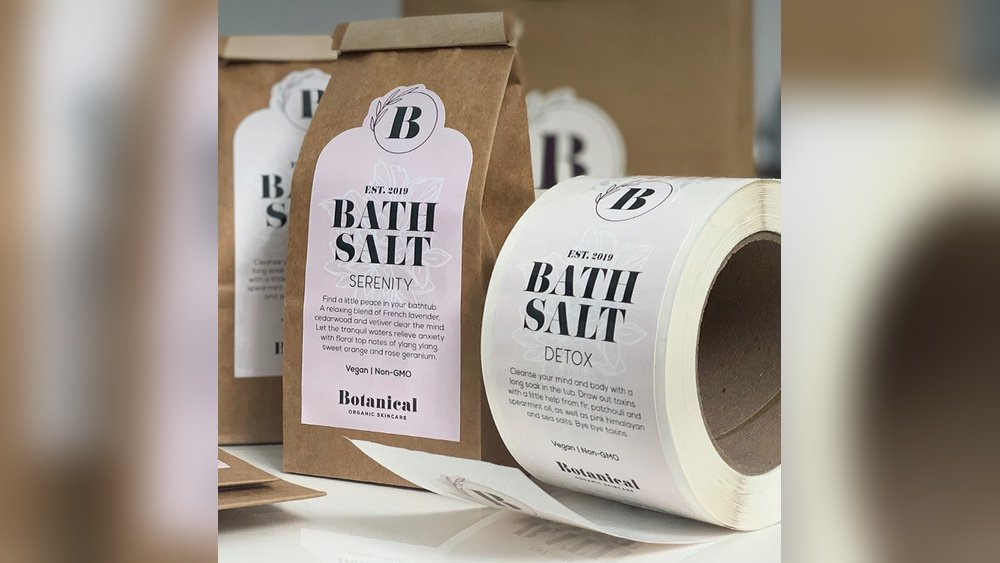
When you pick up a product, what’s the first thing you notice? Most likely, it’s the label.
Thank you for reading this post, don't forget to subscribe!Product labels do more than just show a name or price—they grab your attention, tell you important details, and build trust. If you want your products to stand out and connect with customers, understanding how to create the perfect label is key.
Keep reading, and you’ll discover simple ways to make your product labels work harder for you and boost your sales.
Importance Of Product Labels
Product labels play a key role in how customers see and choose products. They provide important details that help buyers understand what they are getting. Labels also build trust between the brand and the customer.
Good product labels make shopping easier. They show clear information about ingredients, usage, and safety. Without labels, customers may feel unsure or confused about a product.
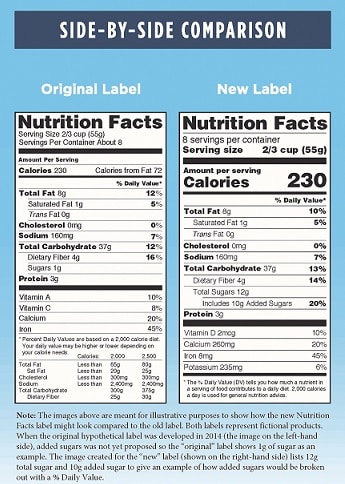
Communicating Essential InformationLabels share vital facts about the product. This includes ingredients, size, and expiration date. Clear information helps customers make smart choices quickly. It also reduces the chance of mistakes or allergies.
Building Brand IdentityLabels reflect a brand’s style and values. A well-designed label can attract attention and create loyalty. Consistent labels help customers recognize products on store shelves easily.
Meeting Legal RequirementsLabels must follow laws and rules for product safety. They provide warnings and instructions required by law. Proper labeling avoids fines and legal trouble for businesses.
Enhancing Customer ExperienceLabels guide customers on how to use and store products. Clear instructions improve satisfaction and reduce returns. Good labels also create a positive impression of the product.
Types Of Product Labels
Product labels come in different types. Each type serves a unique purpose. Choosing the right label affects how your product looks and performs. Labels can protect, inform, and attract buyers. Below are common types of product labels used in packaging.
Paper Labels
Paper labels are the most common and affordable option. They are easy to print on and customize. These labels work well for products with a short shelf life. Paper labels can have a matte or glossy finish. They are biodegradable and eco-friendly. Ideal for food packaging, books, and retail items.
Plastic Labels
Plastic labels are strong and water-resistant. They last longer than paper labels. These labels suit products exposed to moisture or rough handling. Plastic labels often have a shiny surface. Commonly used for cosmetics, cleaning products, and outdoor items. They provide a professional look and protect label information.
Metallic Labels
Metallic labels have a shiny, reflective surface. They add a premium feel to the product. These labels stand out on shelves and catch attention. Metallic labels resist water and tearing. Often found on luxury goods, electronics, and gift items. They give a sleek, high-quality appearance to packaging.
Design Tips For Eye-catching Labels
Creating product labels that grab attention is key to sales. A well-designed label makes your product stand out on shelves. Simple design choices can attract more customers and communicate your brand clearly. Focus on colors, fonts, and images to make labels appealing and easy to read.
Color Choices
Colors influence buyers’ feelings and decisions. Use bright colors to catch the eye quickly. Choose colors that match your brand and product type. Avoid too many colors; keep it simple for clarity. Contrast helps important information stand out on the label.
Typography
Fonts must be clear and readable from a distance. Use bold fonts for product names and key details. Limit font styles to two or three to avoid clutter. Choose fonts that reflect your brand’s personality. Keep text size large enough to read easily.
Imagery And Icons
Images and icons add visual interest and explain the product fast. Use simple icons that relate to the product or benefits. Avoid busy or complicated images that confuse the message. High-quality images build trust and look professional. Keep the layout balanced with images and text.

Credit: www.clearprint.com
Material Selection For Durability
Choosing the right material for product labels is key to making them last. Durable labels keep their look and information clear. They resist damage from water, heat, and handling. The material must match the product’s use and environment. This helps avoid peeling, fading, or tearing.
Waterproof Options
Waterproof labels protect against moisture and spills. Materials like vinyl and polyester offer strong water resistance. They keep colors bright and text readable even when wet. These labels suit products exposed to water or humidity. Examples include bottles, cleaning supplies, and outdoor items. Waterproof labels last longer and maintain a professional look.
Eco-friendly Materials
Eco-friendly labels use materials that harm the planet less. Paper made from recycled fibers is a common choice. Biodegradable films also break down naturally over time. These materials reduce waste and pollution. Many brands use eco-labels to show care for the environment. They appeal to customers who want green products. Eco-friendly labels can still be durable and clear.
Label Placement Strategies
Choosing the right place for product labels affects buyer interest and brand image. Labels must be clear and easy to read. They should highlight important details like the product name or instructions. Good label placement helps products stand out on shelves. It also guides customers to find what they need quickly.
Front Vs. Back Labels
Front labels catch the customer’s eye first. They show the product name and logo. These labels create a strong first impression. Keeping the design simple helps customers understand the product fast.
Back labels hold extra information. Ingredients, instructions, and legal details go here. This space allows brands to share more without cluttering the front. Clear and neat back labels build trust with buyers.
Wrap-around Labels
Wrap-around labels cover most of the product’s surface. They offer more space for design and details. These labels give a premium look to bottles and jars.
Wrap-around labels let brands use colors and images fully. Customers get a better feel of the product. These labels also protect the package from damage and wear.

Credit: pakoro.com
Printing Techniques To Enhance Quality
Choosing the right printing technique affects product label quality. It impacts how labels look and feel. Good printing makes labels clear, vibrant, and durable. It helps products stand out on shelves. Here are popular printing techniques that improve label quality.
Digital Printing
Digital printing uses modern printers to create labels directly from digital files. It offers fast production and sharp images. Colors appear bright and accurate. This method suits small to medium label runs. Changes to the design can be done easily. It reduces waste and cost for short runs.
Offset Printing
Offset printing transfers ink from a plate to the label surface. It works well for large label orders. This method produces consistent colors and fine details. The quality is high and reliable. Offset printing is cost-effective for bulk production. It handles complex designs with smooth gradients well.
Embossing And Foiling
Embossing raises parts of the label, adding texture and depth. Foiling adds shiny metallic or colored layers. Both techniques create a premium look and feel. They catch the eye and add sophistication. These methods work best on strong paper or plastic labels. They make labels memorable and tactile.
Boosting Brand Visibility With Labels
Product labels play a key role in making your brand stand out. They help customers recognize your products quickly. Good labels create a strong impression and build trust. Clear and attractive labels make your products easy to find on shelves. They work quietly but powerfully to boost brand visibility.
Consistent Branding
Using the same colors, fonts, and logos on labels keeps your brand clear. Customers start to remember your brand by these signs. Consistency makes your products look professional and reliable. It helps people trust your brand more. Repeated exposure to your brand style builds recognition fast.
Promotional Features
Labels can include special offers or new product info. This catches the eye and invites customers to try your products. Simple messages like “New” or “Limited Offer” boost interest. Promotions on labels increase the chance of a sale. They give your brand a quick push in crowded markets.
Interactive Elements
QR codes or scan links on labels engage customers directly. They connect shoppers to videos, websites, or discounts. This makes the shopping experience fun and useful. Interactive labels create a bond between your brand and customers. They turn a simple label into a communication tool.
Credit: polyols.org
Frequently Asked Questions
What Are Product Labels Used For?
Product labels provide important information about the product. They show brand, ingredients, and safety details. Labels help customers make smart choices.
How Do Product Labels Affect Customer Trust?
Clear and honest labels build trust with buyers. They show transparency and care from the brand. Trusted labels often lead to repeat sales.
What Information Must Be On Product Labels?
Labels usually include product name, ingredients, weight, and expiry date. Contact details and usage instructions are also common. This info keeps customers informed and safe.
Can Product Labels Influence Buying Decisions?
Yes, labels catch attention and show key benefits. Good design and clear facts can persuade customers quickly. Labels often guide a shopper’s choice.
Are There Legal Rules For Product Labels?
Yes, many countries have laws about label content. These rules protect consumers and ensure honesty. Labels must meet these standards to be sold legally.
How Can Product Labels Improve Brand Identity?
Consistent colors, logos, and fonts make labels recognizable. Strong labels create a lasting impression on buyers. This helps brands stand out in the market.
What Materials Are Used For Product Labels?
Labels are made from paper, plastic, or fabric. Some use waterproof or eco-friendly materials. The choice depends on product type and usage.
Conclusion
Product labels help customers understand what they buy. Clear labels build trust and keep people safe. They also make products stand out on store shelves. Simple, honest information is best for every label. Good labels support business growth and customer loyalty.
Always check rules for label design and content. Well-made labels show care and professionalism. They make shopping easier and more confident. Keep labels easy to read and truthful. This small detail can make a big difference.