
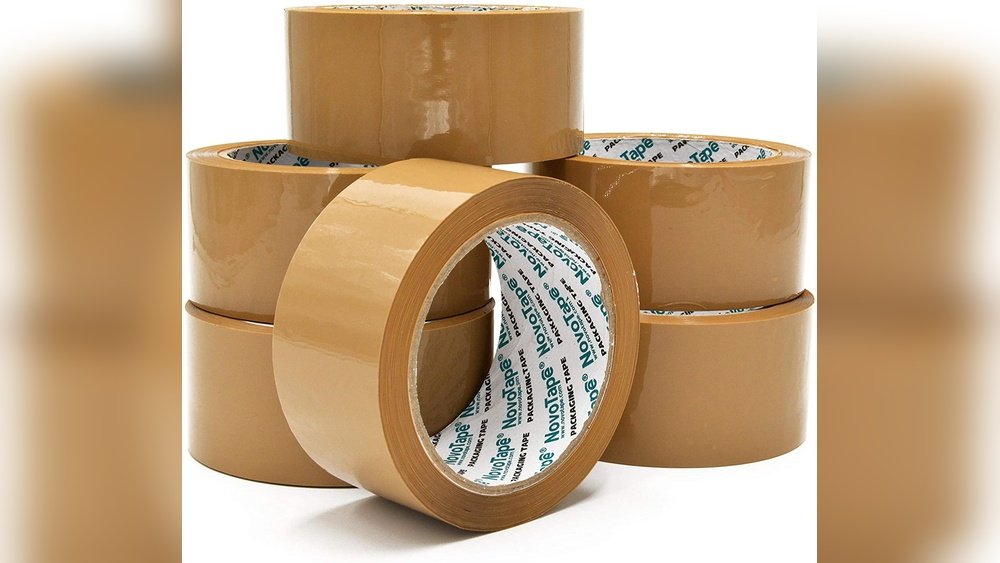
When it comes to packing, the right tape can make all the difference. You want something strong, reliable, and easy to use—so your boxes stay sealed and your items stay safe.
Thank you for reading this post, don't forget to subscribe!But with so many options out there, how do you choose the perfect pack tape for your needs? You’ll discover what makes pack tape essential, how to pick the best one, and tips to get your packing done faster and smarter.
Keep reading to make your next move or shipment hassle-free.

Credit: www.amazon.com
Types Of Pack Tape
Pack tape is a simple tool with many types. Each type fits a different packing need. Choosing the right tape helps keep packages safe and secure. Understanding pack tape types saves time and effort.
Packing Tape Varieties
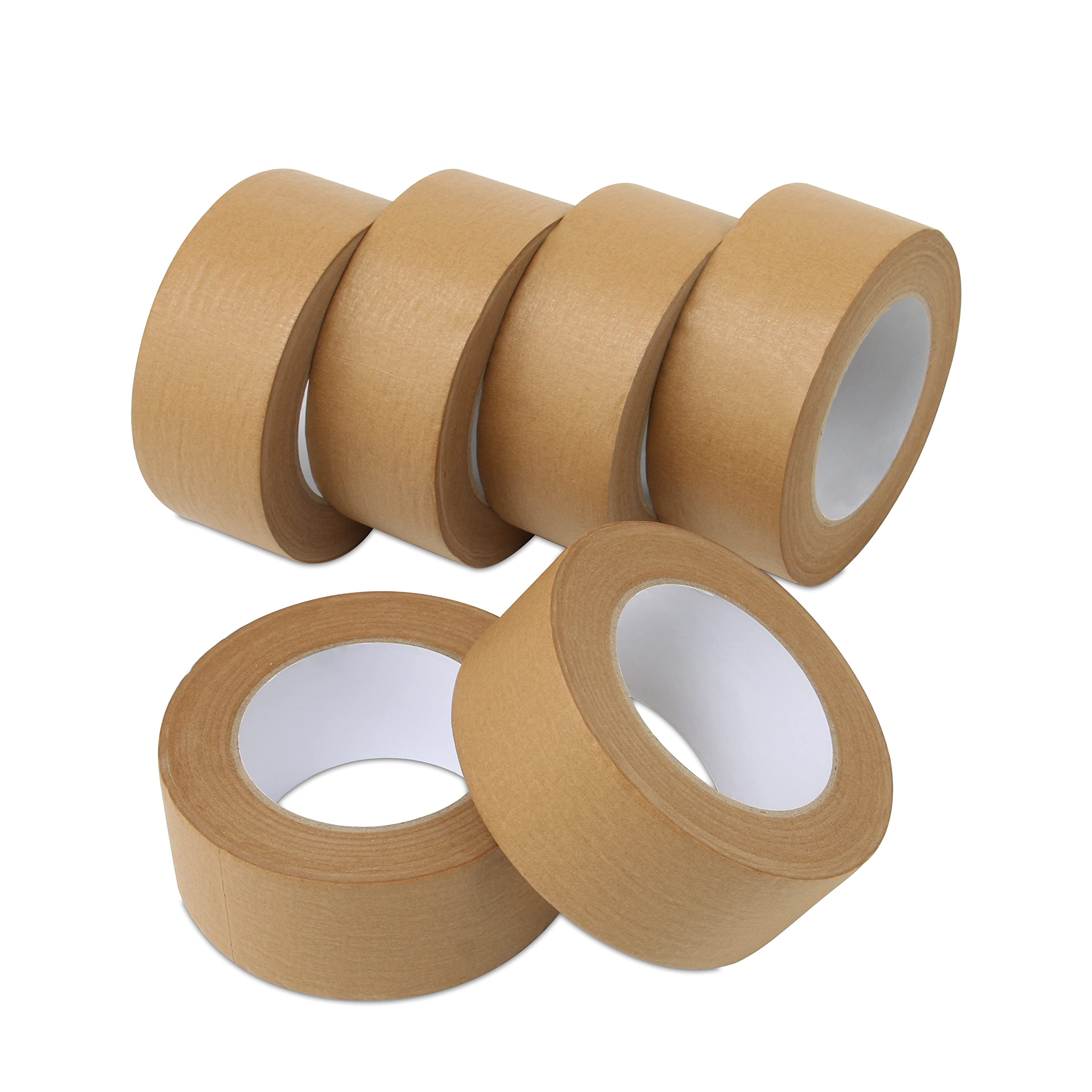
Standard packing tape is clear or brown. It sticks well to cardboard boxes. This tape is strong and easy to tear. It works for most home and office packing jobs. Some tapes have extra strength for heavy boxes. Others are thinner for light packages. All are designed to hold boxes closed during shipping.
Specialty Tapes
Specialty tapes serve unique purposes in packing. Water-resistant tape protects boxes from moisture. This tape works well in damp conditions. Double-sided tape helps attach labels or decorations. Masking tape is easy to write on. It peels off cleanly without damage. Security tape shows if a package is opened. Colored tape helps mark or organize boxes. Each specialty tape adds extra value for specific tasks.
Credit: kilomania.com.br
Key Features Of Strong Tape
Strong tape plays a vital role in packing and sealing tasks. It must hold items securely and resist damage during transport or storage. Understanding its key features helps you pick the right tape for your needs.
These features ensure the tape stays intact and performs well under pressure. Let’s explore what makes tape strong and reliable.
Adhesion Strength
Adhesion strength measures how well tape sticks to surfaces. High adhesion means the tape holds tight without peeling off. Good tape grips various materials like cardboard, plastic, and metal. It bonds instantly and stays stuck even with rough handling. Strong adhesion prevents packages from opening unexpectedly.
Durability Factors
Durability refers to tape’s ability to last without breaking or losing stickiness. Strong tape resists tearing, stretching, and moisture. It works well in different temperatures and conditions. Durable tape protects packages during long shipments. It also resists sunlight and aging, keeping its strength over time.
Choosing The Right Tape For Your Needs
Choosing the right pack tape is key to secure and efficient packaging. The tape must match your packaging needs. Different tapes work better on different surfaces and in various conditions. Picking the correct tape saves time and avoids damage.
Surface Compatibility
Pack tape sticks best to certain surfaces. Cardboard boxes need strong adhesive tape. Smooth surfaces like plastic or metal require tapes made for slick finishes. Rough or dusty surfaces might need tapes with extra grip. Check the surface type before buying tape. Using the wrong tape can cause packages to open during shipping.
Environmental Conditions
Temperature and moisture affect tape performance. Cold conditions need tape that stays sticky even when cold. Heat can soften tape and reduce strength. Moist or humid environments require waterproof or water-resistant tape. Choose tape that fits the environment your package will face. This ensures the tape holds tight until delivery.
Techniques For Effective Sealing
Sealing packages with pack tape needs care and skill. Good sealing keeps boxes safe during shipping and storage. Using the right technique saves time and avoids damage. Small steps can make a big difference in how well your package stays closed.
Learn simple ways to apply pack tape correctly. Avoid common errors that reduce tape strength. Follow easy tips for a secure seal every time.
Proper Application Methods
Start with a clean, dry box surface. Dirt and moisture stop tape from sticking well. Cut tape long enough to cover the box edges. Press tape firmly along the length of the box. Use your hand or a tape dispenser to smooth out air bubbles. Seal all open edges and flaps. Overlap tape slightly at corners for extra hold. Apply tape in straight lines to avoid weak spots. Let the tape rest for a few seconds to bond tightly.
Common Mistakes To Avoid
Do not use old or weak tape. It loses stickiness over time. Avoid stretching tape too much; it can peel off. Skipping cleaning the box surface leads to poor adhesion. Using too little tape can cause the box to open. Not sealing all seams leaves gaps and weak points. Applying tape in a curved or wrinkled way reduces strength. Ignoring temperature changes can affect tape performance. Cold or hot conditions may make tape brittle or sticky.
Innovations In Pack Tape Technology
Pack tape has seen many changes in recent years. These changes help make packing easier and better for the environment. New technology improves the strength and stickiness of the tape. It also makes tape safer to use and better for recycling.
These innovations help businesses and people pack items safely. They also reduce waste and protect the planet. The future of pack tape is bright with these new ideas.
Eco-friendly Materials
Many pack tapes now use eco-friendly materials. These materials break down faster in nature. Some tapes are made from plant-based plastics. This reduces the use of oil and harmful chemicals.
Recycled materials are also common in new tapes. This saves resources and lowers pollution. Using eco-friendly pack tape helps protect the earth.
Advanced Adhesives
Adhesives are the sticky part of the tape. New adhesives hold stronger on many surfaces. They work well in hot and cold conditions. These adhesives do not leave residue on boxes.
Some advanced adhesives are easier to remove. This helps with recycling and reusing boxes. Strong and clean adhesives improve the packing experience.
Troubleshooting Tape Issues
Pack tape is useful for many tasks. Sometimes, it can cause problems that slow work down. Knowing how to fix these issues saves time and effort. Troubleshooting tape problems helps keep packing smooth and fast.
Peeling Problems
Peeling tape can be tricky. The tape may not stick well to surfaces. Dust, dirt, or moisture can cause this. Always clean the surface before applying tape. Press the tape firmly to improve stickiness. Cold temperatures can also make tape peel. Keep tape at room temperature for best results.
Tape Jamming Solutions
Tape jamming is a common issue in dispensers. Tape can stick to the roller or get stuck inside. Remove the tape roll and check for sticky residue. Clean the dispenser parts with rubbing alcohol. Make sure the tape roll fits properly. Pull the tape slowly to avoid sudden jams. Replace old or damaged tape rolls to prevent problems.
Maintaining And Storing Pack Tape
Pack tape needs care to stay useful and strong. Proper maintenance and storage keep its stickiness and shape. Poor storage can cause the tape to dry out or lose grip. Simple steps help keep pack tape ready for any task.
Optimal Storage Conditions
Store pack tape in a cool, dry place away from sunlight. Heat can melt the adhesive and ruin the tape. Avoid humid areas to stop moisture from weakening the glue. Keep tape rolls flat to prevent warping or bending. A sealed plastic bag can protect tape from dust and dirt.
Extending Tape Lifespan
Use tape before the expiration date for best results. Keep the tape’s edge clean to avoid dirt buildup. Avoid pulling tape too hard; it can stretch or tear. Close the tape roll tightly after use to keep air out. Check tape regularly and replace if it loses stickiness or becomes brittle.
Credit: www.homedepot.com
Frequently Asked Questions
What Is Pack Tape Used For In Packaging?
Pack tape seals boxes and packages to keep items safe during shipping. It holds flaps tightly to prevent opening or damage. This tape is strong and sticks well to cardboard.
How Strong Is Pack Tape Compared To Regular Tape?
Pack tape is much stronger than regular tape. It can hold heavy boxes without breaking. Regular tape is thinner and not made for heavy-duty use.
Can Pack Tape Be Used On All Box Types?
Pack tape works best on cardboard boxes but can stick to plastic or paper. Smooth, clean surfaces help tape stick better. Rough or dirty surfaces may reduce its hold.
What Materials Make Pack Tape Sticky And Durable?
Pack tape uses acrylic or hot melt adhesive for strong sticking power. The plastic film backing adds durability and resistance to tearing. This mix keeps packages secure.
How To Remove Pack Tape Without Damaging Boxes?
Peel slowly at a low angle to avoid tearing the box. Using warm air or a hairdryer can soften the adhesive. This makes removal easier without damage.
Is Pack Tape Waterproof Or Moisture Resistant?
Most pack tapes resist moisture but are not fully waterproof. They protect packages from light rain or dampness. For wet conditions, special waterproof tape is better.
How To Choose The Right Width And Length Of Pack Tape?
Choose tape width based on box size; wider tape covers larger seams better. Length depends on how many packages you seal regularly. Longer rolls save time on refills.
Conclusion
Pack tape makes sealing boxes quick and strong. It keeps items safe during moving or shipping. Choose the right tape for your needs. Clear or reinforced tape works well for heavy boxes. Always press tape firmly to avoid gaps. Good tape saves time and prevents damage.
Simple, useful, and easy to find. Use pack tape to keep your packages secure. A small tool with a big job.
