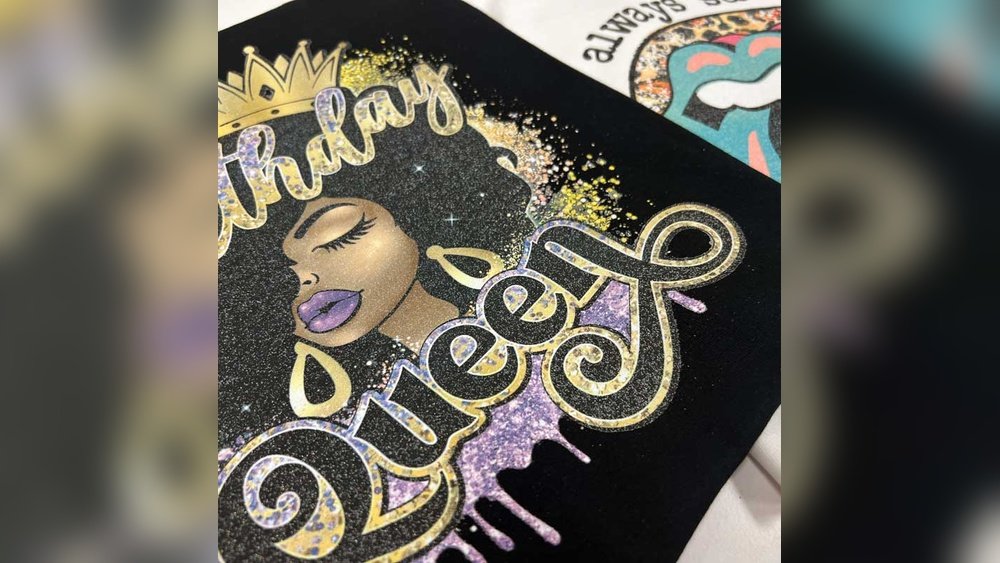
Are you curious about DTF and how it can change the way you create custom designs? Whether you’re a small business owner, a hobbyist, or someone looking to explore new printing techniques, understanding DTF can open up exciting possibilities.
Thank you for reading this post, don't forget to subscribe!You’ll discover what DTF really means, why it’s gaining so much attention, and how it can make your projects stand out with vibrant colors and lasting quality. Keep reading, because what you learn here might just be the game-changer you’ve been searching for.
Credit: dtfstationglobal.com
What Is Direct-to-film Printing
Direct-to-Film printing, known as DTF, is a modern printing method. It prints designs on special films first. Then, these designs transfer to fabrics or other materials.
This method works well on many surfaces. It offers vibrant colors and good durability. DTF is popular for small and large print runs.
How Direct-to-film Printing Works
DTF starts by printing the design on a clear film. The printer uses special ink made for this process. After printing, a powder adhesive covers the wet ink. The film goes through a curing oven. This step melts the powder and makes it sticky.
Benefits Of Direct-to-film Printing
DTF prints sharp, bright images with fine details. It works on cotton, polyester, and blends. The prints resist washing and cracking well. No need for special fabric preparation. This saves time and lowers costs.
Materials Used In Dtf Printing
The main materials include printable films, powder adhesive, and DTF inks. Films are clear and flexible. Powder adhesive sticks the print to the fabric. Inks are vibrant and dry quickly.
Common Uses Of Dtf Printing
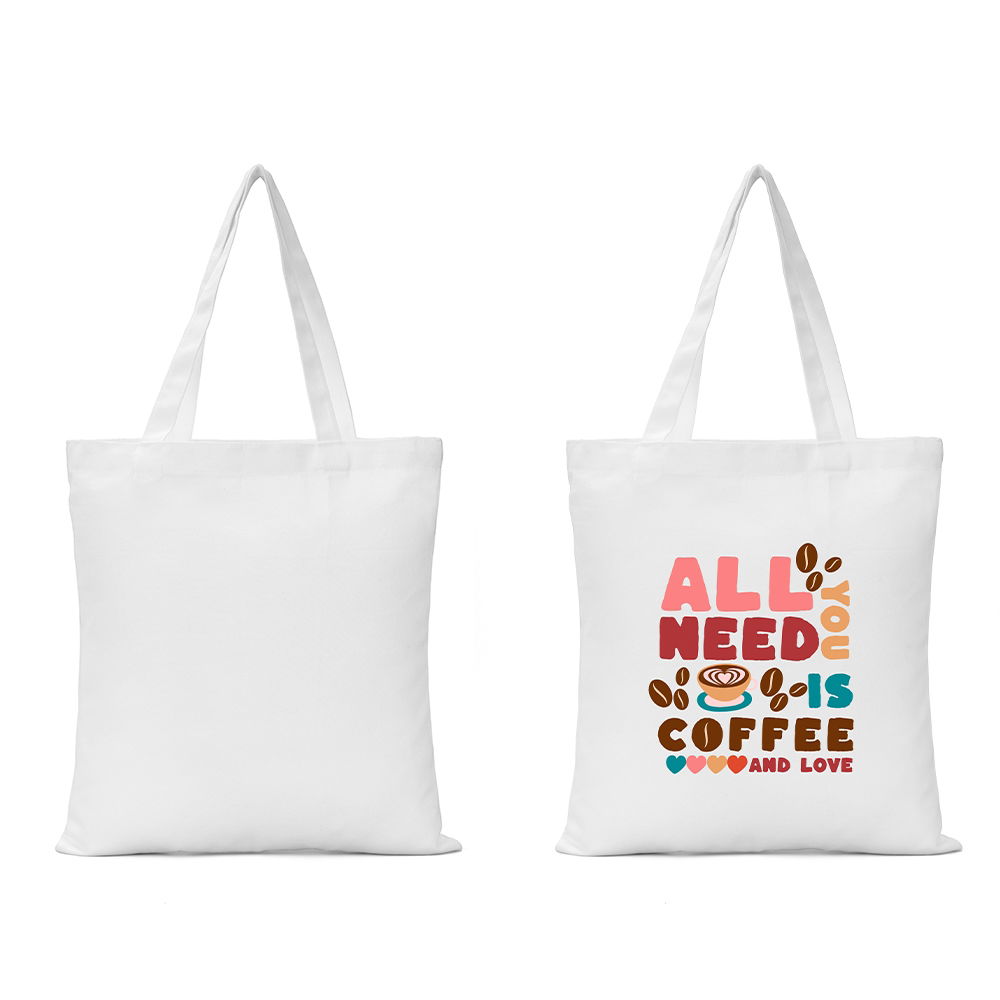
DTF suits custom t-shirts, bags, hats, and more. It works for small runs and one-off designs. Ideal for businesses and hobbyists alike. The method adapts easily to different projects.
Credit: www.innotransferstextiles.com
Key Benefits Of Dtf Printing
DTF printing offers many benefits for custom designs on fabric. It is a popular choice for businesses and hobbyists. The process is fast, flexible, and produces high-quality results. Below are some key benefits that make DTF printing stand out.
High-quality Color Output
DTF printing delivers bright and sharp colors. It works well on dark and light fabrics. The prints maintain their color even after many washes. This ensures long-lasting and vibrant designs.
Works On Various Fabric Types
DTF can print on cotton, polyester, blends, and more. This versatility makes it useful for many products. Users do not need different machines for each fabric type.
Cost-effective For Small Runs
DTF printing does not require expensive setup costs. It suits small orders and custom pieces. This helps reduce waste and save money.
Soft And Comfortable Prints
The prints feel smooth and light on fabric. They do not add stiffness or heaviness. This improves the comfort of the garment.
Durable And Wash-resistant
DTF prints resist cracking and peeling. They hold up well in the wash. This durability ensures the design lasts longer.
Fast Production Time
DTF printing produces designs quickly. This speeds up the order turnaround. Users get their products without long delays.
Essential Equipment And Supplies
Direct to film (DTF) printing needs specific tools and materials. These help create clear and lasting designs on fabric. Using the right equipment improves quality and saves time. Each tool plays a key role in the process.
Understanding essential supplies helps prepare for successful DTF printing. These basics support smooth work and strong results. Let’s explore the main equipment and supplies required.
Dtf Printer
The DTF printer prints the design onto a special film. It uses water-based inks that stick well to fabric. Choosing a printer that works with DTF inks is important. The printer must handle detailed images and colors.
Heat Press Machine
The heat press transfers the printed film design to fabric. It uses heat and pressure to bond the ink with the material. A good heat press has adjustable temperature and time settings. This ensures the design sticks properly and lasts long.
Special Transfer Film
Transfer film carries the printed image before heat pressing. It needs to be clear and strong. The film must hold the ink without bleeding or fading. Quality film creates sharper and more vibrant prints.
Adhesive Powder
Adhesive powder helps the ink stick to the fabric. It is sprinkled on the wet print before heating. The powder melts under heat and binds the design firmly. Using the right powder amount prevents peeling or cracking.
Inks And Consumables
Water-based DTF inks are essential for bright, durable prints. These inks dry quickly and bond well with the film and fabric. Using original or high-quality inks avoids clogging and color issues. Other consumables include cleaning solutions and maintenance kits.

Credit: madmonkeytransfers.com
Step-by-step Printing Process
Direct to Film (DTF) printing is a popular way to create custom designs on fabric. The process looks simple but has many careful steps. Each step affects the final print quality. Understanding each step helps to get the best results every time.
The DTF printing process starts with preparing the design and ends with a vibrant print on fabric. It uses special ink and film to transfer the image. This process works well on many fabric types and colors. Below is a clear guide to the DTF printing steps.
Preparing The Design File
Create a high-quality design on a computer. Use software like Adobe Photoshop or Illustrator. The design must be in the right size and resolution. Save the file in a format that supports transparency.
Printing On Special Film
Load the film into the DTF printer. The printer uses water-based inks to print the design. It prints the image in reverse on the film. White ink is printed first to make colors pop on dark fabrics.
Applying The Adhesive Powder
While the ink is still wet, sprinkle adhesive powder on the film. The powder sticks only to the printed areas. Shake off the excess powder gently. This step ensures the print will stick to the fabric.
Heating And Curing The Powder
Use a heat press or oven to melt the adhesive powder. Heat the film at the right temperature for a few minutes. The powder melts and bonds to the ink. This step prepares the film for the transfer process.
Transferring The Design To Fabric
Place the film on the fabric with the printed side down. Use a heat press to apply firm pressure and heat. The design transfers from the film to the fabric. Carefully peel off the film once cooled.
Final Curing And Cooling
Press the fabric again for a few seconds to cure the print. Let the fabric cool completely before handling. This step makes the print durable and ready for use. The design stays vibrant and lasts through washes.
Troubleshooting Common Issues
Troubleshooting common issues with DTF printing can save time and materials. Knowing how to fix problems quickly keeps projects on track. Many issues have simple solutions you can try yourself.
This section covers frequent problems and how to solve them. Clear steps help avoid confusion and frustration. Follow these tips to improve your DTF printing results.
Dealing with Poor AdhesionPoor adhesion happens when the print does not stick well to fabric. Check the heat press temperature and pressure. Use the right transfer film for the material. Ensure the fabric is clean and dry before printing. Press for the correct time to seal the ink properly.
Fixing Color FadingColor fading makes prints look dull and washed out. Use high-quality inks designed for DTF. Avoid washing prints in hot water or with strong detergents. Print at the right temperature to keep colors vibrant. Let prints cure fully before use.
Handling Ink SmudgingInk smudging occurs if the print is not dry before transfer. Allow ink to dry completely after printing. Store printed films flat to avoid smears. Use a powder adhesive evenly for better transfer. Adjust drying time based on your environment.
Solving Film Curling IssuesFilm curling makes it hard to lay the transfer flat. Keep film stored in a cool, dry place. Avoid bending or rolling the film too tightly. Use a flat surface to load the film into the printer. Slightly warming the film before use can help.
Tips For Enhancing Print Quality
Improving DTF print quality needs care and attention. Small changes make a big difference. This section shares simple tips to get clearer, sharper prints. Follow these steps for better results every time.
These tips focus on preparing materials, setting machines, and handling prints correctly. Each part affects the final look of your designs. Understanding these points helps avoid common mistakes.
Optimize Film And Ink Quality
Choose high-quality film for smooth prints. Low-quality films cause blurriness and color loss. Use fresh ink to keep colors bright. Old ink can dry or clog nozzles. Test your materials before big jobs.
Maintain Proper Printer Settings
Set the right temperature for drying and curing. Too hot or too cold damages prints. Adjust print speed to avoid smudges. Use recommended DPI for sharp images. Regularly check calibration to keep colors true.
Prepare Fabrics Correctly
Clean fabrics before printing. Dust and oils stop ink from sticking well. Use a lint roller or wipe with alcohol. Ensure fabric is dry and flat. This prevents uneven ink distribution and fading.
Control Environment Conditions
Work in a room with stable temperature and humidity. Too much moisture weakens print adhesion. Avoid dusty or smoky areas. These particles can stick to prints. Good ventilation helps dry prints faster and better.
Use Proper Heat Press Techniques
Set correct pressure for your heat press. Too much pressure squeezes ink out. Too little pressure causes poor bonding. Follow time and temperature guides carefully. Let prints cool before handling to avoid smearing.
Future Trends In Dtf Technology
Direct to Film (DTF) technology is changing fast. New ideas and tools make printing better and easier. This keeps the DTF method popular in the textile industry.
Many companies want faster prints with clearer colors. They also want less waste and lower costs. These needs drive new trends in DTF technology.
Improved Ink Formulations
Ink is the heart of DTF printing. New ink types last longer and have brighter colors. These inks work well on many fabric types. They also dry faster, saving time during printing.
Faster Printing Machines
Speed matters in DTF printing. New machines print more sheets each hour. They use better technology to reduce errors. This means more products in less time.
Eco-friendly Materials
People want eco-friendly printing options. DTF now uses inks and films that harm the environment less. These materials break down easier and use fewer chemicals. This helps protect nature and appeal to green buyers.
Automation And Smart Features
DTF printers are getting smarter. Some have automatic cleaning and color adjustments. Sensors check print quality in real-time. This reduces waste and improves final results.
Customization And Small Batches
Custom prints are in demand. DTF technology adapts to print small orders quickly. This suits businesses that want unique designs or test new products.
Frequently Asked Questions
What Does Dtf Mean In Printing Technology?
DTF stands for Direct to Film. It is a printing method where designs print on special film first, then transferred to fabric.
How Is Dtf Different From Dtg Printing?
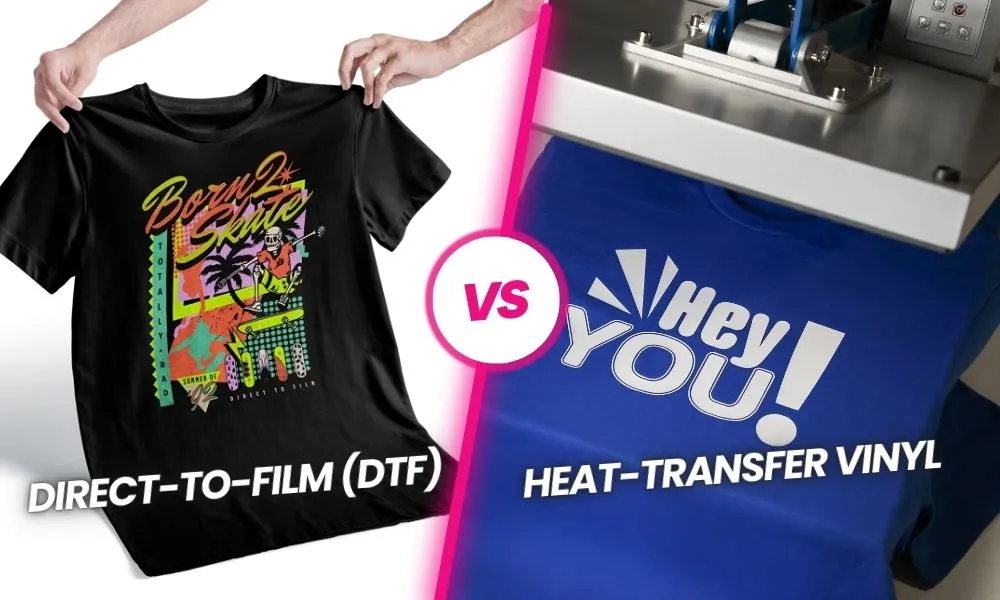
DTF prints on film before fabric, while DTG prints directly on fabric. DTF works well on many materials.
What Materials Can Dtf Printing Be Used On?
DTF works on cotton, polyester, blends, and even dark fabrics. It offers strong color and durability.
Is Dtf Printing Cost-effective For Small Orders?
Yes, DTF suits small runs because it requires less setup than screen printing. It saves time and money.
How Long Does A Dtf Print Last On Fabric?
DTF prints last long with good washing care. Colors stay bright and the print resists cracking.
Can Dtf Prints Handle Complex Or Colorful Designs?
DTF excels with detailed, colorful designs. It prints fine lines and many colors clearly on fabric.
What Equipment Is Needed For Dtf Printing?
DTF requires a printer with special inks, a powder adhesive station, and a heat press. Simple setup overall.
Conclusion
Dtf offers a simple way to create detailed prints on fabric. It saves time and works well for many projects. You can use it for personal or small business needs. The process is easy to learn and does not need complex tools.
Try dtf to add color and style to your clothes. This method makes designs last long and look great. Many people enjoy its flexibility and quality results. Explore dtf and see how it fits your creative ideas.