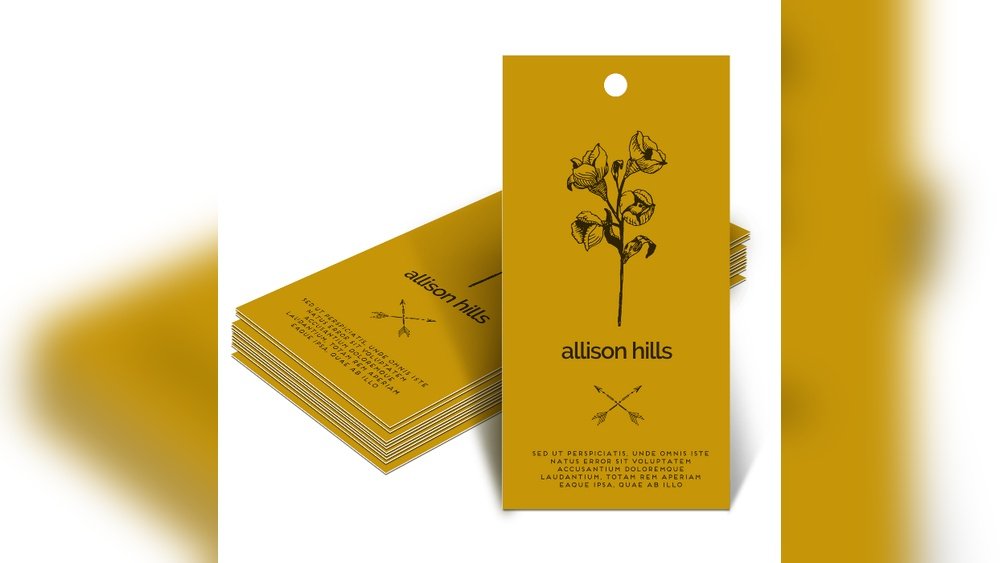
Are you looking for a simple way to make your products stand out? Hang tags might be just what you need.
Thank you for reading this post, don't forget to subscribe!These small pieces of paper or cardboard can do a lot more than just display prices. They tell your brand’s story, catch your customer’s eye, and build trust. If you want to boost your sales and create a lasting impression, understanding hang tags is key.
Keep reading to discover how the right hang tags can transform your products and connect with your customers like never before.
What Hang Tags Are
Hang tags are small labels attached to products. They provide important information about an item. These tags help customers learn more about what they want to buy.
Hang tags often show brand names, prices, and care instructions. They also add a professional look to products. Many businesses use hang tags to improve their product presentation.
What Are Hang Tags Made Of?
Hang tags are usually made from paper, cardboard, or plastic. Paper tags are common because they are cheap and easy to print. Plastic tags last longer and resist water or dirt. Some hang tags have strings or plastic loops to attach them to products.
Where Are Hang Tags Used?
Hang tags are common in clothing stores and gift shops. They appear on clothes, bags, shoes, and other items. Some food products use hang tags for nutrition facts or recipes. These tags help customers understand products better.
Why Are Hang Tags Important?
Hang tags give quick product details without opening the package. They show price, size, and material clearly. Tags also build brand identity by showing logos and designs. Well-made hang tags can attract buyers and increase sales.
Materials Used For Hang Tags
Hang tags play an important role in branding and product information. The choice of material impacts the tag’s look, feel, and durability. Different materials suit different products and budgets. Choosing the right material helps your hang tag stand out and last longer.
Paper
Paper is the most common material for hang tags. It is affordable and easy to print on. Paper tags can have a smooth or textured finish. They work well for light to medium use products. Recycled paper is a popular eco-friendly option.
Cardboard
Cardboard is thicker and stronger than regular paper. It gives a sturdy feel to the hang tag. Cardboard tags are great for heavy or high-end products. They can hold shapes and designs better. Cardboard also allows for double-sided printing.
Plastic
Plastic hang tags are durable and waterproof. They resist tearing and bending. Clear or colored plastic tags add a modern touch. Plastic works well for outdoor or sports products. They last longer but cost more than paper tags.
Fabric
Fabric hang tags offer a soft, premium feel. They suit clothing and textile products well. Common fabrics include cotton, silk, and polyester. Fabric tags can be printed, embroidered, or woven. They add texture and enhance brand perception.
Wood
Wooden hang tags create a natural, rustic look. They are eco-friendly and unique. Wood tags are sturdy and can be engraved or printed. They fit well with handmade or organic products. Wood tags stand out on the shelf.
Design Tips For Impactful Tags
Designing hang tags that catch the eye takes more than just a logo. These small tags need clear visuals and strong messages. They speak for your brand and help customers connect with your product.
Good design makes a tag stand out on shelves or racks. It also helps customers remember your brand. Simple, clear, and neat tags often work best. Keep the focus on what matters most.
Use Bold Colors And Clear Fonts
Choose colors that match your brand. Bright or bold colors attract attention. Use fonts that are easy to read from a distance. Avoid fancy fonts that confuse the reader. Simple fonts help your message get through quickly.
Include Essential Information Only
Keep the text short and to the point. Add key details like brand name, price, or care instructions. Avoid cluttering the tag with too many words. Customers want quick information, not a story.
Use High-quality Images Or Logos
Clear images or logos build trust and show professionalism. Blurry or pixelated pictures look cheap. Make sure your logo is sharp and fits well on the tag. This helps customers recognize your brand easily.
Choose The Right Size And Shape
Pick a size that fits your product without hiding details. Unique shapes can make your tag memorable. But keep the shape simple enough to print and handle easily. Balance creativity with practicality.
Add A Call To Action
Encourage customers to act with short phrases. Use words like “Discover More” or “Feel the Quality.” Calls to action guide buyers towards your product’s benefits. Keep the message friendly and inviting.

Credit: www.gotprint.com
Printing Techniques To Choose
Choosing the right printing technique for hang tags is important. It affects how your brand looks and feels. Different methods give different results. Some are bright and bold. Others are soft and subtle. The choice depends on your style and budget.
Printing technique also impacts the durability of the tag. Some methods hold up better to wear and tear. Others are best for short-term use. Knowing the options helps you pick the best one for your needs.
Offset Printing
Offset printing creates clear and sharp images. It works well for large orders. Colors appear bright and consistent. This method uses plates to transfer ink. It is cost-effective for high volumes. Best for detailed designs and many colors.
Digital Printing
Digital printing is fast and flexible. It suits small orders or custom tags. No plates are needed, so setup is quick. Colors look vibrant on various materials. This method allows easy changes in design. Ideal for testing new ideas or small runs.
Screen Printing
Screen printing uses stencils to apply ink. It works well for bold, simple designs. Colors are thick and vivid. Best for fewer colors and large batches. This method gives a textured feel to tags. Durable and great for outdoor use.
Foil Stamping
Foil stamping adds a shiny metallic finish. It catches the eye and feels premium. This method uses heat and pressure. Foil can be gold, silver, or other colors. Works best for logos and accents. Adds luxury to any hang tag.
Letterpress Printing
Letterpress printing presses ink into thick paper. It creates a deep, tactile impression. This method looks classic and elegant. Best for simple, text-based designs. Adds a handmade, high-quality touch to tags. Great for boutique or artisan brands.
Placement Strategies For Maximum Effect
Placement of hang tags plays a big role in how customers see your product. The right spot grabs attention fast. It helps share your brand story and product details clearly.
Choosing where to place hang tags can change how people feel about your item. It can guide their buying choice. Smart placement makes your product stand out on shelves or racks.
On The Product’s Neckline Or Collar
Tags hung on the neckline or collar catch the eye immediately. Customers see the tag while holding or trying the item. This spot works well for clothing and accessories. It keeps the tag visible but not in the way.
Attached To Zippers Or Buttons
Tags near zippers or buttons add a nice touch. These areas are natural points to look at. They also give a clean, neat look to your product. Customers often check these spots when inspecting quality.
Hanging From The Handle Or Strap
For bags or backpacks, tags on handles or straps stand out. People touch these parts often. The tag moves with the product, making it hard to miss. It also shows the tag clearly without blocking the view.
Inside Packaging Or Boxes
Placing tags inside the packaging adds a surprise element. Customers find extra info after buying. This method helps keep the product look smooth outside. It also adds value with care instructions or brand messages.
On Display Hooks Or Racks
Tags attached to display hooks help shoppers quickly see details. This works well in busy stores. It makes your product easy to spot among many items. Clear tags on racks guide customers to your brand.
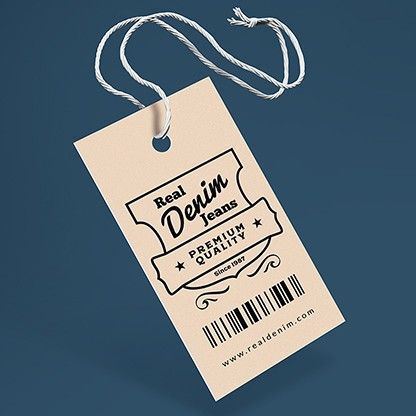
Credit: www.nextdayflyers.com
Eco-friendly Hang Tag Options
Eco-friendly hang tags help brands reduce waste and protect nature. They show customers that a company cares about the environment. These tags use materials that break down easily or come from recycled sources.
Choosing green options does not mean losing style or quality. Many eco-friendly hang tags look great and feel strong. They create a good impression while supporting a cleaner planet.
Recycled Paper Hang Tags
Recycled paper hang tags use old paper to make new tags. They save trees and reduce trash in landfills. These tags often have a natural look and soft texture.
Seed Paper Hang Tags
Seed paper tags contain seeds inside the paper. After use, customers can plant them in soil. The tags grow into flowers, herbs, or plants. This option encourages customers to help the environment.
Bamboo Hang Tags
Bamboo grows fast and requires little water. Bamboo hang tags are strong and eco-friendly. They offer a unique, natural look that stands out.
Biodegradable Hang Tags
Biodegradable hang tags break down quickly in nature. They do not leave harmful waste behind. These tags are made from materials like cornstarch or plant fibers.
Minimal Ink Printing
Using less ink lowers pollution and saves resources. Eco-friendly hang tags often use simple printing methods. This reduces their environmental impact while keeping designs clear.
Measuring Tag Success
Measuring the success of hang tags helps businesses know if their tags work well. It shows which tags attract customers and which do not. Tracking tag performance guides future designs and marketing choices.
Clear results from hang tags improve brand visibility and sales. Without measuring, companies may miss chances to improve or lose money on poor designs.
Tracking Customer Engagement
Customer engagement shows how many people notice and interact with hang tags. Use simple tools like QR codes or special offers on tags. These tools track how many customers scan or use the tags.
High engagement means tags catch attention well. Low engagement suggests a need for better design or message.
Analyzing Sales Impact
Check if hang tags help increase product sales. Compare sales data before and after adding tags. Look for sales spikes linked to tag use.
Sales growth points to tag success. No change might mean tags do not add value.
Gathering Customer Feedback
Customer feedback reveals tag strengths and weaknesses. Ask simple questions about tag design and information. Use surveys or direct comments from buyers.
Positive feedback confirms effective tags. Negative feedback shows areas needing changes.
Monitoring Brand Recognition
Brand recognition grows when customers remember a product. Hang tags can boost this by showing logos and key info clearly. Measure recognition through customer surveys or social media mentions.
Better recognition means tags support brand building. Poor recognition suggests tag design is not clear enough.

Credit: cincinnatiminutemanpress.com
Frequently Asked Questions
What Are Hang Tags Used For In Retail?
Hang tags show product details like size, price, and brand. They help customers learn about the item quickly. Retailers use them to make products look professional.
How Do Hang Tags Improve Product Branding?
Hang tags carry logos and brand colors that catch the eye. They make products stand out on shelves. This helps customers remember the brand better.
What Materials Are Hang Tags Made From?
Hang tags are often made from paper, cardboard, or plastic. The choice depends on the product and budget. Durable materials last longer and look nicer.
Can Hang Tags Include Care Instructions?
Yes, hang tags often list washing and care tips. This helps customers keep products in good condition. Clear instructions reduce product damage and returns.
How Do You Attach Hang Tags To Products?
Hang tags attach using strings, plastic loops, or pins. The method depends on the product type and look. It must be secure but easy to remove.
Are Custom Hang Tags Expensive To Produce?
Custom hang tags cost more than standard ones but add value. Prices depend on design, size, and material. Bulk orders usually lower the price per tag.
What Size Is Best For A Hang Tag?
Common hang tag sizes range from 2×3 to 3×5 inches. The size should fit product packaging without hiding details. Balance between visibility and space is key.
Conclusion
Hang tags help brands share important product details clearly. They catch shoppers’ eyes and add a professional touch. Choosing the right size, shape, and material matters a lot. Simple designs keep information easy to read and understand. Good hang tags build trust and show quality.
Every business can benefit from using them smartly. Small tags make a big difference in sales and branding. Try different styles to find what fits best. Your products deserve clear and stylish hang tags.