Have you ever ignored a warning label and wondered if you should have paid more attention? Warning labels are everywhere—on your food, gadgets, medicines, and even playground equipment.
Thank you for reading this post, don't forget to subscribe!They might seem like simple notes, but they hold vital information that could protect you and your loved ones from harm. Understanding what these labels really mean can save you from unexpected dangers and costly mistakes. Keep reading to discover why warning labels matter to you and how paying attention to them can make a big difference in your daily life.

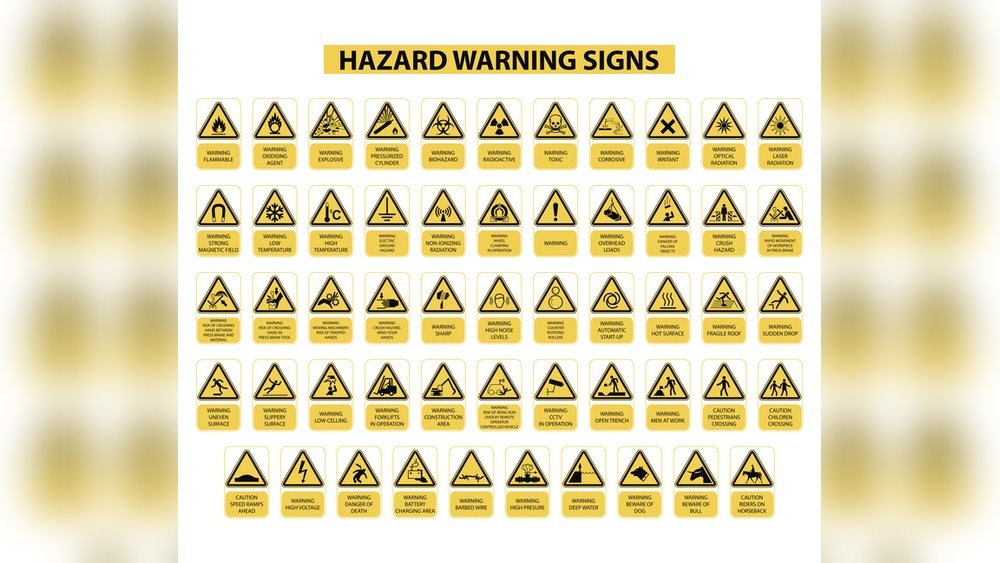
Credit: www.patlabelsonline.co.uk
Importance Of Warning Labels
Warning labels play a key role in keeping people safe. They tell users about risks and dangers. Clear warnings help prevent accidents and injuries. People trust labels to guide them on safe use. Without these labels, many hazards go unnoticed.
Warning labels also protect companies from legal troubles. They show that the maker gave proper safety information. This can reduce lawsuits and claims. Labels act as a first step in safety education. They inform users about what to avoid.
Preventing Accidents And Injuries
Warning labels highlight possible dangers clearly. They make people aware of risks before use. This awareness helps users stay cautious. Many accidents happen because people miss risks. Labels reduce these chances by giving clear alerts.
Providing Clear Safety Instructions
Labels often include simple safety steps. These instructions guide users on what to do. Following them reduces harm and damage. Clear steps make it easier to handle products safely. Users feel more confident with such guidance.
Supporting Legal Protection For Businesses
Companies use warning labels to meet safety rules. Labels prove they informed customers about risks. This lowers legal risks and fines. Proper warnings show responsibility and care. It helps build trust between brands and buyers.
Educating Consumers About Risks
Labels teach users about hidden dangers. They explain what could happen if used wrongly. This education helps people make better choices. Knowing risks leads to safer habits. Labels are a simple tool for learning.
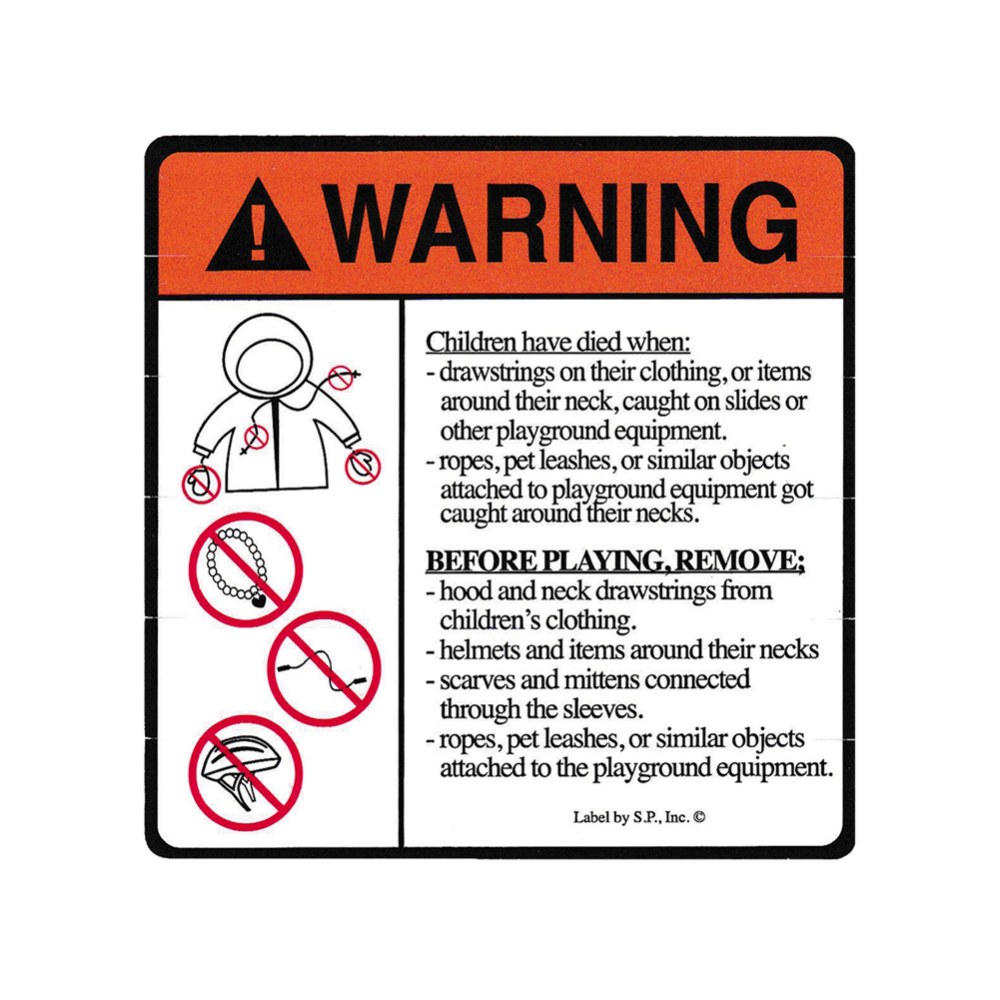
Credit: www.kaplanco.com
Common Types Of Warning Labels
Warning labels play a crucial role in safety and awareness. They inform users about risks and how to avoid harm. Different products and environments need different types of warning labels. Each type has a clear message to protect people. Understanding common warning labels helps us stay safe daily.
General Hazard Warnings
These labels alert about basic dangers. They often use simple symbols like exclamation marks. They warn about risks such as slipping, electrical shock, or toxic materials. The goal is to catch attention fast. These labels appear on many products and areas.
Chemical Warning Labels
Chemical labels show risks from substances. They explain if a chemical is flammable, corrosive, or poisonous. These labels use color codes and icons. They help workers and users handle chemicals safely. Clear instructions reduce accidents and injuries.
Electrical Warning Labels
Electrical warnings highlight dangers from electricity. They warn about shock, fire, or equipment damage. These labels often include lightning bolt symbols. They appear on machinery, outlets, and devices. Their purpose is to prevent electrical accidents.
Product Safety Labels
Product safety labels give specific use instructions. They warn about choking hazards, sharp edges, or misuse risks. These labels often appear on toys, tools, and appliances. Clear warnings protect consumers, especially children. They help people use products correctly.
Environmental Hazard Labels
These labels warn about risks to nature. They inform about chemicals harmful to plants, animals, or water. They guide safe disposal or handling. Such labels support environmental protection. They remind users to act responsibly.
How To Read Warning Labels Correctly
Reading warning labels correctly is important for safety. These labels give key information about risks and how to avoid danger. Understanding them helps protect health and property.
Warning labels use clear words and symbols. They highlight hazards and steps to stay safe. Knowing how to read these labels saves time and prevents accidents.
Identify The Warning Signal Word
Warning labels start with a signal word like “Danger,” “Warning,” or “Caution.” These words show the level of risk. “Danger” means the highest risk, “Warning” means moderate risk, and “Caution” means low risk.
Read The Hazard Description
After the signal word, the label explains the hazard. This part tells what can happen if safety rules are ignored. It may mention fire, poisoning, or injury risks.
Follow The Safety Instructions
Safety instructions tell how to avoid danger. They include actions to take or avoid. For example, “Wear gloves,” “Keep away from heat,” or “Do not inhale.”
Check For Symbols And Pictograms
Symbols show hazards quickly. A flame means flammable. A skull means toxic. These pictures help understand risks even without reading all text.
Note Additional Information
Some labels include first aid steps or storage tips. This extra information helps during an emergency or proper use. Always read this section carefully.
Legal Requirements For Warning Labels
Warning labels protect consumers and help companies avoid legal trouble. Laws require these labels on many products. These rules focus on clear, simple warnings. They aim to prevent accidents and injuries.
Legal rules vary by country and product type. Companies must follow specific guidelines. Labels must show risks clearly and in the right place. Meeting these rules is not optional.
Mandatory Information on Warning LabelsMost laws say what information a warning label must have. This includes the hazard type and how to avoid it. Labels should also show the risk level clearly. Using simple words is important. Pictures or symbols help too.
Placement and Size RequirementsWarning labels must be easy to see. Laws often set rules for size and location on the product. Labels hidden or too small do not meet standards. They must catch the buyer’s attention quickly.
Language and Clarity StandardsLabels must use the right language for the market. Words should be short and clear. Complex terms confuse people and break the law. Some rules require multiple languages on the same label.
Compliance and PenaltiesIgnoring warning label laws can lead to fines or lawsuits. Regulators check products regularly. Non-compliant products may be removed from shelves. Following rules protects both buyers and sellers.
Mistakes To Avoid With Warning Labels
Warning labels protect users and reduce risks. They must be clear and accurate. Mistakes on warning labels can cause confusion or harm. Avoiding common errors ensures safety and trust. Here are key mistakes to avoid with warning labels.
Incorrect Or Vague Wording
Words on warning labels must be simple and direct. Avoid technical terms that readers may not understand. Vague warnings do not explain the real danger. Clear language helps users react properly to risks.
Poor Placement Of Labels
Labels must be easy to see and read. Placing warnings where people cannot notice them defeats their purpose. Put labels near the hazard or on the product’s main surface. Visibility increases the chance of safe use.
Ignoring Cultural Differences
Symbols and words can mean different things in various cultures. Use universal icons and simple language to reach all users. Check if the warning label fits the target audience’s background.
Using Small Fonts Or Faded Colors
Small text is hard to read. Faded colors blend into the background. Use large fonts and high-contrast colors. This makes the warning stand out and grabs attention quickly.
Overloading With Too Much Information
Too many warnings confuse users. Focus on the most important risks. Keep messages short and to the point. Clear and concise warnings work best.
Tips For Creating Effective Warning Labels
Creating effective warning labels is important for safety and clear communication. Good labels help people understand risks quickly. They reduce accidents and protect users. Clear warning labels also build trust in your product.
Focus on making labels simple, clear, and easy to read. Use strong words that catch attention. Follow legal rules to avoid problems. Here are tips to make warning labels work well.
Use Clear And Simple Language
Choose words that are easy to understand. Avoid complex or technical terms. Short sentences help users grasp the message fast. Use active voice to make warnings direct and strong.
Make Warnings Visible And Noticeable
Place labels where people can see them easily. Use bold fonts and bright colors to draw attention. Contrast colors help text stand out. Bigger text size improves readability.
Include Relevant Symbols And Icons
Use standard warning symbols everyone knows. Icons help people understand without reading much. Match symbols to the warning message clearly. This helps non-native speakers and children.
Keep Messages Short And Focused
Limit the text to important information only. Too many words confuse or bore readers. Focus on the main danger and how to avoid it. Clear and brief warnings work best.
Test Labels With Real Users
Check if people understand your warning labels. Watch how they react to the message. Use feedback to improve words, colors, or placement. Testing ensures labels actually prevent accidents.
Future Trends In Warning Label Design
Warning labels will change a lot in the near future. They must be clear, easy to read, and catch attention fast. New technology and design ideas will make them better at keeping people safe. These changes will help people understand risks quickly and act wisely.
Interactive Warning Labels
Labels will use touch or sound to give more information. Users can scan QR codes or tap symbols. This helps explain risks in simple words or videos. It makes safety messages clearer and easier to remember.
Personalized Warning Labels
Future labels may change based on who reads them. They can show different warnings for children, adults, or seniors. This fits the message to the reader’s needs. It helps reduce confusion and improves safety for all ages.
Use Of Smart Materials
New materials will make labels change color or shape. They can react to heat, light, or touch. This shows danger levels clearly. For example, a label may turn red if a product is too hot.
Minimalist And Bold Designs
Simple shapes and big fonts will replace cluttered labels. Clear icons will explain risks fast. This style helps people understand warnings in seconds. It works well for all languages and reading levels.
Integration With Mobile Apps
Warning labels will connect with mobile apps for extra help. Apps can give step-by-step safety tips. They might track how to use products safely. This makes warnings more useful and easy to follow.

Credit: fcdlabels.com
Frequently Asked Questions
What Are Warning Labels And Why Are They Important?
Warning labels tell users about risks or dangers of a product. They help prevent accidents and keep people safe.
How Do Warning Labels Protect Consumers From Harm?
Warning labels give clear safety instructions. They warn about possible injuries or health risks before use.
Where Are Warning Labels Typically Found On Products?
Warning labels appear on items like electronics, chemicals, toys, and food packages. They must be easy to see.
Who Regulates The Use Of Warning Labels?
Government agencies set rules for warning labels to ensure safety. These include the FDA, OSHA, and CPSC.
What Information Must A Proper Warning Label Include?
Labels must show hazard type, how to avoid it, and what to do in emergencies. Clear words and symbols help.
Can Ignoring Warning Labels Cause Legal Problems?
Yes, ignoring warnings can lead to accidents and lawsuits. Companies also risk fines if labels are missing or unclear.
How Do Warning Labels Improve Product Safety Awareness?
Labels alert users about dangers and safe handling steps. This reduces accidents and increases user confidence.
Conclusion
Warning labels help keep us safe every day. They tell us about risks we might miss. Reading them carefully can prevent accidents and injuries. These labels are simple but very important. Always pay attention to warning signs on products and machines.
Staying aware means making smarter and safer choices. Safety is a shared responsibility for everyone. Remember, a small warning can save a big problem. Keep warning labels in mind for your protection and peace of mind.