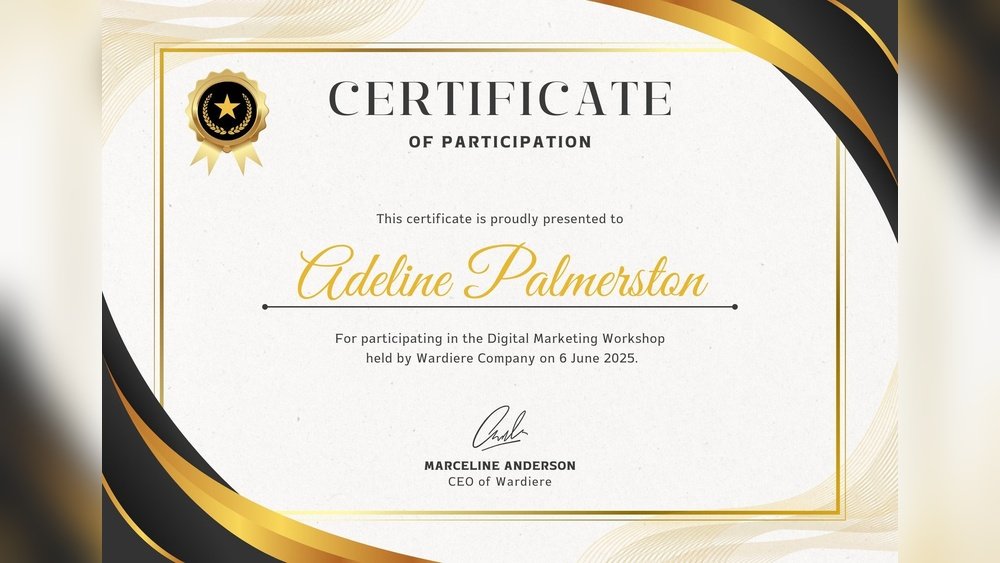
Certificates hold the power to open doors for you. Whether you want to boost your career, prove your skills, or stand out in a crowded job market, having the right certificate can make all the difference.
Thank you for reading this post, don't forget to subscribe!But with so many types and options, it’s easy to feel overwhelmed. This article will help you understand what certificates really mean for you, how to choose the right one, and why they can be your secret weapon for success.
Keep reading—you’re about to discover how certificates can change your future.
Value Of Professional Certificates
Professional certificates show your skills and knowledge in a clear way. They prove to employers that you have learned important abilities. These certificates can help you stand out from others in your field.
Many industries trust certificates as a sign of quality. They often look for certified workers first. This helps you get better job chances and pay.
Improved Job Opportunities
Certificates open doors to new jobs. Employers prefer candidates with proof of skills. This can lead to interviews and job offers.
Some jobs require certificates. Without them, you cannot apply. Certificates make your application stronger and more trusted.
Higher Earning Potential
Certified professionals often earn more money. Companies pay extra for verified skills. A certificate can increase your salary over time.
It shows you are serious about your career. This can lead to raises and promotions faster.
Skill Validation And Confidence
Certificates confirm your knowledge. They prove you understand key concepts. This builds confidence in your work.
You feel ready to handle tasks. Employers trust certified workers more. Confidence can improve your job performance.
Career Growth And Development
Certificates help you grow in your field. They show your commitment to learning. This can lead to leadership roles.
New skills keep you updated with industry changes. Continuous learning keeps you competitive in the job market.
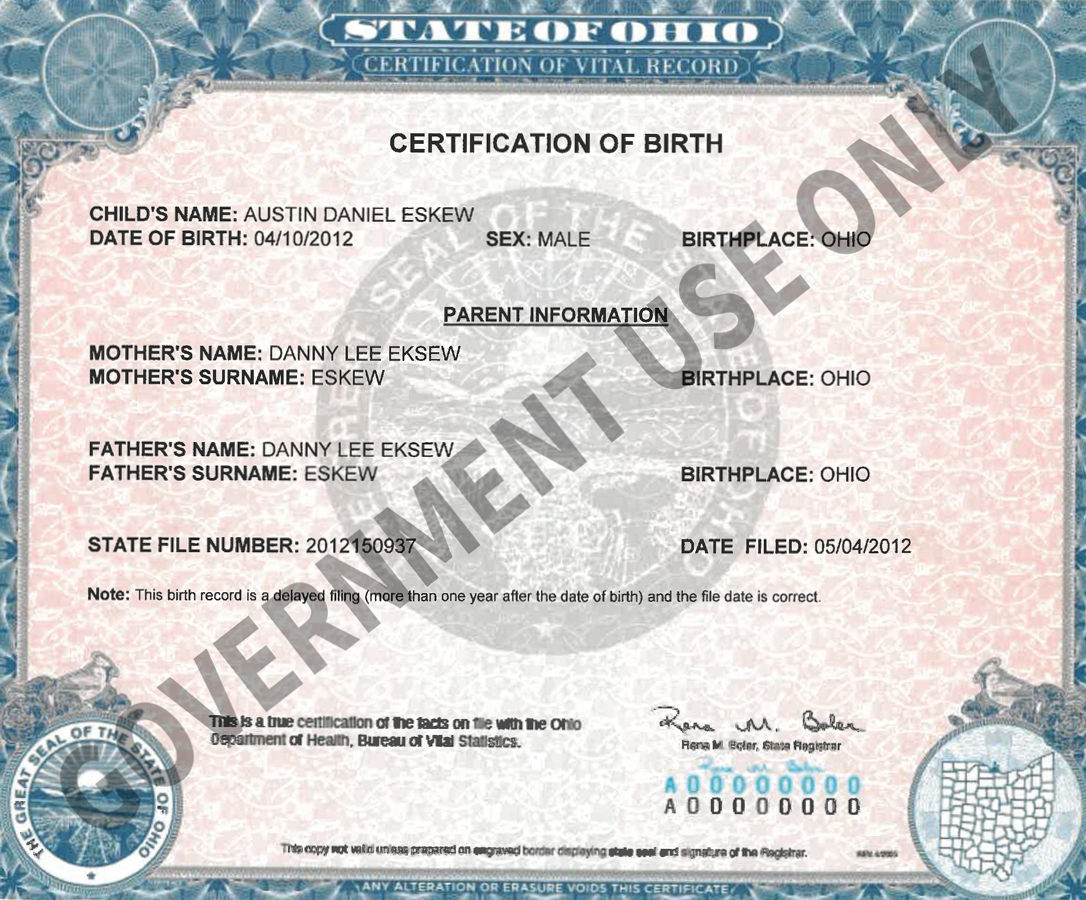
Credit: www.courtnewsohio.gov
Choosing The Right Certificate
Choosing the right certificate is important for your goals. Certificates show your skills and knowledge in a specific area. They can help you get a better job or improve your current work. Not all certificates are the same. Some are more valuable in certain fields. Others may be easier to get but less recognized.
Focus on what you want to achieve. Pick a certificate that fits your career or interests. Consider the time and cost it takes to earn the certificate. Look for certificates that many employers respect. This way, your effort will have a good return.
Understanding Certificate Types
Certificates come in many forms. Some are short courses, others are long programs. Professional certificates prove skills for a job. Academic certificates show study in a school subject. Choose the type that matches your needs and time.
Checking Certificate Validity
Check if the certificate is from a trusted source. Look for official organizations or schools. Valid certificates hold value in the job market. Avoid certificates that are easy to get without real effort.
Matching Certificates To Career Goals
Think about your future job plans. Pick certificates that relate to your desired field. Some certificates open doors in technology, healthcare, or business. The right certificate can help you move forward faster.
Considering Costs And Time
Certificates differ in cost and duration. Some take weeks, others months or years. Choose one that fits your budget and schedule. Invest wisely for the best benefit.
Verifying Employer Recognition
Find out if employers value the certificate. Some certificates are well-known in certain industries. Check job ads to see which certificates employers want. This helps ensure your certificate helps your career.
Popular Certification Fields
Certifications help people prove their skills and knowledge. They are important in many jobs. Some fields have popular certificates that many people choose. These certificates show employers that a person is ready to work in that field. They often help with job chances and pay.
Popular certification fields cover many areas. Some focus on technology, others on health or business. Each field has certificates that fit different careers. Let’s explore some of the most common certification fields today.
Information Technology
IT certifications are very popular worldwide. They include skills in computer networks, security, and software. Examples are CompTIA A+, Cisco’s CCNA, and Microsoft certifications. These certificates help workers prove they can manage and protect technology systems.
Healthcare
Healthcare certifications cover nurses, medical assistants, and technicians. They prove knowledge in patient care and medical procedures. Certified Nursing Assistant (CNA) and Certified Medical Assistant (CMA) are common. These certificates show skills needed to work safely in healthcare.
Project Management
Project management certificates are useful in many industries. They teach how to plan, organize, and lead projects. Popular ones include PMP (Project Management Professional) and CAPM (Certified Associate in Project Management). These certificates help workers lead teams and finish tasks on time.
Business And Finance
Business certifications help with skills in finance, accounting, and marketing. CPA (Certified Public Accountant) and CFA (Chartered Financial Analyst) are top examples. These certificates prove understanding of money management and business rules.
Education
Education certifications prepare teachers and trainers. They focus on teaching methods and student support. Examples include teaching credentials and TESOL for teaching English. These certificates show readiness to help students learn well.
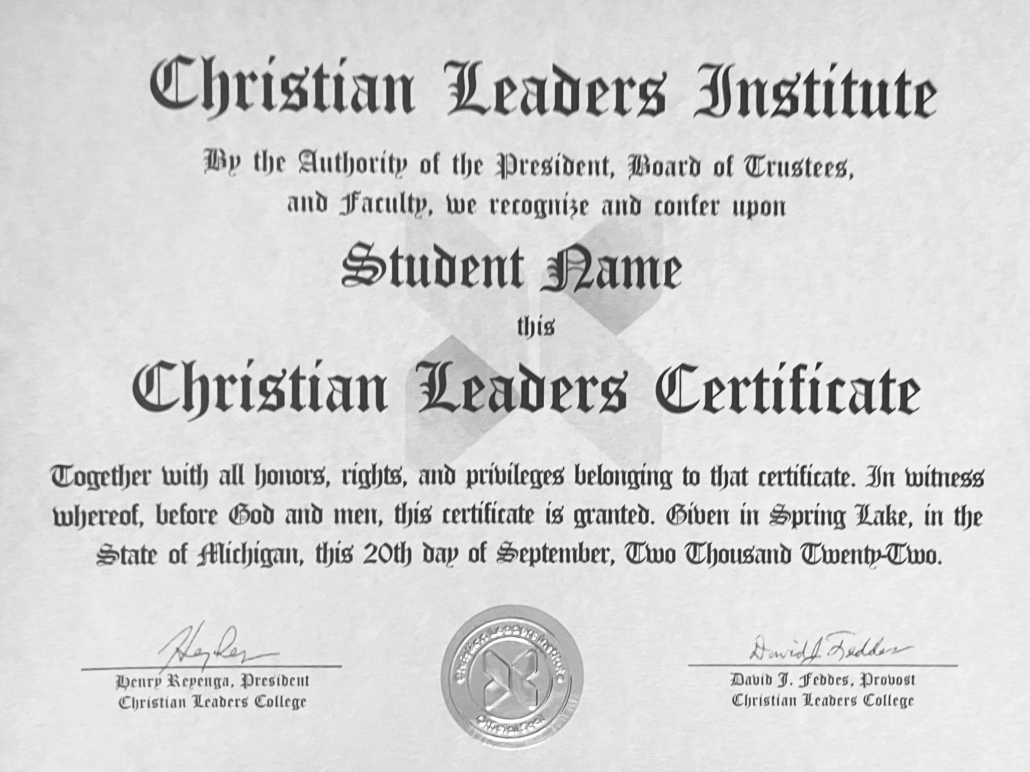
Credit: www.christianleadersinstitute.org
Steps To Earn A Certificate
Earning a certificate shows skill and knowledge in a subject. It can help with jobs or personal growth. The process to get a certificate is simple but needs focus and effort.
Each step builds on the last. Knowing what to do helps avoid mistakes. Follow these steps to earn your certificate smoothly.
Choose The Right Certificate Program
Start by selecting a program that fits your goals. Check the course content and duration. Make sure the certificate is recognized in your field.
Meet The Entry Requirements
Read the program’s entry rules carefully. Some need prior education or work experience. Prepare necessary documents before applying.
Register For The Course
Sign up for the course through the official website or office. Fill out all forms correctly. Pay any required fees on time.
Complete Course Assignments And Exams
Attend classes regularly and do all assignments. Study the material well. Pass exams or tests to prove your learning.
Request Your Certificate
After finishing the course, apply for your certificate. Follow the instructions to submit your request. Wait for confirmation and delivery.
Maximizing Certificate Benefits
Certificates offer many benefits beyond just proof of skills. They can open doors to new jobs, better pay, and career growth. Using certificates wisely helps you get the most value from them.
Simple steps can improve how certificates impact your career and learning path. Focus on practical use and staying updated to keep your certificates relevant.
Choose Certificates That Match Your Goals
Select certificates related to your career or interests. This makes your learning more useful and shows employers your focus. Avoid certificates that do not help your future plans.
Keep Certificates Updated
Fields change fast. Renew or take new courses to keep certificates current. Staying updated shows you know the latest skills and trends.
Use Certificates In Your Resume And Profiles
Add certificates to your resume and online profiles. This shows your skills clearly to employers. Highlight certificates that match the job you want.
Apply Your Certificate Skills Regularly
Practice skills learned from certificates at work or projects. This strengthens your knowledge and shows real experience. Skills without practice can be forgotten.
Share Your Achievements
Tell colleagues and friends about your certificates. Sharing can lead to new opportunities and connections. It also shows your commitment to learning.
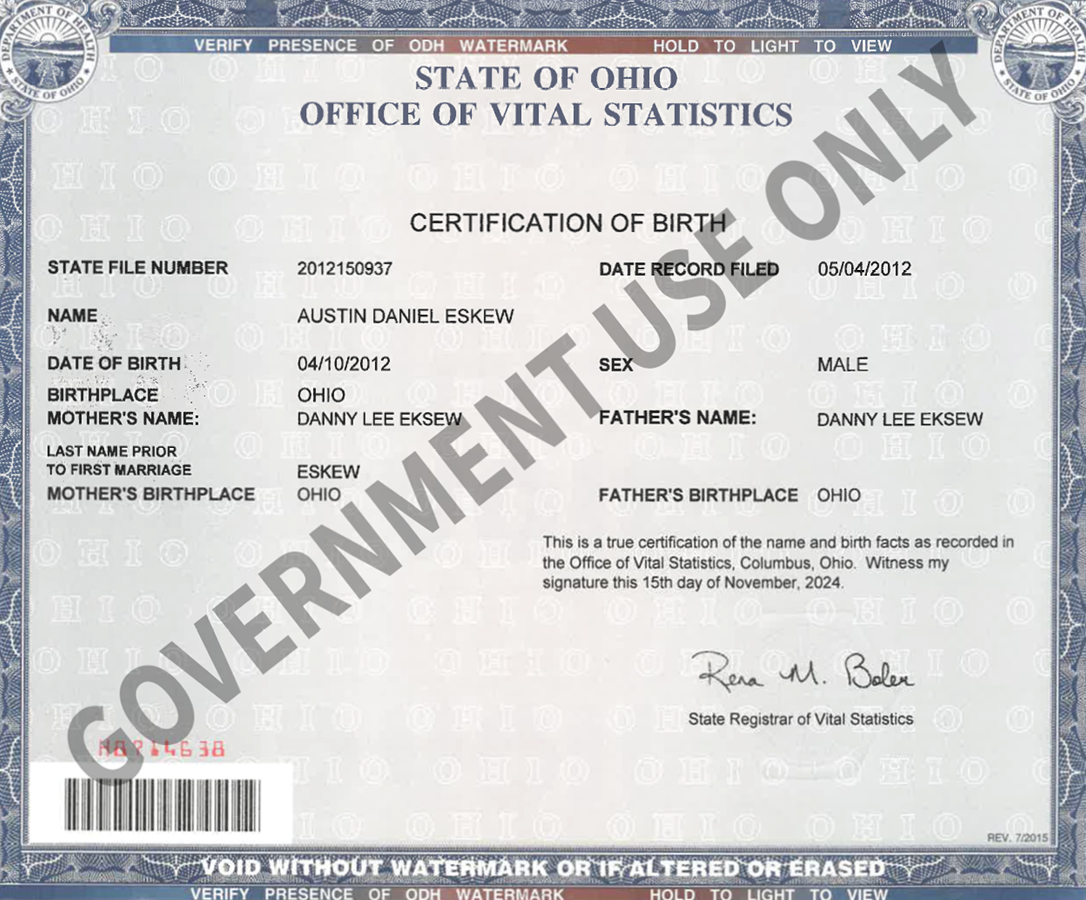
Credit: www.courtnewsohio.gov
Balancing Cost And Roi
Certificates can be costly. Yet, they often bring strong returns. Balancing cost and return on investment (ROI) is key. This balance helps you spend wisely and gain value.
Think about what you pay for a certificate. Compare it to the benefits it offers. Benefits might include better job chances or higher pay. These gains make the cost worth it.
Understanding Certificate Costs
Certificate costs vary widely. Some are free, while others can cost hundreds or thousands. Costs include course fees, exam fees, and study materials. Also, consider time spent learning. Time is money too.
Measuring Return On Investment
ROI means how much benefit you get from your cost. This can be higher salary, new skills, or job promotions. Calculate ROI by comparing extra earnings to certificate costs. Sometimes, ROI is not just money but career growth.
Choosing Certificates Wisely
Pick certificates that match your career goals. Check which certificates employers value most. Research job postings to see required certificates. Choose those with clear benefits and reasonable costs.
Long-term Value Of Certificates
Some certificates keep their value for years. Others may become outdated quickly. Think about how long a certificate will help your career. Long-lasting certificates offer better ROI over time.
Real Success Stories
Certificates have helped many people improve their careers. Real success stories show how certificates make a big difference. These stories prove that learning new skills can lead to better jobs and more confidence.
Each story shares a unique journey. They inspire and give hope to others who want to grow. Reading about real people makes certificates feel more useful and real.
From Student To Skilled Professional
Maria earned a certificate in graphic design. She had no experience before. After completing the course, she found work at a local firm. Her certificate showed employers she was ready. Now, Maria enjoys a steady job with good pay.
Changing Careers With Confidence
John worked in retail for years. He wanted a new path but felt unsure. John took an IT certificate course. The certificate helped him land a junior tech job. He gained new skills and feels proud of his change.
Boosting Skills For Better Opportunities
Amina worked as a teacher. She needed better skills to advance. A certificate in digital tools helped her teach online. This opened many doors for her. Amina now earns more and teaches students worldwide.
Frequently Asked Questions
What Is A Certificate And Why Is It Important?
A certificate is a document that shows you completed a course or skill. It helps prove your knowledge to others. Certificates can improve job chances and trust.
How Do Digital Certificates Work In Online Security?
Digital certificates verify the identity of websites and users. They use encryption to protect data during online communication. This keeps your information safe from hackers.
What Types Of Certificates Are Most Commonly Used?
Common certificates include educational, professional, and digital security types. Educational certificates show learning, while professional ones prove skills. Digital certificates secure internet connections.
How Can I Verify If A Certificate Is Authentic?
Check the issuing authority or organization’s website for verification. Use official tools or contact the issuer directly. This confirms the certificate is real and valid.
Why Do Employers Value Certificates In Job Applications?
Certificates prove specific skills or knowledge to employers quickly. They show commitment and effort in learning. This helps employers trust your abilities.
Can Certificates Expire Or Need Renewal?
Yes, some certificates have expiration dates and require renewal. This ensures your skills or security remain current. Always check the certificate’s validity period.
How To Get Certificates Without Attending Formal Classes?
Online courses and training programs often offer certificates. Some allow self-study and exams for certification. This provides flexible learning and proof of skills.
Conclusion
Certificates prove your skills and show your hard work. They help build trust with employers and clients. Many fields value certificates for jobs and growth. Earning one can open doors to new chances. Keep learning and adding certificates to your profile.
Small steps lead to big progress over time. Choose certificates that match your goals and interests. Stay curious and keep improving every day. Certificates matter, but your effort matters most.