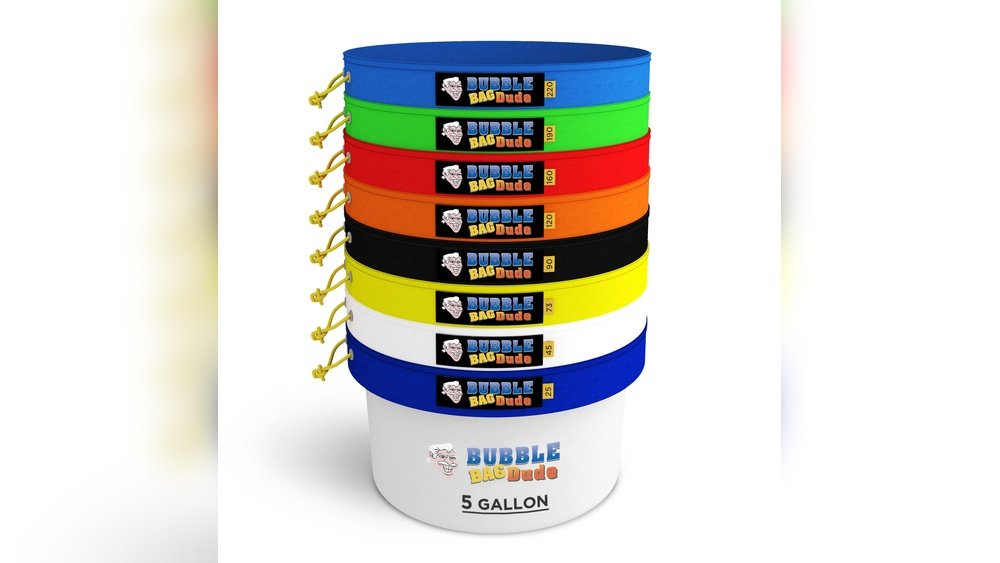
If you’re looking to get the purest, highest-quality extracts, bubble bags are your secret weapon. These simple, easy-to-use tools help you separate the good stuff from the rest with minimal effort.
Thank you for reading this post, don't forget to subscribe!Imagine boosting your results without complicated equipment or harsh chemicals. Curious how bubble bags can transform your extraction process and save you time and money? Keep reading—you’ll discover everything you need to know to get started and make the most out of your bubble bags today.

Credit: www.ebay.com
What Are Bubble Bags
Bubble bags are special tools used to filter and separate materials. They help extract pure substances from plants or other mixtures. These bags make the process easier and cleaner.
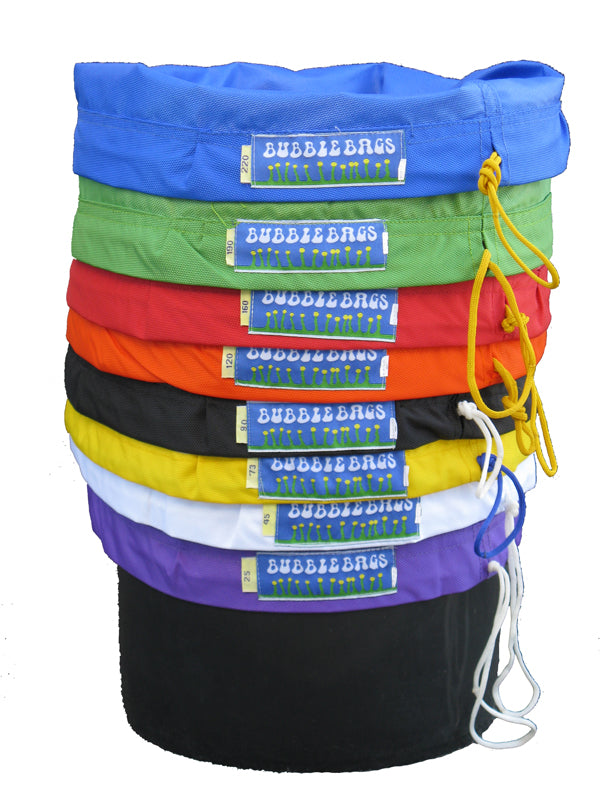
The bags come in different sizes and mesh screens. Each mesh size filters particles of different sizes. This way, only the desired material passes through.
What Materials Are Bubble Bags Made Of?
Bubble bags are usually made from nylon or mesh fabric. These materials are strong and durable. They allow water and small particles to pass through.
How Do Bubble Bags Work?
The bags hold the material inside while water passes through. As water flows, small particles filter out. Larger pieces stay inside the bag.
Where Are Bubble Bags Commonly Used?
Many use bubble bags for making herbal extracts and concentrates. They also work for cleaning seeds or sorting fine powders. Their use is popular in home and professional setups.
Credit: bubblebag.com
Types Of Bubble Bags
Bubble bags come in various types to suit different needs. Each type offers unique features for specific uses. Understanding these types helps choose the right bag for your task.
Single Mesh Bubble Bags
Single mesh bubble bags have one layer of mesh. They are simple and easy to use. These bags are good for basic filtration or protection. They allow air or liquid to pass through while holding contents inside.
Multiple Mesh Bubble Bags
Multiple mesh bubble bags have several layers of mesh. Each layer filters finer particles than the last. This design improves separation and quality. These bags are ideal for detailed filtering tasks.
Micron-specific Bubble Bags
Micron-specific bubble bags filter particles of a certain size. The mesh size is measured in microns. Smaller microns catch finer material. Choose the right micron size for your project needs.
Heavy-duty Bubble Bags
Heavy-duty bubble bags are stronger and more durable. They use thicker mesh and reinforced seams. These bags handle rough use and heavy loads. Perfect for tough conditions and frequent use.
Reusable Bubble Bags
Reusable bubble bags save money over time. They are made with durable materials that last long. These bags clean easily and maintain shape. Ideal for eco-friendly users and repeated tasks.
Choosing The Right Micron Size
Choosing the right micron size for your bubble bags is key. It affects the quality and purity of your final product. Different micron sizes filter different particles and materials. Picking the correct size helps you get the best results every time.
Understanding micron sizes can seem tricky. But it is simpler than it looks. Let’s break down what each size means and how to choose the best one for your needs.
What Does Micron Size Mean?
Micron size measures the tiny holes in your bubble bag’s mesh. The smaller the micron, the finer the filter. Larger microns catch bigger particles. Smaller microns catch very fine particles and debris.
Choosing the right micron means balancing between filtering out unwanted materials and letting through the good stuff. The size you pick changes the texture and purity of your extract.
Common Micron Sizes And Their Uses
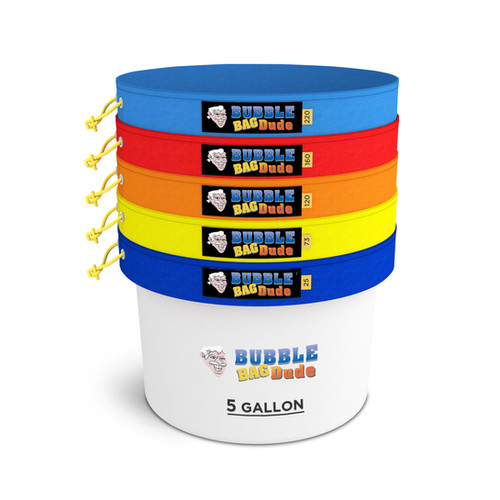
Bubble bags come in many micron sizes. Common sizes include 25, 73, 90, 120, 160, and 220 microns. Each size serves a different purpose during extraction.
Lower micron bags catch the smallest particles and create a cleaner product. Higher micron bags filter larger materials and increase yield. Using a set of bags with various sizes helps separate materials well.
How To Choose The Best Micron Size
Think about what you want from your extraction. For a very pure product, use smaller micron bags. For higher quantity with less purity, choose larger micron bags.
Consider the type of material you are filtering. Some plants or substances need specific micron sizes. Experimentation helps find the perfect balance for your needs.
Credit: www.bubblebagdude.co
Step-by-step Extraction Process
The step-by-step extraction process using bubble bags is simple and effective. It helps separate trichomes from plant material using cold water. This method produces clean, high-quality concentrates without chemicals.
The process involves several stages. Each stage uses a different mesh bag size to filter out unwanted particles. This guide explains each step clearly and simply.
Preparing The Ice Water And Plant Material
Start by filling a large container with cold water and ice. Add the plant material to the ice water. The cold temperature makes trichomes brittle and easier to separate.
Agitating The Mixture
Stir the ice water and plant material gently for 15 to 20 minutes. This motion breaks off the trichomes from the plant. Avoid harsh stirring to keep plant debris minimal.
Filtering Through Bubble Bags
Place the bubble bags in order from largest to smallest mesh size. Pour the mixture through each bag carefully. Each bag catches different sizes of trichomes and plant particles.
Collecting The Resin
After filtering, scrape the resin collected on each bag. Use a clean, flat tool for scraping. Collect the resin on a clean surface for drying.
Drying And Storing The Extract
Spread the resin thinly on parchment paper or a drying screen. Let it dry in a cool, dry place for several days. Store the dried extract in an airtight container away from light.
Tips For Maximizing Resin Yield
Maximizing resin yield from bubble bags requires care and technique. Small changes in your process can greatly increase how much resin you collect. This section shares easy tips to help you get the best results.
Each step matters. From preparing your material to the final wash, attention to detail leads to higher yields. Follow these simple guidelines to improve your extraction.
Choose The Right Bubble Bag Sizes
Select bubble bags with different micron sizes for better separation. Use a set that ranges from coarse to fine mesh. This helps catch all resin types and avoids losing valuable trichomes.
Maintain Proper Water Temperature
Keep water between 40 and 60 degrees Fahrenheit. Cold water helps resin separate cleanly without dissolving unwanted materials. Avoid warm water as it reduces quality and yield.
Use Fresh, Frozen Material
Fresh frozen plant material produces more resin. Freeze immediately after harvest to preserve trichomes. Avoid dried or old material since it yields less and lower quality resin.
Agitate Gently But Thoroughly
Stir the mixture with care. Gentle agitation frees resin without breaking plant matter. Over stirring can mix debris into the resin, lowering purity and weight.
Drain And Press Correctly
After washing, drain each bag slowly to avoid losing resin. Press bags lightly to collect extra resin water. Do not squeeze too hard to keep resin quality high.
Repeat Multiple Washes
Wash the material two or three times for full extraction. Each wash pulls more resin from the plant. Skip extra washes to prevent pulling unwanted material.
Common Mistakes To Avoid
Using bubble bags correctly improves your final product’s quality. Many users make simple mistakes that reduce yield and clarity. Avoiding these errors leads to cleaner results and less waste. Learn what to watch for when working with bubble bags.
Not Preparing The Material Properly
Skipping proper freezing or drying affects the extraction process. Use dry, frozen material for best results. Wet or fresh plant matter can clog the bags and lower quality.
Overloading The Bags
Putting too much material in each bag blocks water flow. This reduces the filtering effect and causes poor separation. Fill bags only to the recommended level for smooth operation.
Using The Wrong Water Temperature
Water that is too hot or cold hurts resin separation. Aim for cool, cold water to keep trichomes intact. Warm water can melt unwanted parts and reduce purity.
Skipping Gentle Agitation
Not stirring gently can stop trichomes from releasing into the water. Rough shaking breaks bags and mixes unwanted plant bits. Move the bags softly to protect the mesh and improve yield.
Ignoring Bag Cleaning And Maintenance
Dirty bags clog quickly and spoil future batches. Rinse bags thoroughly after each use. Regular cleaning keeps mesh clear and bags lasting longer.
Cleaning And Maintaining Bubble Bags
Cleaning and maintaining bubble bags keeps them working well for a long time. Dirt and residue can block the mesh, reducing the quality of your final product. Regular care helps keep the bags strong and effective. It also prevents damage and saves money on replacements.
Cleaning Bubble Bags After Each Use
Rinse the bags immediately after use. Use cold water to remove leftover material. Avoid hot water; it can damage the mesh. Gently rub the fabric with your fingers to clear debris. Do not use brushes with hard bristles. Let the bags soak for a short time if needed. This softens stuck particles for easier cleaning.
Drying And Storing Bubble Bags
Air dry bags completely before storing. Hang them in a shaded area with good airflow. Avoid direct sunlight, which weakens the mesh fibers. Do not use a dryer or heater to speed drying. Fold bags gently and store them flat or hanging. Keep bags in a clean, dry place to prevent mold and mildew.
Handling And Inspecting Bubble Bags
Handle bags with care during use and cleaning. Check for holes or tears regularly. Small holes reduce filtering performance. Repair minor damage with patch kits made for mesh. Replace bags with large tears or worn fabric. Proper handling extends the life of your bubble bags.
How IOKPRINT Can Help You with Bubble Bags
Practical Learning with Bubble Bags
Exploring the use of bubble bags provides a hands-on opportunity to deepen your understanding of resin extraction. By experimenting with different micron sizes, you can observe firsthand how particle filtration impacts the quality and purity of your final product. This practical approach enhances the knowledge gained from the step-by-step extraction process, allowing you to fine-tune your technique for better results.
Maintaining your bubble bags properly is equally important. Regular cleaning not only preserves the longevity of the bags but also ensures consistent resin yield. Keeping a detailed log of your maintenance routine alongside extraction outcomes can help identify patterns and avoid common mistakes.
- Test various micron sizes to find what suits your material best
- Follow cleaning guidelines diligently to maintain bag integrity
- Document each extraction for continual improvement
Resources like IOKPRINT offer convenient tools such as business cards and stickers, which can be useful for organizing your process or sharing insights with peers. Their website (www.iokprint.in) also provides helpful contact options if you want to discuss best practices or need guidance on supplies without any pressure.
Frequently Asked Questions
What Are Bubble Bags Used For?
Bubble Bags are used to filter and separate resin from plant material. They help collect pure resin without chemicals. Many people use them for making concentrates.
How Do Bubble Bags Work?
Bubble Bags filter resin by straining plant matter through fine mesh screens. Different bag sizes catch different resin grades. This process keeps the resin clean and potent.
What Materials Are Bubble Bags Made Of?
Bubble Bags are made from durable nylon mesh. The mesh size varies to filter resin effectively. The frames are usually strong plastic or stainless steel.
Can Bubble Bags Be Reused Multiple Times?
Yes, Bubble Bags can be reused many times with proper cleaning. Rinse them after each use to remove residue. This keeps bags working well for longer.
How To Clean Bubble Bags Properly?
Clean Bubble Bags by rinsing with cold water immediately after use. Use a soft brush to remove stuck resin gently. Avoid hot water to keep mesh strong.
What Sizes Do Bubble Bags Come In?
Bubble Bags come in sizes ranging from 25 microns to 220 microns. Smaller sizes catch finer resin particles. Larger sizes filter bigger plant bits.
Are Bubble Bags Safe For Home Use?
Bubble Bags are safe and easy to use at home. They do not use chemicals or heat. Many people prefer them for safe resin extraction.
Conclusion
Bubble bags help you separate materials with ease and precision. They come in different sizes and mesh types for various needs. Using them saves time and improves the quality of your final product. These bags are durable and easy to clean.
Many people trust bubble bags for their simple design and clear results. Choosing the right bubble bag can make a big difference in your work. Give them a try to see how they fit your process. Simple, effective, and reliable tools for your tasks.