
Your product label is more than just a sticker—it’s the first handshake between your product and your customer. It can grab attention, build trust, and even influence buying decisions before anyone reads the fine print.
Thank you for reading this post, don't forget to subscribe!If you want your products to stand out on crowded shelves or online stores, understanding how to create effective product labels is key. Keep reading, and you’ll discover simple yet powerful ways to make your labels work harder for your brand and boost your sales.
Credit: www.stickeryou.com
Role Of Product Labels
Product labels play an important role in marketing and safety. They give customers key information about the product. Labels help buyers make quick decisions. They also build trust between the brand and the buyer.
Labels show what the product is, how to use it, and its benefits. They also share warnings and ingredients. Clear labels improve the shopping experience. They protect both the company and the consumer.
Identification And Branding
Labels help customers recognize the product easily. They show the brand name and logo. This makes products stand out on shelves. Consistent labels create a strong brand image. They help customers remember the product for next time.
Providing Important Information
Labels share details like size, weight, and ingredients. They also include instructions for use. This information helps customers use the product safely. Clear labels reduce confusion and returns. They make shopping easier and faster.
Legal And Safety Compliance
Labels must follow laws and rules. They show warnings and safety instructions. This protects customers from harm. Proper labels avoid legal problems for companies. They show that the product meets standards.
Influencing Buying Decisions
Labels can attract buyers with colors and design. They highlight special features or offers. Good labels make products look more appealing. This can increase sales and customer interest. Labels are a key part of marketing.
Design Elements That Capture Attention
Product labels must catch the eye quickly. The right design helps your product stand out on crowded shelves. Simple, clear, and attractive elements make a label memorable. This section covers key design parts that draw attention.
Use Of Bold Colors
Bright colors grab attention fast. They create contrast with other products. Choose colors that match your brand but still pop. Avoid too many colors to keep the label clean.
Clear And Readable Fonts
Fonts must be easy to read from a distance. Simple fonts work best for product labels. Use bold or larger text for important details. Avoid fancy fonts that confuse or tire the eyes.
Eye-catching Images Or Icons
Images help tell a product’s story quickly. Use icons or pictures that relate to the product. Keep images simple and not too detailed. This helps customers understand the product fast.
Effective Use Of White Space
White space keeps the label from looking crowded. It helps important parts stand out more. Give some breathing room around text and images. This makes the label easier to scan.
Unique Shapes And Layouts
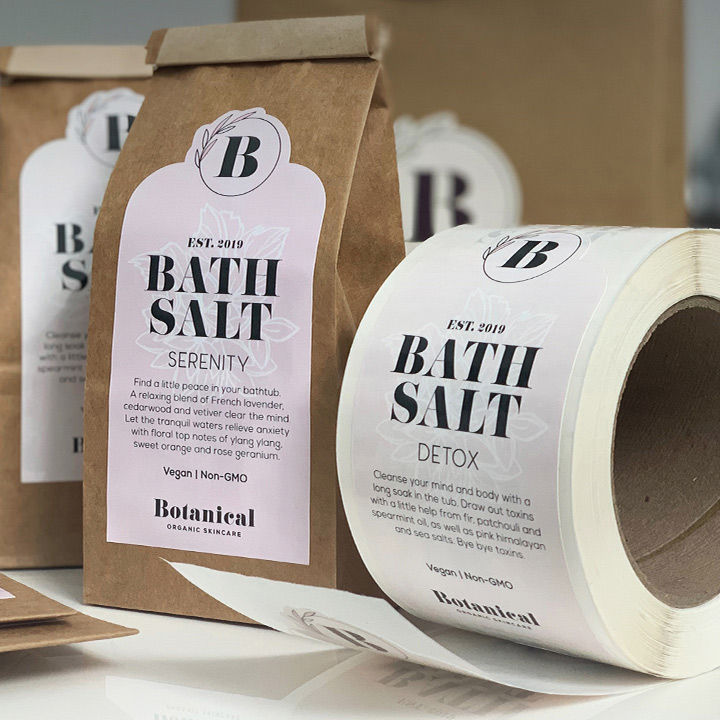
Unusual label shapes attract more attention. A different layout can make your product unique. Experiment with shapes that fit your brand style. Keep the design balanced and not too busy.
Choosing The Right Materials
Choosing the right materials for product labels affects the look and durability. The material must match the product type and how it will be used. Labels on food packages need different materials than labels on outdoor gear. This choice affects how well the label sticks and how long it lasts.
Good label material helps protect the product and keeps important information clear. It also supports branding and catches buyers’ eyes. Picking the wrong material can cause labels to peel or fade quickly. Understanding common materials makes it easier to select the best one.
Paper Labels
Paper labels are common and cost-effective. They work well for indoor products that stay dry. These labels print colors clearly and feel smooth. Paper labels are easy to write on with pens or markers.
They are not good for wet or oily surfaces. Paper can tear or wrinkle if handled roughly. Use paper labels for short-term or light-use products.
Plastic Labels
Plastic labels are strong and water-resistant. They hold up well outdoors and in wet places. These labels do not tear easily and resist smudging. Plastic labels keep colors bright for a long time.
They cost more than paper but last longer. Use plastic labels for products exposed to moisture or rough handling.
Vinyl Labels
Vinyl labels stretch without breaking and resist fading. They stick well to curved or uneven surfaces. These labels handle sunlight, heat, and water easily. Vinyl is popular for outdoor and industrial products.
Vinyl labels are flexible and durable. They cost more but offer excellent protection and appearance.
Specialty Materials
Specialty materials include foil, fabric, and synthetic blends. Foil labels add shine and luxury to products. Fabric labels give a soft texture, perfect for clothing. Synthetic blends combine strength and flexibility.
These materials suit unique branding or product needs. Specialty materials often come at a higher price but create standout labels.
Label Placement Strategies
Label placement is key to product success. It affects how customers see and use the product. Good placement makes labels easy to find and read. It also highlights important information like brand, price, or instructions. Poor placement can confuse buyers or hide details.
Choosing the right spot depends on the product shape and size. The label must fit well and stay visible during use. Different products need different strategies for best results. Here are some effective label placement strategies to consider.
Front And Center Placement
Placing the label on the front makes it easy to spot. Customers see the brand and product name quickly. This spot works well for items on shelves or displays. It draws attention and helps shoppers decide fast.
Wrap-around Labels
Wrap-around labels cover most of the product’s surface. They provide more space for information and design. This type fits bottles, jars, and cans well. It allows brands to share details without cluttering one side.
Top Or Cap Labels
Labels on the top or cap stand out in crowded shelves. They catch the eye from above. This placement suits small bottles or jars. It also adds a unique look to the product.
Back Label For Details
The back label holds extra information like ingredients or instructions. It keeps the front clean and simple. Customers can read more if they want. This placement works for many products needing detailed info.
Side Labels For Slim Products
Thin or tall products benefit from side labels. They fit better on narrow surfaces. Side labels keep the front neat while sharing key info on the sides. This strategy improves product handling and looks.
Incorporating Branding Effectively
Incorporating branding effectively into product labels helps your product stand out. It builds trust and makes your brand easy to recognize. Strong branding on labels connects with customers and tells your product’s story clearly.
Good branding on labels also supports marketing efforts. It creates a consistent look across all your products. This consistency helps customers remember your brand and choose it again.
Use Clear Brand Elements
Include your logo prominently on the label. Use brand colors and fonts that match your overall design. Keep these elements simple and easy to see. Clear brand elements help customers identify your product fast.
Highlight Your Unique Selling Point
Show what makes your product special on the label. Use short phrases or icons to explain benefits. Focus on features that customers care about most. This draws attention and encourages buyers to pick your product.
Maintain Consistency Across Products
Use the same style for all product labels. Keep colors, fonts, and logo placement uniform. Consistency builds a strong brand image. Customers trust a brand that looks professional and steady.
Choose The Right Label Material
Select label materials that match your product and brand style. Matte, glossy, or textured finishes create different feelings. The right material enhances the brand message and product appeal. It also ensures the label lasts as long as the product.

Credit: pakoro.com
Leveraging Labels For Marketing Campaigns
Product labels do more than show product details. They play a key role in marketing campaigns. Labels catch the eye and tell a story. They help brands connect with customers quickly and clearly.
Using labels smartly can boost sales and brand trust. A well-designed label can make a product stand out on shelves. It can also create a strong first impression. Labels can carry messages about quality, values, or special offers. This makes them a vital part of marketing efforts.
Enhancing Brand Identity With Product Labels
Labels show what a brand stands for. Colors, fonts, and logos on labels build brand recognition. Consistent label design helps customers remember the brand. Labels can reflect the brand’s personality. This makes products easy to spot and trust.
Using Labels To Highlight Promotions And Offers
Labels can promote sales or discounts clearly. Special labels catch attention fast. They make customers aware of deals without extra effort. A label stating “New” or “Limited Edition” creates interest. These tags drive urgency and encourage quick buying decisions.
Communicating Product Benefits And Features
Labels share key product benefits simply. Highlighting features like “organic,” “gluten-free,” or “eco-friendly” helps customers choose. Clear labels reduce doubts and build confidence. This leads to better customer satisfaction and loyalty.
Boosting Customer Engagement Through Creative Label Design
Creative labels invite customers to interact. Unique shapes, textures, or QR codes add fun. QR codes link to videos or extra info. This keeps customers interested and involved. Engaged customers are more likely to buy again.
Measuring Impact On Sales
Measuring the impact of product labels on sales helps businesses understand their value. Labels can influence customer choices and boost product visibility. Tracking their effect reveals if design changes or new labels increase sales.
Clear metrics show which labels attract buyers. Careful analysis helps improve label design and placement. Sales data gives a direct view of how labels perform in the market.
Tracking Sales Data Before And After Label Changes
Compare sales numbers before and after updating product labels. This shows if new labels attract more buyers. Use sales reports from stores or online platforms. Look for trends over weeks or months. Consistent increases point to label success.
Using Customer Feedback To Assess Label Impact
Ask customers what they think about product labels. Simple surveys or interviews work well. Learn if labels catch attention or explain product benefits. Positive feedback often links to higher sales. Negative feedback signals a need for label improvement.
Analyzing In-store Behavior And Purchase Patterns
Watch how shoppers interact with labeled products. Notice if they pick up items more often. Track if labeled products sell faster than unlabeled ones. Store cameras or staff observations help gather data. This shows how labels influence buying decisions.
Credit: polyols.org
Frequently Asked Questions
What Are Product Labels And Why Are They Important?
Product labels are tags on items that show details like brand, ingredients, or use. They help customers know what the product is and how to use it safely.
How Do Product Labels Influence Buying Decisions?
Labels provide key information that builds trust and helps buyers choose the right product. Clear labels can make products more attractive and easier to understand.
What Information Must Be On A Product Label?
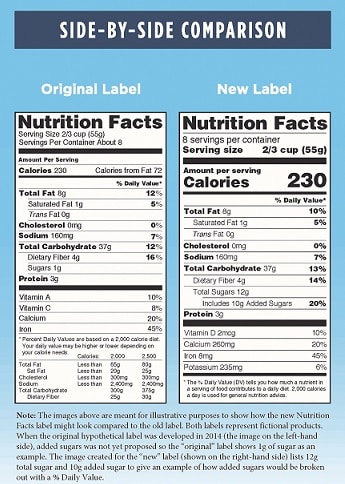
Labels usually show the product name, ingredients, weight, and safety warnings. Legal rules often require certain details to protect buyers.
Can Product Labels Affect Brand Identity?
Yes, labels use colors, fonts, and logos to create a brand look. This helps customers recognize and remember the product.
How Do Product Labels Help With Product Safety?
Labels include warnings, instructions, and expiration dates to keep users safe. They prevent misuse and health risks.
What Types Of Materials Are Used For Product Labels?
Labels can be paper, plastic, or fabric. The material choice depends on product type and where it will be used.
How Can Product Labels Improve Customer Experience?
Good labels make products easy to identify and use. They provide clear, helpful information that meets buyer needs quickly.
Conclusion
Product labels play a key role in product success. They provide important details clearly and quickly. Good labels help customers make smart choices. They also build trust and brand recognition. Simple, clear, and honest labels work best. Keep your labels accurate and easy to read.
This helps products stand out on shelves. Always think about the customer’s needs. Effective labels add value to any product. Small details can make a big difference.
