Are you wondering how people print business cards that make a lasting impression? Your business card is more than just a piece of paper—it’s a powerful tool that can open doors and create opportunities.
Thank you for reading this post, don't forget to subscribe!But how do you get from your ideas to a finished card that stands out? This guide will walk you through the simple steps to print business cards that truly represent you and your brand. Keep reading, and you’ll discover easy tips that can help you create cards people won’t want to throw away.
Choosing Card Design
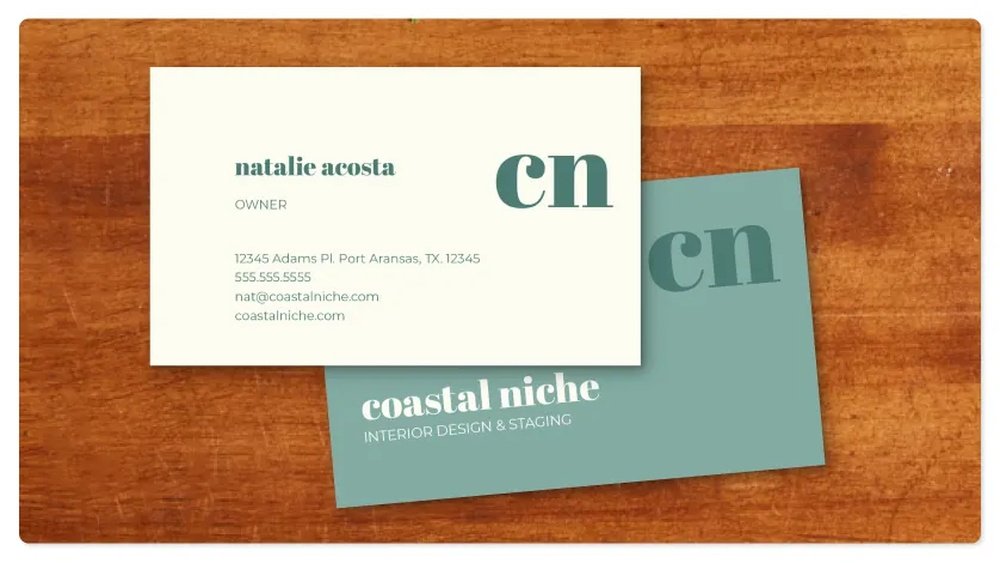
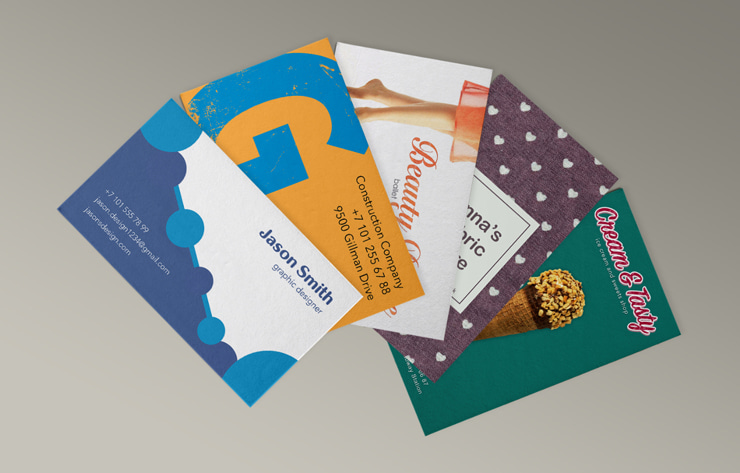
Choosing the right design for business cards is important. It sets the first impression for your contacts. A good design shows professionalism and helps people remember you. This step involves picking the style, colors, and elements that match your purpose.
Selecting Templates
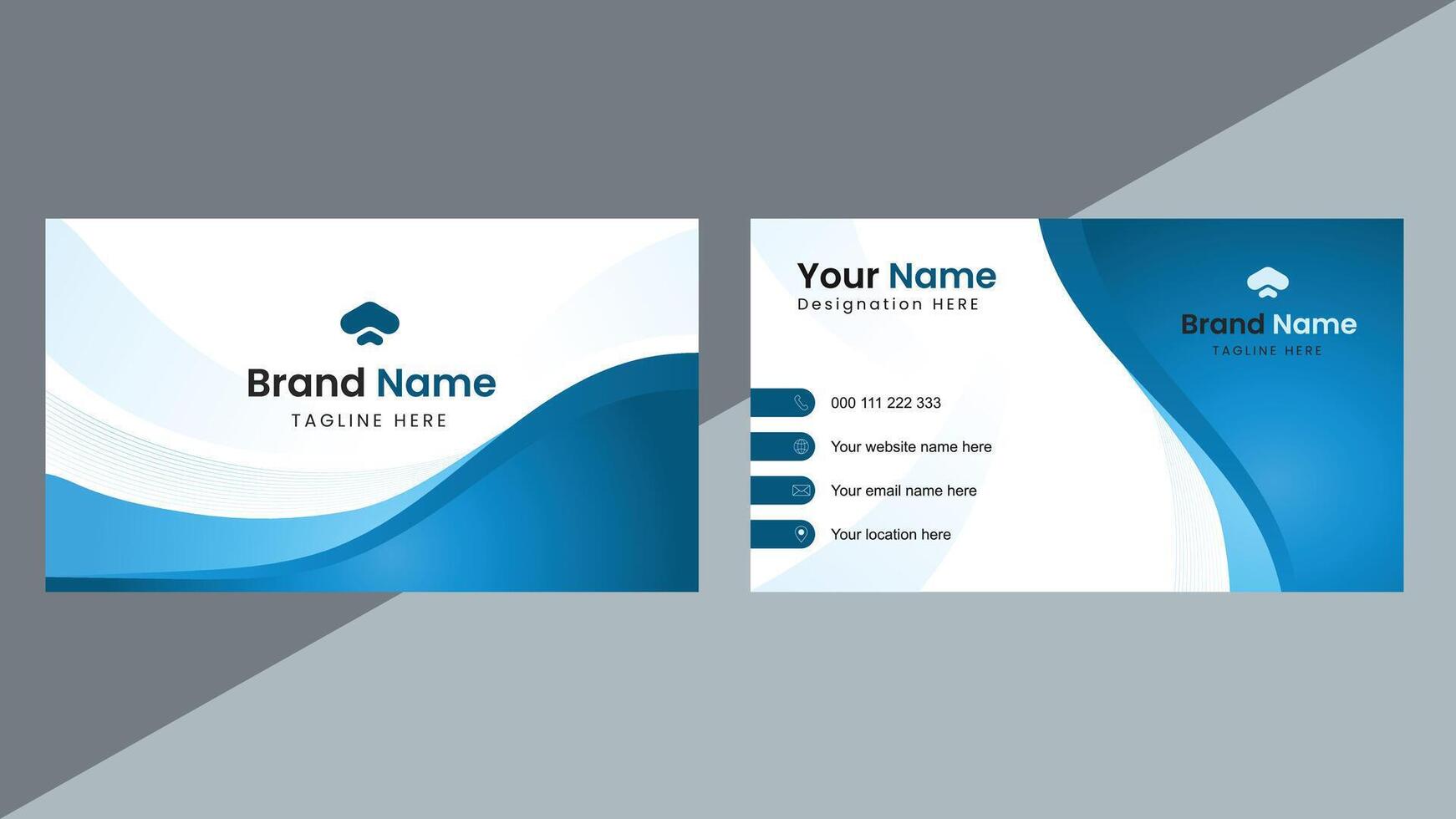
Templates provide a quick start for card design. Many printing services offer ready-made templates. These templates vary in style, color, and layout. Choosing a template saves time and effort. It gives a clear structure to follow. Templates also ensure the card looks neat and balanced.
Customizing Layouts
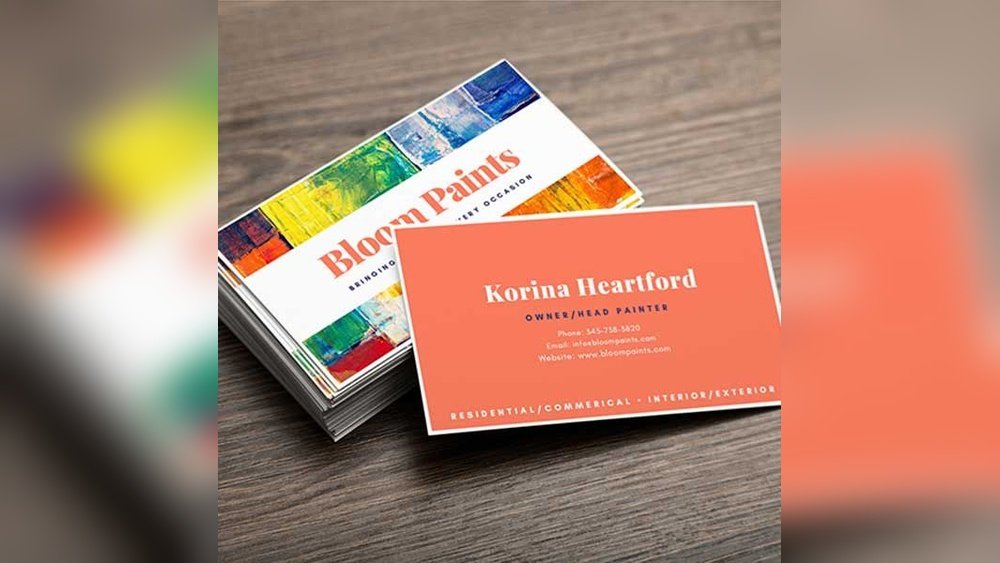
Customizing lets you change the template to fit your needs. You can move text, resize images, and adjust spacing. Custom layouts help highlight important details. Adjusting colors and fonts adds a personal touch. It makes the card unique and easy to read.
Incorporating Branding
Branding connects your card with your business identity. Use your logo and brand colors on the card. Consistent branding builds trust and recognition. Add your business slogan or tagline if space allows. This strengthens your message and makes the card stand out.
Credit: www.swiftpublisher.com
Selecting Paper And Finish
Choosing the right paper and finish plays a key role in printing business cards. It affects the look, feel, and durability of the card. The selection depends on the style and message you want to send. The right choices help your card stand out and feel professional.
Paper Types
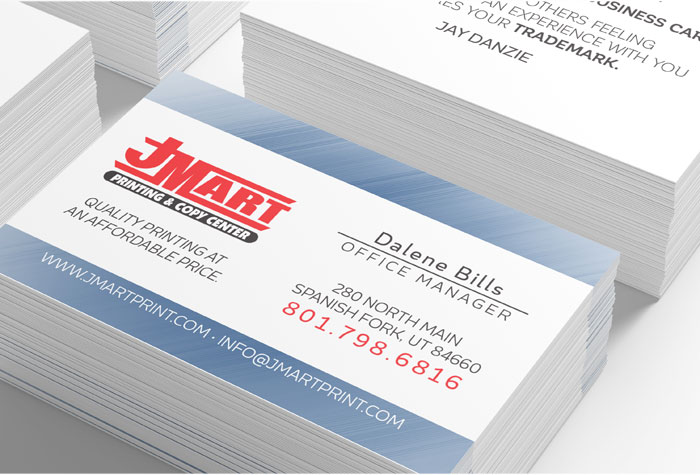
Business cards come in many paper types. The most common are matte, glossy, and textured. Matte paper has a smooth, non-shiny surface. It looks elegant and is easy to write on. Glossy paper shines and makes colors pop. It gives a vibrant, bold look. Textured paper has a unique feel. It adds a special touch to your card. Paper thickness also matters. Thicker paper feels more sturdy and high-quality. Thin paper may feel cheap and bend easily.
Finish Options
Finishing adds extra style and protection to business cards. Common finishes include UV coating, lamination, and soft-touch. UV coating creates a shiny, hard layer on the card. It makes colors bright and protects from scratches. Lamination covers the card with a plastic film. It adds shine or matte finish and protects from water. Soft-touch finish gives a smooth, velvety feel. It looks modern and feels nice to hold.
Durability Considerations
Durability is important for business cards. Cards that last longer leave a better impression. Thick paper and strong finishes help cards resist bending and tears. Laminated cards resist water and stains. UV coating protects colors from fading. Think about how the card will be used. If it stays in wallets or pockets, durability matters more. For short-term use, lighter paper can work.
Printing Methods
Business card printing uses several popular methods. Each method offers unique benefits and fits different needs. Understanding these printing methods helps in choosing the right one.
Digital Printing
Digital printing is quick and cost-effective for small runs. It uses digital files sent directly to the printer. This method allows easy changes to designs without extra cost. Colors appear bright and sharp on the cards. It suits businesses that need fast turnaround or varied designs.
Offset Printing
Offset printing uses plates to transfer ink onto paper. It produces high-quality images with smooth color blends. This method works best for large orders due to setup costs. It offers consistent results and vibrant colors. Many companies prefer offset printing for bulk business cards.
Letterpress And Embossing
Letterpress presses ink into thick paper for a textured feel. Embossing raises parts of the design above the paper surface. Both methods create a tactile, elegant look. They add a sense of luxury and professionalism. Ideal for brands wanting unique, memorable cards.
Using Online Services
Printing business cards online is simple and fast. Many people choose online services to design and order their cards. These platforms offer tools to create custom cards without special software. The whole process happens on your computer or phone. This method saves time and often costs less than traditional printing.
Popular Platforms
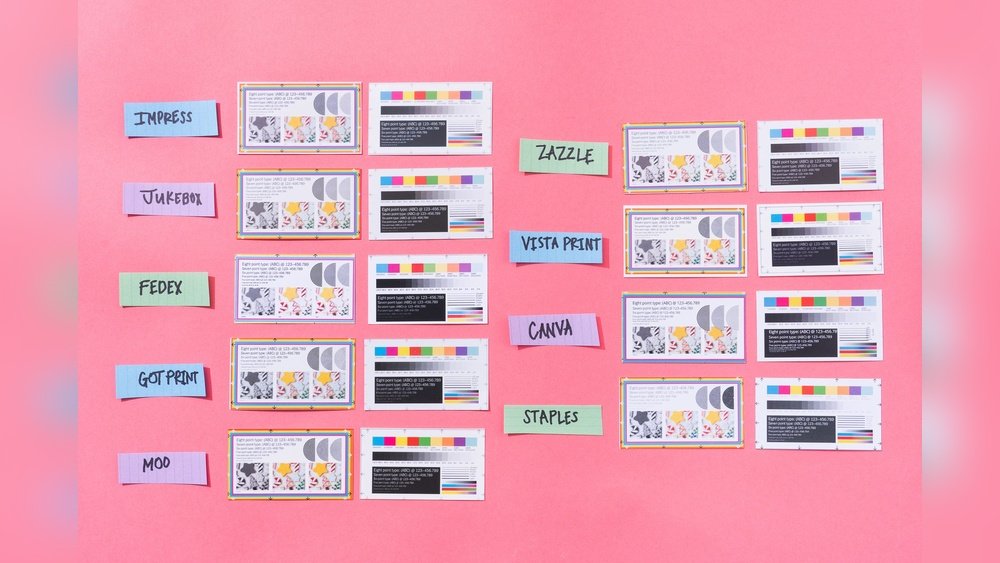
Several websites provide business card printing services. Vistaprint is one of the most popular. It offers many templates and design options. Moo is another choice, known for high-quality paper and unique designs. Zazzle allows more creativity with custom images and text. These platforms are easy to use and trusted by millions.
Upload And Proofing Process
Start by choosing a template or uploading your design. Make sure your file meets the size and format requirements. The platform shows a preview of your card. Check all details carefully, including spelling and alignment. Some sites offer free digital proofs to review. Approve the proof before placing the final order.
Delivery Options
Most services ship business cards worldwide. Standard delivery usually takes a few days. Some sites offer faster shipping for urgent needs. You can select home delivery or pickup at a local store. Tracking numbers help you follow the package. Delivery options give flexibility depending on your deadline.
Printing At Local Shops
Printing business cards at local shops remains a popular choice for many. It offers a personal touch and quick service. You can see samples and talk to printers face to face. This method suits those who want control over the details. Local shops often provide advice and help with design ideas. The process is simple and direct, making it easy for beginners. Below are key steps to understand this printing method.
Consulting With Printers
Start by visiting the print shop and discussing your needs. Printers ask about your design, quantity, and paper type. They may suggest styles or finishes that suit your business. Sharing your goals helps them recommend the best options. You can ask questions and clarify doubts easily. This step ensures the final product matches your vision.
Custom Orders
Local shops often accept custom orders for business cards. You can choose the size, color, and font style. Some shops offer special features like embossing or foil stamping. Custom orders allow your cards to stand out from others. The printers prepare a sample or proof for approval. This avoids mistakes and ensures satisfaction before printing all cards.
Pickup And Payment
After printing, you return to the shop to collect your cards. The staff checks the order to ensure quality and accuracy. Payment methods vary and may include cash or card. Some shops require partial payment upfront. Pickup is usually quick, so you get cards fast. This convenience helps you start networking without delay.
Diy Printing
DIY printing lets you create business cards at home. It saves money and gives control over design and materials. You can print cards in small amounts quickly. This method works well for simple, clean card designs. Follow these steps to print your own business cards easily.
Home Printer Setup
Use a good quality inkjet or laser printer. Check that your printer supports thick paper. Set the printer to the highest quality print mode. Use cardstock paper designed for business cards. Test print on regular paper before using cardstock. Keep ink cartridges full for sharp colors.
Choosing Software
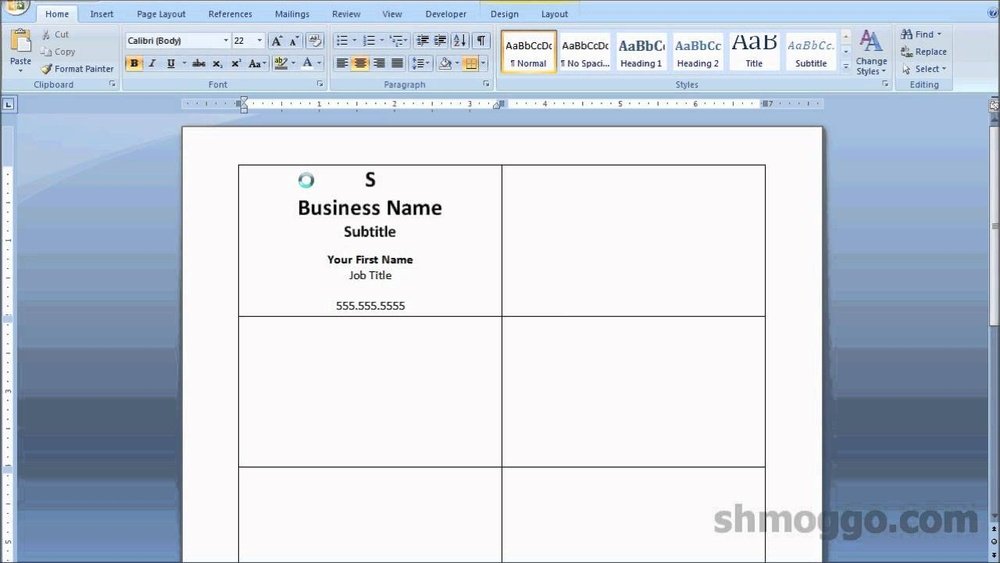
Select simple design software like Microsoft Word or Canva. These tools have ready-made business card templates. Customize text, colors, and logos in minutes. Save your design as a PDF for best print results. Avoid complicated programs that need extra skills. Easy software helps you finish cards faster.
Cutting And Finishing
Use a paper cutter for straight, clean edges. Scissors can work but may cause uneven cuts. Cut along the crop marks on the design. Round the corners with a corner punch for a polished look. Check each card for ink smudges before cutting. Keep cards flat after cutting to avoid bends.
Cost Factors
Printing business cards involves several cost factors. These factors affect the final price you pay. Knowing them helps you plan your budget well. The main cost factors include design complexity, quantity ordered, and material quality. Each one changes the total cost in different ways.
Design Complexity
Simple designs cost less. Complex designs need more time and work. Extra colors, logos, or images increase the price. Custom shapes or special finishes also add to the cost. The more detailed your card, the higher the printing price.
Quantity Ordered
Ordering many cards lowers the price per card. Printing in bulk is cheaper than printing a few. Small orders usually have a higher cost for each card. Large orders spread the cost over many cards. This saves money if you need many business cards.
Material Quality
Standard paper costs less than premium paper. Thick or textured paper feels more professional but costs more. Special finishes like matte or glossy add price. Durable materials last longer but increase printing cost. The choice of material plays a big role in price.
Credit: www.vecteezy.com
Credit: jmartprint.com
Frequently Asked Questions
How Do People Design Business Cards Before Printing?
People use online tools or graphic software to design business cards. Templates help create professional and personalized designs quickly and easily.
Where Do Most People Print Business Cards Today?
Most people print business cards online using services like Vistaprint or local print shops. Online printing offers convenience and variety.
What Paper Types Are Popular For Business Cards?
Popular paper types include matte, glossy, and textured finishes. Thick cardstock is preferred for durability and a professional feel.
How Many Business Cards Do People Usually Print?
People typically print 250 to 500 cards at a time. This quantity balances cost-effectiveness with sufficient supply for networking.
Conclusion
Printing business cards is simple and useful for many people. Choose a design that shows your style and work. Pick good paper and clear text to make cards look nice. Use online or local printers for fast results. Check your cards before printing to avoid mistakes.
Business cards help share your contact and make a good first impression. They stay a handy tool in today’s digital world. Keep your cards ready for every chance to connect.