
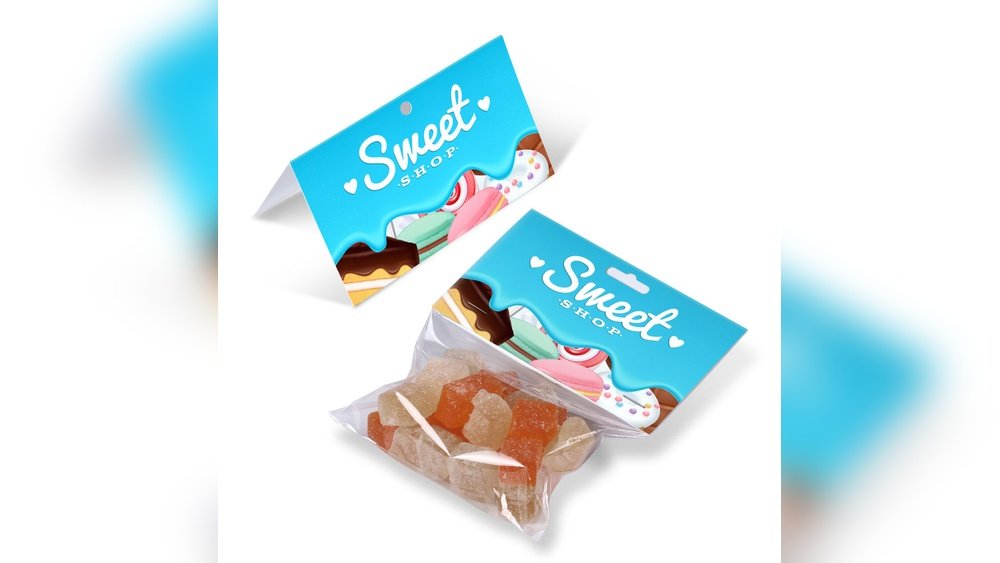
Have you ever wondered how a simple card can grab your attention instantly? Headercards are designed to do just that.
Thank you for reading this post, don't forget to subscribe!They catch your eye, deliver a clear message, and make your products stand out. If you want to boost your brand’s visibility and connect with your customers right away, understanding headercards is key. Keep reading to discover how these small but powerful tools can transform your packaging and marketing strategy.
Your business deserves to be noticed—and headercards can make that happen.
What Are Headercards
Headercards are a type of playing card designed for easy handling and quick play. They help players keep track of important cards during a game. These cards are often larger and have clear, bold designs. This makes it simple to see the cards at a glance.
Many card games use headercards to speed up gameplay. They reduce confusion and make the game more fun. Players can focus on strategy instead of searching for cards.
What Makes Headercards Different?
Headercards stand out because of their size and layout. They often have a big title or symbol at the top. This helps players find key cards quickly. The design is simple and easy to read. Many headercards also use bright colors for visibility.
Where Do Headercards Come From?
Headercards have roots in traditional card games. They evolved to meet players’ needs for speed and clarity. Today, many board and card games include headercards. They are popular in both casual and competitive play.
How Do Headercards Help Players?
Headercards reduce mistakes during gameplay. Players can identify cards fast and plan moves better. They also keep the game organized. This means less time is wasted and more fun is had.
Benefits Of Visual Headers
Visual headers make websites clearer and more attractive. They catch visitors’ eyes fast. People decide quickly if they want to stay or leave a page. Visual headers help keep their attention.
These headers guide users through the site. They highlight key sections and important content. This makes browsing easier and faster. Users find what they need without stress.
Enhance User Experience
Visual headers organize content neatly. They break text into manageable parts. This reduces confusion and frustration. Users enjoy a smooth and pleasant visit. They stay longer and explore more pages.
Improve Brand Recognition
Headers with logos or brand colors build identity. Visitors remember the site better. Strong visual cues connect users with the brand. This helps create trust and loyalty over time.
Boost Seo Performance
Search engines read headers to understand page topics. Clear visual headers with keywords improve ranking. Better SEO means more visitors find the site. This increases traffic naturally and steadily.
Increase Conversion Rates
Visual headers highlight calls to action clearly. Users know what steps to take next. This encourages clicks on buttons and links. Higher conversion rates follow with simple guidance.
Design Principles For Headercards
Designing headercards requires clear focus on usability and style. Good headercards guide users and highlight key content. The design must balance text, images, and space. It should catch attention but remain simple and clean.
Effective headercards help users find what they need quickly. They create a strong first impression. Let’s explore important design principles to build great headercards.
Clear And Concise Text
Use short sentences and simple words. The main message should be easy to read. Avoid cluttering the headercard with too much text. Bold or larger fonts work well for titles. Make sure the text stands out from the background.
Balanced Layout
Arrange elements evenly on the card. Leave enough white space to avoid crowding. Place images and text so the card feels neat. A balanced layout makes the card pleasant to view. It helps users focus on key information.
Consistent Color Scheme
Choose colors that match your brand or website. Use a limited palette to keep the design clean. Contrast between text and background improves readability. Soft or neutral tones work well for backgrounds. Bright colors should highlight important parts only.
Responsive Design
Headercards must look good on all devices. They should adjust size and layout for phones and tablets. Test your design on different screen sizes. A responsive headercard improves user experience everywhere. It keeps content clear without zooming or scrolling.
Use Of Visual Elements
Include icons or images that support the message. Visuals should not distract from the text. Simple graphics add interest and help explain ideas. Avoid using too many pictures on one card. Keep images relevant and high quality.

Credit: trade.fourcolorprinting.com
Choosing The Right Images
Images in headercards catch attention fast. They help show what your message is about without many words.
Picking the right image makes your headercard clear and strong. It supports the text and adds meaning.
Good images keep visitors interested and make them want to learn more.
Use High-quality Photos
Choose clear and sharp pictures. Blurry or pixelated images look unprofessional. They can make visitors leave your page.
High-quality images build trust. They show you care about details and your audience.
Match Images To Your Message
The image should fit the topic of your headercard. It must tell the same story as your text.
For example, a food blog should show appetizing dishes. A travel site can use scenic views or maps.
Keep It Simple And Focused
Choose images that are easy to understand. Avoid busy or crowded pictures. They distract users from your message.
One clear subject in the image works best. It guides the viewer’s eyes quickly.
Consider Your Brand Colors
Pick images with colors that match your brand style. This creates a consistent look across your site.
Colors set the mood. Bright colors can feel happy and energetic. Soft colors feel calm and gentle.
Use Images With Proper Licensing
Always use images you have rights to. Free stock photos or your own pictures are safe choices.
Using unlicensed images can cause legal problems. It is better to be careful and respectful.
Integrating Headercards Into Websites
Headercards enhance website navigation and design. They provide clear, clickable areas at the top of a page. This helps visitors find key information quickly.
Adding Headercards is simple and improves user experience. They can highlight important sections or promotions. This keeps visitors engaged and helps guide their journey.
Creating Headercards With Html And Css
Start by coding a simple HTML structure for the Headercard. Use a container div with a clear class name. Inside, add text, images, or buttons as needed.
Style the Headercard with CSS to match your website’s look. Use background colors, borders, and padding for a neat appearance. Keep the design clean and readable.
Using Javascript For Interactive Headercards
JavaScript adds interactivity to Headercards. You can create clickable cards that reveal more details or link to other pages. Simple scripts improve user engagement.
Use event listeners to handle clicks or mouse hover effects. This helps create a dynamic feel without slowing the site down. Keep the code light and fast.
Optimizing Headercards For Mobile Devices
Responsive design is key for Headercards on phones and tablets. Use flexible widths and readable font sizes. Test the Headercards on different screen sizes.
Touch-friendly areas make navigation easy on small screens. Avoid clutter to keep the card focused. This creates a smooth mobile experience.
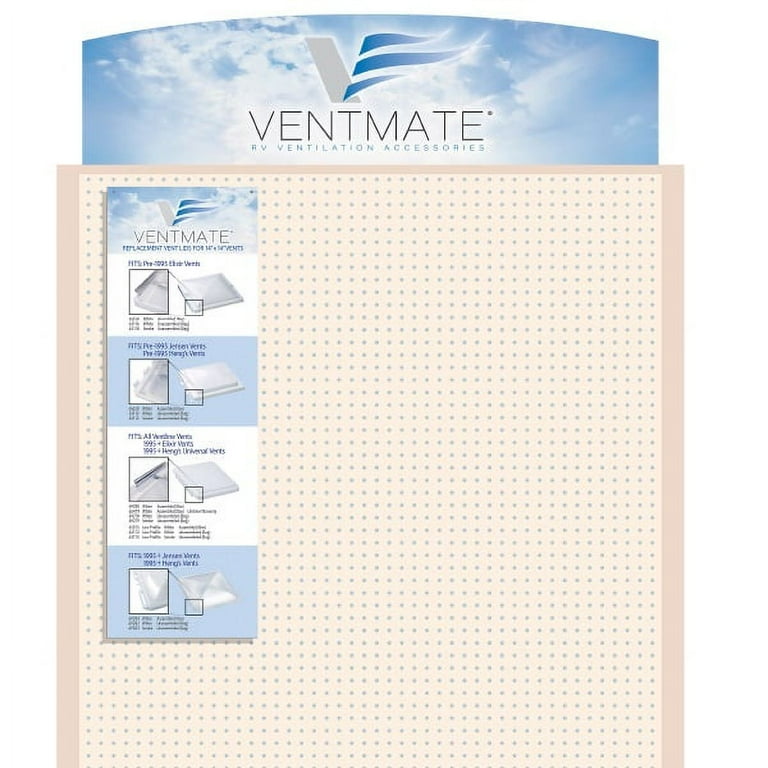
Credit: www.walmart.com
Tools For Creating Headercards
Creating headercards is easier with the right tools. These tools help design clear and attractive headercards fast. Some tools focus on simple layouts. Others offer more style options.
Choose a tool that fits your skill level. Some tools work well for beginners. Others suit advanced users. Here are some popular tools for creating headercards.
Canva
Canva is a user-friendly design tool. It offers many templates for headercards. Drag and drop features make design simple. You can change colors, fonts, and images quickly. No design skills needed to create good headercards.
Adobe Spark
Adobe Spark helps create stylish headercards. It provides easy editing and customization options. Templates are available for fast design. You can add text and photos easily. Great for users wanting polished results.
Figma
Figma is a powerful design tool for teams. It allows real-time collaboration on headercards. Good for detailed and custom designs. Offers vector editing and prototyping features. Useful for users with some design experience.
Snappa
Snappa offers simple tools for quick headercard creation. It has many ready-made templates and graphics. Drag and drop interface speeds up design. Suitable for beginners and small projects. No need to install software.
Picmonkey
PicMonkey is an easy photo editor with design tools. It helps create and edit headercards with ease. Offers templates, effects, and text tools. Good for users who want simple yet creative designs. Accessible on web and mobile.
Measuring Engagement Impact
Measuring engagement impact is key to understanding how Headercards perform. It shows how users interact with the content. Tracking this data helps improve design and content strategy.
Clear metrics give insight into user interest. They reveal what captures attention and what does not. This information guides future adjustments for better results.
Html Syntax For Tracking User Interactions
Implementing HTML events helps track clicks and hovers on Headercards. Simple code snippets capture user actions without slowing the page. This data shows which cards attract more attention.
Analyzing Engagement Metrics
Metrics like click-through rate and time spent matter most. They indicate how deeply users engage with Headercards. Higher numbers mean better engagement and content relevance.
Using Heatmaps To Visualize Engagement
Heatmaps display where users focus most on the page. They highlight popular Headercards and areas needing improvement. Visual data simplifies understanding user behavior.
Testing Different Headercard Designs
Running A/B tests compares various Headercard styles and content. It helps find which version drives more clicks and interest. Continuous testing refines engagement strategies effectively.
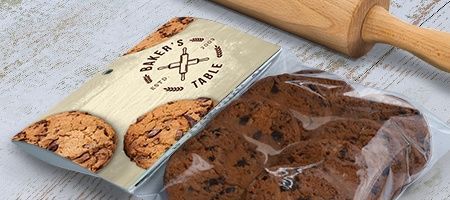
Credit: www.nextdayflyers.com
Frequently Asked Questions
What Are Headercards In Web Design?
Headercards are visual elements placed at the top of a webpage. They highlight key information or links clearly and attractively. They help users quickly find important content.
How Do Headercards Improve Website Navigation?
Headercards organize main topics or offers in one place. They guide visitors to important sections without scrolling much. This makes the site easier to use.
Can Headercards Increase User Engagement On Websites?
Yes, Headercards catch attention with images and text. They encourage clicks by showing clear calls to action. This leads to more interaction from visitors.
What Content Is Best For Headercards?
Short headlines, images, and brief descriptions work well. Use calls to action like “Learn More” or “Shop Now. ” Keep content simple and direct for quick reading.
Are Headercards Mobile-friendly And Responsive?
Good Headercards adjust size and layout for any screen. They remain clear and clickable on phones and tablets. This ensures a smooth user experience everywhere.
How To Design Effective Headercards?
Use clean fonts, bright colors, and clear images. Keep text short and easy to read fast. Make sure each card links to useful information or offers.
Do Headercards Affect Website Loading Speed?
Properly optimized Headercards load quickly without slowing the site. Use compressed images and minimal scripts. Fast loading keeps visitors happy and improves SEO.
Conclusion
Headercards offer a clear and simple way to organize information. They help users find key details quickly. Using headercards improves the look and feel of any page. They make content easier to read and understand. Small changes like these can boost user experience.
Try adding headercards to your site today. See how they make your content cleaner and neater. Clear sections help visitors stay longer and engage more. Simple design, better results.
