
Are you looking for a fresh way to protect and present your clothes? Wrappingpaper garment might be just what you need.
Thank you for reading this post, don't forget to subscribe!Imagine keeping your garments safe from dust and damage while adding a stylish touch. This simple idea can change how you store, ship, or gift your clothes. Keep reading to discover how wrappingpaper garment can make your life easier and your wardrobe look better.
Credit: msrachelhollis.com
Choosing The Right Wrapping Paper
Selecting the perfect wrapping paper can make your garment gift stand out. It adds a special touch and shows care. The right paper fits the style of the garment and the occasion.
Consider the texture, color, and pattern. These details affect the look and feel. Choose paper that matches the garment’s style or the receiver’s taste.
Think About The Occasion
Different events call for different wrapping papers. Bright colors and fun patterns work well for birthdays. Simple and elegant designs suit weddings or formal gifts. Match the paper to the mood of the event.
Choose The Right Size
Wrapping paper should fit the garment perfectly. Too much paper makes the gift bulky. Too little paper can tear or look messy. Measure the garment before buying paper. This helps avoid waste and keeps the package neat.
Select Durable Paper
Garments can be heavy or oddly shaped. Strong wrapping paper holds up better. It resists tearing and keeps the gift safe. Look for thicker paper or special wrapping sheets designed for clothes.
Match Colors And Patterns
Colors and patterns add personality to the gift. Choose colors that suit the garment or person’s style. Simple patterns work for classic gifts. Bold patterns add fun to casual gifts. Balance is key to a pleasing look.
Consider Eco-friendly Options
Many people prefer wrapping paper that is kind to the earth. Recycled or reusable paper helps reduce waste. Look for materials that can be recycled or composted. This choice shows respect for the environment.
Materials That Make A Difference
Materials play a crucial role in the quality and comfort of Wrappingpaper Garments. The choice of fabric affects how the garment feels on the skin and how long it lasts. Good materials bring softness, breathability, and durability to the product.
Understanding these materials helps shoppers make smart choices. The right fabric keeps you comfortable throughout the day. It also ensures the garment looks good after many washes.
Cotton: Softness And Breathability
Cotton is a popular material for Wrappingpaper Garments. It is soft and gentle on the skin. This natural fiber lets air flow, keeping you cool. Cotton also absorbs moisture, reducing sweat discomfort. It works well for everyday wear and is easy to clean.
Polyester: Strength And Shape
Polyester is a strong synthetic fabric. It holds shape well and resists wrinkles. This material dries quickly, making it practical for busy days. Polyester blends add durability without losing softness. It keeps garments looking new for longer.
Bamboo: Eco-friendly And Comfortable
Bamboo fabric is soft and eco-friendly. It has natural antibacterial properties. This means it stays fresh longer. Bamboo also feels smooth and cool on the skin. It is a good choice for sensitive skin and warm weather.
Wool: Warmth And Insulation
Wool provides excellent warmth. It traps heat and keeps you cozy. Wool garments are perfect for cold seasons. The fiber also breathes well, preventing overheating. Wool is durable and resists wrinkles naturally.
Creative Wrapping Techniques
Creative wrapping techniques make garment gifts stand out. They add charm and show extra care. Wrapping clothes is more than just folding paper. It’s about style and thoughtfulness.
Using unique ideas can turn simple cloth into a lovely present. These techniques create excitement before the gift is even opened. Let’s explore some creative ways to wrap garments beautifully.
Furoshiki: The Japanese Cloth Wrap
Furoshiki uses a square cloth to wrap gifts. It is eco-friendly and reusable. The fabric adds texture and color to the gift. Simple folds can create elegant shapes. Tying the corners forms a neat handle.
This method suits scarves, shirts, or small garments. The wrapping becomes part of the gift. It shows respect for nature and tradition.
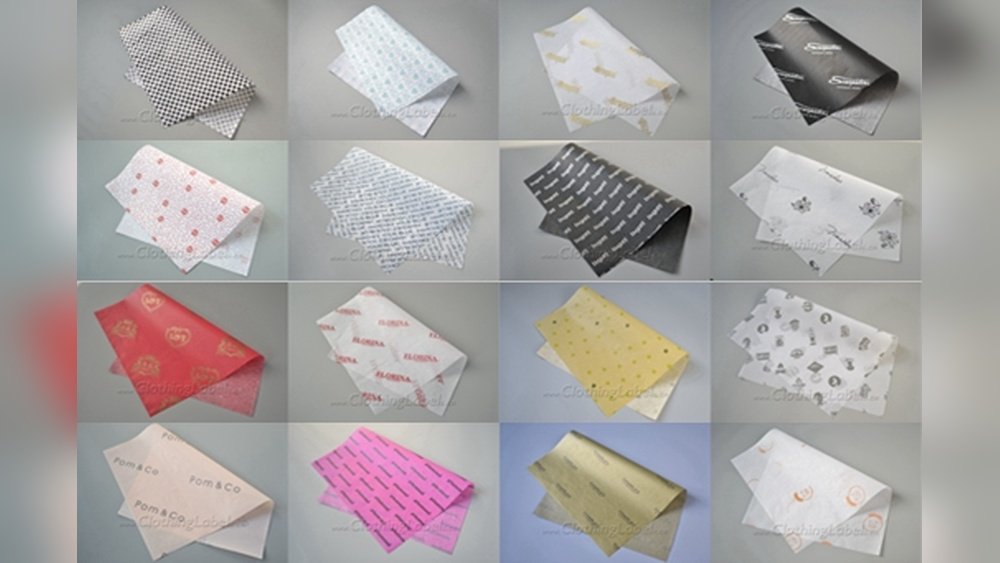
Layered Tissue Paper Wrap
Layering tissue paper gives depth and softness. Choose colors that match the garment or season. Wrap the item in several sheets for a delicate look. Crumple edges slightly for texture.
Secure with a thin ribbon or twine. Add a small tag or dried flower for charm. This technique feels light and thoughtful.
Box And Ribbon Style
Use a simple box to protect the garment. Wrap the box with plain or patterned paper. Tie a wide ribbon around it for a neat finish.
This style keeps clothes safe and clean. It looks classic and elegant. Perfect for heavier or folded garments.
Reusable Shopping Bag Wrap
Wrap garments in a reusable shopping bag. Pick a colorful or patterned bag. Fold the garment inside carefully. Tie the bag handles in a bow.
This wrapping is practical and green. The bag becomes an extra gift. Great for casual or sporty clothes.
Adding Personal Touches
Adding personal touches to your wrapping paper garment makes it unique and special. It shows care and thoughtfulness in every detail. Small changes can create big impressions.
Personal touches help your garment stand out. They reflect your style and mood. Everyone loves gifts that feel made just for them.
Customizing Colors And Patterns
Choose colors that match the recipient’s personality. Bright colors bring energy, while soft tones feel calm. Patterns can be bold or simple. Mixing colors and patterns creates a fresh look.
Adding Handwritten Notes
Write a short message or name on the garment. Handwriting adds a warm, personal feel. Notes show extra effort and care. They turn a simple gift into a memory.
Using Unique Embellishments
Add buttons, ribbons, or small charms to the garment. These little items give texture and interest. They make the garment look more thoughtful and creative. Choose items that match the style.
Eco-friendly Packaging Options
Eco-friendly packaging options are important for Wrappingpaper Garment brands. They help reduce waste and protect the environment. Choosing the right materials can make a big difference in reducing pollution.
Many companies now use sustainable materials to wrap garments. These materials come from natural or recycled sources. They break down faster and cause less harm to nature.
Biodegradable Wrapping Paper
Biodegradable wrapping paper breaks down quickly after use. It does not leave harmful plastic behind. This type of paper is made from plant fibers or recycled materials. It is safe for the soil and water.
Recycled Paper Packaging
Recycled paper uses old paper products to create new wrapping. It reduces the need for cutting down trees. The process saves energy and water. Recycled paper often looks natural and rustic, adding charm to the packaging.
Plant-based Plastic Alternatives
Plant-based plastics come from corn, sugarcane, or other plants. They replace traditional plastic made from oil. These plastics degrade faster in the environment. They keep garments protected without harming nature.
Reusable Fabric Wraps
Reusable fabric wraps are cloth pieces used multiple times. They reduce single-use waste from paper or plastic. Fabrics like cotton or linen are popular choices. After use, they can be washed and reused many times.

Credit: www.gettyimages.com
Incorporating Branding Elements
Incorporating branding elements into Wrappingpaper Garment helps create a strong identity. It makes the product easily recognizable and builds trust. Branding adds a personal touch that connects with customers. It also sets the garment apart from others in the market.
Using consistent logos, colors, and fonts reinforces the brand’s message. These elements make the garment memorable and encourage repeat purchases. Simple and clear branding can boost customer loyalty and increase sales.
Using Logos On Wrappingpaper Garments
Logos should be placed where they stand out but do not distract. Small, clean logos work best on garments. They remind customers of the brand without overwhelming the design. Consistent logo use helps build brand recognition over time.
Choosing Brand Colors Wisely
Brand colors must match the garment’s style and message. Use colors that represent the brand’s personality clearly. Consistent colors create harmony and make the product look professional. Bright or muted tones can both work depending on the brand’s identity.
Incorporating Brand Fonts And Text
Fonts used on garments should be easy to read and match the brand style. Simple fonts often work best on fabric. Text can include brand names, slogans, or short messages. Clear and consistent text adds to the overall branding effect.
Trends In Wrapping Paper Design
Wrapping paper design changes every year. New styles and colors appear. These trends make gifts look special. They also show personality and care. This section explores the latest trends in wrapping paper design.
Minimalist Patterns
Simple shapes and few colors are popular. Clean lines and small designs create a calm look. Minimalist wrapping paper fits many occasions. It looks elegant and modern.
Eco-friendly Materials
Paper made from recycled materials is in demand. Biodegradable and reusable options grow in popularity. People want wrapping that helps protect nature. Natural textures and earth tones are common.
Bold Colors And Abstract Art
Bright colors catch the eye. Abstract shapes add fun and creativity. These designs make gifts stand out. They give a fresh and lively feel.
Vintage And Retro Styles
Old-fashioned prints bring nostalgia. Classic patterns like polka dots and stripes return. Warm colors and faded effects create charm. These styles remind people of past celebrations.
Personalized And Custom Prints
Custom wrapping paper shows unique messages or photos. People enjoy adding names or special notes. Personalized designs make gifts more meaningful. They create a personal touch for loved ones.

Credit: amelieorganizes.com
Frequently Asked Questions
What Is Wrappingpaper Garment Used For?
Wrappingpaper garment is a protective cover for clothes during shipping or storage. It prevents dirt, dust, and wrinkles. It keeps garments fresh and clean.
How Does Wrappingpaper Garment Protect Clothes?
It acts as a barrier against moisture and dust. The paper cushions clothes to avoid damage. It helps maintain fabric quality for longer.
Can Wrappingpaper Garment Be Recycled?
Most wrappingpaper garments are made from recyclable paper. Check local recycling rules before disposal. Using recyclable options helps reduce waste.
What Materials Are Used In Wrappingpaper Garments?
Wrappingpaper garments usually use tissue paper or kraft paper. These materials are lightweight and breathable. They protect clothes without adding bulk.
Is Wrappingpaper Garment Eco-friendly?
Many wrappingpaper garments are biodegradable and eco-friendly. They break down naturally without harming the environment. Choosing eco options supports sustainability.
How To Store Clothes Using Wrappingpaper Garment?
Place the garment inside the wrapping paper gently. Fold the paper around the clothes without tight creases. Store in a cool, dry place.
Where To Buy Wrappingpaper Garment In Bulk?
Wrappingpaper garments are available from packaging suppliers and online stores. Buying in bulk lowers costs for businesses. Look for quality and eco-friendly options.
Conclusion
Wrappingpaper garments bring style and function together. They offer a unique way to present clothing. These garments protect fabric while adding charm. Many people enjoy their creative, eco-friendly appeal. Choosing wrappingpaper garments can make gifts stand out. They suit special occasions and everyday use.
Simple, practical, and attractive—these garments fit well in any wardrobe. Try them for a fresh, fun look. You’ll find they add value beyond just wrapping. A small change that makes a big difference.
