
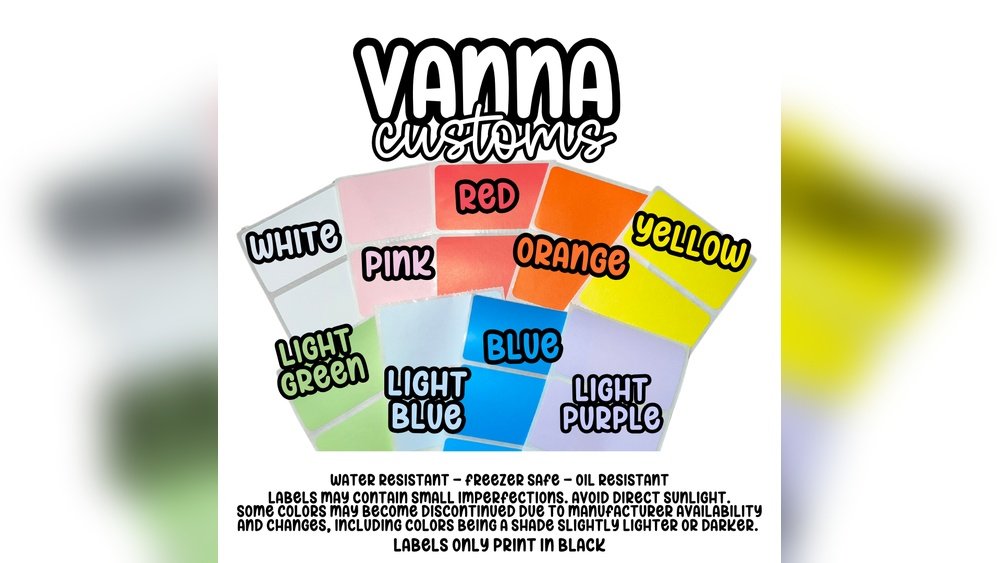
Are you tired of labels that smudge, fade, or peel off when they come into contact with water or oil? Your products deserve labels that stay clear and strong, no matter the mess.
Thank you for reading this post, don't forget to subscribe!Water Oil Proof Labels(Fb) are designed exactly for that—keeping your branding sharp and your information readable, even in the toughest conditions. If you want your labels to work as hard as you do, keep reading to discover how these special labels can protect your products and boost your brand’s trust.
Features Of Water Oil Proof Labels
Water oil proof labels protect products in wet and oily conditions. They keep labels clear and readable. These labels help brands stay visible and professional.
Strong materials and special coatings make these labels effective. They resist water, oil, and grease. The print stays sharp and does not smudge.
Durable Material
Labels use synthetic films like polyester or polypropylene. These materials do not tear easily. They hold up well under rough handling.
Water Resistance
Water proof labels do not absorb moisture. They keep their shape and stickiness when wet. This stops labels from peeling off.
Oil And Grease Resistance
Special coatings block oil and grease. Labels stay clean and readable. This is ideal for food and cosmetic products.
Clear And Sharp Printing
Print on these labels stays crisp and bright. Ink does not run or fade. This keeps product information easy to read.
Strong Adhesive
Adhesive sticks well to many surfaces. It works on glass, plastic, and metal. The label stays attached even in tough conditions.
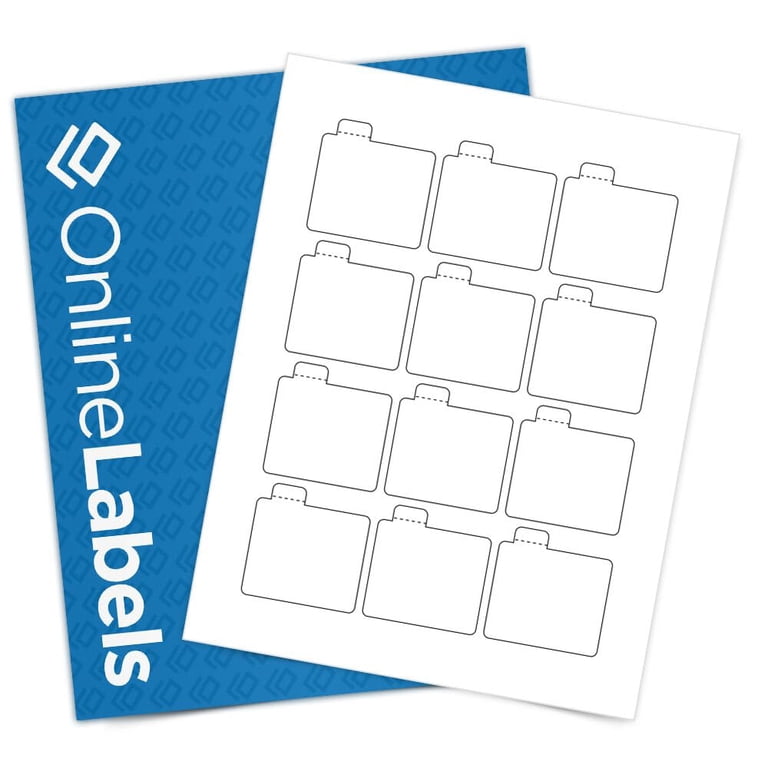
Credit: www.walmart.com
Materials That Enhance Durability
Water oil proof labels need strong materials to last long. These labels face moisture, grease, and rough handling daily. Choosing the right materials helps keep the label clear and readable.
Durable materials stop the label from peeling or smudging. They protect the ink and keep the design sharp. This ensures the product looks good and the information stays visible.
Polypropylene (pp)
Polypropylene is a popular choice for water oil proof labels. It is strong and resists water and oils well. This material does not tear easily and holds ink tightly. It keeps labels neat even in wet or oily places.
Polyester (pet)
Polyester offers excellent durability for tough conditions. It handles water, oil, and chemicals without damage. This material is smooth and keeps the print clear. It is perfect for products that face harsh environments.
Vinyl
Vinyl is flexible and very resistant to moisture and oils. It stretches without breaking, which helps on curved surfaces. Vinyl labels stay strong in both cold and hot conditions. They are ideal for outdoor and kitchen products.
Special Coatings
Special coatings add extra protection to labels. These coatings block water and oil from reaching the ink. They also stop scratches and fading. Coated labels last longer and keep their look bright.
Applications In Harsh Environments
Water oil proof labels are essential for tough conditions. They keep their look and stickiness even in harsh places. These labels resist water, oil, and dirt. This makes them perfect for many hard-to-handle environments.
Many industries need labels that last. Water oil proof labels work well in these settings. They help identify products and ensure safety. Their strength saves money by reducing label replacements.
Industrial Settings
Factories often expose labels to oils and chemicals. Water oil proof labels stay clear and readable. They do not peel or fade. This helps workers find product info fast.
Outdoor Use
Labels used outside face rain and dirt. These labels resist water and oil damage. They keep important data visible. Perfect for tools, machines, and equipment stored outside.
Food And Beverage Industry
Labels on bottles and cans meet wet and oily hands. Water oil proof labels do not smear. They keep nutrition facts and barcodes clear. This helps stores scan items easily.
Automotive Industry
Car parts often get oily or wet. Labels on parts must not break down. Water oil proof labels stick well and stay readable. They help track parts during repairs and shipping.
Resistance To Water And Oil Exposure
Water oil proof labels are made to last in tough conditions. Their main strength lies in resisting water and oil. This keeps the labels clear and readable. It also protects the information on them.
Labels that resist water and oil maintain their stickiness. They do not peel off or fade easily. This is important for products used in kitchens, bathrooms, and outdoors.
Water Resistance Features
These labels use special materials. They stop water from soaking through. The ink does not run or blur. This keeps the label looking clean and sharp.
Water resistance means labels can handle spills and rain. This is good for many types of products. It helps brands stay professional and clear.
Oil Resistance Benefits
Oil can damage normal labels quickly. Water oil proof labels use coatings that block oil. This stops smudging and stains. Oil resistance keeps labels neat and strong.
Labels with oil resistance work well on food and beauty products. These items often have oily surfaces. The labels stay stuck and easy to read.
Durability In Harsh Environments
These labels last longer in harsh places. Water and oil resistance helps them survive heat and cold. They do not crack or peel easily.
Durability means less waste and fewer replacements. It saves money and time for businesses. Reliable labels build trust with customers.
Printing Techniques For Longevity
Water oil proof labels need strong printing methods to last long. These labels face water, oil, and rough handling. Printing techniques must keep colors clear and text sharp. The right method also stops labels from peeling or fading quickly. This section explains key printing techniques that help these labels stay durable and readable.
Offset Printing For Sharp Details
Offset printing offers crisp and clear images. It works well for large label batches. This method transfers ink evenly, making text and graphics stand out. It uses special oil and water balance to keep prints sharp. Offset printing handles fine details with ease. The result is a clean, professional look that lasts.
Flexographic Printing For Flexibility
Flexographic printing uses flexible plates to print on many surfaces. It works fast and suits plastic or film labels. This method uses quick-drying inks that resist water and oil. Flexographic printing adapts well to curved or uneven surfaces. It keeps the design intact, even under tough conditions. This makes labels tough and long-lasting.
Digital Printing For Small Runs
Digital printing suits short label runs with quick turnaround. It prints directly from digital files, reducing waste. This method uses water-resistant and oil-proof inks. Digital printing keeps colors bright and text readable. It allows easy changes in design without extra costs. This technique works well for custom or limited edition labels.

Credit: www.walmart.com
Comparing Labels For Extreme Conditions
Labels must survive tough conditions. Water oil proof labels stand out in harsh settings. They protect product info from damage and keep labels clear. Comparing labels helps find the best fit for extreme conditions.
Durability Against Water
Waterproof labels resist moisture and prevent peeling. They use special coatings or materials. This keeps text and images clear. Many waterproof labels last long in wet places. Labels not made for water may fade or fall off fast.
Resistance To Oils And Chemicals
Oil proof labels block oils and grease. They use strong adhesives and coatings. This stops smudging and damage from oily surfaces. Oils can ruin normal labels quickly. Oil proof labels keep their look and stickiness.
Temperature Tolerance
Extreme heat or cold can harm labels. Some water oil proof labels handle wide temperature ranges. They avoid cracking or shrinking. Labels not made for heat or cold lose adhesion and fade. Temperature-resistant labels keep information visible longer.
Material Types For Harsh Environments
Plastic and vinyl are common for tough labels. These materials resist water, oils, and tears. Paper labels fail faster in harsh spots. Choosing the right material improves label life and product safety.
Maintenance And Care Tips
Water oil proof labels are made to last in tough conditions. Proper care keeps them looking good and working well. Simple maintenance steps help avoid damage and fading. Follow these tips to extend the life of your labels.
Cleaning Labels Gently
Use a soft cloth to wipe the label surface. Avoid harsh chemicals or scrubbing hard. Mild soap with water works best for cleaning. Dry labels with a soft towel to prevent water spots.
Avoiding Excess Heat
Keep labels away from direct heat sources. High temperatures can cause peeling or warping. Store items with labels in cool places. Heat can also fade the colors on the label.
Preventing Oil And Dirt Build-up
Clean labels regularly to remove oils and dirt. Dirty labels lose their water and oil resistance. Use a damp cloth for light stains. For tough spots, repeat cleaning carefully.
Proper Storage Of Labeled Items
Store labeled products in dry, shaded areas. Avoid stacking heavy items on top of labels. Moisture and pressure can damage the label’s surface. Good storage keeps labels intact longer.
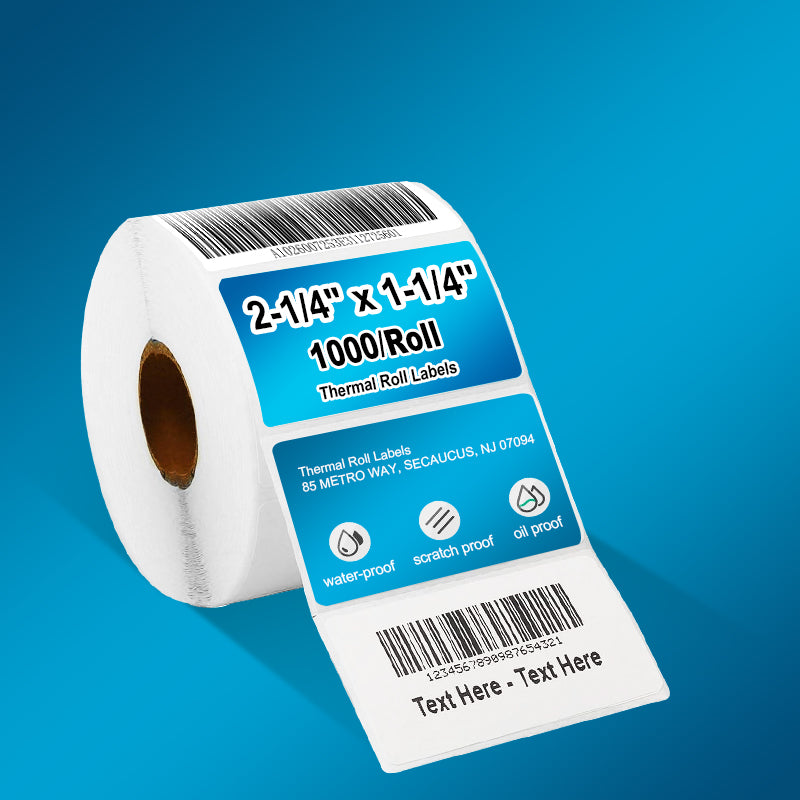
Credit: www.arborrangers.com
Frequently Asked Questions
What Are Water Oil Proof Labels Used For?
Water oil proof labels protect product information from water and oil damage. They keep labels clear and readable in wet or oily conditions. Ideal for food, cosmetics, and chemical packaging.
How Do Water Oil Proof Labels Resist Water And Oil?
These labels use special coatings that stop water and oil from soaking in. The material creates a barrier that keeps the ink safe. This makes the label durable in tough environments.
Can Water Oil Proof Labels Be Used Outdoors?
Yes, they are designed to last outdoors even in rain or humidity. Their waterproof and oil-resistant features keep labels intact. Perfect for outdoor product packaging and industrial use.
What Materials Are Used In Water Oil Proof Labels?
Common materials include synthetic films like polyester, polypropylene, and vinyl. These materials are strong and resist water and oil well. They ensure the label stays stuck and clear.
Are Water Oil Proof Labels Safe For Food Packaging?
Yes, many water oil proof labels meet food safety standards. They do not harm food or change its taste. Great for labeling oily or wet food containers.
How Long Do Water Oil Proof Labels Last?
These labels typically last months to years depending on conditions. Exposure to harsh chemicals or extreme heat may shorten their life. They offer reliable performance in most settings.
Can I Print Water Oil Proof Labels At Home?
Home printers can print on some water oil proof label sheets. Using laser printers often works best for durability. Check the label material and printer compatibility before printing.
Conclusion
Water oil proof labels protect your products from damage. They keep labels clear and readable in wet or oily places. These labels help your brand look professional and reliable. Using them saves money by avoiding label replacement. Choose the right material for the best results.
Your products will stand out on shelves with strong labels. Water oil proof labels make packaging easier and cleaner. A smart choice for many businesses.
