
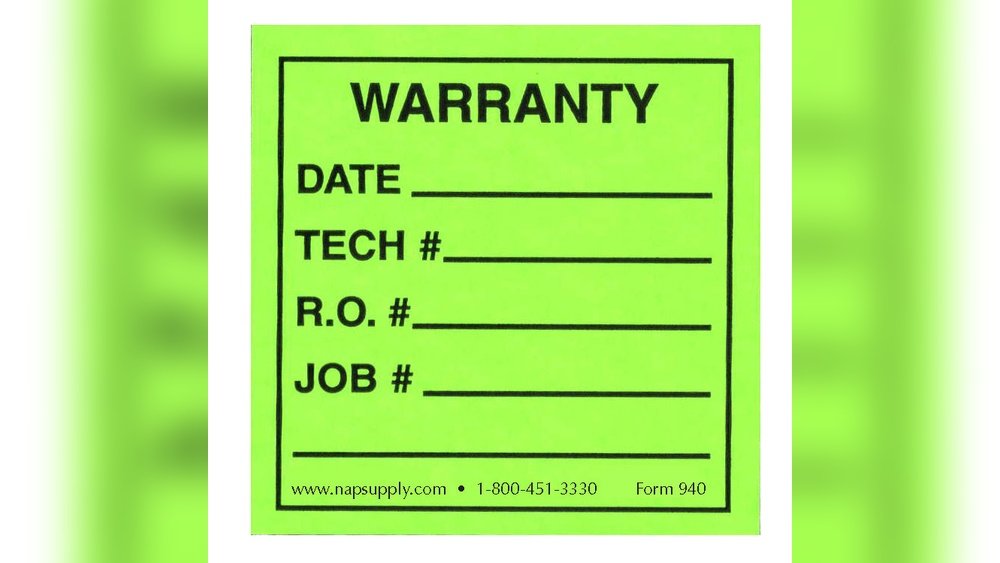
Have you ever bought a product and wondered if it’s truly protected against defects or damage? That’s where warranty labels come in.
Thank you for reading this post, don't forget to subscribe!These small but powerful stickers hold the key to your peace of mind. They tell you if your item is covered, help you avoid scams, and even protect manufacturers from tampering. If you want to understand how warranty labels work and why they matter to you, keep reading.
This guide will show you everything you need to know to make smarter, safer purchases.
Purpose Of Warranty Labels
Warranty labels serve an important role for both businesses and customers. They provide clear proof of product coverage and help protect against misuse. These labels also guide users on how to maintain the product properly. Understanding their purpose helps buyers feel confident about their purchases.
Warranty labels often contain essential information about the product warranty terms. This information helps avoid confusion and disputes. They act as a bridge between manufacturers and consumers. The labels also help companies track product history and repairs.
Proof Of Authenticity And Coverage
Warranty labels confirm that the product is genuine. They show the product is covered under a valid warranty. This proof protects buyers from fake or damaged goods. It also ensures the product meets quality standards.
Instructions For Warranty Use
Labels often include clear steps for claiming warranty service. They explain what actions may void the warranty. Users can easily understand how to keep the warranty valid. This reduces errors and saves time for both parties.
Product Tracking And Service History
Manufacturers use warranty labels to track repairs and returns. This tracking helps improve product quality over time. It also speeds up service when the product needs fixing. Customers benefit from faster, more efficient support.
Encouraging Proper Product Care
Warranty labels remind users to follow care instructions. Proper care helps products last longer and function well. Labels often warn against harmful actions like opening the device. This helps maintain product performance and warranty validity.
Types Of Warranty Labels
Warranty labels protect products and ensure service terms are clear. They help manufacturers control repairs and returns. Different types serve different purposes. Each type offers unique features to secure warranties.
Void Warranty Labels
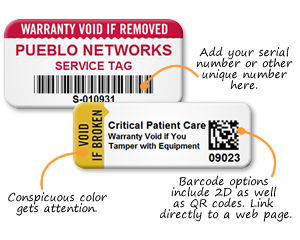
Void warranty labels show if a product has been opened. They leave a message like “VOID” when removed. This helps prevent tampering. Customers see if the seal is broken. It stops unauthorized repairs or changes.
Tamper-evident Labels
Tamper-evident labels are hard to remove without damage. They break or change color when touched. This shows any interference clearly. These labels protect against fraud and misuse. They keep products safe and original.
Qr Code Warranty Labels
QR code warranty labels link to product info or registration. Scanning the code gives quick access to warranty terms. It helps customers register products easily. Manufacturers can track warranty status fast. These labels improve communication and service.
Materials Used For Durability
Warranty labels need to last long. They protect products and show proof of warranty. Strong materials help labels stay clear and readable. They resist water, heat, and scratches. This keeps the warranty valid and trusted.
Different materials give different strengths. Some work best on plastic, metal, or glass. Choosing the right material means the label stays on and looks good.
Vinyl
Vinyl is a common choice for warranty labels. It is flexible and waterproof. Vinyl can handle heat and cold well. It sticks tightly to many surfaces. This makes it hard to remove without damage.
Polyester
Polyester is a strong, smooth material. It resists chemicals and sunlight. This keeps the label clear for a long time. Polyester labels do not tear easily. They work well for outdoor products.
Polypropylene
Polypropylene is light and tough. It handles moisture and oils without damage. Labels made from this material stay stuck. It is often used for electronics and appliances.
Paper With Lamination
Paper labels can be strong with lamination. The clear layer protects against water and scratches. Laminated paper labels cost less. They suit products with short warranty periods.
Design Tips For Effective Labels
Creating effective warranty labels is essential. These labels protect products and inform customers about coverage. Clear and well-designed labels reduce confusion and build trust. Design plays a key role in how well the label communicates its message.
Simple and clear design helps customers understand warranty terms quickly. Use easy-to-read text and smart layouts. The label must grab attention but stay professional. Good design balances style with function.
Use Clear And Legible Fonts
Choose fonts that are easy to read. Avoid fancy or script fonts that can confuse readers. Stick to simple fonts like Arial, Helvetica, or Verdana. Use bold for important details like warranty duration and contact info. Keep font size large enough for easy reading.
Choose Contrasting Colors
Colors should make text stand out clearly. Use dark text on a light background or vice versa. Avoid color combinations that strain the eyes. Contrasting colors help important information catch attention fast. Stay consistent with your brand’s color scheme.
Include Key Information Only
Focus on must-know details. Include warranty length, coverage type, and how to claim. Avoid cluttering the label with too much text. Use bullet points or short sentences. Clear info helps customers find answers quickly without frustration.
Use Durable Materials And Printing
Warranty labels must last long on the product. Choose materials that resist water, heat, and wear. Use high-quality printing to keep text clear over time. Durable labels maintain trust and protect warranty validity.
Add Visual Elements Wisely
Simple icons or logos can improve understanding. Use symbols like clocks for time or shields for protection. Avoid overcrowding the label with too many visuals. Visuals should support the message, not distract from it.
Role In Enhancing Customer Trust
Warranty labels play a key role in building trust between brands and customers. They show that a company stands behind its products. This assurance helps customers feel more confident in their purchases.
Clear warranty labels reduce doubts about product quality. They make the buying process easier and more reliable. Customers trust products with visible and honest warranty information.
Trust Through Transparency
Warranty labels provide clear details about product coverage. They tell customers what is protected and for how long. This transparency removes confusion and builds confidence.
Customers prefer brands that openly share warranty terms. It shows honesty and respect for buyers. Transparent warranty labels create a strong, trustworthy image.
Proof Of Quality Assurance
A warranty label acts as proof that a product meets quality standards. It signals that the company expects the product to last. This assurance encourages customers to choose that product over others.
People often link warranties with product reliability. The label confirms the brand’s promise to fix or replace faulty items. This promise builds long-term trust.
Enhancing Customer Satisfaction
Warranty labels help customers feel safe after purchase. They know help is available if problems occur. This peace of mind improves overall satisfaction.
Happy customers are more likely to buy again and recommend the brand. Clear warranty labels contribute to a positive shopping experience. Trust grows with every satisfied customer.
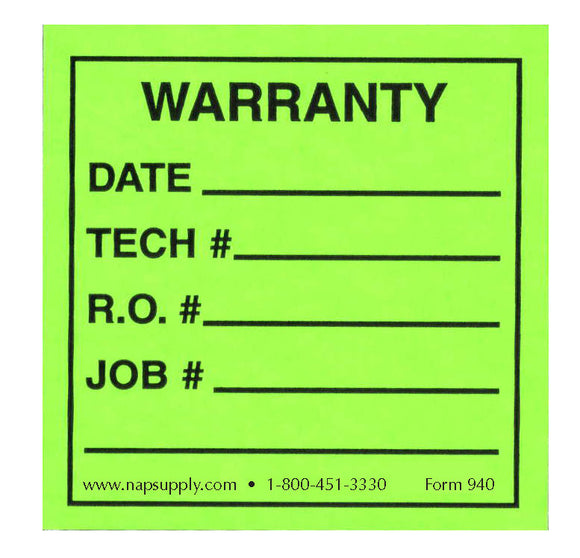
Credit: napsupply.com
Preventing Counterfeiting With Labels
Warranty labels play a key role in stopping fake products. They help protect brands and buyers from fraud. These labels are not just stickers. They carry security features that are hard to copy. This makes it easy to spot real items from fake ones.
Using special warranty labels adds a layer of protection. They work as a proof of authenticity. This keeps counterfeit products out of the market. It also builds trust between sellers and customers.
How Security Features Stop Counterfeiters
Warranty labels include hidden codes, holograms, or watermarks. These features are tough to copy or alter. They make it easy to check if a product is genuine. Counterfeiters find it hard to duplicate these details. This reduces the chances of fake goods being sold.
Easy Verification For Customers
Customers can check warranty labels quickly. Some labels have QR codes or serial numbers. Scanning these codes shows product details instantly. This helps buyers confirm the product’s origin. It gives confidence in the purchase and reduces fraud risks.
Building Brand Trust With Warranty Labels
Brands that use secure warranty labels show they care. These labels prove the product is real and safe. Customers trust these brands more. This trust leads to repeat sales and better reputation. Warranty labels protect both the brand and the buyer.
Easy Implementation Strategies
Easy implementation strategies for warranty labels help businesses save time and reduce errors. Simple steps ensure labels attach correctly and stay readable. Clear plans make the process smooth and efficient.
Following easy strategies improves product tracking and customer trust. It also lowers costs by avoiding label damage or misplacement. Small actions lead to big benefits in warranty management.
Choose The Right Label Material
Select label materials that fit your product surface. Use durable materials for rough or wet conditions. Paper labels suit smooth, dry surfaces. Vinyl or polyester works better for outdoor or heavy use.
Use Simple Label Placement
Place labels where customers can easily see them. Avoid edges or curved areas that cause peeling. Flat, clean surfaces help labels stick longer. Consistent placement across products speeds up inspection.
Automate Label Application
Use machines or tools to apply labels evenly. Automation reduces human errors and saves time. Even small businesses benefit from simple applicators. Consistent pressure prevents bubbles and wrinkles.
Test Before Full Application
Apply sample labels to test adhesion and durability. Check label readability after handling and shipping. Adjust materials or placement if labels fail tests. Testing prevents costly mistakes later.
Train Staff On Label Handling
Teach employees how to apply labels correctly. Show them the best spots and pressure to use. Training ensures every product gets a quality label. Well-trained staff reduce label damage and waste.
Credit: kirafranch.com

Credit: www.intertronix.com
Frequently Asked Questions
What Are Warranty Labels And Why Are They Important?
Warranty labels show product warranty details and protect against tampering. They help prove if a product is genuine and covered for repairs or returns.
How Do Warranty Labels Protect Products From Damage?
Warranty labels often break or show marks if removed. This stops people from opening or changing products without permission.
Can Warranty Labels Be Customized For Different Businesses?
Yes, warranty labels can be designed with logos, text, and colors. Customization helps brands stand out and adds security.
Where Should Warranty Labels Be Placed On Products?
Labels go on visible and hard-to-reach spots. This ensures easy verification and prevents unauthorized removal.
What Materials Are Used To Make Warranty Labels?
Common materials include paper, vinyl, and polyester. These offer durability and resistance to water or heat.
How To Check If A Warranty Label Is Genuine?
Look for holograms, serial numbers, or special printing. These features make labels hard to copy or fake.
Can Warranty Labels Be Removed Without Damaging The Product?
Most warranty labels break or leave marks when removed. This shows if someone tried to tamper with the product.
Conclusion
Warranty labels help protect your products and build trust with customers. They show that you care about quality and service. Clear and strong labels make it easy to spot genuine items. They also help prevent fraud and damage. Using the right warranty labels saves time and money.
It keeps your business safe and your customers happy. Choose labels that fit your needs and products well. Keep your products secure and your customers confident. Warranty labels matter more than you might think. Simple but important for any business.
