
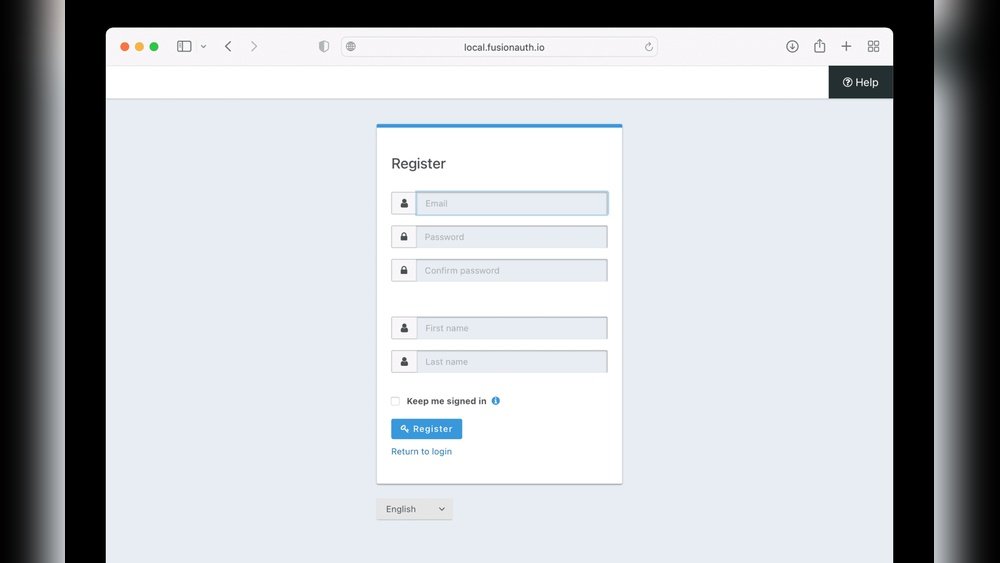
Are you struggling to get more users to sign up on your website or app? User registration is the key to turning visitors into loyal customers.
Thank you for reading this post, don't forget to subscribe!But it’s not just about adding a sign-up form—it’s about creating a smooth, inviting experience that makes people want to join. You’ll discover simple yet powerful strategies to improve your user registration process. By the end, you’ll know exactly how to attract more users and keep them coming back.
Ready to transform your registration process? Let’s dive in.

Credit: wedevs.com
Optimizing Sign-up Forms
Optimizing sign-up forms is key to improving user registration. A smooth form helps users finish signing up quickly. It lowers the chance they will leave before completing the process. Clear and simple forms create a good first impression. This encourages users to engage more with your site.
Simplifying Form Fields
Keep form fields to a minimum. Ask only for essential information. Long forms can feel overwhelming and cause users to quit. Use clear labels for each field. Avoid confusing words or technical terms. Group related fields together to make the form easier to scan. Use dropdowns or checkboxes when possible. This speeds up the process and reduces errors.
Implementing Smart Validation
Smart validation checks data as users type. It catches errors early and guides users to fix them. Show clear messages near the wrong field. Avoid generic error notices that confuse users. Use real-time feedback to prevent frustration. Allow users to correct mistakes without starting over. This makes the sign-up process smooth and friendly.
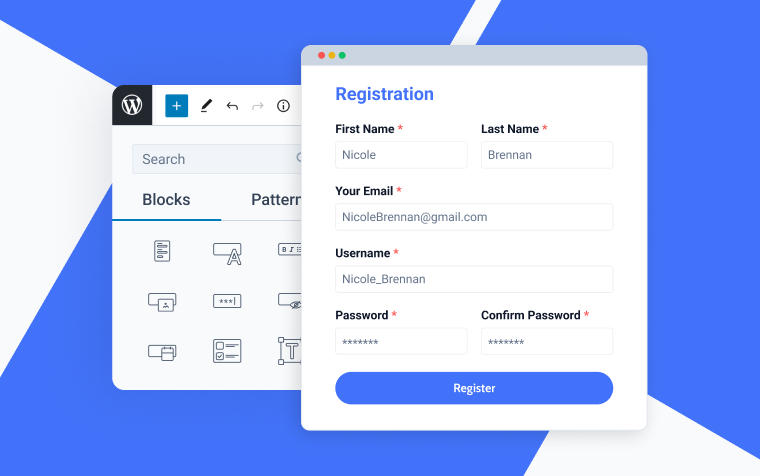
Credit: jetformbuilder.com
Crafting Compelling Calls To Action
Calls to action (CTAs) guide users through the registration process. They encourage visitors to take the next step. Well-crafted CTAs improve user experience and increase sign-ups. Every word and button placement matters. Clear, strong CTAs make registration simple and inviting.
Using Clear And Persuasive Language
Use short, direct words. Avoid complex phrases that confuse users. Phrases like “Join Now” or “Get Started” work well. They tell users exactly what to do. Focus on benefits, such as “Create Your Free Account.” This shows value without extra words. Make each CTA easy to understand fast.
Positioning Buttons For Maximum Impact
Place buttons where users expect them. Usually near form fields or at the page top. Keep CTAs visible without scrolling too much. Use enough space around buttons to stand out. Bright colors help attract attention but keep them consistent. Position affects clicks and leads to more sign-ups.
Leveraging Social Proof
Social proof helps build trust and confidence in user registration. It shows visitors that others have joined and had good experiences. This can reduce doubts and encourage more sign-ups. Social proof makes your site feel more reliable and popular.
Showcasing Testimonials
Testimonials share real user opinions and stories. They highlight positive experiences with your service. Short quotes from happy users add credibility. Photos or names increase authenticity. Testimonials ease fears about signing up. Visitors feel more comfortable joining after reading them.
Highlighting User Numbers
Displaying user numbers shows how many people trust your platform. Large numbers create a sense of popularity. Phrases like “Join 10,000+ users” make visitors feel part of a community. This social proof encourages action. People often follow what many others do.
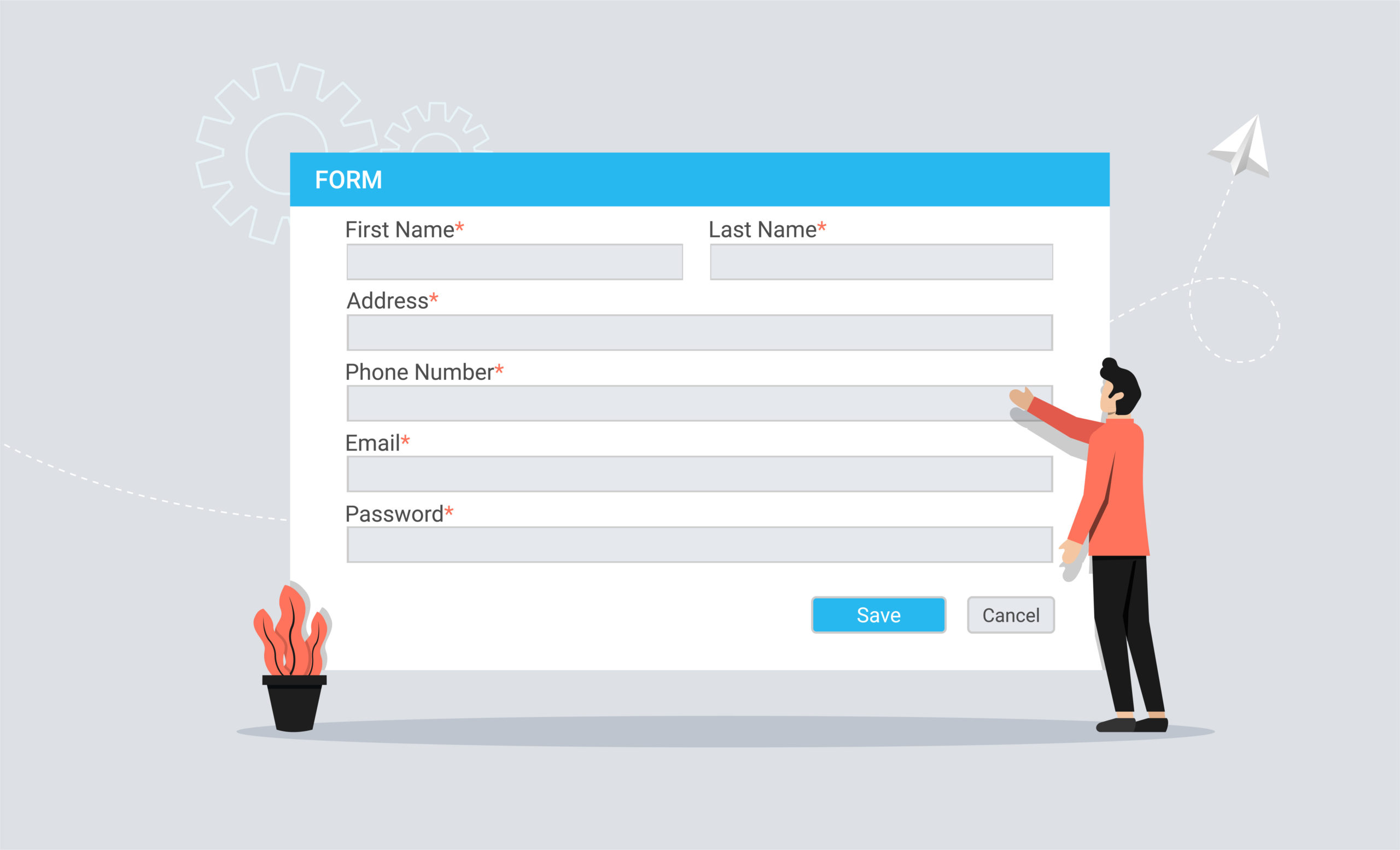
Credit: kaliforms.com
Incentivizing Registrations
Encouraging users to register on your website is key to building a loyal audience. Incentives make the registration process more attractive. They give users a clear reason to sign up. This helps grow your user base quickly and effectively.
Providing rewards or special offers creates excitement. Users feel valued and motivated to join. This also improves user engagement and retention over time.
Offering Discounts And Rewards
Discounts are a simple way to attract new users. Offering a price cut for first-time registrants works well. Rewards like points or coupons also boost sign-ups. These incentives make users feel they get extra value. It encourages them to complete the registration process.
Rewards can be tailored to suit your audience. For example, offering free shipping or a small gift adds appeal. The key is to make the benefits clear and easy to claim.
Running Limited-time Offers
Creating urgency motivates users to act fast. Limited-time offers create a sense of scarcity. Users don’t want to miss out on a special deal. This increases registrations within a short period.
Examples include short-term discounts or exclusive access to content. Promoting these offers prominently boosts visibility. The ticking clock pushes users to register without delay.
Combining limited-time offers with rewards maximizes impact. Users feel the pressure and the benefit at once. This strategy drives quick growth in your user base.
Enhancing Mobile Experience
Mobile devices are the main way many users register on websites. A smooth mobile experience helps users complete registration fast. It lowers frustration and boosts sign-up rates. Optimizing user registration for mobile screens is key. Focus on clear design and easy input methods.
Responsive Design Techniques
Responsive design makes registration forms fit any screen size. Use flexible layouts that adjust to phones and tablets. Text and buttons should scale well and stay readable. Avoid horizontal scrolling or zooming. Keep forms simple with fewer fields. Use large touch targets for easy tapping. Responsive design ensures users can register without pinching or zooming.
Streamlining Mobile Input
Mobile input can be tricky. Use input types that match the data needed. For example, show number keyboards for phone fields. Enable auto-correct and auto-capitalization for text fields. Break long forms into smaller steps to avoid overwhelm. Include clear labels and placeholders inside fields. Use progress indicators to guide users. These small changes make typing faster and less error-prone.
Utilizing Email And Sms Follow-ups
Using email and SMS follow-ups is key for user registration success. These messages keep users engaged after they sign up. They help build trust and encourage users to return. Follow-ups also reduce dropout rates by reminding users about your service.
Emails and texts reach users in different ways. Emails allow for detailed messages and links. SMS messages offer quick, direct communication. Combining both ensures users do not miss important information.
Crafting Welcome Messages
Welcome messages create the first impression. They should be warm and clear. Thank users for registering and explain what to expect next. Keep the tone friendly and simple.
Include useful links like profile setup or help pages. Make users feel valued and supported. A good welcome message starts a positive relationship.
Setting Up Reminder Campaigns
Reminders help users stay active. Send alerts about incomplete profiles or upcoming events. Keep these messages short and to the point.
Space reminders evenly. Avoid overwhelming users with too many messages. Use reminders to encourage users to explore your service fully.
Analyzing And Testing Sign-up Strategies
Analyzing and testing sign-up strategies helps improve user registration rates. It shows which methods attract more users and which need changes. Testing different approaches lets you find the best way to get people to join.
Data from tests guides decisions. It gives clear proof of what works. This process saves time and money by avoiding guesswork. It also helps create a smoother sign-up experience for users.
A/b Testing Elements
A/B testing compares two versions of a sign-up form or page. Change one element at a time. For example, test different button colors, text, or form length. See which version gets more users to register.
Test headlines, images, and call-to-action phrases. Small changes can make a big difference. Keep tests simple and run them long enough for clear results. Avoid testing too many things at once.
Tracking Conversion Metrics
Conversion metrics show how many visitors complete registration. Track metrics like sign-up rate, bounce rate, and form abandonment. These numbers reveal problems in the sign-up process.
Use tools like Google Analytics or built-in platform trackers. Watch how users move through the sign-up steps. Spot where users drop off and fix those points. Regular tracking helps improve sign-up success over time.
Frequently Asked Questions
What Is User Registration And Why Is It Important?
User registration lets people create accounts on a website or app. It helps websites know who their users are and offer personalized services.
How Does User Registration Improve Website Security?
User registration requires a username and password, which protect user data. It helps prevent unauthorized access to accounts and sensitive information.
What Information Is Usually Needed For User Registration?
Common details include name, email, and password. Some sites may ask for phone number or date of birth for extra security.
Can User Registration Be Done Without Email Verification?
Yes, but email verification adds a layer of security. It confirms the user’s identity and reduces fake or spam accounts.
How Can I Make User Registration Easy For Users?
Keep forms short and simple. Use clear labels and offer password tips to help users register quickly without confusion.
What Are Common Problems Users Face During Registration?
Users often forget passwords or enter wrong information. Slow loading forms or unclear instructions also cause frustration during registration.
Is User Registration Necessary For All Websites?
Not all sites need registration. It’s essential for sites offering personalized content, purchases, or user interaction.
Conclusion
User registration is a key step for any online platform. It helps create a personal experience for each user. Simple forms and clear instructions make signing up easy. Secure data handling builds user trust and protects information. Fast registration keeps users interested and coming back.
A smooth process improves satisfaction and website success. Focus on making registration quick, safe, and user-friendly. This keeps visitors happy and encourages them to join. A good registration system supports growth and engagement.
