
Are you struggling to find the perfect size price labels that fit your needs? Choosing the right labels can save you time, keep your products organized, and make shopping easier for your customers.
Thank you for reading this post, don't forget to subscribe!Whether you run a small store or manage a large inventory, the right size price labels can make a big difference. You’ll discover how to pick labels that match your products perfectly and boost your business’s efficiency. Keep reading to find out what you need to know before making your next label purchase.

Credit: www.rfidtagworld.com
Importance Of Size Price Labels
Size price labels play a key role in retail and sales. They help customers find the right size and price quickly. These labels make shopping easier and faster. Clear size price labels reduce confusion and mistakes.
Good size price labels improve customer trust. Shoppers feel confident buying products with clear information. This trust leads to better sales and fewer returns.
Enhances Customer Shopping Experience
Size price labels allow shoppers to see size and price at a glance. This saves time and effort. Customers avoid guessing or searching for product details. Easy shopping makes customers happy and more likely to return.
Reduces Errors And Confusion
Clear labels help staff and customers avoid mistakes. Wrong size or price choices happen less often. This reduces complaints and improves store reputation. Staff also work faster with clear labels.
Supports Inventory Management
Size price labels help track stock better. Staff can quickly identify products by size and price. This makes restocking and counting easier. Accurate inventory means fewer out-of-stock problems.
Improves Store Appearance
Neat and consistent size price labels make the store look organized. A tidy display attracts more customers. Clean labels show professionalism and care in the store.
Types Of Size Price Labels
Size price labels help shoppers find the right product quickly. They show both the size and price clearly. Different types of labels suit different products and stores. Choosing the right type improves the shopping experience and speeds up sales.
Printed Size Price Labels
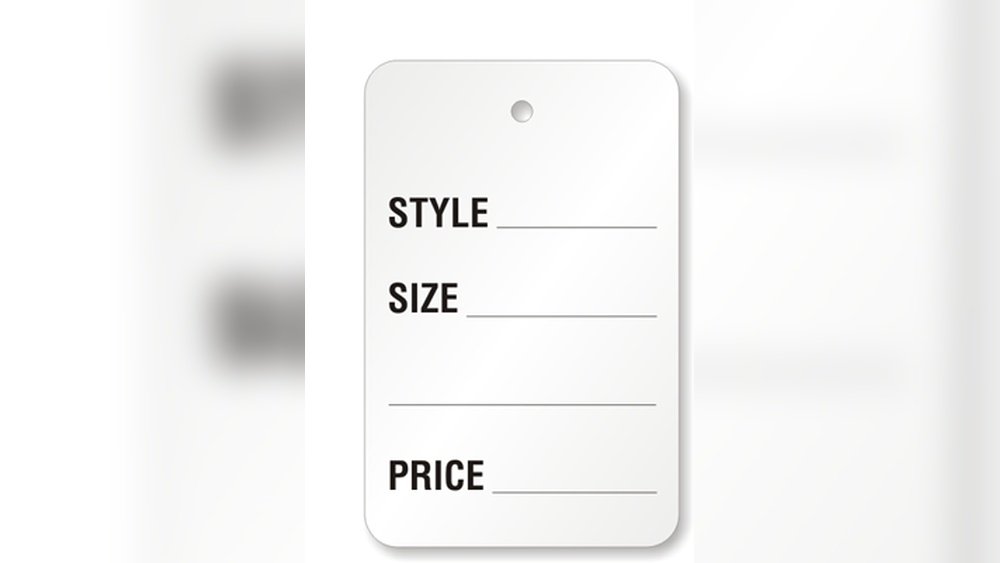
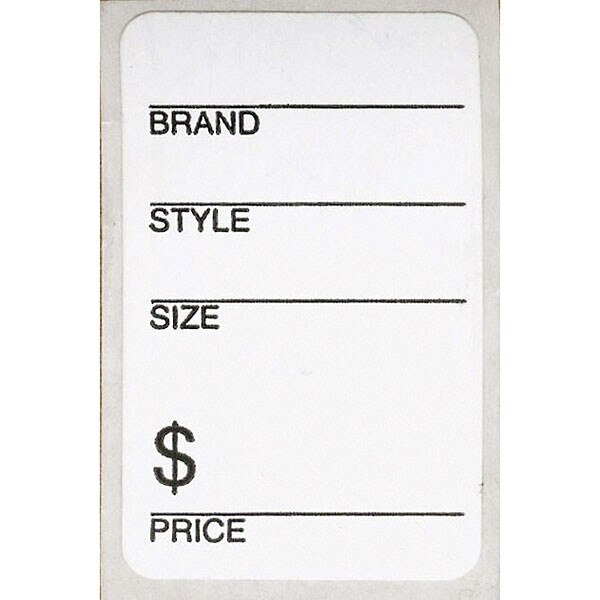
Printed labels display size and price in a clear font. They use paper or plastic material. These labels stick directly on products or packaging. They are easy to read and affordable. Stores often use printed labels for clothes and shoes.
Hang Tags With Size And Price
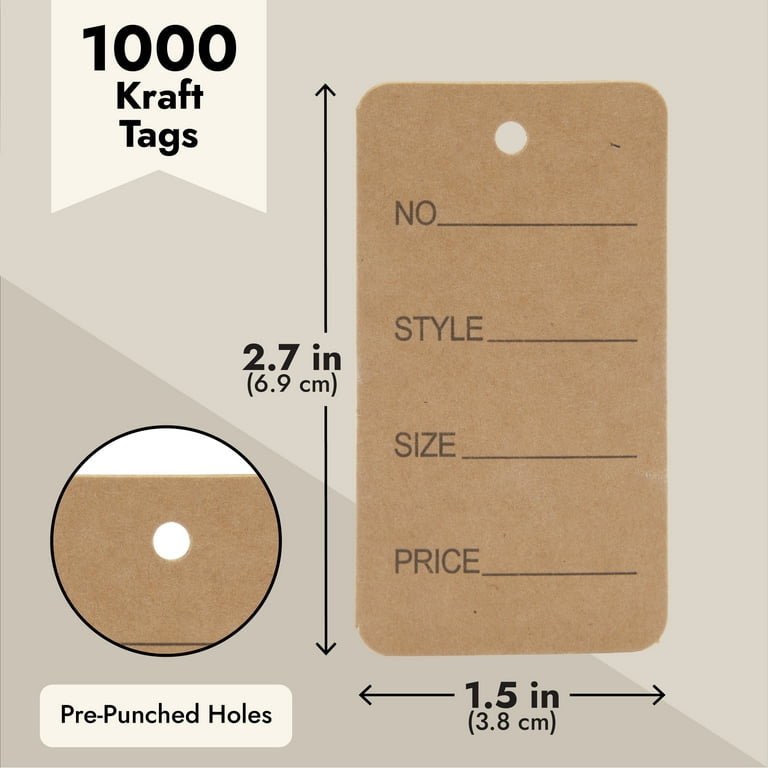
Hang tags hang from the product using a string or plastic loop. They show size and price on both sides. These tags add a neat, professional look. Hang tags suit items like bags and apparel. They also allow space for brand logos or care instructions.
Barcode Size Price Labels
Barcode labels include size, price, and a barcode. The barcode helps with fast scanning at checkout. These labels improve inventory tracking. Many retail stores prefer barcode labels for efficiency. They work well on packaged goods and electronics.
Thermal Size Price Labels
Thermal labels print size and price using heat. They do not need ink or toner. These labels are durable and water-resistant. Thermal labels suit products stored in cold or wet places. They are common in supermarkets and warehouses.
Reusable Size Price Labels
Reusable labels can be updated with new size or price. They use special materials like chalkboard or plastic. Stores use them in sales or seasonal changes. Reusable labels reduce waste and save money. They are ideal for markets and small shops.
Materials And Durability
Size price labels must be made from strong materials to last long. Durability is key for these labels. They face daily wear and tear in shops and warehouses. Choosing the right material means the labels stay clear and readable. This helps customers and staff find the right sizes quickly.
Good materials resist water, tears, and fading. They keep the printed information sharp. Durable labels reduce the need for frequent replacements. This saves time and money for businesses. Let’s explore common materials used in size price labels.
Paper Labels
Paper labels are the most common and affordable option. They work well for short-term use. These labels print clearly and stick easily to products. But paper can tear or fade if wet. They suit indoor use or products with low handling.
Polyester Labels
Polyester labels offer higher durability than paper. They resist water, oil, and chemicals better. These labels do not tear easily and keep printing sharp. They work well for products stored in humid or rough conditions. Polyester labels last longer and maintain a professional look.
Vinyl Labels
Vinyl labels are very tough and flexible. They stand up to harsh handling and outdoor use. Vinyl resists moisture, sunlight, and abrasion well. These labels stay intact on curved or textured surfaces. Vinyl is perfect for long-lasting size price labels on various products.
Thermal Transfer Labels
Thermal transfer labels use heat to print durable images. The print does not smudge or fade easily. These labels often combine polyester or vinyl materials. Thermal transfer is ideal for clear, long-lasting size and price information. They suit busy stores or warehouses with heavy product handling.
Design Tips For Maximum Impact
Designing size price labels with care helps grab attention quickly. Clear, simple labels guide customers to the right product. Using smart design makes shopping easier and faster. Good labels also improve the look of your shelves and products.
Focus on key elements like color, font, and layout. Each choice should support easy reading and quick understanding. Small changes in design can create a big impact on sales.
Use Clear And Bold Fonts
Choose fonts that are easy to read from a distance. Bold fonts stand out and catch the eye faster. Avoid fancy or thin fonts that slow down reading. Keep text size large enough for quick glances.
Choose Contrasting Colors
Colors should help text stand out from the background. Use dark text on light backgrounds or vice versa. Bright colors attract attention but keep them balanced. Avoid color combinations that strain the eyes.
Keep Layout Simple And Organized
Use a clean layout with enough white space. Avoid clutter by limiting the amount of information. Group related details like size and price together. Use alignment to create a neat and tidy look.
Include Size And Price Prominently
Highlight size and price in the first place customers look. Use different font sizes or colors to separate them. Make sure these details are easy to find at a glance. Clear labels prevent confusion and speed up choices.
Integrating Labels With Inventory Systems
Integrating size price labels with inventory systems simplifies stock management. It creates a smooth link between product details and stock data. This helps reduce errors and saves time. Retailers can track sales and inventory faster. Accurate labels make counting items easier and quicker.
Using labels tied to inventory systems also improves pricing accuracy. Updates in stock levels reflect immediately on the labels. This prevents selling items at wrong prices. It supports better customer service and inventory control.
How Size Price Labels Connect To Inventory Systems
Labels carry important data like size, price, and product codes. Inventory systems read this data to track stock. Barcodes or QR codes on labels link products to the system. Scanning labels updates stock numbers instantly. This keeps inventory data current and reliable.
Benefits Of Automated Label Integration
Automation cuts down manual data entry mistakes. It speeds up stock checking and price updates. Staff spend less time on paperwork and more on helping customers. Inventory accuracy improves, reducing out-of-stock problems. This system supports smarter restocking decisions.
Choosing The Right Labels For Your System
Select labels that match your inventory software needs. Check label size and printing quality for clear scanning. Durable labels resist wear and tear in stores. Ensure label formats fit your scanners and database. Proper labels help maintain smooth inventory operations.
Credit: www.walmart.com
Cost-effective Label Printing Methods
Cost-effective label printing methods help businesses save money and time. Choosing the right printing option reduces waste and improves efficiency. Small businesses and large companies benefit from affordable label solutions.
Size price labels need clear printing without high costs. Finding budget-friendly methods is key to managing expenses. Different printing techniques suit various needs and budgets.
Thermal Printing
Thermal printing uses heat to create images on labels. It requires no ink or toner, cutting costs. This method is fast and works well for size price labels. Labels last long and resist smudging.
Inkjet Printing
Inkjet printers produce good-quality color labels. They are affordable and easy to use at home or office. Ink cartridges can be costly, but print quality is high. Best for small batches or detailed designs.
Laser Printing
Laser printing offers sharp text and fast output. Toner cartridges last longer than ink cartridges, saving money. It works well for large volume label printing. Labels are durable and water-resistant.
Pre-printed Labels
Pre-printed labels come in bulk at lower prices. They reduce printing time and errors. Ideal for businesses with consistent label needs. Custom designs are available at affordable rates.
Case Studies Of Successful Implementation
Case studies show how size price labels improve business operations. Real examples reveal benefits like better organization and faster sales. These stories help understand the value of clear, consistent labeling.
Case Study: Retail Clothing Store
A clothing store used size price labels on all products. Customers found it easier to pick the right size. Staff spent less time answering size questions. Sales increased by 15% in three months.
Case Study: Warehouse Inventory Management
A warehouse added size price labels to boxes. Workers located items faster and reduced errors. Inventory checks became simpler and quicker. Productivity improved by 20% after implementation.
Case Study: Online Shop Packaging
An online shop added size price labels on packages. This helped delivery staff sort parcels correctly. Customers received correct sizes more often. Returns due to size mistakes dropped by 30%.
Credit: www.kc-store-fixtures.com
Frequently Asked Questions
What Are Size Price Labels Used For?
Size price labels show both the size and price of a product. They help customers find the right item quickly. These labels are common in retail stores and markets.
How Do Size Price Labels Improve Shopping Experience?
They make it easy to compare prices and sizes at a glance. This saves time and reduces confusion for buyers. Clear labels also help store staff manage inventory better.
What Materials Are Size Price Labels Made From?
Size price labels are often made from paper, plastic, or vinyl. These materials are durable and cost-effective. They stick well to different product surfaces.
Can Size Price Labels Be Customized?
Yes, you can customize size price labels with colors, fonts, and logos. Custom labels help brands stand out on shelves. They also match your store’s style and needs.
Are Size Price Labels Reusable?
Some size price labels are reusable if made from plastic or laminated paper. Reusable labels help reduce waste and save money. Most paper labels, however, are for one-time use only.
How To Print Size Price Labels At Home?
Use a label printer or regular printer with label sheets. Design your label on a computer before printing. Make sure the font is clear and easy to read.
Where To Buy Size Price Labels In Bulk?
You can buy size price labels from office supply stores or online retailers. Bulk buying lowers the price per label. Choose a supplier with good reviews and fast delivery.
Conclusion
Size price labels help customers find the right product fast. Clear labels make shopping easier and reduce mistakes. They also save time for both buyers and sellers. Using the right size price labels improves store organization and shows prices clearly.
Simple labels keep everything neat and professional. Choosing the best size helps your business run smoothly. Small details like these make a big difference every day.
