
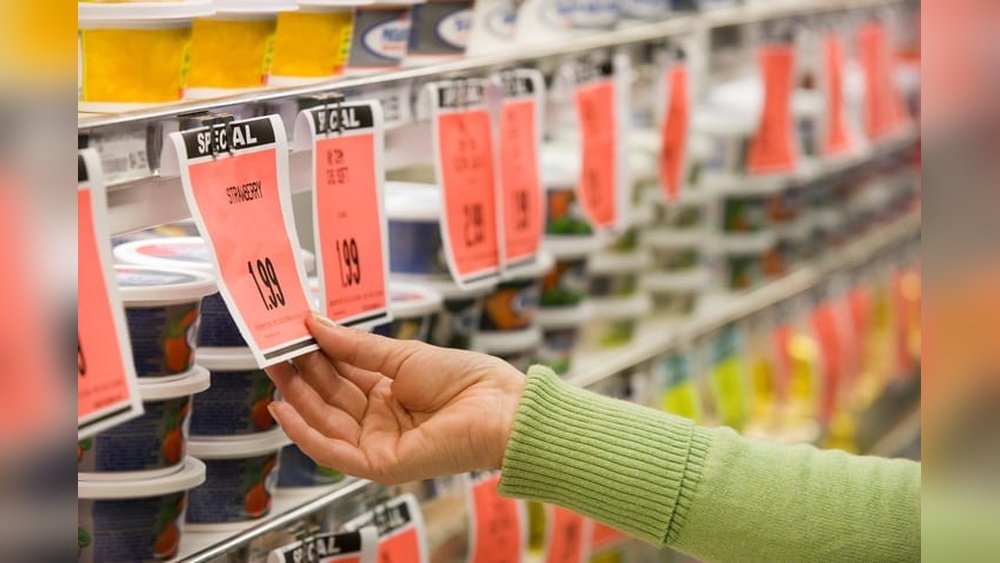
Are you tired of feeling confused every time you check product prices? You’re not alone.
Thank you for reading this post, don't forget to subscribe!Understanding why prices vary and how to find the best deals can save you money and stress. You’ll discover simple tips to decode product prices, so you can shop smarter and get more value for your money. Keep reading—you’ll learn secrets that retailers don’t want you to know!

Credit: www.productplan.com
Factors Influencing Product Prices
Product prices depend on many factors that businesses must consider. These factors help set a fair price. They also affect how customers perceive the product. Understanding these elements is key for sellers and buyers alike.
Prices reflect costs, demand, and competition. Each factor plays a role in the final price customers pay. Let’s explore some of the main influences on product prices.
Cost Of Production
The cost to make a product is a major price factor. This includes materials, labor, and overhead expenses. Higher costs usually mean higher prices for customers. Keeping production costs low helps businesses offer competitive prices.
Market Demand
Demand shows how many people want a product. High demand often raises prices. Low demand can lower prices to attract buyers. Businesses watch demand closely to adjust prices quickly.
Competition
Competitors’ prices influence a product’s price. If many sellers offer similar items, prices may drop. Unique products or strong brands can charge more. Competition keeps prices balanced in the market.
Brand Value
Strong brands can charge higher prices. Customers trust these brands and expect quality. This trust adds value beyond the product’s cost. Lesser-known brands may need to price lower to attract buyers.
Economic Conditions
Economic factors like inflation affect prices. Rising costs for raw materials increase product prices. Economic downturns may force sellers to lower prices. These changes impact what customers pay daily.
Supply Chain
Supply chain issues can raise prices. Delays or shortages increase costs for sellers. Efficient supply chains help keep prices stable. Disruptions often lead to price spikes.

Credit: betterproposals.io
Seasonal Trends And Price Fluctuations
Seasonal trends play a big role in how product prices change throughout the year. Many products have higher prices during busy seasons and lower prices in slow months. Understanding these patterns helps shoppers buy at the right time and save money.
Prices often rise before holidays or special events. Demand grows fast, so sellers increase prices. After the peak season, prices usually drop. This cycle repeats every year, affecting many types of products.
How Seasons Affect Product PricesWeather and holidays impact what people buy. Winter brings higher prices for heaters and warm clothes. Summer causes price jumps for air conditioners and outdoor gear. Each season changes demand, shifting prices up or down.
Why Prices Rise During Peak SeasonsMore shoppers create higher demand. Sellers raise prices to balance supply and demand. Stock may run low, pushing prices higher. Limited availability means buyers pay more.
When to Find the Best DealsShop after holidays or peak seasons for discounts. Retailers reduce prices to clear old stock. Off-season shopping often saves money. Patience can lead to big savings.
Products Most Affected by Seasonal FluctuationsClothing, electronics, and food prices change a lot with seasons. Seasonal foods cost less in harvest time. Fashion prices drop after seasons end. Electronics may go on sale during holidays.
Impact Of Supply And Demand
Product prices often change because of supply and demand. These two forces work together to set the price of goods. When demand grows or supply shrinks, prices usually rise. When supply increases or demand falls, prices tend to drop.
Understanding this balance helps explain why prices move up or down. It shows how markets react to buyers and sellers. Let’s explore how supply and demand impact product prices.
How Demand Affects Prices
Demand means how many people want a product. If many want the product but supply is low, prices rise. People compete to buy the item. Sellers can charge more because buyers want it.
On the other hand, if fewer people want the product, prices drop. Sellers lower prices to attract buyers. Demand changes with seasons, trends, and income.
Role Of Supply In Price Changes
Supply means how much of a product is available. When supply is high, prices usually fall. More products are for sale, so sellers lower prices to sell them.
When supply is low, prices rise. Shortages create competition among buyers. Sellers take advantage of the limited supply to charge more.
What Happens When Supply And Demand Shift
Sometimes supply and demand change at the same time. If demand grows and supply falls, prices go up fast. The product becomes rare and highly wanted.
If demand falls and supply grows, prices drop quickly. The market has too many products and fewer buyers. This balance keeps prices moving.
Role Of Discounts And Promotions
Discounts and promotions play a key role in product pricing. They attract customers and boost sales quickly. These offers help brands stand out in a crowded market.
Customers often watch for deals before buying. Discounts create a sense of urgency and value. Promotions can also reward loyal buyers and bring new ones.
Types Of Discounts
Common discounts include percentage off and fixed price cuts. Seasonal sales and clearance offers reduce prices temporarily. Bulk discounts encourage customers to buy more items.
Benefits Of Promotions
Promotions increase product visibility and customer interest. They help clear old stock and make room for new items. Special offers can also improve customer satisfaction and trust.
Impact On Consumer Behavior
Discounts influence buying decisions by lowering cost barriers. Shoppers feel they get extra value. Promotions can lead to repeat purchases and brand loyalty.
Comparison Shopping Techniques
Comparison shopping helps find the best price for any product. It saves money and ensures smart spending. Using a few simple techniques makes this process easy. These methods help spot good deals and avoid overpaying.
Use Price Comparison Websites
Price comparison websites gather prices from many stores. They show the lowest price quickly. Users can see product details and seller ratings. This saves time and effort in checking many shops.
Check Multiple Online Retailers
Visit several online stores to compare prices. Different shops may offer special discounts or free shipping. Some stores have flash sales or coupon codes. Checking many sites uncovers these hidden savings.
Read Customer Reviews And Ratings
Reviews reveal product quality and seller trustworthiness. Good ratings often mean a fair price for value. Poor reviews warn about low quality or hidden costs. Use reviews to decide if a price is fair.
Use Browser Extensions For Deals
Browser extensions show price history and coupons. They alert users to discounts available during checkout. Extensions help avoid paying full price unknowingly. This tool makes online shopping cheaper and smarter.
Compare Shipping Costs Separately
Shipping fees affect the total product price. A cheap item with high shipping may cost more. Check shipping costs before buying to find the best deal. Sometimes free shipping makes a higher price better.
Credit: www.inflowinventory.com
Using Technology To Track Prices
Technology helps track product prices easily and fast. It saves time and effort for buyers and sellers. With digital tools, price changes are clear and simple to follow.
Online tools collect data from many stores. They show the best price available. This helps customers find deals and avoid paying too much.
Price Comparison Websites
Price comparison websites list product prices from different sellers. Users see all prices in one place. This makes it easy to pick the cheapest option quickly.
Price Alert Apps
Price alert apps send notifications when prices drop. Users set desired price points. The app watches prices and alerts buyers to save money.
Browser Extensions For Price Tracking
Browser extensions track prices while browsing online stores. They highlight discounts and offer price histories. This helps buyers decide the right time to buy.
Data Analytics In Price Monitoring
Data analytics tools study pricing patterns over time. Businesses use this to adjust prices smartly. Shoppers can also spot trends and buy at low prices.
Negotiation Tips For Better Deals
Negotiating product prices can save you money. It helps you get better deals and value. Knowing some simple tips can boost your confidence while negotiating. These tips work for many types of products. They help you speak clearly and get fair prices.
Research Prices Before Negotiation
Check prices from different sellers. Compare costs online and in stores. Knowing the average price gives you a strong position. Sellers respect buyers who are informed. It shows you are serious and ready to negotiate.
Start With A Lower Offer
Begin with a price lower than what you want. This leaves room to agree on a fair deal. It does not offend sellers but opens discussion. Be polite and clear about your offer. This approach often leads to a better price.
Use Silence As A Tool
After making your offer, stay quiet. Silence can make sellers fill the gap with better deals. It shows patience and confidence. Avoid rushing to speak or accept the first price. Let the seller think about your offer.
Ask For Extras Or Discounts
Negotiate not just the price but extras. Request free delivery or additional accessories. Sellers may agree to extras instead of lowering price. This adds value without spending more money. Small benefits can improve the overall deal.
Be Ready To Walk Away
Show willingness to leave if price is too high. Sellers often lower prices to keep a sale. Walking away is a strong negotiation tactic. It signals you have other options. Sometimes, this simple act gets you a better deal.
Frequently Asked Questions
What Factors Influence Product Prices The Most?
Product prices depend on cost, demand, competition, and market trends. Production and shipping costs also play key roles.
How Do Discounts Affect Product Prices?
Discounts lower the original price to attract buyers. They help clear stock and increase sales quickly.
Why Do Product Prices Vary Between Stores?
Stores set prices based on their costs and target customers. Location and store size can also change prices.
How Can I Find The Best Product Prices Online?
Compare prices on different websites and check reviews. Use price comparison tools for quick results.
What Role Does Supply And Demand Play In Pricing?
High demand and low supply usually raise prices. When supply is high and demand is low, prices drop.
Are Product Prices Higher During Holidays?
Prices can go up due to increased demand in holiday seasons. Sellers may also offer deals to attract buyers.
How Does Product Quality Affect Its Price?
Higher quality products often cost more because better materials and work are used. Quality can justify a higher price.
Conclusion
Pricing affects what customers choose and how they feel about products. Good prices match product value and customer needs. Prices change with demand, costs, and competition. Smart buyers compare prices before they buy. Sellers watch prices to stay fair and competitive.
Understanding product prices helps everyone make better choices. It keeps the market healthy and balanced. Simple and clear pricing builds trust between sellers and buyers. This knowledge helps both save money and find good deals.
