
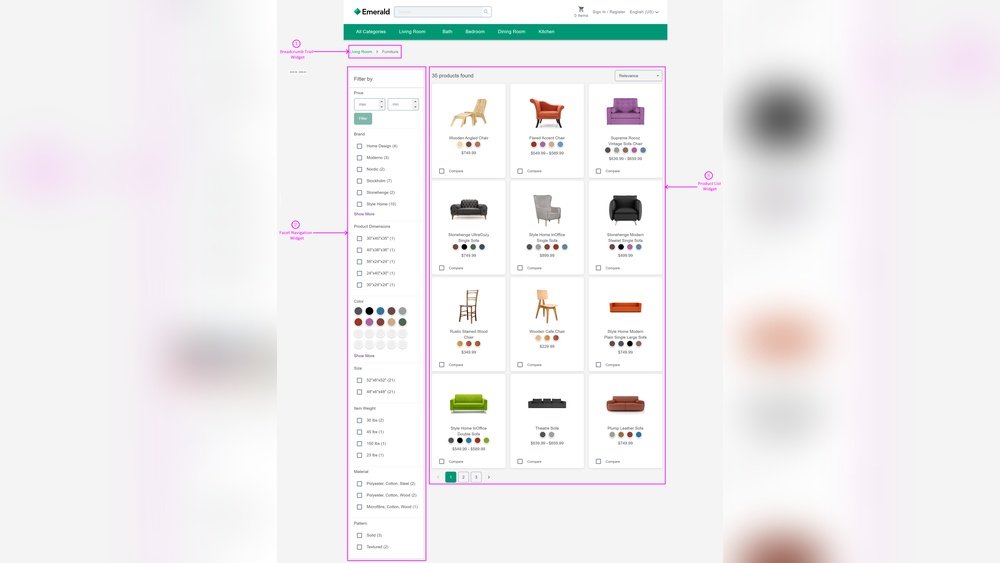
Are you looking for the perfect way to organize your shopping or business needs? A well-crafted product list can make all the difference.
Thank you for reading this post, don't forget to subscribe!It helps you keep track of what you want, compare options easily, and save time and money. You’ll discover how to create a product list that works for you—simple, clear, and effective. By the end, you’ll feel confident managing your purchases like a pro.
Ready to make your life easier? Let’s dive in!
Choosing The Right Products
Choosing the right products is key to success in any business. The products you select affect your sales and customer satisfaction. Picking products without research can lead to wasted time and money. Focus on products that meet customer needs and have good profit potential. Take time to study the market and your audience before deciding.
Analyzing Market Demand
Market demand shows how many people want a product. High demand means more buyers and better sales. Use tools like Google Trends to see what products are popular. Check online stores to find bestsellers in your category. Watch social media for trending items. Avoid products with low or no demand. Demand analysis helps you avoid products no one wants.
Identifying Profitable Niches
A niche is a small market segment with specific needs. Profitable niches have less competition and loyal customers. Find niches by combining your interests and market gaps. Look for products that solve problems or offer unique benefits. Check profit margins to ensure the niche can make money. Narrow niches allow targeted marketing and better customer focus. Choose niches where you can stand out easily.
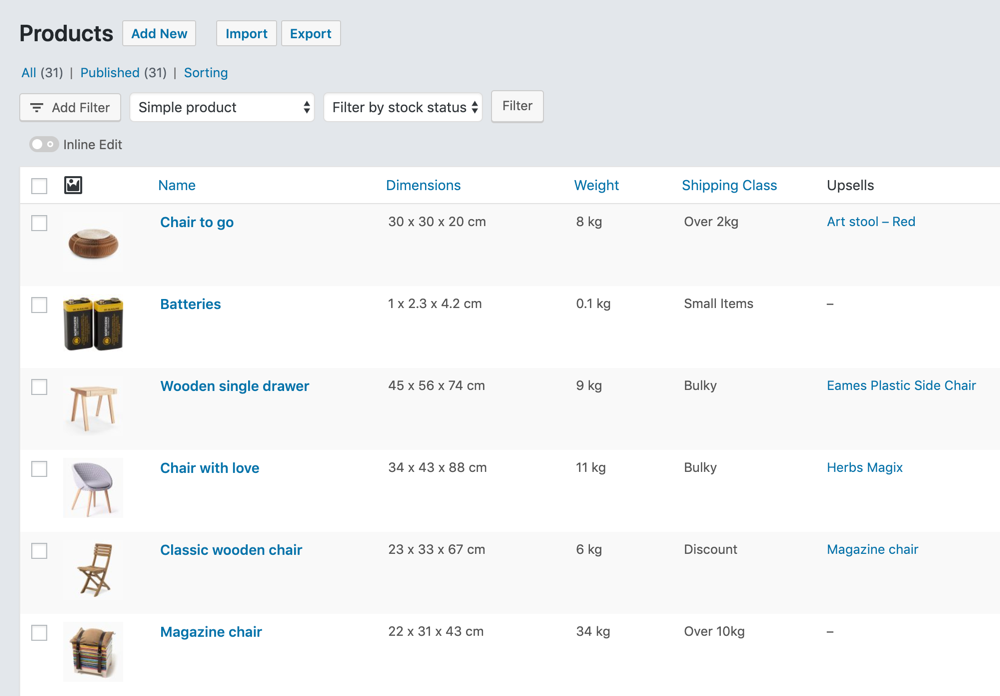
Credit: www.admincolumns.com
Crafting Compelling Product Descriptions
Crafting compelling product descriptions is key to making your products stand out. Clear and engaging descriptions help customers understand what your product is and why it matters. Good descriptions can turn visitors into buyers by answering their questions fast. Keep descriptions simple and focused on what the customer needs. Show how the product solves a problem or adds value.
Using Persuasive Language
Choose words that inspire trust and interest. Use action verbs to create energy. Talk directly to the reader with “you” and “your.” Avoid jargon or complex terms. Simple words work better for wider audiences. Make the reader imagine using the product. Show confidence in the product’s quality and usefulness.
Highlighting Key Features And Benefits
Focus on the most important features first. Explain how these features help the customer. Benefits show the real value, not just the specs. For example, say “keeps drinks cold for 12 hours,” not just “insulated bottle.” Use bullet points for easy reading. Clear benefits help customers decide quickly and easily.
Optimizing Product Images
Optimizing product images is essential for any product list. Clear, appealing images help customers see what they buy. Good images build trust and encourage clicks. They make the shopping experience better and increase sales.
High-quality Visuals
Use sharp, clear images that show the product well. Avoid blurry or pixelated photos. Show the product from different angles. Use natural lighting to highlight details. High-quality visuals create a professional look. They help customers understand the product better.
Consistency And Branding
Keep your product images uniform in style and size. Use the same background color or setting. Consistent images make your store look organized. Add your logo subtly to reinforce your brand. Consistency helps customers recognize your products easily. It strengthens your brand identity.
Pricing Strategies That Convert
Pricing strategies play a key role in turning visitors into buyers. Good pricing draws attention and builds trust. It matches customer expectations with product value. Pricing well helps increase sales and keeps customers happy.
Choosing the right approach can make your product list more appealing. Clear and fair prices encourage people to buy quickly. Let’s explore two effective pricing methods that convert well.
Competitive Pricing Models
Competitive pricing sets your prices based on market rates. Check what others charge for similar products. Match or slightly beat those prices to attract buyers. This strategy keeps your prices fair and attractive.
Competitive pricing works best in crowded markets. It helps customers compare easily and choose your product. Avoid setting prices too low or too high. Find a balance that shows good value.
Discounts And Bundling
Discounts catch attention and create urgency. Offer limited-time sales or percentage-off deals. Customers feel they get more for less. This encourages faster buying decisions.
Bundling combines several products at a special price. It increases the average order value. Customers enjoy the convenience and savings. Bundles work well to promote related products together.
Leveraging Customer Reviews
Customer reviews are powerful tools for any product list. They build trust and help buyers make smart choices. Reviews show real opinions and experiences from other customers. This makes products more believable and appealing.
Using customer reviews wisely can boost your product’s visibility. Reviews also improve search engine ranking. They add fresh content to your page regularly. This attracts more visitors and keeps them engaged longer.
Encouraging Feedback
Ask customers to leave reviews after buying. Make it easy with simple forms or emails. Offer gentle reminders without pressure. Positive or negative, all feedback helps improve your products. Customers feel valued when their voice is heard.
Showcasing Testimonials
Display the best reviews prominently on your product page. Use clear, honest testimonials with customer names and photos if possible. Highlight specific benefits and real results. This creates a personal connection and builds confidence. Genuine stories help visitors trust your brand quickly.
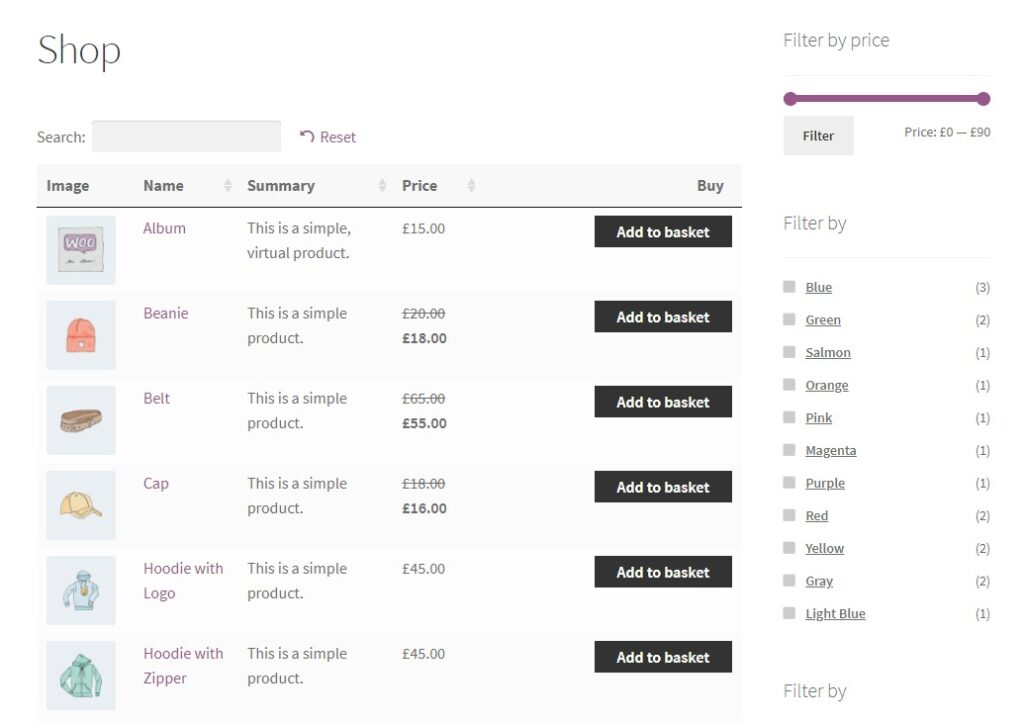
Credit: iconicwp.com
Promoting Your Product List
Promoting your product list is key to growing your sales and reaching more customers. You need clear strategies to share your products with the right people. Focus on channels where your audience spends time. This helps you get noticed and builds trust. Use simple, strong messages to show why your products matter.
Social Media Campaigns
Social media is a powerful tool to promote products. Share images and short videos to catch attention. Post regularly but keep messages clear and direct. Use stories or live sessions to show products in use. Engage with followers by answering questions and comments. Target ads to reach specific groups who want your products. This saves money and improves results.
Email Marketing Tactics
Email marketing helps keep your audience informed and interested. Send newsletters with product updates and special offers. Personalize emails by using the recipient’s name and preferences. Keep emails short and easy to read on any device. Add clear calls to action like “Shop Now” or “Learn More.” Test different subject lines to increase open rates. Track results to improve future emails.
Tracking And Improving Sales Performance
Tracking and improving sales performance is key for any product list. It helps you see which products sell well and which do not. This insight lets you make smart changes to boost sales. Monitoring sales regularly keeps your business healthy. It also helps find problems early and fix them fast.
Analyzing Sales Data
Sales data shows how each product performs. Look at total sales, units sold, and customer feedback. Compare products over different times to spot trends. Use simple charts or tables for clear views. Data reveals your best and worst sellers. It also shows seasonal changes or market shifts.
Implementing Continuous Improvements
Use sales data to guide product changes. Adjust prices, update descriptions, or improve images. Test new marketing ideas based on insights. Track changes to see their effect on sales. Keep refining your product list step by step. Small improvements add up to better results.

Credit: dribbble.com
Frequently Asked Questions
What Is Included In A Typical Product List?
A product list shows all items a company sells. It helps customers see choices quickly and easily.
How Can A Product List Improve Shopping Experience?
A clear product list saves time by showing all options. It helps buyers find what they want fast.
Why Organize Products By Categories In A Product List?
Categories group similar items together. This makes searching easier and helps users find products without confusion.
How Often Should A Product List Be Updated?
Update regularly to keep information accurate. Frequent updates show new products and remove old or unavailable ones.
What Details Should Be In A Product List?
Include product name, price, and key features. Clear details help customers make smart buying decisions.
Can A Product List Boost Sales For Businesses?
Yes, a well-made list guides buyers to products. It can increase sales by making choices simple and clear.
How To Make A Product List User-friendly?
Use simple words and clear layout. Add pictures and organize by categories for easy browsing.
Conclusion
Choosing the right products can be simple with a clear list. This guide helps you compare options quickly. You save time and avoid confusion. Each item suits different needs and budgets. Keep this list handy when shopping next time. It makes decisions easier and smarter.
Trust your choice by using the right information. Happy shopping!
