
If you’ve ever bought clothes, electronics, or even small gifts, you’ve probably come across a polybag. But what exactly is a polybag, and why is it so important for your products?
Thank you for reading this post, don't forget to subscribe!Understanding how polybags work can save you money, protect your items better, and even boost your brand’s appeal. Keep reading to discover the simple secrets behind polybags and how they can make a big difference for you.
Benefits Of Polybags
Polybags are simple, yet very useful. They serve many purposes in daily life and business. Their benefits make them popular worldwide. Let’s explore why polybags are a smart choice.
Durability And Strength
Polybags are strong and can hold heavy items. They resist tears and punctures better than paper bags. This makes them reliable for carrying goods safely. Their durability helps protect products from damage.
Cost-effective Packaging
Polybags cost less than many other packaging options. They are affordable for businesses of all sizes. Using polybags helps save money on packing materials. This makes them an economical choice.
Lightweight And Space-saving
Polybags are very light and take up little space. They reduce shipping weight, lowering transportation costs. Storing polybags requires less room than boxes or containers. This adds convenience in handling and storage.
Water And Dust Resistance
Polybags protect items from water and dust. They keep products clean and dry during transit. This quality helps maintain product quality and appearance. It is especially useful for food and electronics.
Versatile Uses
Polybags come in many sizes and shapes. They fit various products, from clothes to small parts. This makes them useful for many industries. Their flexibility meets different packaging needs easily.
Common Uses Of Polybags
Polybags are simple plastic bags used in many ways every day. They protect items from dust, dirt, and moisture. These bags come in different sizes and thicknesses. Their light weight and flexibility make them popular worldwide.
People use polybags in homes, shops, and industries. They help keep things clean and organized. Their clear design lets users see what’s inside without opening the bag.
Packaging Small Products
Polybags are ideal for packing small items like buttons, screws, and beads. Shops use them to keep products neat and easy to handle. Customers can check products without removing the bag.
Food Storage
Many people store snacks, fruits, and vegetables in polybags. The bags protect food from air and moisture. This helps food stay fresh longer.
Document Protection
Important papers and documents stay safe inside polybags. They stop water and dirt from damaging papers. Offices and schools often use these bags for this purpose.
Clothing And Textile Packaging
Polybags keep clothes clean during shipping and storage. Factories pack garments in these bags to avoid dust. They also help keep clothes wrinkle-free.
Organizing Household Items
Many use polybags to sort small household items. Toys, craft supplies, and cables are easier to find when stored in bags. It keeps rooms tidy and clutter-free.
Materials Used In Polybags
Polybags are popular for packaging due to their light weight and strength. The materials used in making polybags affect their quality, use, and environmental impact. Understanding these materials helps in choosing the right polybag for your needs.
Most polybags come from different types of plastic. Each type has unique features. These plastics can be clear, colored, thick, or thin. Knowing the material helps you select bags that protect goods well.
Low-Density Polyethylene (LDPE)LDPE is soft and flexible. It resists moisture and chemicals. These bags are clear and easy to seal. They work well for food packaging and lightweight items.
High-Density Polyethylene (HDPE)HDPE is tougher and more rigid than LDPE. It handles heavier loads without tearing. These bags are often used for groceries and retail packaging. They have a shiny surface and are less flexible.
Linear Low-Density Polyethylene (LLDPE)LLDPE combines strength with flexibility. It stretches more without breaking. This plastic is common in stretch films and bags that need extra toughness. It is clear and smooth to touch.
Polypropylene (PP)Polypropylene is strong and heat-resistant. It can hold sharp or heavy items safely. These bags often have a glossy finish. They are used for packaging clothes and small parts.
Biodegradable PlasticsBiodegradable polybags break down faster in nature. They reduce plastic waste. These bags are made from plant-based materials or special additives. They are good for eco-friendly packaging choices.
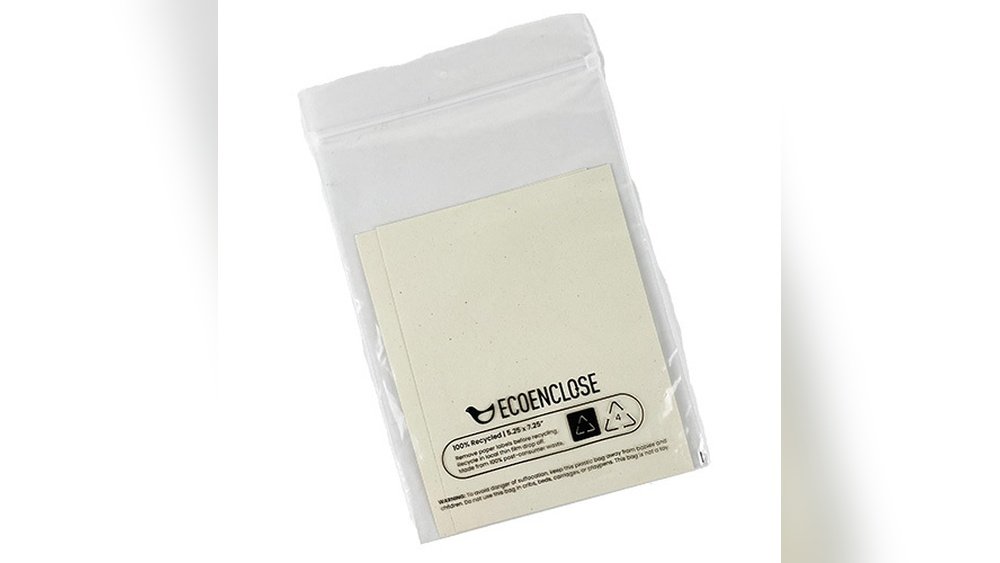
Credit: www.ecoenclose.com
Polybag Sizes And Designs
Polybags come in many sizes and designs. They suit different needs and products. Choosing the right size and design helps protect items well. It also makes packaging easier and neater.
Small polybags hold tiny items like jewelry or screws. Large polybags fit bulky items such as clothes or pillows. Medium sizes suit books, electronics, and food packaging. Many sizes are available to match product dimensions.
Designs vary by use and style. Clear polybags show the product inside. Printed polybags add brand names and logos. Some have zip locks for easy closing. Others have perforations for ventilation. Designs focus on safety, convenience, and presentation.
Common Polybag Sizes
Small bags often measure 2 x 3 inches. Medium sizes range from 6 x 9 to 12 x 15 inches. Large bags can be 18 x 24 inches or bigger. Custom sizes are also available for special needs.
Types Of Polybag Designs
Clear polybags offer full visibility of contents. Printed bags help with branding and marketing. Zip lock bags allow repeated opening and closing. Gusseted bags expand to fit thicker items. Perforated bags help air flow and prevent moisture.
Choosing The Right Size And Design
Measure the product before picking a bag. Allow extra space for easy packing. Select designs that protect and display well. Match bag type to product weight and shape. Consider ease of use for customers.
Environmental Impact Of Polybags
Polybags are widely used for packaging and storage. Their environmental impact is a big concern. These bags are made from plastic, which affects nature in several ways. Understanding these effects helps us make better choices for the planet.
Environmental Pollution From Polybags
Polybags often end up as litter. They do not break down quickly. Plastic can stay in soil and water for hundreds of years. This pollution harms animals and plants. Birds and fish can mistake plastic for food. This causes injury or death.
Waste Management Challenges
Many polybags are not recycled. They fill landfills and take space. Burning polybags releases toxic gases. These gases pollute the air and harm health. Proper disposal is difficult and costly.
Impact On Wildlife
Wildlife faces many dangers from polybags. Animals can get trapped or choke on plastic. This reduces their numbers and affects ecosystems. Plastic pieces break into microplastics, which enter food chains.
Contribution To Climate Change
Making polybags uses fossil fuels. This process releases greenhouse gases. These gases trap heat in the atmosphere. More polybag production means more carbon emissions. This adds to global warming problems.
Eco-friendly Alternatives
Plastic polybags cause harm to the environment. They take hundreds of years to break down. Many people now choose eco-friendly alternatives. These options reduce pollution and save resources. They help protect animals and nature.
Eco-friendly alternatives are made from natural or recycled materials. They often break down faster or can be reused many times. These choices are better for daily use and for the planet.
Biodegradable Polybags
Biodegradable polybags break down quickly in soil or water. They are made from plant-based materials like corn starch. These bags leave no harmful residue behind. They help reduce plastic waste in landfills.
Reusable Cloth Bags
Cloth bags can be used many times. They are often made from cotton or jute. These bags are strong and washable. Using cloth bags lowers the need for single-use plastics.
Recycled Plastic Bags
Recycled plastic bags use old plastic materials. They save energy and reduce new plastic production. These bags help keep plastic waste out of nature. They look and work like regular polybags.
Compostable Bags
Compostable bags break down in compost piles. They turn into natural fertilizer for soil. These bags support healthy plant growth. They do not release toxins or microplastics.
Tips For Sustainable Polybag Use
Polybags are common in packaging but can harm the environment. Using them wisely helps reduce waste and pollution. Small changes make a big difference in sustainability.
Simple habits can extend polybag life and cut down on plastic use. Everyone can take part in protecting nature through smart polybag use.
Reuse Polybags Whenever Possible
Keep polybags after opening packages. Use them to store items or protect goods from dust and moisture. Reusing reduces the need for new plastic bags.
Choose Biodegradable Or Recycled Polybags
Select polybags made from recycled materials. Biodegradable options break down faster in the environment. These choices lower the impact on landfills and oceans.
Recycle Polybags Correctly
Check local recycling rules for polybags. Clean and dry bags recycle better and avoid contamination. Proper recycling helps turn plastic waste into new products.
Limit Single-use Polybag Consumption
Buy items without extra plastic wrapping. Bring your own bags for shopping and storage. Reducing single-use bags cuts plastic pollution at its source.
Support Brands Using Eco-friendly Packaging
Choose companies that use sustainable packaging materials. This encourages more businesses to adopt green practices. Your choices influence the market toward better products.

Credit: trellis.net

Credit: www.youtube.com
Frequently Asked Questions
What Is A Polybag Used For In Packaging?
A polybag is a plastic bag used to hold and protect items. It keeps products clean, dry, and safe during shipping or storage.
How Are Polybags Made From Plastic Materials?
Polybags are made by melting plastic pellets and forming thin sheets. These sheets are then cut and sealed into bags.
What Sizes Do Polybags Typically Come In?
Polybags come in many sizes, from small pouches to large bags. Size depends on the product they need to hold.
Can Polybags Be Recycled Or Are They Harmful?
Most polybags are recyclable but must be disposed of properly. Recycling helps reduce plastic waste and protect the environment.
Are Polybags Waterproof And Suitable For Outdoor Use?
Yes, polybags are waterproof and protect items from moisture. They are often used for outdoor storage and shipping.
What Industries Commonly Use Polybags For Packaging?
Retail, food, electronics, and apparel industries use polybags. They are popular for their low cost and protective qualities.
How Do Polybags Compare To Paper Bags For Packaging?
Polybags are stronger and water-resistant, unlike paper bags. They offer better protection but are less eco-friendly unless recycled.
Conclusion
Polybags offer simple and effective packaging solutions for many needs. They protect items from dust, moisture, and damage during transport. Businesses and individuals use them daily for storage and shipping. Choosing the right polybag size and type can save time and money.
Their lightweight nature also helps reduce shipping costs. Overall, polybags remain a practical choice for safe, easy packaging. Small but useful. Easy to handle. A smart way to keep things secure.
