
Are you looking for the perfect way to showcase your product? A paperbox sample can be the key to making a great first impression.
Thank you for reading this post, don't forget to subscribe!When you hold a well-designed paperbox in your hands, you instantly feel the quality and care behind the brand. Imagine giving your customers that exact experience before they even open the box. You’ll discover why paperbox samples matter, how they can boost your sales, and what to look for when choosing the right sample for your needs.
Keep reading to unlock the secret to packaging that truly connects with your audience.
Credit: www.thepaperbox.co.uk
Benefits Of Custom Packaging
Custom packaging offers many benefits for brands and customers. It helps products stand out on store shelves and online. Unique designs can attract more buyers and build brand trust.
Packaging tailored to a product keeps it safe during shipping. It also improves the unboxing experience, making customers happy and more likely to return. Custom packaging shows care and attention to detail.
Enhanced Brand Recognition
Custom packaging uses logos, colors, and fonts that match the brand. This makes products easy to recognize. Consistent packaging helps customers remember the brand better.
Better Product Protection
Packaging designed for specific products reduces damage risks. It fits the product perfectly, avoiding movement inside the box. Strong materials keep items safe during transport.
Improved Customer Experience
Unique packaging creates excitement when customers open it. Clear labels and instructions make the product easier to use. A good experience encourages repeat purchases.
Cost Efficiency
Custom packaging can reduce waste by using the right size and materials. This lowers shipping costs and environmental impact. Efficient packaging saves money over time.
Credit: all-free-download.com
Materials Used In Paperbox Samples
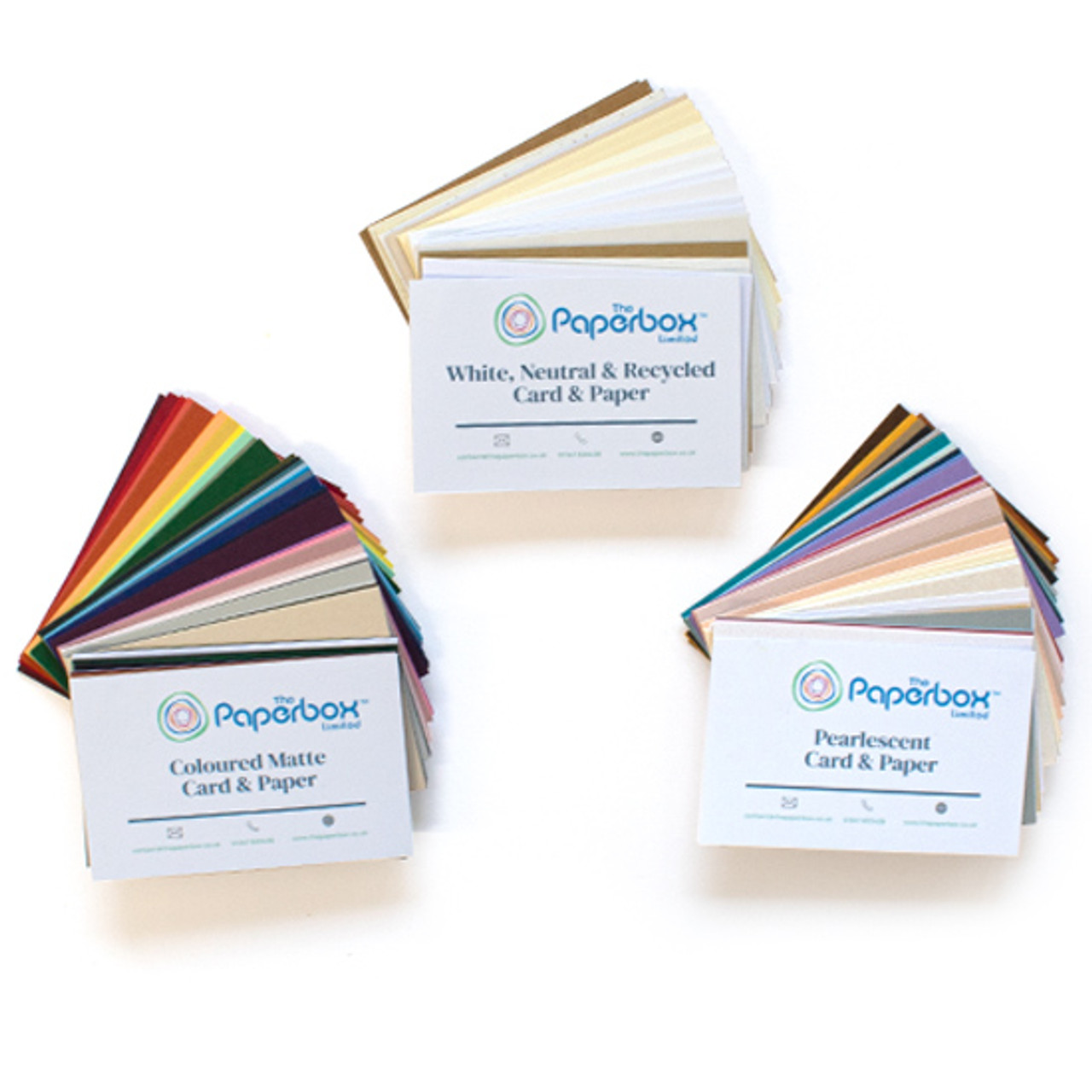
Paperbox samples use different materials to show how the final product will look and feel. These materials affect the box’s strength, texture, and appearance. Choosing the right material helps businesses decide the best packaging for their products.
Materials vary from simple paper to more complex cardboards. Each type offers unique benefits. Some materials provide extra durability, while others focus on visual appeal.
Kraft PaperKraft paper is strong and eco-friendly. It has a natural brown color. Many brands use it for a rustic, organic look. Kraft paper is easy to print on and recycle.
CardboardCardboard is thicker and more durable than paper. It protects products during shipping. Cardboard can be coated or uncoated, giving different finishes. It is popular for retail packaging.
Corrugated FiberboardCorrugated fiberboard has layers of paper with a wavy middle layer. This design adds strength and cushioning. It is common for shipping boxes. The material is lightweight but tough.
Coated PaperCoated paper has a smooth surface with a shiny or matte finish. It helps colors appear bright and sharp. This material is good for high-quality printing. It gives the box a premium look.
Recycled PaperRecycled paper uses old paper fibers to create new sheets. It reduces waste and saves trees. This material appeals to eco-conscious customers. Recycled paper can be kraft or coated.
Design Options For Paperboxes
Paperboxes come in many design options to fit different needs. They can be simple or fancy. The right design helps protect the product and catch the eye.
Choosing the right design can make a big difference. It affects how the product looks and how easy it is to use. Designs also show the brand’s style clearly.
Custom Shapes And Sizes
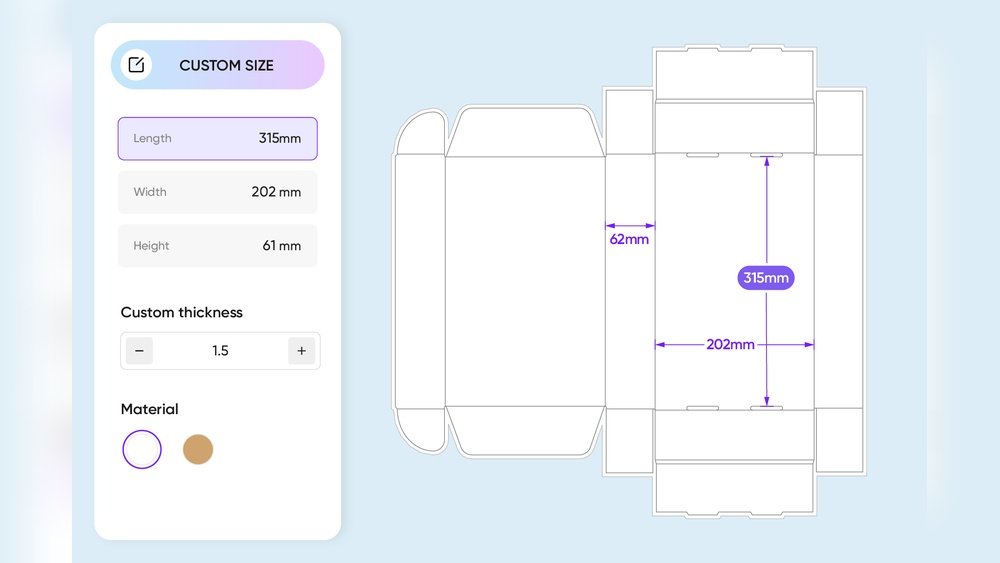
Paperboxes can be made in many shapes. Square, rectangle, or unique shapes are possible. Sizes can fit small or large items. Custom shapes help products stand out on shelves.
Color And Print Options
Colors can match the brand or product theme. Printing can include logos, patterns, or text. Bright colors attract attention. Soft colors give a calm look. High-quality printing improves box appeal.
Material Choices
Paperboxes use different materials like kraft, cardboard, or coated paper. Some materials are strong, others light. Eco-friendly options are popular. The choice affects box durability and feel.
Finish Styles
Box finishes include matte, glossy, or soft-touch. Matte looks smooth and modern. Glossy shines and looks bright. Soft-touch gives a velvety feel. Finishes add to the box’s look and touch.
Window And Cutout Designs
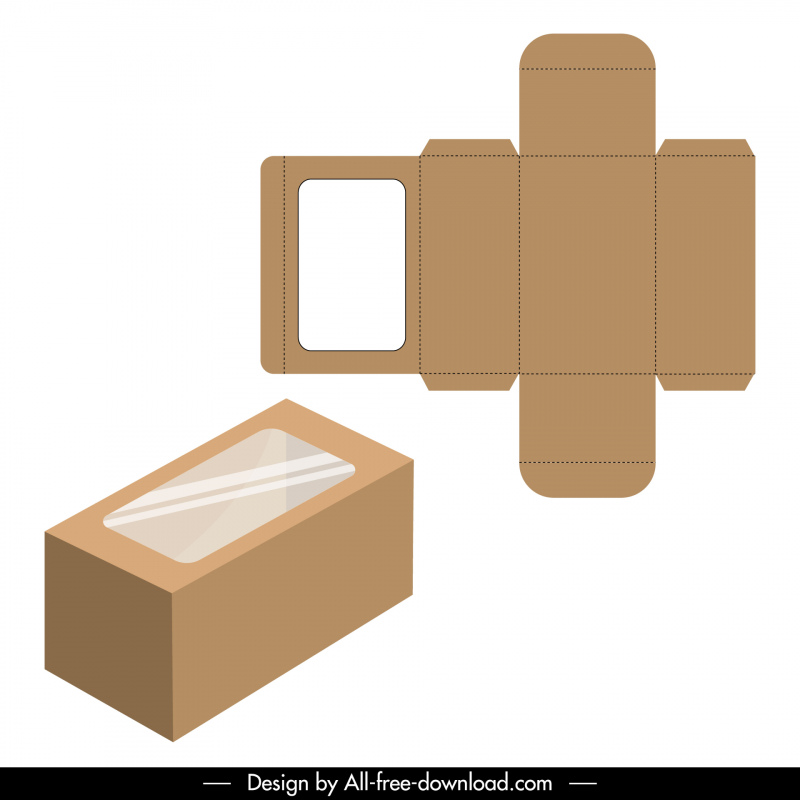
Windows show the product inside. Cutouts create interesting shapes or logos. These add curiosity and let customers see the product before buying. They also add a unique style to the box.
Printing Techniques For Packaging
Printing techniques play a big role in packaging design. They affect how the package looks and feels. Good printing makes products stand out on shelves. It also helps brands share their story clearly.
Choosing the right printing method depends on the product type and budget. Different techniques offer unique effects and finishes. Some are best for small runs, others for large orders.
Offset Printing
Offset printing is a popular choice for packaging. It uses plates to transfer ink onto paper or cardboard. This method gives sharp, clean images with rich colors. It works well for large print runs and detailed designs.
Digital Printing
Digital printing is fast and flexible. It prints directly from digital files without plates. This technique suits short runs and custom designs. It allows easy changes and quick turnaround times.
Flexographic Printing
Flexographic printing uses flexible plates and fast-drying inks. It works well on many materials, including plastic and foil. This method is common for food packaging and labels. It is cost-effective for large volumes.
Screen Printing
Screen printing pushes ink through a mesh screen onto the surface. It creates vibrant colors and thick ink layers. This technique is great for bold designs and special effects. It works on various materials like paper, plastic, and fabric.
Hot Stamping
Hot stamping adds metallic foil or colors using heat and pressure. It gives a shiny, luxurious look to packaging. This method highlights logos or special features. It is often used for premium products.
Sustainability In Custom Packaging
Sustainability in custom packaging is more important than ever. Companies want to reduce waste and protect the environment. Custom packaging that uses eco-friendly materials helps lower pollution. It also shows a brand cares about the planet and its customers.
Paperbox Sample offers sustainable packaging options that meet these goals. Their products use recycled and biodegradable materials. This approach supports a cleaner environment and reduces landfill waste. Sustainable packaging also helps brands stand out in a crowded market.
Sustainable Materials In Custom Packaging
Paperbox Sample uses paper and cardboard from recycled sources. These materials break down easily after use. They avoid plastics that harm oceans and wildlife. Choosing natural fibers helps keep the earth clean. Sustainable materials also reduce the need for new resources.
Eco-friendly Printing And Inks
Ink can impact the environment too. Paperbox Sample uses water-based and soy-based inks. These inks have fewer harmful chemicals. They dry faster and create less waste. Eco-friendly printing keeps packaging safe for recycling. It also lowers the carbon footprint of each package.
Designing For Minimal Waste
Smart design reduces packaging size and material use. Paperbox Sample creates custom fits to avoid extra space. Less material means less waste and fewer resources. Compact designs save shipping costs and energy. Efficient packaging supports sustainability goals for every business.
Choosing The Right Paperbox Sample
Choosing the right paperbox sample matters. It helps you see the quality before you buy. A good sample shows the texture, color, and strength of the box. This makes it easier to decide if the box fits your needs.
Samples save time and money by preventing mistakes. They also help you find the best design and size for your product. Focus on key points to pick the best paperbox sample.
Consider The Material Type
Paperboxes come in many materials like kraft, cardboard, or coated paper. Each type has different strength and look. Choose a material that matches your product’s weight and style. Feel the sample to check the texture and thickness.
Check The Size And Shape
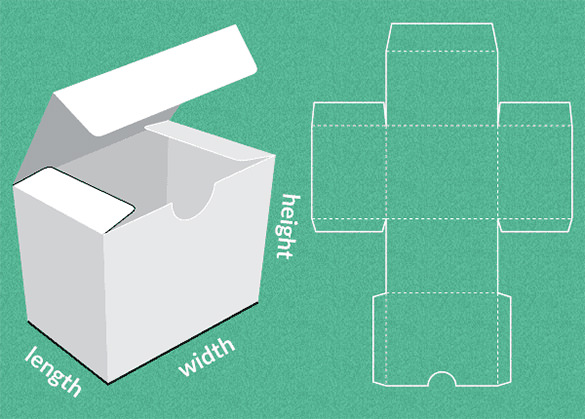
Size matters for packaging. The sample should fit your product perfectly. Look at the shape and dimensions. Make sure it is easy to use and store. Try folding or opening the sample to see how it works.
Examine The Print Quality
Good print quality makes your box look professional. Check the colors on the sample. See if the text and images are clear. Low-quality print can hurt your brand’s image. Use the sample to judge the final look.
Test Durability And Strength
Your box must protect the product well. Press and bend the sample to test strength. A weak box can break during shipping. Choose a sample that feels solid and secure. This ensures your product stays safe.
Evaluate Environmental Impact
Many buyers want eco-friendly packaging. Ask if the sample uses recycled or recyclable materials. Biodegradable paperboxes reduce waste. Choose samples that support your green goals. This attracts customers who care about nature.
Cost Factors And Budgeting
Understanding the cost factors of Paperbox Sample helps plan your budget well. Costs vary depending on several key elements. Knowing these can avoid surprises and keep spending on track.
Budgeting for Paperbox Sample means balancing quality and cost. You want good materials without spending too much. Careful planning makes this possible.
Material Choices And Their Impact On Cost
Paper quality affects the price significantly. Thicker or specialty paper costs more than standard options. Color printing also adds to the expense. Simple designs keep material costs low.
Design Complexity And Production Expenses
Complex designs take more time and resources. This raises production costs. Custom shapes or embossing also increase expenses. Basic layouts help reduce these charges.
Order Quantity And Bulk Discounts
Larger orders lower the cost per unit. Bulk discounts often apply for big quantities. Small runs cost more per box. Plan your order size to fit your budget.
Shipping And Delivery Considerations
Shipping fees add to total costs. Distance and speed affect charges. Choosing standard shipping saves money. Factor delivery costs into your budget early.
Additional Services And Their Costs
Extras like sample customization add fees. Proofing and revisions may increase expenses. Some services come with fixed prices. Check all options before finalizing your budget.
Credit: www.template.net
Frequently Asked Questions
What Is A Paperbox Sample Used For?
A paperbox sample shows the design and quality of a box. It helps buyers see how the final product will look. Samples reduce mistakes before bulk production.
How Can I Request A Paperbox Sample?
You can request a paperbox sample by contacting the manufacturer or supplier. Many offer samples online or by email. Some may charge a small fee for shipping.
Why Are Paperbox Samples Important For Businesses?
Samples let businesses check the box’s material and print quality. They ensure the packaging fits the product well. This helps avoid costly errors in large orders.
What Details Are Included In A Paperbox Sample?
A sample includes the box’s size, shape, color, and print design. It shows the type of paper and finishing used. This helps clients approve the final look.
How Long Does It Take To Receive A Paperbox Sample?
Delivery time varies but usually takes 3 to 10 days. It depends on the supplier’s location and shipping method. Some suppliers offer faster options for urgent needs.
Can I Customize My Paperbox Sample Design?
Yes, most suppliers allow custom designs for paperbox samples. You can add logos, colors, and text. Custom samples help match your brand style.
What Materials Are Used In Paperbox Samples?
Common materials include cardboard, kraft paper, and corrugated paper. These materials offer strength and good print quality. Choice depends on product type and budget.
Conclusion
Paperbox samples help you see and feel the product before buying. They save time and reduce risks. You get a clear idea of quality and design. This makes choosing the right paperbox easier and smarter. Always ask for samples to make sure the product fits your needs.
Try different options to find what works best. Small steps lead to better decisions. Paperbox samples are a simple way to shop with confidence.
