
Have you ever stopped to think about the simple paper bag you use every day? It might seem ordinary, but it holds a surprising power to change how you shop, carry, and even protect the environment.
Thank you for reading this post, don't forget to subscribe!Imagine a small switch that can make your life easier and help the planet at the same time. You’ll discover why paper bags are more than just carriers—they’re a smart, eco-friendly choice that fits perfectly into your daily routine. Keep reading to find out how this humble item can make a big difference for you and the world around you.
Rise Of Paper Bags
Paper bags have become very popular in recent years. People want safer choices for the environment. Plastic bags cause many problems for nature. Paper bags offer a cleaner, better option.
Stores and customers both use paper bags more often now. This change helps reduce plastic waste. Paper bags break down faster and do not harm animals.
Environmental Benefits Of Paper Bags
Paper bags come from trees, a natural source. They decompose quickly after use. This helps keep land and water clean. Animals are less likely to get hurt by paper bags.
Using paper bags lowers plastic pollution. They can be recycled and made again. This reduces trash in landfills and oceans.
Growing Consumer Awareness
More people know about plastic pollution now. They want to choose eco-friendly products. Paper bags fit this need well. Buyers feel good using bags that help the planet.
Education and campaigns show the harm of plastics. This pushes stores to offer paper bags. Customers ask for better choices for daily use.
Government Regulations Supporting Paper Bags
Many countries limit or ban plastic bags. This law pushes businesses to switch. Paper bags become the common alternative. These rules aim to protect the environment.
Fines and fees for plastic bags increase paper bag use. Governments support recycling and eco-friendly products. This helps create a cleaner, safer world.
Credit: www.walmart.com
Environmental Benefits
Paper bags offer many environmental benefits. They help reduce pollution and waste. Using paper bags supports a cleaner planet for future generations.
Many people choose paper bags to protect nature. These bags break down faster than plastic. They cause less harm to animals and plants.
Biodegradable And Compostable
Paper bags decompose naturally in a short time. They turn into organic matter without leaving toxins. Composting paper bags enriches soil and supports plant growth.
Reduced Plastic Waste
Switching to paper bags lowers plastic pollution in oceans and landfills. Plastic bags take hundreds of years to disappear. Paper bags ease the burden on waste systems.
Renewable Resource
Paper bags come from trees, a renewable resource. Forests can be replanted and managed responsibly. Using paper helps promote sustainable forestry practices.
Materials And Manufacturing
Paper bags are popular for their eco-friendly nature and simple design. The materials and manufacturing process play a big role in their strength and look. Understanding these details helps appreciate why paper bags are a smart choice.
Types Of Paper Used
Most paper bags use kraft paper. It is strong and made from wood pulp. This paper can hold weight and resist tearing. Some bags use recycled paper to save trees and energy. The thickness of the paper changes how durable the bag will be.
Manufacturing Process
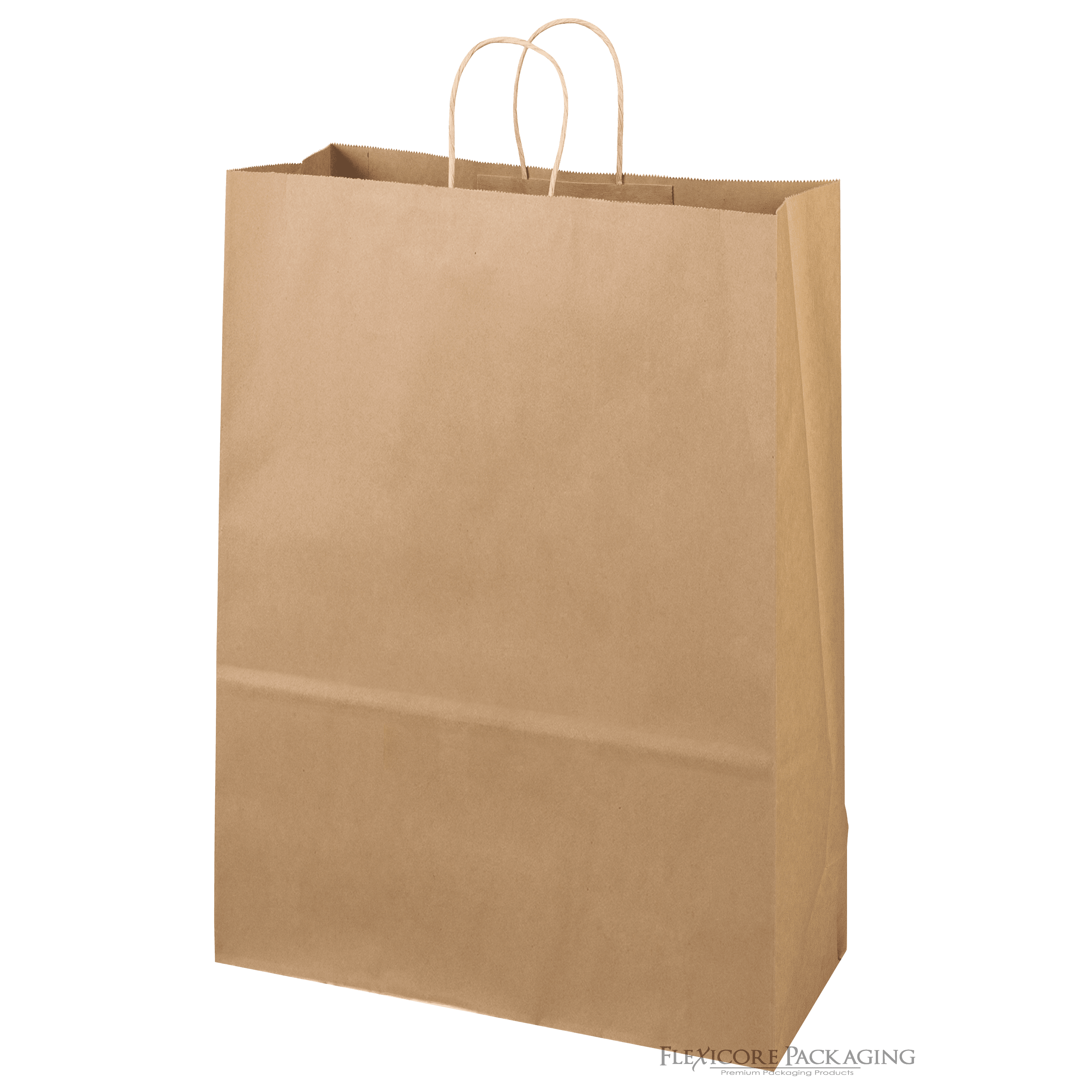
The process starts with cutting paper sheets to size. Then, machines fold and glue the paper into bags. Handles are added next, either made from twisted paper or rope. Quality checks ensure the bags can carry weight without breaking. This process is fast and uses less energy than plastic bag production.
Eco-friendly Aspects
Paper bags break down quickly in nature. They do not leave harmful waste behind. Using recycled paper reduces the need for fresh wood. Many manufacturers avoid harmful chemicals to keep bags safe for the environment. This makes paper bags a cleaner option than many others.
Comparing Paper And Plastic
Choosing between paper and plastic bags can be tricky. Both have pros and cons. This section compares them to help you understand their differences.
Environmental Impact
Paper bags come from trees, a natural source. They break down faster in nature. Plastic bags take hundreds of years to decompose. They harm animals and pollute oceans. Paper bags are easier to recycle than plastic ones.
Durability And Use
Plastic bags are strong and water-resistant. They carry heavy items without tearing. Paper bags can tear when wet or overloaded. Paper bags are better for light to medium loads. Plastic bags are often reused for trash or storage.
Cost And Production
Plastic bags cost less to make. They use less energy during production. Paper bags are more expensive and need more resources. Making paper bags uses more water and energy. Plastic bags are cheaper for stores and customers.
Recycling And Waste
Recycling paper bags is easier in most areas. Many places do not recycle plastic bags. Plastic bags can clog machines at recycling centers. Paper bags add less waste to landfills. Plastic bags often end up as litter on streets.
Innovations In Design
Paper bags have come a long way from simple flat sacks. New designs make them stronger, stylish, and eco-friendly. These innovations help paper bags meet modern needs. They offer more than just carrying items. Let’s explore some exciting design changes.
Enhanced Durability With Reinforced Handles
Old paper bags tore easily under weight. New designs use thick, twisted paper handles. Some have glued or stitched handles for extra strength. This helps carry heavier items safely. Shoppers trust these bags more for groceries and gifts.
Creative Shapes And Sizes
Paper bags now come in many shapes and sizes. Square bottoms make bags stand upright. Tall bags hold bottles or long items. Small bags work well for jewelry or candies. These shapes improve use and style.
Eco-friendly Coatings And Materials
New coatings protect bags from water and stains. These coatings are biodegradable or made from natural materials. Some bags use recycled paper or plant fibers. This keeps the bags green and safe for nature.
Custom Prints And Branding
Businesses use paper bags for advertising. Bright colors and logos attract customers. Printing methods now allow detailed and colorful designs. This makes bags a moving billboard for brands.
Foldable And Space-saving Designs
Foldable paper bags save space at stores and homes. They fold flat for easy storage and transport. This feature helps reduce waste and clutter. Customers appreciate bags that fit in pockets or purses.

Credit: www.ooeygooey.com
Challenges And Limitations
Paper bags have gained popularity as eco-friendly options. Yet, they face challenges that affect their use and acceptance. Understanding these limits helps to choose the right bag for each need.
Durability Issues
Paper bags tear more easily than plastic bags. They struggle with heavy or sharp objects. Wet conditions weaken paper bags fast. This limits their use in many daily tasks.
Cost Factors
Paper bags usually cost more than plastic bags. Their production involves more resources and energy. This higher cost can be a barrier for some buyers. Stores may pass this cost to customers.
Environmental Impact
Paper bags break down faster in nature. But making paper bags uses a lot of water and trees. The overall impact depends on how they are made and disposed of. Recycling options vary by location.
Storage And Space
Paper bags take more space than thin plastic bags. They do not fold as small for storage. This can be inconvenient for sellers and users. Bulk storage may require more room.
Adopting Paper Bags At Home
Switching to paper bags at home is a smart choice for the environment. Paper bags break down faster and cause less harm than plastic. They are strong and can be reused many times. Using paper bags helps reduce plastic waste and keeps your home eco-friendly.
Start by replacing plastic bags with paper ones for groceries. Store paper bags in a visible place for easy access. Encourage family members to use them too. Little changes at home can make a big difference.
How To Store Paper Bags Properly
Keep paper bags dry to avoid tearing. Fold them neatly and store in a drawer or box. Using a paper bag holder works well. This keeps bags ready for your next use.
Creative Ways To Reuse Paper Bags
Use paper bags for packing lunches or gifts. Cut them to make book covers or drawer liners. Turn them into compost bags for kitchen waste. Reusing saves money and reduces trash.
Teaching Kids About Paper Bag Benefits
Explain why paper bags are better than plastic. Show how to reuse and recycle them. Make it fun with crafts or small rewards. Kids learn good habits early this way.
Credit: www.moma.org
Frequently Asked Questions
What Is A Paper Bag Made Of?
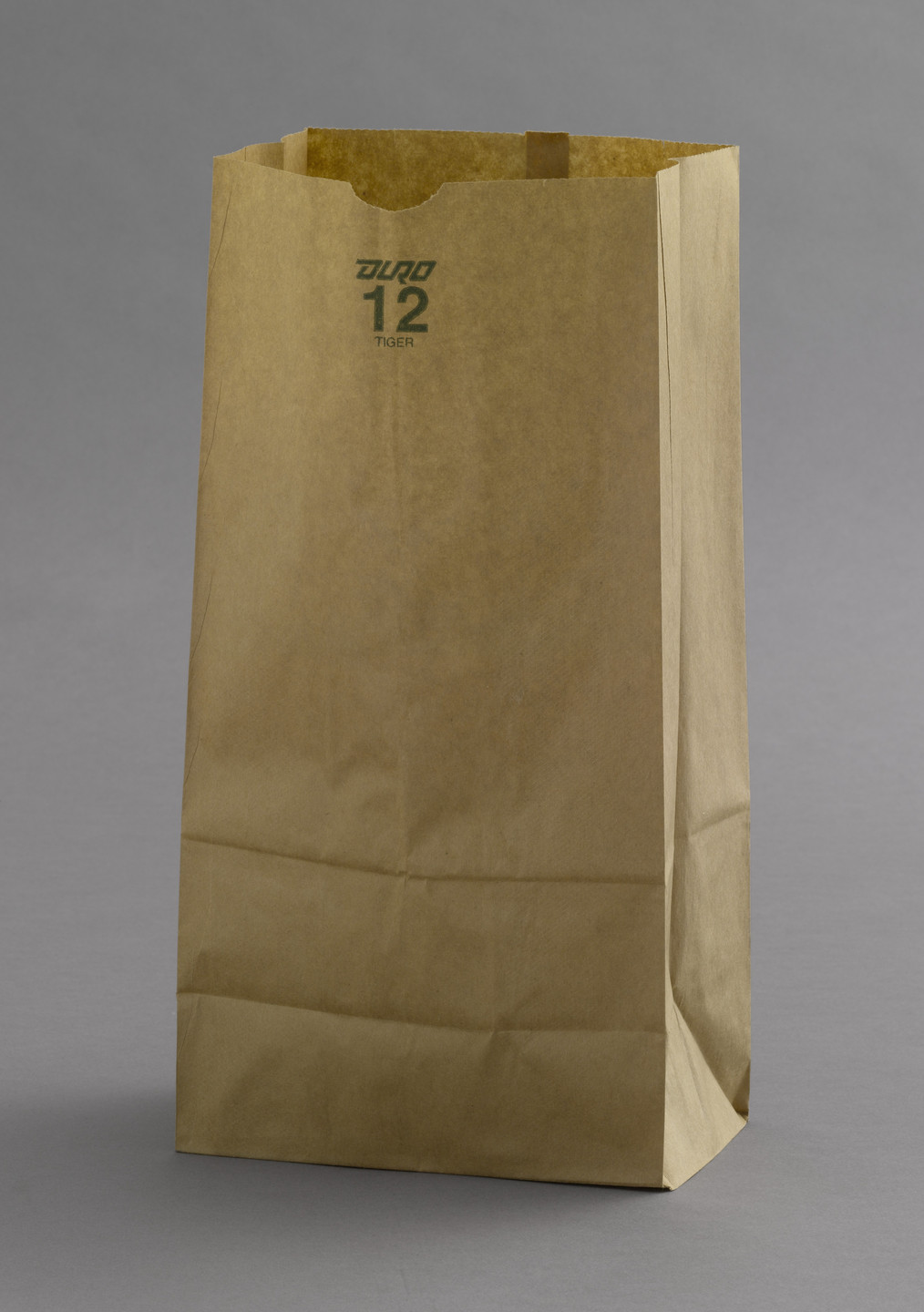
A paper bag is made from thick paper or kraft paper. It is strong enough to carry light to medium weight items. Some bags have handles for easy carrying.
Why Are Paper Bags Eco-friendly?
Paper bags break down faster in nature than plastic bags. They come from trees, a renewable resource. They also can be recycled and reused.
How Strong Are Paper Bags Compared To Plastic?
Paper bags can hold many items but are less water-resistant. Plastic bags are stronger when wet. Paper bags are better for dry goods and light loads.
Can Paper Bags Be Reused Multiple Times?
Yes, paper bags can be reused if kept dry and clean. They are good for carrying groceries or storing items. Reusing helps reduce waste.
Are Paper Bags Biodegradable And Compostable?
Paper bags are both biodegradable and compostable. They break down naturally in soil within weeks. This helps reduce pollution and landfill waste.
What Types Of Businesses Use Paper Bags?
Many shops, like grocery stores and clothing shops, use paper bags. They are popular for branding and eco-friendly reasons. Restaurants also use them for takeout.
How Can I Decorate Or Customize Paper Bags?
Paper bags can be decorated with stamps, stickers, or drawings. Businesses often print logos or designs on them. This makes bags look nice and unique.
Conclusion
Paper bags offer a simple and eco-friendly way to carry items. They break down faster than plastic and help reduce pollution. Many businesses choose paper bags to show care for the environment. Using paper bags supports cleaner streets and healthier wildlife.
Small changes, like switching to paper bags, make a big difference over time. Everyone can join in to protect the planet. Choose paper bags for a greener, cleaner future.
