
Are you tired of your products getting damaged or messy during shipping and storage? Packing sleeves might be the simple solution you need.
Thank you for reading this post, don't forget to subscribe!These handy covers protect your items while making them look neat and professional. Whether you’re sending gifts, organizing your inventory, or preparing products for sale, packing sleeves can save you time and stress. Keep reading to discover how packing sleeves can improve your packaging game and why they might be the smart choice for your business or personal use.
Benefits Of Packing Sleeves
Packing sleeves offer many useful benefits. They help keep items safe and organized during transport. These sleeves are simple tools that make packing easier and more efficient.
Using packing sleeves saves time and space. They protect delicate items from damage and dirt. Many people find sleeves helpful for sorting and storing small objects.
Protection From Damage
Packing sleeves shield items from scratches and breaks. They provide a soft layer that absorbs shocks. This protection is important for fragile objects like glass or electronics.
Space Saving Design
Sleeves help compress items to use less space. They make packing bags and boxes more compact. This saves room for more belongings and reduces bulk.
Easy Organization
Packing sleeves separate items by category or size. They prevent small things from getting lost or mixed up. This keeps bags neat and easy to search through.
Reusable And Durable
Most packing sleeves are made from strong materials. They can be used many times without tearing or wearing out. This makes them a cost-effective packing choice.
Lightweight And Portable
Sleeves add little weight to luggage or bags. They are easy to carry and store when not in use. Their lightness helps travelers stay within weight limits.

Credit: shayganpharma.com
Types Of Packing Sleeves
Packing sleeves come in different types. Each type serves a special purpose. Choosing the right sleeve protects your items well. It also makes packing easier and safer.
Fabric Sleeves
Fabric sleeves are soft and flexible. They fit items snugly without scratching them. These sleeves work great for delicate objects like glass or electronics. The fabric allows air to pass through, reducing moisture build-up. They are lightweight and easy to carry.
Plastic Sleeves
Plastic sleeves offer strong protection from dirt and water. They are usually transparent, so you see the item inside. These sleeves are ideal for documents or flat items. Plastic sleeves resist tearing and keep items clean during transport. They are easy to clean and reuse.
Padded Sleeves
Padded sleeves provide extra cushioning for fragile items. They have a soft lining that absorbs shocks and bumps. These sleeves protect electronics, glassware, and other breakables. Padded sleeves reduce the risk of damage during shipping. They add a layer of safety without much bulk.
Choosing The Right Material
Choosing the right material for packing sleeves is important. It affects protection, durability, and ease of use. Different materials serve different needs. Picking the best one keeps your items safe and organized.
Durability And Strength
Strong materials protect items from damage during shipping. Thick plastic and reinforced fabrics resist tears and punctures. Consider how heavy or sharp your items are. Choose materials that can hold up under pressure.
Water Resistance
Waterproof materials keep contents dry. Plastic sleeves and coated fabrics block moisture well. This is good for items exposed to rain or spills. Water resistance helps prevent damage from dampness.
Flexibility And Weight
Lightweight materials make packing easier and reduce shipping costs. Flexible sleeves fit different shapes and sizes. Thin plastic and soft fabrics offer good flexibility. Balance strength with ease of handling.
Eco-friendly Options
Biodegradable and recyclable materials reduce environmental impact. Paper sleeves and plant-based plastics are popular. These choices help lower waste and pollution. Consider eco-friendly options for greener packing.
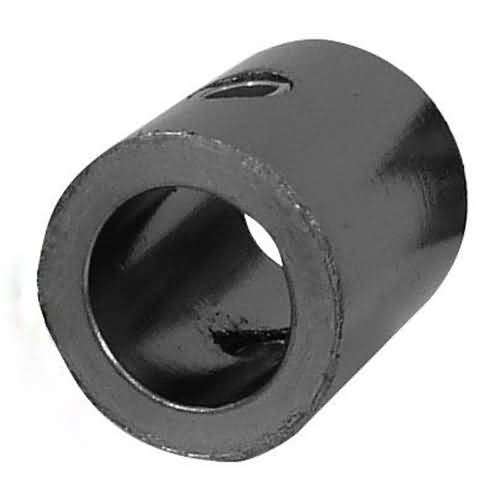
Credit: www.gage-glass.com
Size And Fit Considerations
Packing sleeves come in many sizes and shapes. Choosing the right size and fit is important. A good fit protects your items well and makes packing easier.
Too small sleeves may not hold your items properly. Too big sleeves can waste space and cause shifting inside your bag. Measuring your items helps find the best size.
Measuring Your Items Accurately
Use a ruler or tape measure to check length, width, and height. Note the largest parts of your items. Round up a little to allow easy fitting. Compare these numbers with sleeve sizes before buying.
Choosing The Right Sleeve Size
Select sleeves that match your measurements closely. Pick sleeves that offer a snug fit without stretching. Sleeves that are too loose can cause damage. Smaller sleeves can make packing tighter and more organized.
Considering Sleeve Thickness And Material
Thickness affects how much protection you get. Thicker sleeves provide better shock absorption. Thin sleeves save space but may offer less padding. Check the material for durability and flexibility.
Adjusting For Different Item Shapes
Some items are round, flat, or irregular in shape. Look for sleeves that can stretch or have flexible designs. Soft, padded sleeves fit odd shapes better. Hard sleeves fit flat or boxy items well.
Packing Sleeves For Different Items
Packing sleeves help organize and protect many kinds of items. They save space and keep things safe during travel or storage. Choosing the right sleeve depends on the item you want to pack. Different materials and sizes suit different needs. Below are some common uses for packing sleeves.
Clothing And Apparel
Soft fabric sleeves prevent wrinkles and dirt on clothes. They work well for shirts, dresses, and delicate fabrics. These sleeves keep clothes neat and ready to wear. Lightweight and breathable materials help avoid moisture buildup. Packing sleeves for apparel fit easily inside suitcases.
Electronics And Gadgets
Electronics need extra protection from bumps and scratches. Padded sleeves with foam or soft lining provide good cushioning. Perfect for tablets, phones, and cameras. These sleeves reduce damage risk during transport. Compact designs make them easy to carry or store.
Documents And Papers
Paper items require flat, sturdy sleeves to avoid creases. Plastic or thick paper sleeves keep documents dry and clean. Ideal for passports, tickets, and contracts. These sleeves help keep papers organized and easy to find. They are lightweight and fit inside bags or folders.
Tips For Efficient Packing
Packing sleeves help keep your items neat and safe. Using them wisely saves space and time. Here are some tips for packing efficiently with sleeves.
Simple steps make packing easier. Follow these tips to organize your belongings better.
Choose The Right Size Packing Sleeves
Select sleeves that fit your items well. Too big sleeves waste space. Too small sleeves can damage your items.
Measure your clothes or gadgets before choosing sleeves. This helps keep everything secure and tidy.
Roll Clothes Before Placing In Sleeves
Rolling clothes reduces wrinkles and saves space. It fits more items in each sleeve. Roll tightly but gently for best results.
Use sleeves to keep rolled clothes compact and protected. This method keeps your suitcase organized.
Group Similar Items Together
Keep similar items in the same sleeve. For example, pack all socks in one sleeve. This makes finding things easier.
Grouping also helps avoid mixing clean and dirty clothes. It keeps your bag fresh and clean.
Use Compression Packing Sleeves
Compression sleeves reduce the size of bulky items. They remove extra air to save space. Use these for jackets or sweaters.
Compressed items fit better in your luggage. It allows you to pack more without extra weight.
Label Each Packing Sleeve
Label sleeves with a marker or sticker. This speeds up finding items during your trip. No need to open every sleeve.
Labels help keep your luggage organized and neat. It makes unpacking stress-free.
Maintaining And Reusing Packing Sleeves
Packing sleeves protect items during shipping and storage. Keeping them in good shape saves money and helps the environment. Proper care lets you use packing sleeves many times. This section explains how to maintain and reuse them effectively.
Cleaning Packing Sleeves
Remove dirt and dust before storing packing sleeves. Use a soft cloth or brush to clean surfaces. Avoid harsh chemicals that can damage the material. Mild soap and water work well for most sleeves. Let them dry completely to prevent mold and odors.
Storing Packing Sleeves
Store sleeves in a dry, cool place away from sunlight. Keep them flat or rolled gently to avoid creases. Avoid heavy objects that can crush the sleeves. Use boxes or shelves to organize and protect them. Proper storage keeps sleeves ready for next use.
Inspecting For Damage
Check sleeves for tears, holes, or weak spots before reuse. Small damages can reduce protection and cause issues. Repair minor tears with tape or adhesive patches. Replace sleeves that are too damaged or worn out. Regular inspection ensures safe packing every time.

Credit: www.goldimageprinting.com
Frequently Asked Questions
What Are Packing Sleeves Used For In Packaging?
Packing sleeves protect products from dust, scratches, and damage. They also help in organizing and displaying items neatly.
Which Materials Are Common For Packing Sleeves?
Packing sleeves are usually made from plastic, paper, or cardboard. Each material suits different products and protection needs.
How Do Packing Sleeves Improve Product Presentation?
Packing sleeves give products a clean, uniform look. They make items easier to stack and display on shelves.
Can Packing Sleeves Be Customized For Branding?
Yes, packing sleeves can be printed with logos and designs. This helps businesses promote their brand and attract customers.
Are Packing Sleeves Eco-friendly Options Available?
Many packing sleeves are now made from recyclable or biodegradable materials. These options reduce environmental impact.
How To Choose The Right Size Of Packing Sleeves?
Measure your product carefully, then select sleeves slightly larger for easy fitting. Proper size ensures better protection.
Do Packing Sleeves Help In Reducing Shipping Damage?
Packing sleeves add a layer of protection against bumps and scratches. They help keep products safe during transport.
Conclusion
Packing sleeves protect your items during storage and travel. They keep things neat and prevent damage. Choose the right size and material for best results. Using packing sleeves saves space and makes organizing easier. Small details like these can improve your packing experience.
Try packing sleeves to keep your belongings safe and tidy. Simple, useful, and effective.
