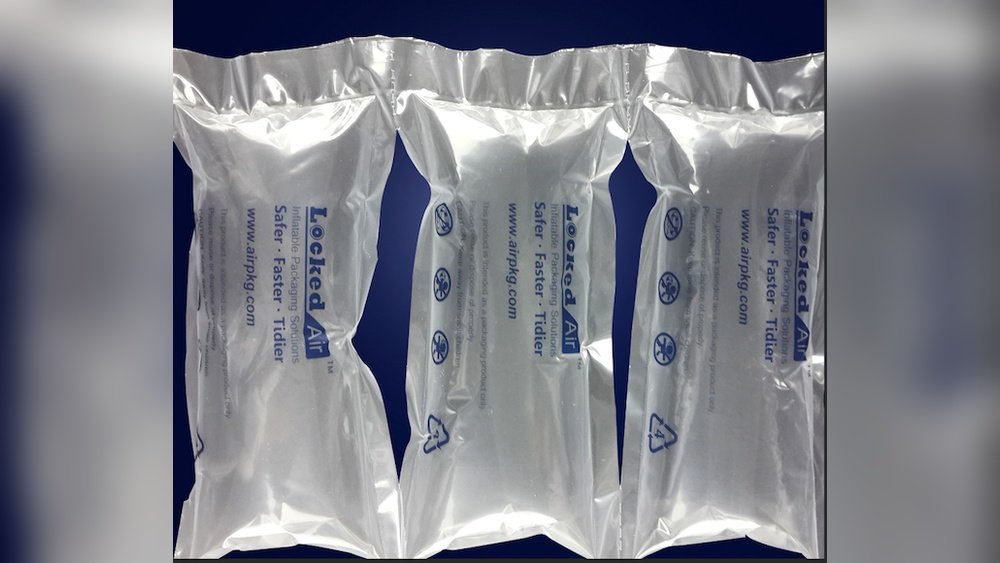
When it comes to protecting your valuable items during shipping or storage, you need a solution that’s both reliable and easy to use. That’s where packaging bubble bags come in.
Thank you for reading this post, don't forget to subscribe!These simple yet powerful pouches cushion your products, keeping them safe from bumps, drops, and scratches. Imagine never having to worry about broken or damaged goods again. You’ll discover why bubble bags are a must-have for your packaging needs, how they save you time and money, and tips to choose the perfect type for your items.
Keep reading, and you’ll learn how to make your packaging smarter and safer—right now.
Benefits Of Bubble Bags
Bubble bags offer many benefits for packaging and shipping items safely. They provide strong protection against shocks and drops. The air-filled bubbles absorb impact and keep items secure.
Bubble bags are lightweight and easy to use. They add minimal weight to packages, which helps reduce shipping costs. These bags also save space because they are flexible and can wrap around items of different shapes and sizes.
Protection Against Damage
Bubble bags cushion fragile items during transit. The bubbles act as a barrier against bumps and pressure. This reduces the risk of broken glass, electronics, and other delicate goods.
Cost-effective Packaging
Bubble bags are affordable and reduce the need for extra packing materials. Their light weight lowers shipping fees. Using them cuts down on returns caused by damaged products.
Easy To Use And Store
Bubble bags come in various sizes to fit many products. They are simple to seal and handle. When not in use, they take up little storage space because they lie flat.
Water Resistance
Many bubble bags offer some water resistance. This helps protect items from moisture and spills. It adds an extra layer of safety during shipping and storage.

Credit: hypackingbag.en.made-in-china.com
Types Of Bubble Bags
Bubble bags come in different types. Each type serves a special purpose in packaging. Choosing the right bubble bag protects your items well. It also saves money on shipping and damage costs.
Understanding the main types helps in selecting the best fit for your needs. Below are common bubble bag types used in packaging.
Standard Bubble Bags
Standard bubble bags have small air bubbles inside plastic sheets. They provide good cushioning for fragile items. These bags are light and easy to handle. They protect against scratches and minor impacts.
Anti-static Bubble Bags
Anti-static bubble bags prevent static electricity build-up. These bags are ideal for electronic parts and devices. They protect sensitive components from static damage. The plastic used is special and safe for electronics.
Heavy-duty Bubble Bags
Heavy-duty bubble bags are thicker and stronger. They protect heavy or sharp items that may pierce normal bags. These bags offer extra resistance to tears and punctures. Great for shipping tools or metal parts.
Self-sealing Bubble Bags
Self-sealing bubble bags come with a built-in adhesive strip. You peel and stick the flap to close the bag quickly. This saves time and keeps the package secure. Perfect for fast packing in busy environments.
Custom Printed Bubble Bags
Custom printed bubble bags display logos or messages. They improve brand visibility during shipping. These bags combine protection with marketing benefits. Often used by businesses for professional packaging.
Materials Used In Bubble Bags
Packaging bubble bags protect items during shipping and storage. They cushion fragile goods from shocks and bumps. The materials used in these bags play a key role in their effectiveness. Each material adds strength, flexibility, and padding to the bubble bag. Understanding these materials helps in choosing the right packaging for your needs.
Polyethylene Film
Polyethylene film is the main material in bubble bags. It is a type of plastic that is lightweight and strong. This film forms the outer layers of the bubble bag. It keeps the bubbles intact and protects the package from moisture. Polyethylene is also flexible, allowing the bag to wrap around items of different shapes.
Air Bubbles
The air bubbles inside the bag provide cushioning. They are small pockets of trapped air sealed between two layers of plastic. These bubbles absorb shocks and prevent damage to the contents. The size and number of bubbles affect the level of protection. More bubbles usually mean better padding.
Adhesive Layers
Some bubble bags have adhesive layers for sealing. This sticky layer keeps the bag closed without extra tape. It helps save time and ensures a secure seal. The adhesive is safe and does not harm the items inside. It also keeps dust and dirt out of the package.
Recycled Materials
Many bubble bags use recycled plastics to reduce waste. These materials still meet strength and quality standards. Using recycled content helps protect the environment. It lowers the demand for new plastic production. Eco-friendly packaging is becoming more common in bubble bags.

Credit: www.ebay.com
Choosing The Right Size
Choosing the right size for packaging bubble bags is key to protecting your items. Using the wrong size can cause damage or waste materials. Small bags may not fit your product well. Large bags might be bulky and costly. Finding the perfect fit keeps your items safe and saves money.
Measure Your Product Accurately
Start by measuring the length, width, and height of your item. Use a ruler or tape measure for exact numbers. Add a little extra space for padding and movement. This ensures the bubble bag covers the product completely.
Consider The Thickness Of The Bubble Wrap
Bubble wrap thickness affects the size needed. Thicker bubbles add more cushion but take up more space. Choose a size that allows room for bubble thickness without being too tight.
Allow Extra Space For Fragile Items
Fragile items need more protection. Select a bag larger than the product size. This space holds extra padding and prevents damage during shipping.
Think About Storage And Shipping Costs
Large bags may increase shipping fees and storage needs. Use the smallest size that fits your product safely. This saves money and reduces waste.
Cost Efficiency Of Bubble Bags
Bubble bags offer great cost efficiency for packaging needs. They protect items well while saving money on damages and replacements. Using bubble bags lowers shipping costs by reducing package weight. Businesses benefit from fewer returns and complaints. This makes bubble bags a smart choice for many industries.
Reduced Shipping Expenses
Bubble bags are lightweight. This lowers shipping fees compared to heavier packaging. Smaller package sizes also cut costs. Carriers often charge less for lighter parcels. Saving on shipping adds up over time.
Protection Minimizes Product Damage
Bubble bags cushion items during transit. They absorb shocks and impacts effectively. This reduces breakage and damage. Fewer damaged products mean fewer refunds or replacements. Protecting items helps save money in the long run.
Reusable And Versatile Packaging
Many bubble bags can be reused several times. This reduces the need to buy new packaging often. Their flexibility fits different product shapes and sizes. Using one type of packaging for many items cuts costs.
Easy Storage And Handling
Bubble bags take less space than bulky boxes. They are easy to store and carry. Saving storage space lowers warehouse costs. Quick handling speeds up packing and shipping. Time saved is money saved.
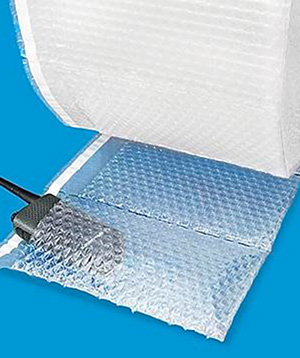
Credit: www.foambubble.com
Environmental Impact And Recycling
Packaging bubble bags are popular for protecting goods during shipping. Their use raises concerns about environmental impact. Understanding how these bags affect the planet helps consumers and businesses make better choices. Recycling plays a key role in reducing waste from bubble bags.
Environmental Effects Of Bubble Bags
Bubble bags are made from plastic materials. These plastics come from fossil fuels and are not biodegradable. When discarded, they can stay in landfills for hundreds of years. They may also end up in oceans, harming wildlife. The production process uses energy and releases carbon emissions. These factors contribute to pollution and climate change.
Challenges In Recycling Bubble Bags
Recycling bubble bags is difficult due to their mixed materials. Most bags combine plastic film and air bubbles. This mix makes sorting and processing harder at recycling centers. Many places do not accept bubble bags for curbside recycling. Contamination with dirt or tape lowers recycling quality. These issues limit how much bubble bags get recycled.
Ways To Recycle Bubble Bags Properly
Some stores offer drop-off bins for plastic bags and bubble wrap. These programs accept clean, dry bubble bags for recycling. Flattening bags saves space and improves processing. Avoid placing bubble bags with food waste or other trash. Reusing bubble bags also reduces waste and extends their life. Small steps help reduce environmental harm from bubble bags.
Tips For Packing With Bubble Bags
Using bubble bags helps protect items during shipping or moving. Packing items correctly inside bubble bags keeps them safe from damage. Simple steps can improve the protection bubble bags provide. Following these tips makes packing easier and more secure.
Bubble bags come in many sizes and types. Choosing the right one depends on the item’s shape and fragility. Proper packing also saves space and reduces shipping costs.
Choose The Right Size Bubble Bag
Select a bag slightly larger than your item. A tight fit can cause pressure and damage. Too large a bag may allow the item to move inside. Both cases reduce protection during transport.
Wrap Fragile Items Carefully
Wrap fragile items with extra bubble wrap before placing them inside bags. Add padding around corners and edges. This prevents cracks and chips from bumps or drops.
Seal The Bubble Bag Securely
Use strong tape to close the bubble bag. A well-sealed bag keeps dust and moisture out. It also stops the item from slipping out during handling.
Label Bubble Bags Clearly
Write the contents and handling instructions on the bag. Clear labels help carriers handle the package with care. It also speeds up sorting and delivery processes.
Use Multiple Layers For Extra Protection
For very delicate items, use more than one bubble bag layer. Each layer adds a cushion that absorbs shocks. This reduces the chance of damage during rough handling.
How IOKPRINT Can Help You with Packaging Bubble Bags
Practical Learning with Packaging Bubble Bags
Understanding the benefits of bubble bags and how to choose the right size plays a crucial role in mastering effective packaging. Experimenting with different types and materials can provide hands-on insight into their cushioning properties and environmental impact. For instance, testing various bubble bag sizes helps identify the most cost-efficient option for specific items, reducing waste and ensuring secure delivery.
Additionally, exploring the recycling options available for bubble bags encourages sustainable practices. Learning to pack items properly using bubble bags can also improve product safety during transit, minimizing damage and return rates.
- Try combining bubble bags with custom stickers to enhance branding while maintaining protection.
- Consider pairing bubble bags with other packaging materials to optimize durability and appearance.
- Research suppliers like IOKPRINT, which offer free delivery options, making it easier to experiment with different packaging solutions.
For further guidance or inquiries, visiting resources such as www.iokprint.in can provide additional support and ideas for your packaging projects.
Frequently Asked Questions
What Are Packaging Bubble Bags Used For?
Packaging bubble bags protect fragile items during shipping and handling. They cushion items to prevent damage. They are ideal for electronics, glass, and small goods.
How Do Bubble Bags Protect Items In Transit?
Bubble bags absorb shocks and impacts with their air-filled bubbles. This reduces the risk of breaks and scratches. They also keep items secure inside packages.
What Sizes Do Packaging Bubble Bags Come In?
Bubble bags come in many sizes, from small pouches to large envelopes. Sizes depend on the item you want to protect. Custom sizes are also available for special needs.
Are Packaging Bubble Bags Eco-friendly?
Many bubble bags are now made from recyclable or biodegradable materials. Some brands focus on reducing plastic waste. Always check for eco-friendly labels when buying.
Can Bubble Bags Be Reused Multiple Times?
Yes, bubble bags can be reused if they stay intact. Reusing helps save money and reduces waste. Just make sure bubbles are not popped.
How To Choose The Right Bubble Bag Thickness?
Thicker bubble bags offer more protection for heavier items. Thin bags work well for lightweight or less fragile goods. Choose thickness based on the item’s fragility.
Where To Buy Quality Packaging Bubble Bags?
Packaging stores, office supply shops, and online retailers sell bubble bags. Look for trusted brands with good reviews. Buying in bulk often lowers the cost.
Conclusion
Packaging bubble bags protect items during shipping and storage. They cushion fragile goods and prevent damage. These bags come in various sizes and thicknesses. Choosing the right bubble bag saves money and time. They are lightweight and easy to use.
Bubble bags also help keep items clean and dry. Using them shows care for the product and customer. Small steps like this improve overall packaging quality. Consider bubble bags for safer, smarter packaging solutions. Simple, effective protection matters in every shipment.