
Are you struggling to turn visitors into customers? Your landing page might be the key.
Thank you for reading this post, don't forget to subscribe!Marketing Landing Style Three offers a fresh, proven way to grab attention and boost conversions. Imagine a design that speaks directly to your audience, making them feel understood and ready to take action. You’ll discover how this style works and why it could be exactly what your business needs to stand out.
Keep reading to unlock simple tips that can transform your marketing results fast.
Credit: instapage.com
Key Elements Of Style Three
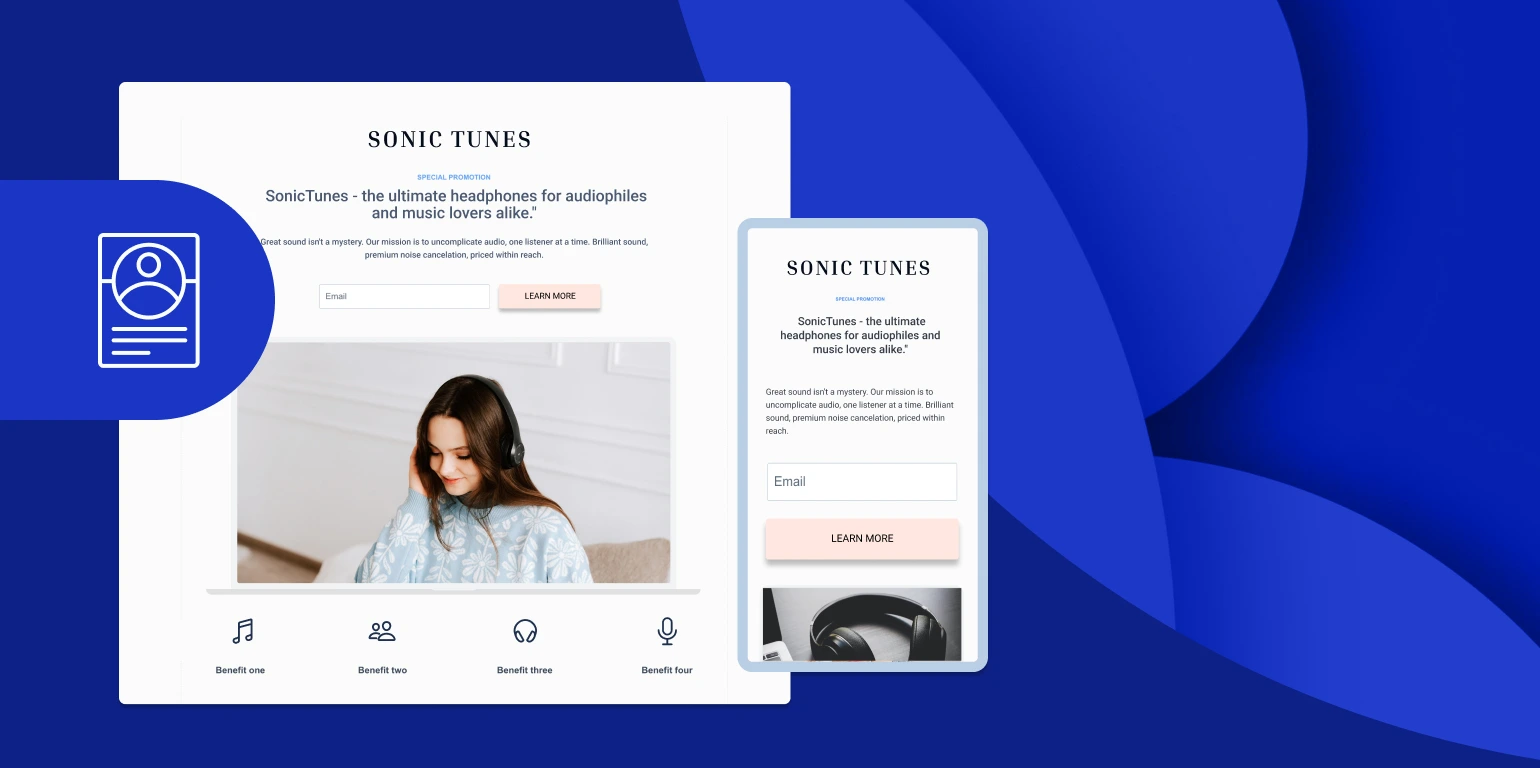
The Key Elements of Style Three shape how users see and use a landing page. Each part works to guide visitors and help them act quickly. This style uses design and text to build trust and push users toward a goal.
Clear structure and strong focus help make the page effective. Visitors find what they need fast. The style balances visuals with words to keep attention and inspire clicks.
Visual Hierarchy
Visual hierarchy arranges content by importance. Big headlines and bold colors catch the eye first. Important messages stand out with size and contrast. Less important details stay smaller or lighter. This method helps users read in the right order. They see key points fast and understand the offer clearly.
Compelling Call-to-actions
Calls-to-action (CTAs) tell users what to do next. Style Three uses strong, clear CTAs placed in easy spots. Buttons use action words like “Get,” “Try,” or “Join.” Colors make CTAs pop from the rest of the page. The goal is to make clicking simple and inviting. Multiple CTAs appear but never crowd the page.
Trust Indicators
Trust indicators build confidence in visitors. Style Three includes reviews, ratings, or logos of known brands. These elements show the product or service is real and reliable. Short testimonials add a human touch. Security badges and guarantees lower worries about risk. Trust helps visitors feel safe sharing information or buying.

Credit: www.kannerarch.com
Color Psychology In Design
Colors affect how visitors feel and act on a landing page. They can guide attention and create trust. Using the right colors helps improve user experience and boosts conversions. Color psychology studies how colors influence human emotions and decisions. Applying these ideas to Marketing Landing Style Three makes the design more effective.
Choosing Conversion-driven Palettes
Select colors that match your brand and message. Bright colors like red or orange create urgency. Blue and green build trust and calmness. Use colors that make visitors feel safe and ready to act. Limit the palette to three or four colors. Too many colors can confuse and distract users. Focus on colors that support your call-to-action buttons.
Contrast And Readability
High contrast between text and background improves readability. Dark text on a light background works best. Avoid colors that blend together or strain the eyes. Clear, easy-to-read fonts with good contrast keep users engaged. Proper contrast also helps people with vision problems. Use tools to check color contrast and adjust if needed.
Optimizing Layout For User Flow
Optimizing layout for user flow is key to Marketing Landing Style Three. It guides visitors through the page smoothly. A good layout helps users find important information fast. It also encourages actions like clicks or sign-ups. Simple, clear design makes the page easy to use.
F-shaped Reading Pattern
People read web pages in an F-shaped pattern. They scan the top and left side more. Important content should be placed along these areas. Headlines, menus, and calls to action fit well here. This pattern helps users absorb key messages quickly. Arrange text and images to follow this natural flow.
Whitespace Utilization
Whitespace is the empty space between elements. It gives the page a clean, open feel. Whitespace helps separate sections and reduces clutter. It draws attention to important parts like buttons or headlines. Proper use of whitespace improves readability and user focus. Avoid cramming too much content into one area.
Crafting Persuasive Headlines
Crafting persuasive headlines is key to capturing attention on Marketing Landing Style Three. The headline is the first thing visitors see. It must quickly tell the reader what the offer or content is about. A strong headline draws people in and encourages them to read more. It sets the tone for the entire landing page. Writing headlines that sell takes skill and practice.
Power Words That Convert
Power words create emotion and push readers to act. Words like “free,” “easy,” “proven,” and “new” spark interest. These words make the headline stand out. They promise value or solve a problem. Use power words carefully to keep the headline clear. Avoid overusing them or sounding fake. A few strong words are enough to boost clicks.
Clarity And Brevity
Clear and short headlines work best. Visitors scan quickly and decide in seconds. Long or confusing headlines lose attention. Use simple words that anyone can understand. Keep sentences short and direct. The headline should explain the offer without extra details. Clarity builds trust and helps readers act fast.
Incorporating Social Proof
Social proof builds trust and confidence in your marketing landing page. It shows real people have positive experiences. This helps new visitors feel safe and ready to act. Incorporating social proof makes your message stronger and more believable.
Customer Testimonials
Customer testimonials share honest feedback from users. They highlight benefits and satisfaction clearly. Short, specific quotes work best here. Use names and photos if possible. This adds authenticity and connects with visitors better.
Case Studies And Reviews
Case studies tell detailed stories about success with your product or service. They explain problems, solutions, and results. Reviews gather many opinions to show overall satisfaction. Both prove your offer’s value and reliability clearly. Visitors trust these real examples more than claims alone.
Mobile-friendly Design Tactics
Mobile-friendly design is essential for Marketing Landing Style Three. It ensures your page looks great and works well on any device. Visitors stay longer and interact more if your site fits their screen perfectly. Good mobile design helps improve your search engine ranking too.
Responsive Elements
Responsive design adjusts your landing page to fit all screen sizes. Text, images, and buttons change size smoothly. No need for users to zoom or scroll sideways. Use flexible grids and fluid images for this effect. Media queries in CSS control how elements rearrange themselves. This makes your content easy to read and use on phones and tablets.
Fast Loading Techniques
Speed matters a lot on mobile devices. Slow pages cause visitors to leave quickly. Optimize images by compressing them without losing quality. Minimize code by removing extra spaces and comments. Use browser caching to store parts of your page. This reduces load times on repeat visits. Avoid heavy scripts that delay content from showing. Fast loading keeps users engaged and improves your SEO.
A/b Testing Strategies
A/B testing strategies help improve Marketing Landing Style Three. They show which elements work best. Testing different versions guides better decisions. Small changes can increase user engagement and conversions. This process avoids guessing and uses real data.
Testing Headlines And Ctas
Headlines catch visitor attention first. Testing different headlines reveals which grabs more interest. Try clear, simple words that explain value fast. Call-to-actions (CTAs) tell users what to do next. Test button text, color, and placement. See which combination leads to more clicks and sign-ups.
Analyzing User Behavior
Tracking user actions helps understand how visitors interact. Tools show clicks, scroll depth, and time spent. Analyze patterns to spot problems or strong points. Heatmaps and session recordings reveal what users focus on. Use this data to tweak landing page design and content. Better user experience means higher chances of conversion.

Credit: www.slideteam.net
Frequently Asked Questions
What Is Marketing Landing Style Three?
Marketing Landing Style Three is a specific design layout for landing pages. It focuses on clear calls-to-action and simple visuals. This style aims to boost user engagement and conversions.
How Does Marketing Landing Style Three Improve Conversions?
This style uses clean design and strong headlines to grab attention. It guides visitors toward a single goal, like signing up or buying. Clear buttons help users take action quickly.
Who Should Use Marketing Landing Style Three?
Small businesses and startups benefit from this style. It works well for product launches, promotions, and lead capture. Anyone needing a simple, direct landing page can use it.
What Key Elements Define Marketing Landing Style Three?
Key elements include a bold headline, brief text, and a clear call-to-action. It uses minimal images and easy-to-read fonts. The layout keeps the page simple and focused.
Can Marketing Landing Style Three Work On Mobile Devices?
Yes, this style is designed to be mobile-friendly. It uses responsive design to fit small screens. Buttons and text remain easy to tap and read.
How Long Should Content Be On Marketing Landing Style Three?
Content should be short and to the point. A few sentences under each heading work best. This keeps visitors from feeling overwhelmed.
Is Marketing Landing Style Three Easy To Customize?
Yes, it is simple to change colors, text, and images. Many templates use this style for quick setup. Customizing helps fit your brand and message easily.
Conclusion
Marketing Landing Style Three offers a clear and simple way to attract visitors. It focuses on strong headlines and easy navigation. This style helps users find what they want fast. Clean design and clear calls guide visitors toward action. Use this approach to boost engagement and improve results.
Test different elements to see what works best. Keep your landing page focused and easy to use. Small changes can bring better leads and sales. Try this style in your next campaign and watch the difference.
