
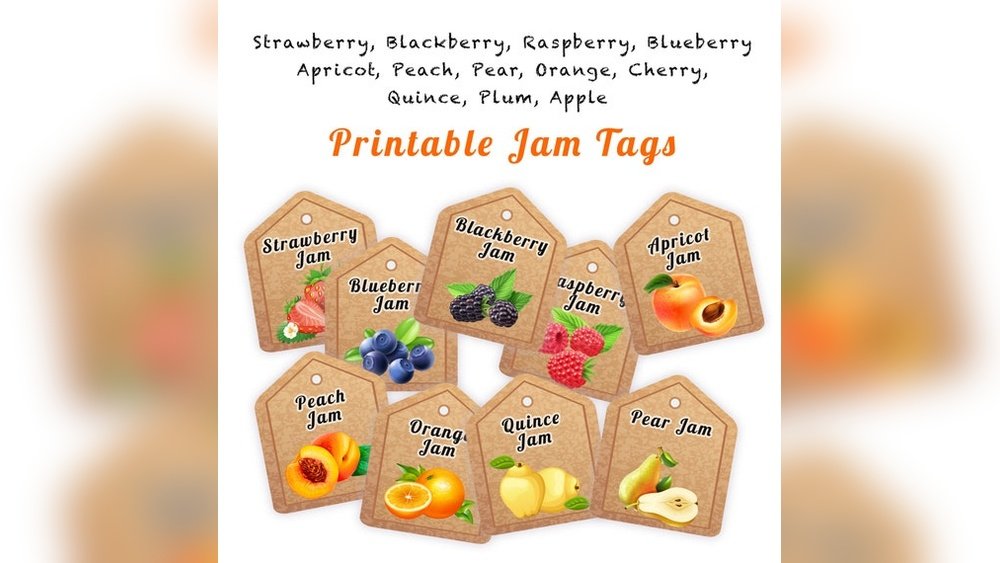
Are you looking for the perfect way to make your homemade jams stand out? Jamlabels PDF can help you create beautiful, professional-looking labels quickly and easily.
Thank you for reading this post, don't forget to subscribe!Imagine turning your jars into eye-catching gifts or products that friends and customers won’t forget. You’ll discover how Jamlabels PDF can simplify your labeling process, save you time, and add that special touch to every jar. Keep reading to find out how to make your jams look just as delicious as they taste!
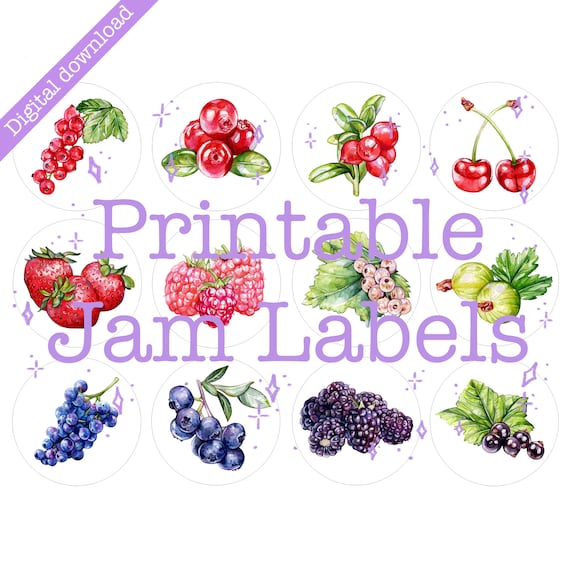
Credit: www.etsy.com
Choosing The Right Label Material
Choosing the right label material is key for Jamlabels Pfd. The label must stick well and look good on your product. It should also resist water, heat, or sunlight depending on the product use. Picking the right material helps your labels last longer and keep their quality.
Different materials suit different needs. Some work best for smooth jars, while others fit rough or curved surfaces. Knowing your product and environment helps you choose the best label material.
Paper LabelsPaper labels are common and cost-effective. They offer clear printing and good color quality. These labels work well for dry and indoor products. They are not ideal for wet or oily surfaces. Paper labels are easy to write on by hand.
Plastic LabelsPlastic labels resist water and oils. They hold up well in humid or wet places. These labels are flexible and can fit curved jars easily. Plastic labels often have a glossy or matte finish. They last longer than paper labels in tough conditions.
Clear LabelsClear labels blend with the jar’s surface. They create a sleek, modern look. These labels are usually plastic-based for durability. Clear labels are good for showing the product inside. They resist moisture and fading from sunlight.
Specialty MaterialsSpecialty materials include textured or metallic labels. They add a unique touch to your product. These materials often catch the eye on store shelves. Use them for premium products or special editions. They can be more expensive but stand out.
Design Tips For Clear Labels
Designing clear labels for Jamlabels Pfd requires careful thought. Clear labels let the product shine through. They give a neat and modern look. The design must balance visibility with style. This guide offers simple tips to create effective clear labels.
Focus on contrast, font size, and image placement. These factors help the label stand out and stay readable. Clear labels work best with minimal clutter. Keep the design simple and easy to read.
Use Bold Fonts For Readability
Choose bold fonts that are easy to read. Thin or fancy fonts can be hard to see. Use fonts with clear shapes and no extra details. Large font sizes help the text stand out on clear labels.
Choose Colors That Contrast
Pick colors that contrast well with the background. Dark text on a light background works best. Avoid colors that blend with the product inside the jar. Contrast makes the label easy to read at a glance.
Keep Graphics Simple
Use simple graphics that do not cover the product. Avoid busy images that distract from the text. Clear labels look best with minimal artwork. Simple icons or logos add style without clutter.
Leave Enough Space
Give the text and images room to breathe. Crowded labels are hard to read and look messy. Use margins to separate elements clearly. Space helps the label look clean and professional.
Test On Different Backgrounds
Try the label design on various product colors. Some colors may hide parts of the label. Testing helps ensure the label works well everywhere. Adjust colors or text placement as needed.
Setting Up Your Printer
Setting up your printer for Jamlabels Pfd is simple. This step is important for clear and accurate label printing. A well-set printer saves time and prevents errors.
Follow each step carefully. This helps your printer work well with Jamlabels Pfd. A good setup means your labels will look professional every time.
Connecting Your Printer
Start by plugging your printer into a power source. Use a USB cable to connect it to your computer. Some printers also support Wi-Fi connections. Choose the method that suits your setup best. Turn on the printer before using Jamlabels Pfd.
Installing Printer Drivers
Printer drivers help your computer talk to the printer. Visit the printer manufacturer’s website to download the latest driver. Install it following the on-screen instructions. Without the driver, your printer might not work correctly.
Adjusting Printer Settings
Open the printer settings on your computer. Set the paper size to match your label sheets. Choose the print quality to get sharp text and images. Select the correct paper type for Jamlabels Pfd. Check that the printer is set to print in color if needed.
Testing Your Printer
Print a test page to check the setup. Look for clear text and no smudges. Make sure the labels align with the sheet edges. Fix any issues before printing your actual labels. A test print saves paper and ink.
Credit: www.cuddlepalette.com
Optimal Print Settings
Getting the best print results with Jamlabels Pfd needs the right settings. These settings help your labels look clear and sharp. They also save ink and paper. Setting your printer correctly makes a big difference.
Simple changes in print settings can improve color and detail. It helps your labels last longer without fading. Pay close attention to resolution, paper type, and color mode. Each plays a key role in the final print quality.
Resolution Settings For Jamlabels Pfd
Choose a resolution of at least 300 dpi. This ensures sharp images and text on your labels. Lower resolutions make prints look blurry. High resolution uses more ink but gives better results.
Paper Type Selection
Select the correct paper type in your printer menu. Jamlabels Pfd works best with glossy or matte label paper. This setting adjusts how the ink spreads on the paper. Wrong paper choice causes smudges and poor color.
Color Mode And Calibration
Set your printer to CMYK color mode for accurate colors. Calibrate your printer regularly to keep colors true. Calibration fixes color shifts and keeps prints consistent. Use the Jamlabels color guide if available.
Print Quality And Speed
Choose high print quality over speed for the best label look. Fast print modes reduce detail and color accuracy. Slow printing uses more ink but improves sharpness. Balance speed and quality based on your needs.
Troubleshooting Common Issues
Jamlabels Pfd is a useful tool but can face some common issues. Knowing basic troubleshooting helps fix problems fast. This saves time and keeps your work smooth.
Below are common problems and easy steps to solve them. Follow these tips for better Jamlabels Pfd use.
Loading Problems
Sometimes Jamlabels Pfd does not load properly. Check your internet connection first. A slow or unstable connection can cause loading delays.
Clear your browser cache to remove old data. Restart the browser and try opening Jamlabels again. Use a supported browser for best results.
File Upload Errors
File upload may fail or freeze. Ensure your file size is within the allowed limit. Large files often cause upload issues.
Use standard file formats accepted by Jamlabels Pfd. Rename your file with simple characters to avoid errors. Try uploading smaller files to test.
Print Quality Issues
Printouts might look blurry or misaligned. Check your printer settings and paper type. Select the highest print quality option available.
Calibrate your printer regularly. Use Jamlabels Pfd’s preview feature to check alignment before printing. Avoid low ink levels for better prints.
Login And Access Problems
Login may fail or access is denied. Confirm your username and password are correct. Reset your password if needed.
Clear cookies and cache related to Jamlabels Pfd. Disable browser extensions that block scripts. Try logging in from another device or browser.
Cutting And Applying Labels
Cutting and applying labels is an important step in using Jamlabels PDF. Proper cutting ensures that each label looks neat and fits perfectly. Applying labels carefully helps them stick well and last longer. This section explains how to cut and apply labels easily and correctly.
Preparing To Cut Labels
Start by printing your Jamlabels PDF on the right paper. Use label sheets designed for your printer type. Check the print quality before cutting. Sharp and clear prints make labels look better. Use a ruler and a sharp blade for straight cuts. Cut slowly to avoid tearing the paper.
Cutting Labels Precisely
Cut along the lines on the Jamlabels PDF. Keep the blade steady for clean edges. Use scissors or a paper cutter for accuracy. Avoid cutting too close to the design. Leave a small margin to protect the label. Keep each label separated carefully after cutting.
Applying Labels Correctly
Clean the surface where you will place the label. Make sure it is dry and smooth. Peel the backing paper slowly to avoid damage. Place the label gently on the surface. Press from the center outwards to remove air bubbles. Smooth the label with your fingers for better stick.
Maintaining Label Quality Over Time
Maintaining the quality of Jamlabels Pfd is important for long-term use. Labels can fade, peel, or lose stickiness over time. Proper care helps keep them clear and readable. This saves money and effort in the long run. Small steps make a big difference.
Proper Storage Conditions
Store labels in a cool, dry place. Heat and moisture can damage the adhesive. Avoid direct sunlight to prevent colors from fading. Keep labels flat to stop curling or bending. Use airtight containers to protect from dust and dirt.
Cleaning Before Application
Clean surfaces before applying labels. Dirt or oil stops labels from sticking well. Use a dry cloth or mild cleaner. Wait for the surface to dry completely. This ensures the label stays in place longer.
Handling And Application Tips
Handle labels with clean, dry hands. Avoid touching the sticky side. Apply labels slowly to avoid bubbles. Press firmly to secure edges. Smooth out wrinkles for a neat look.
Regular Inspection And Replacement
Check labels often for damage or wear. Replace labels that fade or peel. Fresh labels keep information clear and accurate. Regular updates help maintain a professional look.
Credit: thegraphicsfairy.com
Frequently Asked Questions
What Is Jamlabels Pdf Used For?
Jamlabels PDF is a file format for printable jam labels. It helps users create clear, ready-to-print labels for jars.
How Do I Edit A Jamlabels Pdf File?
You can edit Jamlabels PDF using software like Adobe Acrobat or free PDF editors. Editing lets you customize text and design.
Can Jamlabels Pdf Be Printed At Home?
Yes, Jamlabels PDF files are designed for easy home printing. Use good-quality paper and a color printer for best results.
Are Jamlabels Pdf Labels Waterproof?
Most Jamlabels PDF designs are not waterproof by default. Use special waterproof paper or laminate the labels to protect them.
How Do I Resize Jamlabels Pdf Labels?
Resize Jamlabels PDF by adjusting print settings or editing the file in a PDF editor. Keep proportions to avoid distortion.
Can I Share Jamlabels Pdf With Others?
Yes, you can share Jamlabels PDF files via email or cloud storage. This helps others print or edit the labels easily.
Where Can I Find Free Jamlabels Pdf Templates?
Free Jamlabels PDF templates are available on many craft and design websites. They offer various styles suitable for different jams.
Conclusion
Jamlabels PDF offers a simple way to create clear, neat labels. It helps organize jars and containers easily. You can print labels at home or work. The design is easy to follow and change. Everyone can use it, no special skills needed.
This tool saves time and reduces confusion. Try it to keep your kitchen or workspace tidy. A small step for a big difference in order. Jamlabels PDF makes labeling quick and stress-free. Simple, useful, and ready to use anytime.
