

Are you tired of dealing with messy glue or weak tape that just won’t stick? If so, discovering the right front adhesive can change everything for your projects.
Thank you for reading this post, don't forget to subscribe!Whether you’re working on crafts, repairs, or packaging, the right adhesive makes your work easier and more reliable. You’ll learn what front adhesives are, why they matter, and how to choose the perfect one for your needs. Keep reading to unlock simple tips that will save you time and frustration every time you stick something down.
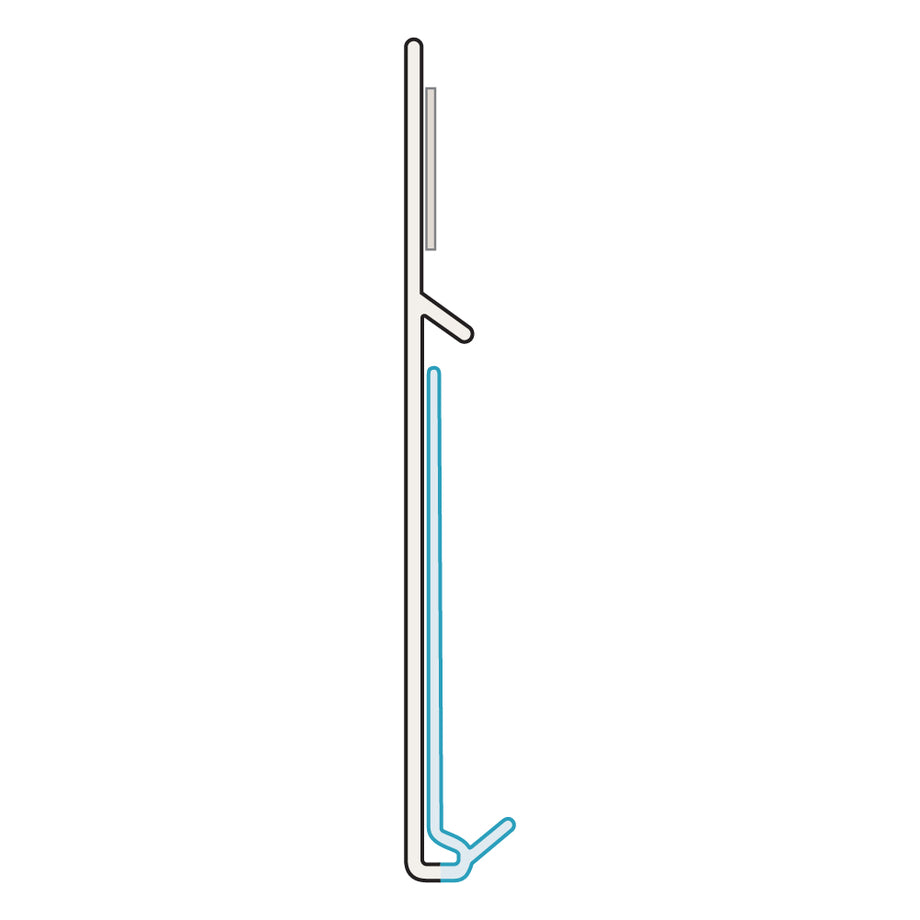
Credit: kostklip.com
Types Of Frontadhesive
Frontadhesive comes in several types. Each type suits different uses and materials. Choosing the right type improves strength and durability.
Some types stick well to smooth surfaces. Others work best on rough or porous materials. Knowing these types helps pick the best option for your project.
Water-based Frontadhesive
Water-based frontadhesive is safe and easy to clean. It dries quickly and has low odor. This type works well for paper and light fabrics. It is also eco-friendly and less toxic.
Solvent-based Frontadhesive
Solvent-based frontadhesive offers strong and lasting bonds. It works on metals, plastics, and wood. This type resists water and heat better. Use it for heavy-duty or outdoor projects.
Hot Melt Frontadhesive
Hot melt frontadhesive melts when heated. It cools fast to create a firm hold. This type sticks to many surfaces quickly. It is common in packaging and crafts.
Spray Frontadhesive
Spray frontadhesive spreads evenly over large areas. It is easy to apply and dries fast. This type is good for fabrics, foam, and paper. It offers a smooth, thin layer of glue.
Double-sided Frontadhesive
Double-sided frontadhesive sticks on both sides. It is perfect for mounting and bonding without visible glue. Use it for photos, posters, and light objects. It offers a clean and neat finish.
Key Features For Strong Bonds
Strong bonds are essential for any adhesive to perform well. Frontadhesive offers several key features that help create reliable and lasting bonds. These features ensure surfaces stick firmly and resist breaking apart.
Understanding these key features helps users choose the right adhesive for their projects. Frontadhesive focuses on durability, ease of use, and compatibility with many materials. These traits make it a trusted choice for both home and professional use.
High Adhesion Strength
Frontadhesive sticks tightly to different surfaces. It creates a strong connection that holds materials together. The adhesive force prevents slipping or falling apart over time. This strength works on wood, metal, plastic, and more.
Quick Drying Time
The glue dries fast to save time. This feature allows quick handling of glued items. It reduces waiting periods between steps in projects. Fast drying also helps prevent dust or dirt from sticking to the bond.
Water And Heat Resistance
Frontadhesive resists water and heat well. Bonds do not weaken when exposed to moisture. Heat also does not cause the glue to melt or lose grip. This makes it suitable for indoor and outdoor use.
Easy Application
The adhesive applies smoothly and evenly. Users can spread it without mess or lumps. This ease of use helps create neat and clean bonds. It works well for both beginners and experts.
Versatile Material Compatibility
Frontadhesive works on many materials. It bonds wood, plastic, metal, glass, and fabric. This versatility reduces the need for different adhesives. One product meets many bonding needs efficiently.
Surface Preparation Tips
Preparing the surface is key to a strong bond with Frontadhesive. Clean and smooth surfaces help the adhesive stick better. Dirt, dust, or grease can stop the glue from working well. Taking time to prepare the surface leads to longer-lasting results.
Follow these simple steps to get the best hold. Each step helps remove barriers between the adhesive and the surface. A small effort now saves trouble later.
Clean The Surface Thoroughly
Remove dust and dirt using a soft cloth. Use mild soap and water if needed. Let the surface dry completely before applying Frontadhesive. Avoid oily or greasy substances that block adhesion.
Smooth Rough Areas
Sand rough or uneven spots gently. Use fine sandpaper for the best finish. Smooth surfaces help the adhesive spread evenly. Wipe away sanding dust with a clean cloth afterward.
Ensure The Surface Is Dry
Moisture weakens the adhesive bond. Check for any dampness before applying Frontadhesive. Use a dry cloth or air dry the surface well. Only apply adhesive to fully dry areas.
Use A Primer For Porous Surfaces
Porous materials absorb glue and reduce strength. Apply a suitable primer to seal the surface. Let the primer dry as per instructions. This step improves Frontadhesive’s grip on such materials.

Credit: stickerapp.com
Application Techniques
Applying Frontadhesive correctly ensures a strong and lasting bond. The right technique helps the adhesive stick better to surfaces. Small details during application make a big difference.
Clean surfaces and proper pressure improve adhesion. Different materials need slightly different methods. Understanding these methods saves time and avoids mistakes.
Preparing The Surface
Clean the area to remove dust, oil, and dirt. Use a dry cloth or mild cleaner. Wait for the surface to dry completely. A clean surface helps Frontadhesive stick firmly.
Applying The Adhesive
Apply Frontadhesive in a thin, even layer. Avoid using too much glue. Excess adhesive can cause mess and weak bonds. Use a brush or applicator for control.
Positioning And Pressing
Place the parts together carefully. Press firmly for several seconds. Use clamps or weights if possible. Strong pressure ensures better contact and faster drying.
Drying Time
Let the adhesive dry completely before use. Drying time varies by temperature and material. Avoid moving parts until fully set. Patience improves bond strength and durability.
Common Bonding Challenges
Bonding surfaces with Frontadhesive can present some common challenges. Understanding these issues helps improve the bond strength and durability. Many factors affect how well the adhesive sticks to different materials.
Some surfaces are hard to bond because they are smooth or oily. Others may have dust or moisture that weakens the glue. The right preparation and product choice make a big difference.
Surface Contamination
Dirt, dust, and grease reduce adhesive effectiveness. Clean surfaces are a must before applying Frontadhesive. Wiping or using a solvent can remove unwanted particles.
Surface Texture
Smooth surfaces like glass or metal offer less grip. Rough surfaces provide more area for the adhesive to hold. Light sanding can improve bonding on slick materials.
Moisture And Humidity
Water weakens many adhesives, including Frontadhesive. Moist or wet surfaces cause poor adhesion and slower drying. Always ensure surfaces are dry before application.
Temperature Effects
Extreme temperatures change adhesive performance. Cold weather slows curing and reduces flexibility. Hot conditions may cause the adhesive to soften or lose strength.
Material Compatibility
Not all materials bond well with every adhesive. Plastics, rubber, and metals differ in how they react to Frontadhesive. Choosing the right type ensures a stronger bond.
Maintenance For Lasting Adhesion
Maintaining frontadhesive is key for long-lasting adhesion. Proper care keeps surfaces strong and secure. Small habits can greatly extend the life of adhesives.
Consistent maintenance prevents peeling and weak bonds. Clean surfaces and avoid harsh conditions. This helps adhesives hold better over time.
Cleaning Surfaces Before Application
Always clean surfaces before applying frontadhesive. Dirt and grease weaken the bond. Use a soft cloth and mild cleaner. Let the surface dry completely before applying.
Avoiding Exposure To Moisture
Moisture can damage adhesive strength. Keep the area dry after application. Avoid water contact for at least 24 hours. Use moisture barriers if needed in humid places.
Temperature Control For Adhesion
Extreme temperatures affect adhesive performance. Apply frontadhesive in moderate temperature conditions. Avoid very hot or cold surfaces. Store adhesives in a cool, dry place.
Regular Inspection And Repairs
Check adhesive bonds regularly for wear. Fix small problems early to avoid bigger issues. Replace damaged adhesive layers promptly. This keeps the bond strong and reliable.
Choosing The Right Frontadhesive
Choosing the right frontadhesive can affect your project’s success. It must hold well and last long. Different tasks need different types of adhesives. Using the wrong one can cause problems later. This guide helps select the best frontadhesive for your needs.
Consider factors like surface type, strength, and drying time. Each frontadhesive has unique features. Knowing these helps avoid mistakes and saves time.
Understanding Surface Compatibility
Not all adhesives stick to every surface. Some work better on wood, others on metal or plastic. Check the surface type before buying. Using the right adhesive ensures a strong bond. It also prevents damage to surfaces.
Evaluating Bond Strength
Bond strength is key for lasting results. Strong adhesives hold heavy or rough materials well. Light strength adhesives suit delicate or small items. Match bond strength to your project needs. Too weak or too strong can cause issues.
Considering Drying And Curing Time
Drying time affects how fast you finish work. Some adhesives dry quickly but may be less strong. Others take longer but create a tougher bond. Choose based on your work speed and project type. Balance speed and strength carefully.
Checking Environmental Resistance
Some adhesives resist water, heat, or chemicals. Outdoors or humid places need these qualities. Indoor projects may not require special resistance. Pick adhesives that survive the environment they face. This keeps bonds solid over time.
Reviewing Safety And Ease Of Use
Some adhesives have strong fumes or need careful handling. Others are safe and easy to apply. Select one that matches your comfort and skill level. Follow safety instructions to avoid harm. Simple use makes projects faster and cleaner.
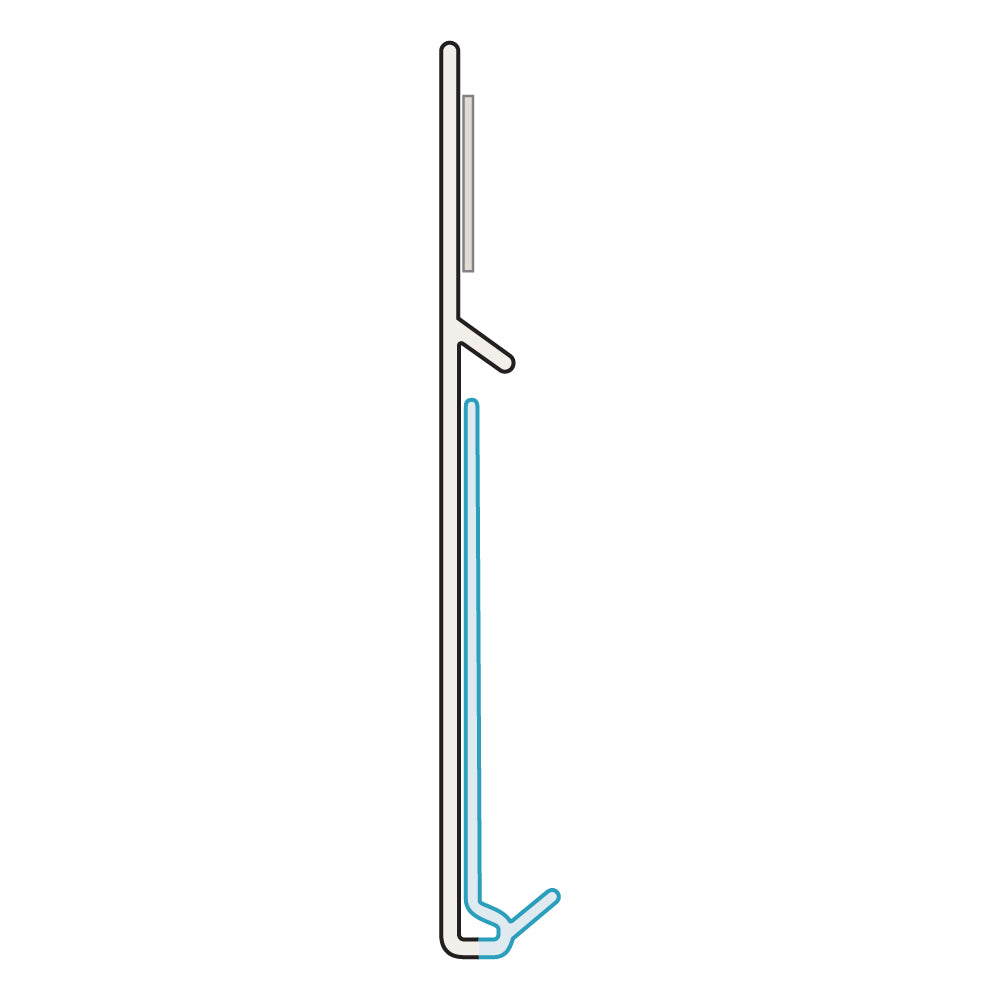
Credit: kostklip.com
Frequently Asked Questions
What Is Frontadhesive Used For In Construction?
Frontadhesive is a strong glue used to stick materials like tiles and panels. It helps hold items firmly in place. It is popular for quick and lasting repairs.
How Does Frontadhesive Differ From Regular Glue?
Frontadhesive offers better grip and water resistance than normal glue. It works well on rough and smooth surfaces. It is designed for heavy-duty tasks.
Can Frontadhesive Be Used On Outdoor Surfaces?
Yes, frontadhesive works well outdoors because it resists moisture and weather. It sticks to wood, stone, and metal firmly. Ideal for garden and exterior repairs.
Is Frontadhesive Easy To Apply For Beginners?
Frontadhesive comes in tubes or cartridges for simple application. Just squeeze and press the surfaces together. No special tools or skills are needed.
How Long Does Frontadhesive Take To Dry?
Frontadhesive usually dries within 20 to 30 minutes. Full strength is reached after 24 hours. Faster drying means quicker project completion.
Can Frontadhesive Be Painted After Drying?
Yes, you can paint over frontadhesive once it is dry. Make sure the surface is clean and dry first. It blends well with most paints.
What Safety Tips Should I Follow Using Frontadhesive?
Use frontadhesive in a well-ventilated area to avoid fumes. Wear gloves to protect your skin. Keep it away from children and pets.
Conclusion
Frontadhesive offers a simple and effective way to stick surfaces together. It works well for many materials and saves time. Using it correctly ensures a strong, lasting bond. This product helps in daily tasks and small repairs. Choosing the right adhesive makes your work easier.
Try Frontadhesive for a reliable and quick fix. It fits many needs without extra effort or tools. A smart choice for anyone who wants easy results.
